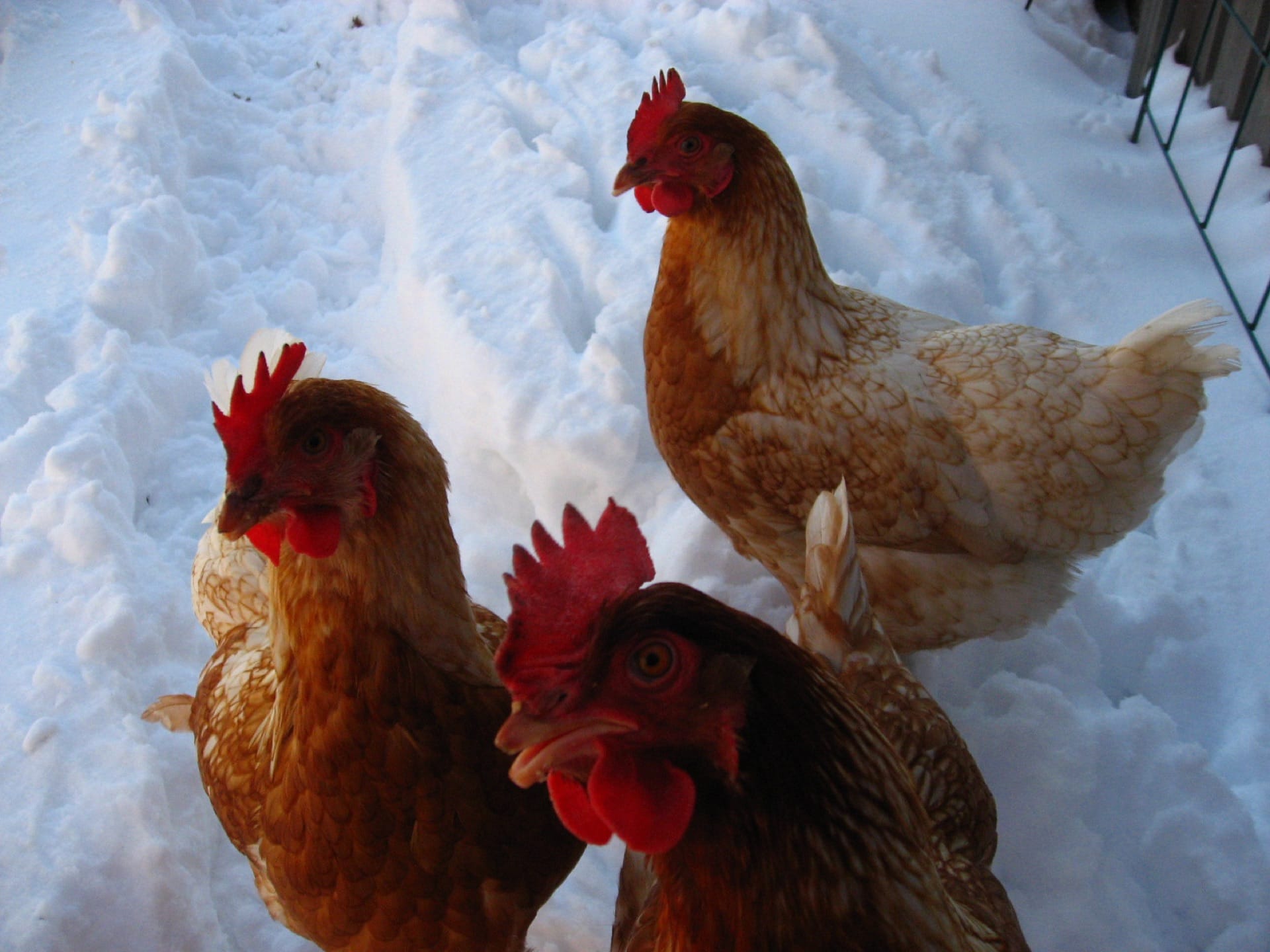
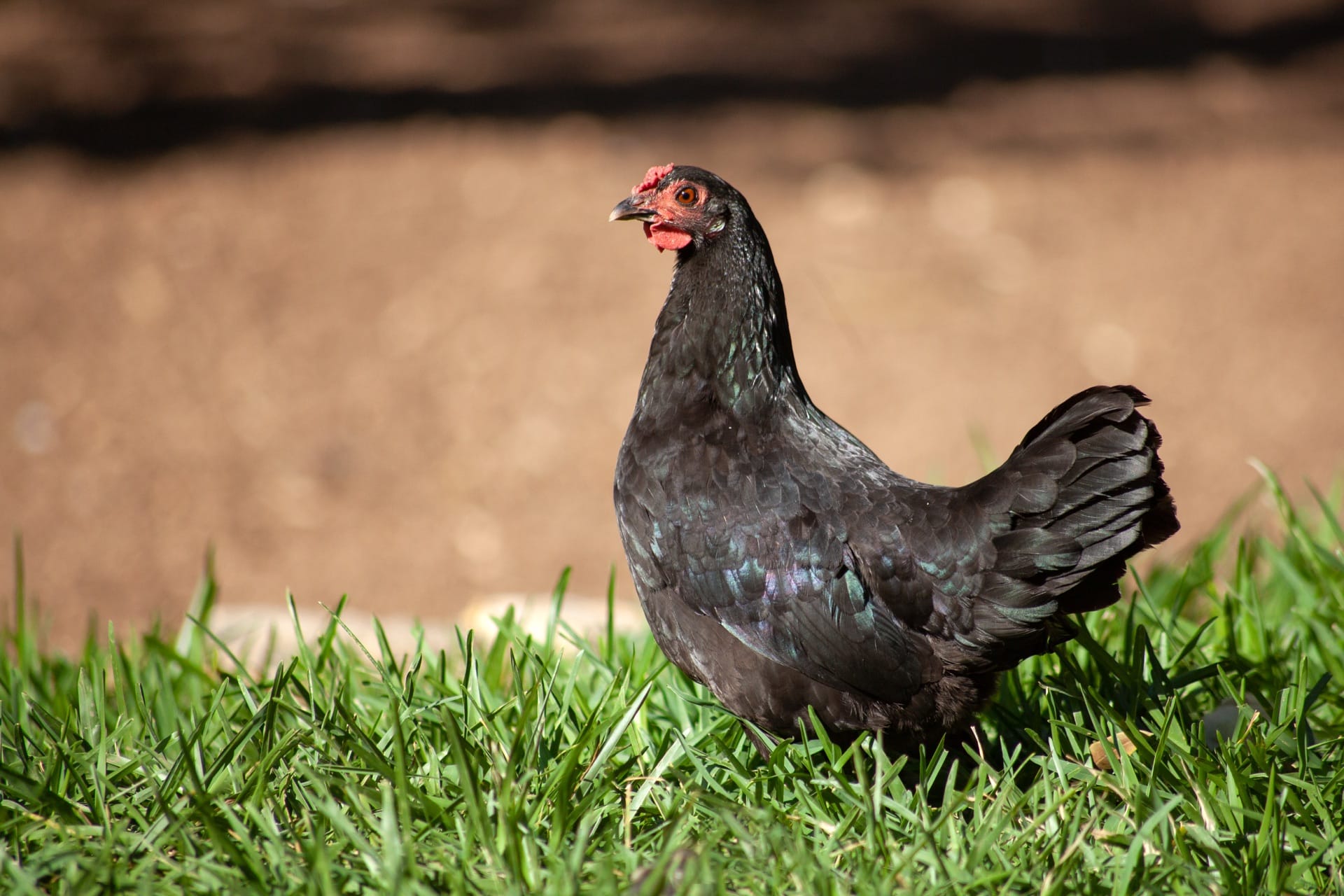
If you want one bird that captures the whole idea of a British back garden flock, the Sussex is hard to beat. It is old, it is handsome, it lays well, it is easygoing with people, and it copes with everything our weather throws at it. For a first-time keeper who wants eggs, character and a bird that mostly gets on with things, this is one of the finest breeds you can choose. It also sits comfortably alongside the other classics we cover in our chickens hub and our roundup of the best chicken breeds for a UK back garden.
Where does the Sussex chicken come from?
The Sussex takes its name from the county in south-east England where it was developed, and it is among the very oldest British poultry breeds. Birds described as "Old Sussex or Kent Fowl" were shown at the first poultry show, held at London Zoo in 1845, and the breed standard was drawn up in 1902 with a breed club following in 1903 (see Wikipedia's breed history).
For generations it was a workhorse of the farmyard: a dual-purpose bird reared both for its meat and its eggs. In the early twentieth century the Sussex was one of the principal table breeds in the country, and its qualities were so useful that it became a foundation for many of the commercial hybrids that came later. When you keep a Sussex today, you are keeping a genuine piece of British agricultural heritage.
Keeping a Sussex today means keeping a real piece of British farmyard heritage.
What does a Sussex chicken look like?
A Sussex is a large, elegant bird with an upright, confident carriage and a broad, deep body. There is a solid, dependable look to them that suits their reputation.
The Light Sussex is the iconic version and the one most people picture: a clean white body set off by a black neck (the hackle feathers are white laced with black) and a black tail. The contrast is striking and instantly recognisable, and it is the classic image of a British hen pottering across a farmyard. There are several other colours worth knowing:
- Speckled Sussex: a rich mahogany-brown flecked with white and black, so each bird looks slightly different.
- Buff Sussex: a warm golden body with the same black points as the Light.
- Plus red, brown, silver and the paler coronation varieties.
Whatever the colour, they all share the same sturdy body type, calm nature and general usefulness.
What are Sussex chickens like to keep?
This is where the Sussex really earns its place for beginners and families. They are calm, friendly, curious birds: docile, easy to tame and quick to come and see what you are doing. Many keepers find their Sussex hens will happily follow them round the garden and settle into being handled, which makes them lovely for children and for anyone new to chickens.
They are a touch more active than some of the fluffier heavy breeds, though. Compared with an Orpington, which is a placid, stately bird content to stand around looking magnificent, a Sussex is a keener forager with a bit more get-up-and-go. That is a plus, not a problem, but it does mean they appreciate space to range and explore rather than being confined to a small run. Give them a garden to patrol and they will reward you by hoovering up slugs and insects and keeping themselves busy.
Are Sussex chickens good layers?
For a heritage dual-purpose breed, yes, the Sussex is a good, dependable layer. A productive strain will give you roughly 240-260 light brown or cream eggs a year, which comfortably outpaces most ornamental breeds. Bear in mind that pedigree and show-bred birds tend to lay rather fewer (nearer 180-200), so if eggs are your priority, ask the breeder about the laying strain of their stock.
One real advantage is that Sussex hens often keep laying through the winter, when many breeds down tools until the days lengthen again. Fresh eggs in December, when the Silkie has stopped entirely and even the Orpington has slowed right down, is a real bonus of keeping this breed.
The eggs themselves are a pleasant light brown to cream, a good size, and exactly what you want for everyday cooking and baking.
The Sussex as a dual-purpose bird
The Sussex was bred to do two jobs, and it still does both. As well as being a solid layer, it is a traditional table bird, with a well-fleshed, broad body that once made it a mainstay of British meat production. For a modern smallholder raising a few birds for the pot, or simply someone who values a hardy, useful hen over a pure egg machine, that dual-purpose balance is part of the appeal. You are keeping a bird that does a bit of everything, which is exactly the spirit of a working homestead.
How hardy are Sussex chickens in the UK?
Very. The Sussex was developed in this climate and it shows. These are robust, weather-hardy birds that cope well with cold and wet, so a typical British winter of grey skies, drizzle and mud holds no fear for them. They are not delicate, they do not need pampering, and they are far less prone to the wet-feather and cold problems that trouble more fragile breeds. For anyone who wants a low-fuss bird that thrives outdoors, this hardiness is one of the Sussex's biggest selling points.
Do Sussex chickens go broody?
They can, particularly through spring and summer, and when they do they generally make attentive, reliable mothers. If you fancy hatching your own chicks, a broody Sussex hen is a great natural incubator and will raise a clutch capably. If you would rather she got back to laying, a broody hen can be gently discouraged in the usual ways. It is a useful trait to have available rather than a nuisance, and it is part of what makes the breed so self-sufficient.
How should you house and care for Sussex chickens?
The good news is that a Sussex is robust and low-maintenance. There is no special diet, no exotic housing and no fragile constitution to manage. Feed a good-quality layers pellet, provide constant fresh water and grit, and keep everything clean and dry.
The two things they really want are space and security.
- 1
Give them room to forage
Sussex hens are active foragers, so a decent run or, better still, supervised time ranging in the garden keeps them happy, fit and occupied. The RSPCA suggests at least 1 square metre of housing per bird where possible, plus a proper run to roam in.
- 2
Make housing fox-proof
A secure, dry, well-ventilated coop with perches and nest boxes is essential, and the run needs to be genuinely fox-proof: strong mesh, dug-in or aproned at the base, and shut up securely every night. The fox is the number one threat to any UK flock.
- 3
Keep it dry underfoot
Cover the floor and run with dry material such as wood shavings or straw so they can dustbathe, forage and stay comfortable even when it is wet outside.
- 4
Keep them in company
Chickens are social and need company, so never keep a single hen. Three or more Sussex will form a settled, contented little flock.
You can read the RSPCA's full guidance on housing and caring for backyard hens, and remember that under the Animal Welfare Act 2006 you have a legal duty of care to meet their needs for food, shelter, company and the ability to behave naturally.
The rule every UK bird keeper must follow
Before your birds arrive, there is one legal step you cannot skip.
How does the Sussex compare to the Orpington and Silkie?
If you are weighing up breeds, it helps to see the Sussex against two other popular choices:
- Sussex vs Orpington: Both are calm, friendly and beginner-friendly. The Orpington is bigger, fluffier and more placid, and a gentler layer. The Sussex is more active, a keener forager and a better, more reliable egg producer, particularly in winter. Choose the Orpington for a docile lap-hen, the Sussex for a slightly livelier all-rounder that fills the egg basket.
- Sussex vs Silkie: The Silkie is a small, ornamental, wonderfully broody bird that lays only modestly and needs more protection from wet weather. The Sussex is a full-sized, weather-hardy, productive hen. The Silkie is a delightful pet and brilliant broody; the Sussex is the practical dual-purpose worker.
Is the Sussex right for your garden or smallholding?
For most UK keepers, the answer is a clear yes. The Sussex suits a family garden because it is calm, tame and good with children. It suits a smallholding because it is hardy, dual-purpose and self-sufficient. It rewards anyone with a bit of space because it loves to forage, and it earns its keep with a steady supply of eggs across the whole year. Add in centuries of British history and that unmistakable Light Sussex silhouette crossing the lawn, and you have a bird that feels like the very heart of the Good Life. Register your flock, build them a proper fox-proof home, give them room to roam, and a small flock of Sussex hens will look after the rest.
Frequently asked questions
Sources
- Sussex chicken , Wikipedia
- Register as a keeper of less than 50 poultry or other captive birds , gov.uk
- Poultry registration rules and forms , gov.uk
- Keeping chickens as pets: how to care for backyard hens , RSPCA
- Animal Welfare Act 2006 , legislation.gov.uk
Kit for this job (Ad)

FeelGoodUK Coop House Chicken Coop, Large
Check price on Amazon →
FeelGoodUK CHICKEN COOP HEN HOUSE POULTRY ARK HOME NEST RUN COUP WITH INTEGRA...
Check price on Amazon →
Cocoon ECO 6002N Chicken Coop – Wooden Hen House with Rot-Proof Plastic Roofs, Pull-Out Tray & Nest Box – Ideal for 4–6 Birds
Check price on Amazon →
Cocoon ECO 1000 Large Chicken Coop – Wooden Hen House with Rot-Proof Plastic Roofs, Dual Pull-Out Trays, Secure Nest Box & Auto Door Ready, Ideal for 6–8 Birds
Check price on Amazon →We may earn a small commission, at no cost to you. We only list kit we'd use.
Written by
UK Homesteading Team
Editorial team
The UK Homesteading editorial team, offering UK-specific, evidence-led guidance on growing, keeping, preserving and the law.