What matters in a back-garden breed
UK back gardens throw up a specific set of conditions: cold wet winters, not much room, neighbours close enough to hear a cockerel at 5am, and foxes patrolling more gardens than you'd think. The breeds that do well here share four traits. Hardy in cold rain, calm to handle, not given to non-stop calling, and happy enough confined to a run.
That rules out half of what you'll see on YouTube. Anything Mediterranean (Leghorn, Minorca, Andalusian) is too flighty and too loud for a typical semi-detached. Anything ultra-fancy (Polish, Silkie) struggles in British wet. Anything game (Old English Game) is too feisty for a family garden.
What's left is a short, dependable list.
The hybrids. Eggs first
Commercial hybrids are crossbred for one job: an egg most days for two years, then fewer. They're not pure breeds, they're not showy, but they're forgiving with new keepers and they earn their feed bill fast.
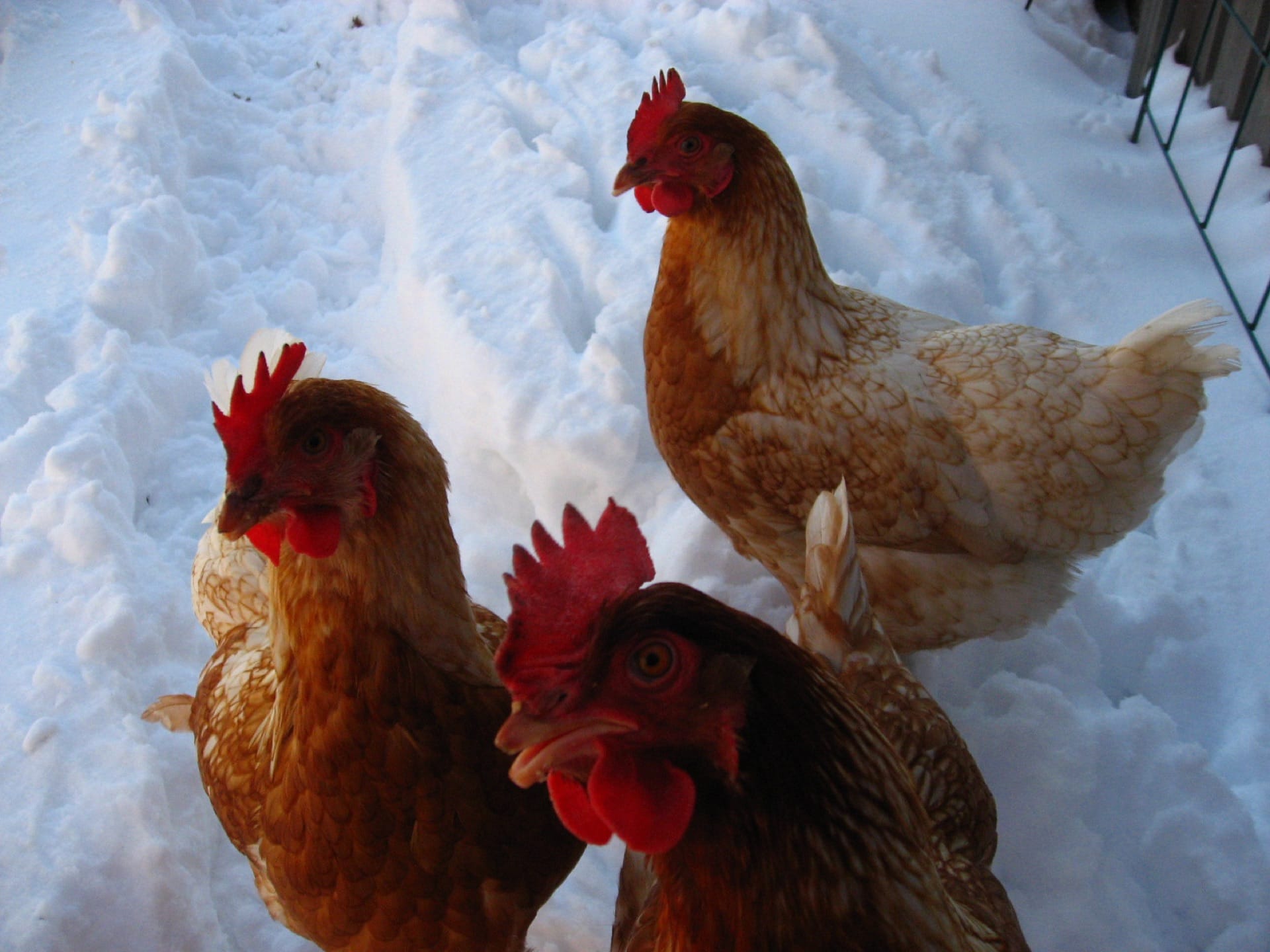
- Warren (also sold as Goldline or ISA Brown). Red-feathered, friendly, 300+ eggs a year. The default starter hen, and for good reason. Keeps laying through winter with a bit of supplementary light. Or just lays less, which is fine too.
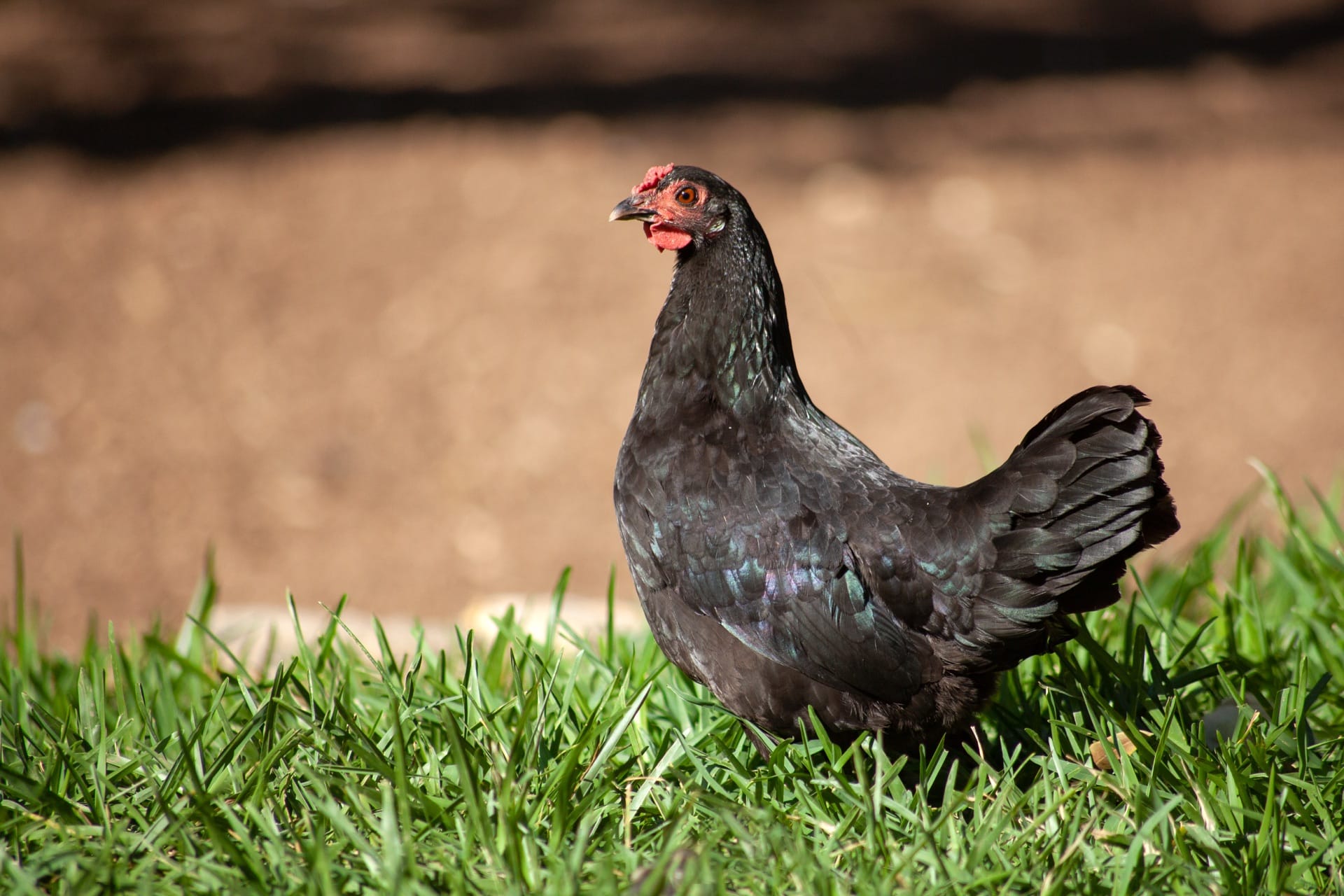
- Black Rock. Black with rusty hackles, hardy, unflappable. 280 eggs a year, excellent free-rangers, shrugs off wet weather.
- Bluebell. Soft grey-blue plumage, a touch bigger than a Warren, 250 to 260 eggs a year, gentle nature. The best-looking hybrid, by a distance.
Buy from a named UK breeder or a vaccinated point-of-lay supplier, not an auction. Most hybrids' production drops off sharply by year three, so it's worth being honest with yourself now about whether you'll keep hens once they've stopped earning their keep (most city keepers don't).
The pure breeds. Character and longevity
Pure breeds lay fewer eggs but lay them for longer, look more distinctive, and tend to be quieter and friendlier with it. Worth having one or two in a mixed flock.
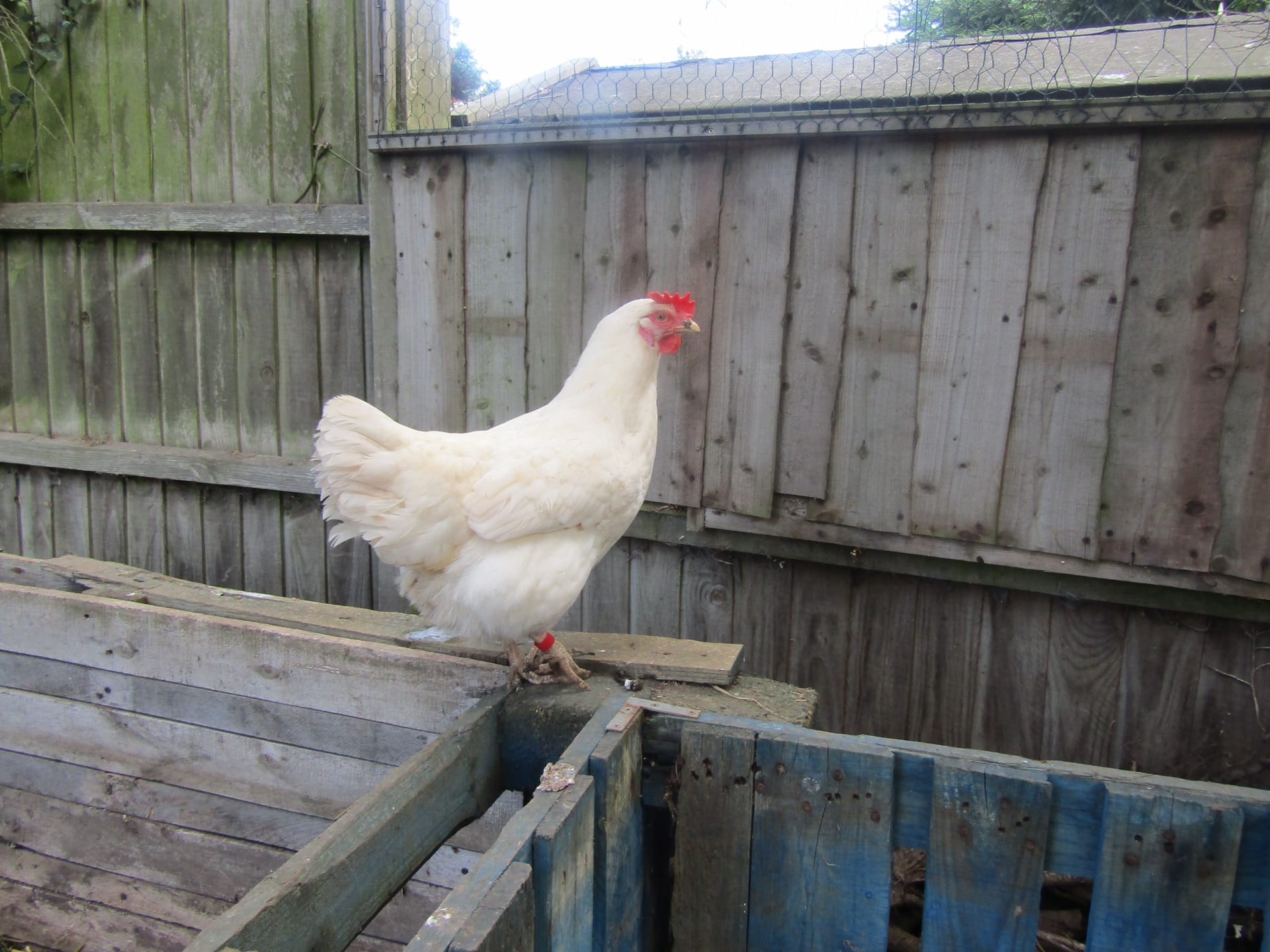
- Light Sussex. White with a black hackle and tail, a proper dual-purpose British breed, around 200 eggs a year (utility strains up to 250), calm, hardy, lovely with children. The default pure-breed pick.
- Speckled Sussex. Same shape and temperament, mahogany plumage flecked with white. The prettier sibling.
- Buff Orpington. Big golden fluff-balls, too low-slung to fly over a short fence, very quiet, 150 to 200 eggs a year. Ideal for a small urban garden or a family with young children.
- Wyandotte (Silver Laced, Gold Laced). Round-bodied, hardy, calm, 200 eggs a year, striking plumage. Takes a cold wet UK winter in its stride.
Breeds to skip for back-garden keeping
- Leghorns. Flighty (a 1.2m fence won't hold them), shrill, jumpy when handled. Production-strain birds lay brilliantly, but they suit a free-range smallholding, not a 50m² back garden.
- Polish. The ones with the crest. Striking, but the head feathers block their vision and mixed flocks bully them. Best kept alone by an experienced keeper.
- Silkie. That fluffy plumage soaks up rain like a sponge, so it needs a covered run in the UK. Beautiful, but high-maintenance.
- Cockerels of any breed. Noise complaints, council trouble, fallen-out neighbours. Don't.
A mixed flock works best
Three hens of the same breed look identical, act identical, and you'll struggle to tell who's laying, who's broody and who's off-colour. Three hens of three different breeds. A Warren, a Sussex, a Bluebell, say. Makes daily observation effortless, and it's kinder to the flock dynamic too: no single bird stands out as the obvious target for pecking.
A back-garden flock you can name on sight is a flock whose health problems you'll catch early.
A realistic starter combination
For most UK back gardens with room for 3 to 4 hens:
- 1 × Warren (an egg most days, friendly)
- 1 × Bluebell (5 eggs a week, beautiful, calm)
- 1 × Speckled Sussex (3 eggs a week, hardy, full of character)
That's around 14 eggs a week through summer, 10 through winter, plenty for a household of 3 to 4, with a few spare to give away or bake with. Add a fourth bird (another Black Rock or Sussex) if your coop and run have room.
Frequently asked questions
Sources
- Rare Breeds Survival Trust. UK poultry breeds , Rare Breeds Survival Trust, 15 January 2025
- How many eggs a day does a hen lay? , British Hen Welfare Trust, 9 July 2026
- Choosing your chickens. Which breed is best? , Flyte so Fancy, 9 July 2026
Kit for this job (Ad)

How to Speak Chicken: Why Your Chickens Do What They Do & Say What They Say
Check price on Amazon →
Lock & Lock HPL954 Multi-Use Storage and Transportation Box for 12 Eggs
Check price on Amazon →
apollo THE HOUSEWARES BRAND 4936 Egg cabinet GREY, Wood, 12 x 18 x 25 cm
Check price on Amazon →
The Chicken Chick's Guide to Backyard Chickens: Simple Steps for Healthy, Happy Hens
Check price on Amazon →We may earn a small commission, at no cost to you. We only list kit we'd use.
Written by
UK Homesteading Team
Editorial team
The UK Homesteading editorial team, offering UK-specific, evidence-led guidance on growing, keeping, preserving and the law.