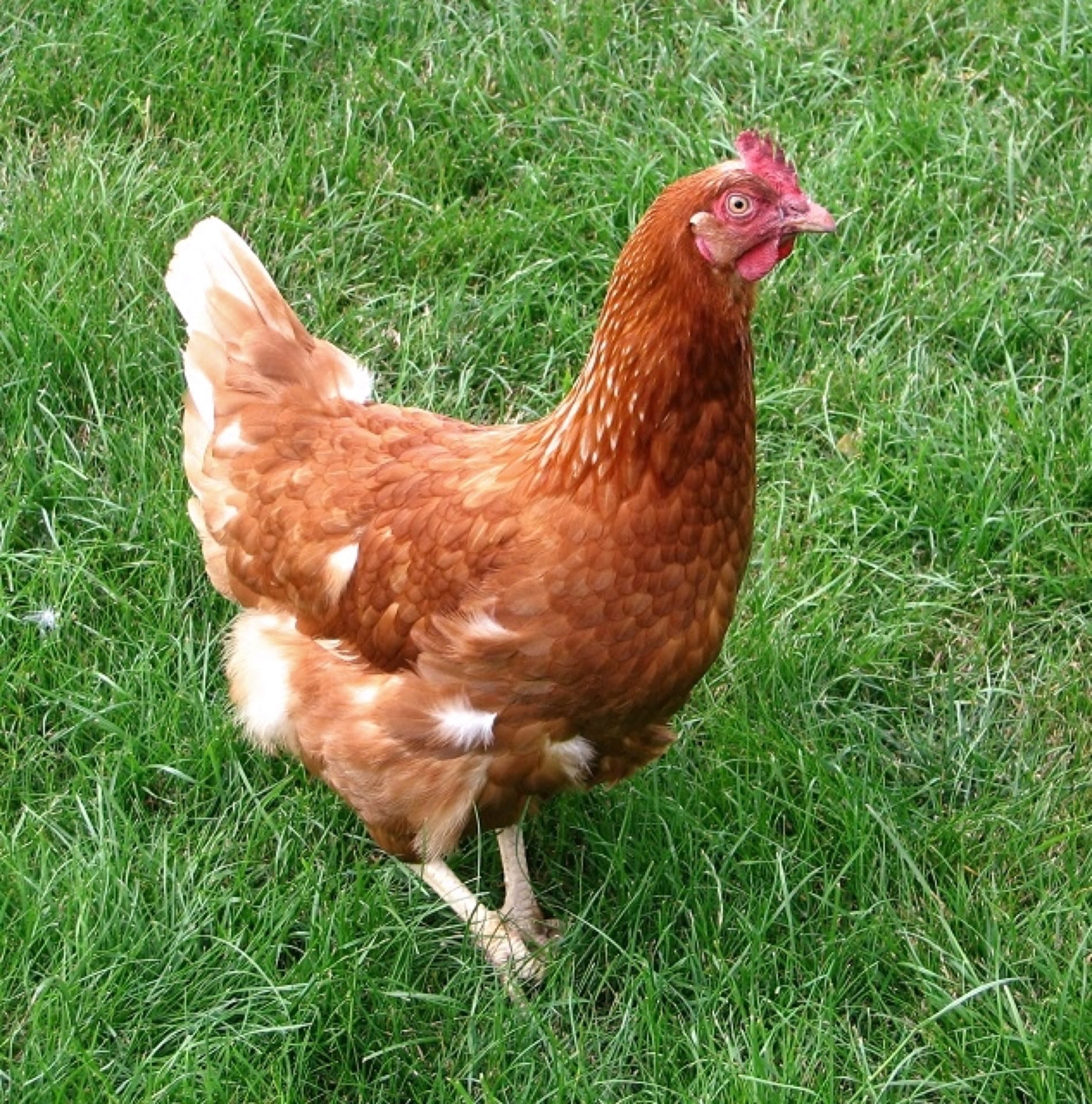
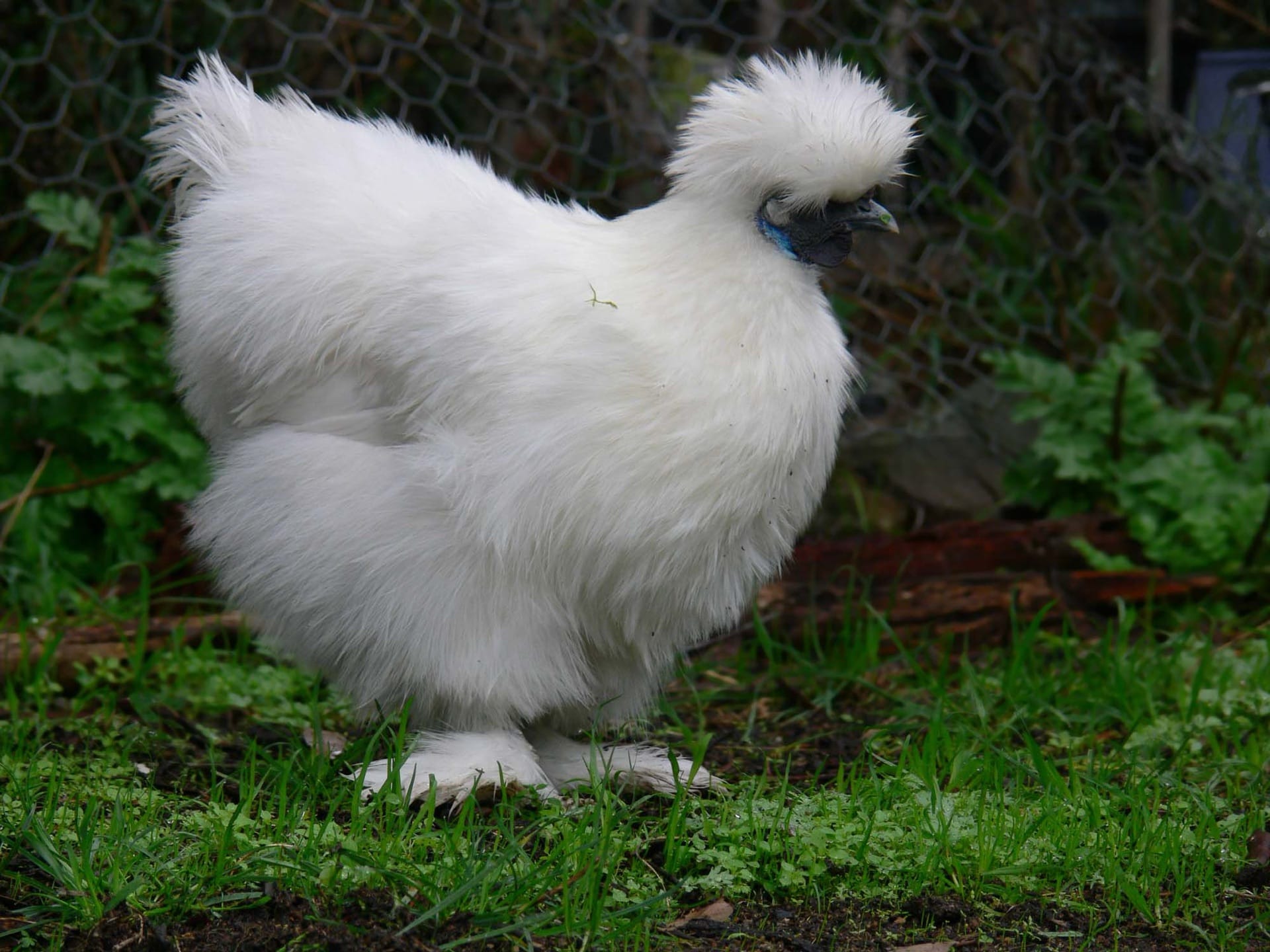
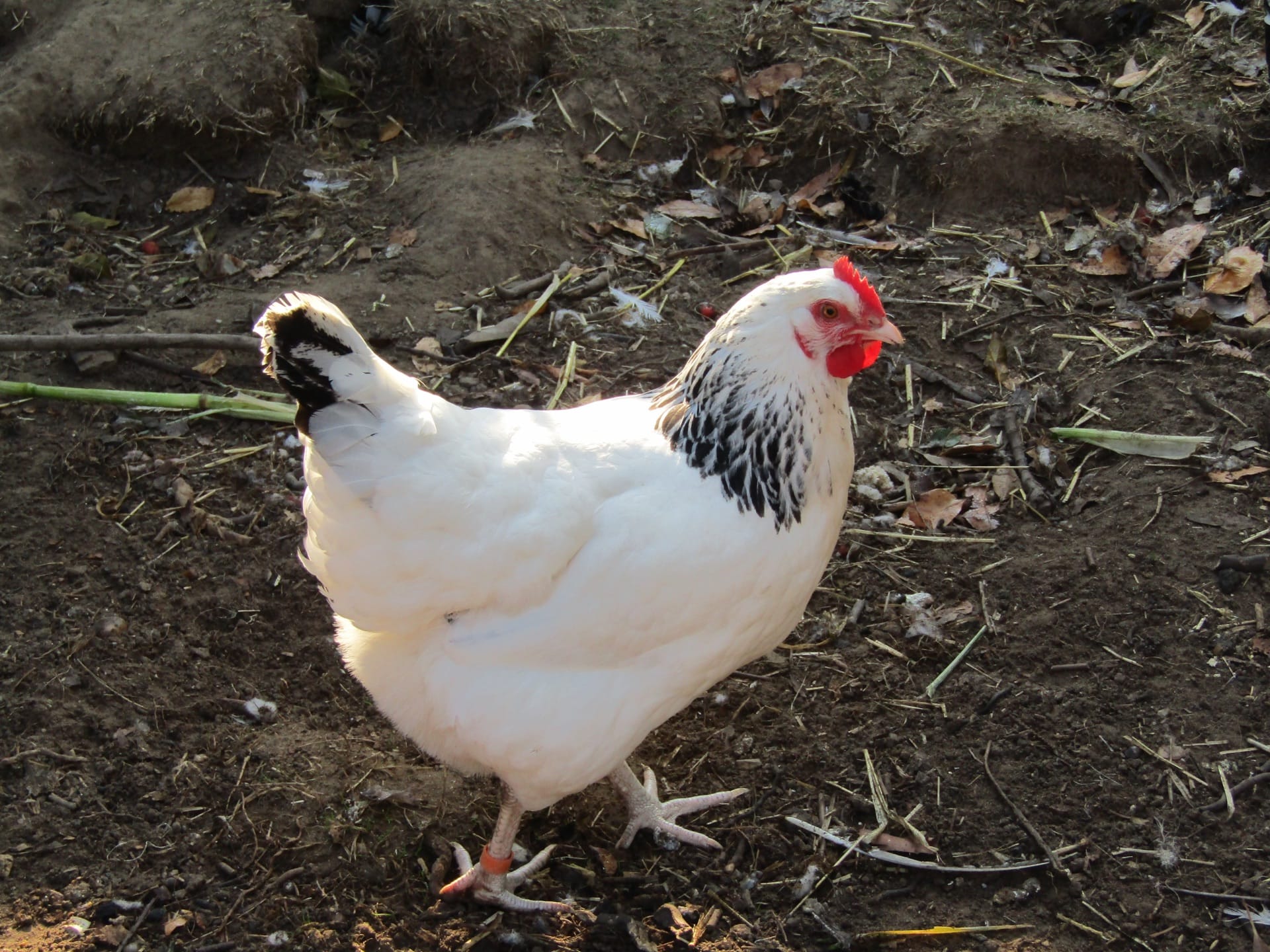
If you want a hen that greets you at the run gate, sits happily on a child's lap and rarely causes any bother, the Orpington is hard to beat. It is one of the calmest breeds you can keep, it looks like a feathered teddy bear, and it is thoroughly British in origin. This guide covers where the breed came from, what to expect from it, and how to keep it well in our climate.
For a wider view of which breeds suit a small British plot, see our best chicken breeds for a UK back garden, and if the gentle-and-fluffy look appeals, the Silkie is another famously docile choice. The chickens hub pulls all our poultry guides together.
Where did the Orpington come from?
The Orpington is one of Britain's best-known native breeds, and it comes with a proper backstory. In the 1880s a coachman-turned-poultryman named William Cook, working at Tower House in Orpington, then a village in Kent, set out to create a bird that laid well and made good eating. He crossed Minorcas, Langshans and Plymouth Rocks, and the result was the Black Orpington, first shown in 1886. Cook picked black deliberately: it hid the soot and grime of Victorian London, so the birds always looked smart at market.
The colour most people picture today, the honey-gold Buff Orpington, came a little later and was first exhibited at the 1894 Dairy Show. White and blue varieties followed, and the breed now appears in several colours, though buff remains the classic. It comes in two sizes: the large fowl, which is the substantial bird most keepers mean when they say "Orpington", and a bantam version at roughly a third of the size for those with less room.
A proper British breed, built to lay well and make good eating, that ended up winning hearts as a pet.
What does an Orpington chicken look like?
Big, and then bigger than you expected. Orpingtons are heavy, deep-bodied birds, and their soft, abundant feathering puffs out to make them look larger and rounder still. A large fowl hen weighs around 3 to 3.5kg and a cock 4 to 4.5kg, so this is a proper armful of chicken. They carry themselves low and broad, with a curvy, cushiony outline that has earned them the "teddy bear hen" nickname.
That plush plumage is part of the charm, but it is also the thing you manage most in our climate, as we will come to below.
Are Orpington chickens good for beginners?
This is where the Orpington really earns its keep. The breed is famous for being calm, docile, friendly and easily tamed. They are unflappable birds that tolerate handling well, settle quickly and rarely pick fights, which is exactly what you want when children are helping with the hens or when you are learning the ropes yourself.
Being so heavy, they are poor fliers, so a modest fence is usually enough to keep them where you want them, with no need for high runs or clipped wings. A gentle temperament plus a bird that stays put on the ground makes for a very forgiving first flock. Like all chickens they are sociable and need company, so plan to keep at least three together rather than a lone hen.
How many eggs do Orpingtons lay?
Honest expectations matter here. The Orpington is a moderate layer, not a laying machine. A large fowl hen gives roughly 180 light-brown eggs a year, which works out at about three to four a week, and laying slows over the darker winter months as it does with most breeds. Bantam Orpingtons lay fewer, around 110 a year. The eggs are a good size and a pleasant light brown.
If your main goal is a full egg basket every day, a hybrid layer will out-produce an Orpington comfortably. What the Orpington offers instead is a steady, reliable supply from a bird that is a pleasure to have in the garden, which for many keepers is the better trade.
Is the Orpington a dual-purpose bird?
Yes, and that is what Cook designed it for. Traditionally the Orpington was kept for both eggs and the table, its size and deep body making it a decent meat bird as well as a layer. Most people today keep them purely as pets and layers, but the dual-purpose heritage is why they are so solidly built. It is worth knowing the background even if you never intend to raise any for meat.
How do you care for Orpingtons in the UK climate?
The Orpington's glorious feathering is the key to its care, and it cuts both ways.
In summer, all that dense plumage means Orpingtons feel the heat. On hot days make sure they always have deep shade, cool fresh water and somewhere to escape the sun, and keep an eye on them during heatwaves as they can struggle more than lighter breeds.
In a wet British winter, the same feathers pick up mud, and the fluffy feathering around the vent can get mucky and matted. That soiled, damp area can also attract mites and other parasites, so check your hens' back ends regularly, keep the run as well-drained as you can and trim or clean the feathering if it gets caked. A dry, hardstanding or well-bedded run makes a real difference.
Housing needs to suit a big, heavy bird. Give them a roomy, robust coop, and set the perches low: a bird this weighty can injure itself jumping down from a high perch, so keep the drop small and the perch sturdy. Nest boxes and pop-holes should be generous enough for a broad bird to get through without a squeeze.
Beyond that, the basics are the same as for any hen: a clean, dry, well-ventilated house, constant fresh water, good feed, places to perch and nest boxes to lay in. The RSPCA's guidance on keeping chickens as pets is a sound starting point, and under the Animal Welfare Act 2006 anyone responsible for an animal has a legal duty to meet its welfare needs.
Do Orpingtons go broody?
Frequently, yes. Orpington hens have a strong instinct to sit, and they make patient, attentive mothers, so if you fancy hatching your own chicks an Orpington will often do the job for you. The flip side is that a broody hen stops laying while she sits, which can put a dent in your egg supply. If you do not want chicks, you will sometimes need to gently discourage a determined broody by removing her from the nest box. For many keepers, though, the ready broodiness is a bonus rather than a nuisance.
Do Orpingtons suit a UK garden?
For most people, very well. They are quiet, calm, stay on the ground and are happy pottering about a modest space, and their placid nature means they cope with garden life and human company better than flightier breeds. Give them room, dry footing and secure housing and they settle in beautifully. The two things to weigh up honestly are the moderate egg numbers and the extra grooming their feathering asks for in a muddy winter. If you want personality, calm and a striking-looking hen more than maximum eggs, the Orpington is a lovely choice.
Registering your birds
Before you bring any birds home, there is one legal step every keeper in the UK must now take.
- 1
Register your birds first
Sign up before or soon after your birds arrive, on GOV.UK in England and Wales, the Scottish Kept Bird Register in Scotland or with DAERA in Northern Ireland, and keep your contact details current.
- 2
Build or buy secure, roomy housing
A robust coop with low perches, good ventilation and a fox-proof run dug in at the base.
- 3
Get at least three hens
Chickens are sociable and need company, so start with a small group rather than one bird.
- 4
Set up a dry, shaded run
Good drainage for wet winters and deep shade for hot spells suit a heavily feathered breed.
- 5
Check bottoms and dust for mites
Inspect the vent feathering regularly, clean off any muck and treat for mites to keep them comfortable.
The Orpington asks a little more grooming than a slick hybrid and gives you fewer eggs, but in return you get one of the friendliest, most beautiful and most rewarding hens you can keep. For a first British breed, it is a genuinely gentle place to start.
Frequently asked questions
Sources
- Register as a keeper of less than 50 poultry or other captive birds , gov.uk
- History of the Orpington , The Orpington Club
- Keeping chickens as pets: how to care for backyard hens , RSPCA
- Animal Welfare Act 2006 , legislation.gov.uk
Kit for this job (Ad)

FeelGoodUK Coop House Chicken Coop, Large
Check price on Amazon →
FeelGoodUK CHICKEN COOP HEN HOUSE POULTRY ARK HOME NEST RUN COUP WITH INTEGRA...
Check price on Amazon →
Cocoon ECO 6002N Chicken Coop – Wooden Hen House with Rot-Proof Plastic Roofs, Pull-Out Tray & Nest Box – Ideal for 4–6 Birds
Check price on Amazon →
Cocoon ECO 1000 Large Chicken Coop – Wooden Hen House with Rot-Proof Plastic Roofs, Dual Pull-Out Trays, Secure Nest Box & Auto Door Ready, Ideal for 6–8 Birds
Check price on Amazon →We may earn a small commission, at no cost to you. We only list kit we'd use.
Written by
UK Homesteading Team
Editorial team
The UK Homesteading editorial team, offering UK-specific, evidence-led guidance on growing, keeping, preserving and the law.