If you want a garden full of eggs and you are not set on a bird that sits on your lap, the Leghorn is one of the strongest choices you can make. It is the breed that quietly powers a huge share of the world's egg supply, yet it remains a brilliant, characterful bird for a British back garden. This guide walks you through where Leghorns come from, what they are actually like to live with, how to house them through a UK winter, and the one legal step every new keeper now has to take.
Where do Leghorn chickens come from?
The Leghorn is an Italian breed with its roots in Tuscany. The birds take their English name from Livorno, the Tuscan port from which the first stock was shipped to North America in about 1828. "Leghorn" is simply the old anglicisation of Livorno, and the name stuck once the birds were being bred in earnest in the United States, where they were first called Leghorns in 1865.
They reached Britain from America around 1870, with the white variety arriving first and the brown following a couple of years later. British breeders then set about refining them, crossing white birds with Minorca and Malay stock to build a bit more body onto the original light Italian frame. The result is the bird recognised today by the Poultry Club of Great Britain as a soft feather light breed of the Mediterranean type, prized above all for laying white eggs.
The Leghorn is the bird that quietly powers a huge share of the world's egg supply, yet it remains a brilliant choice for a British back garden.
Why is the white Leghorn so famous?
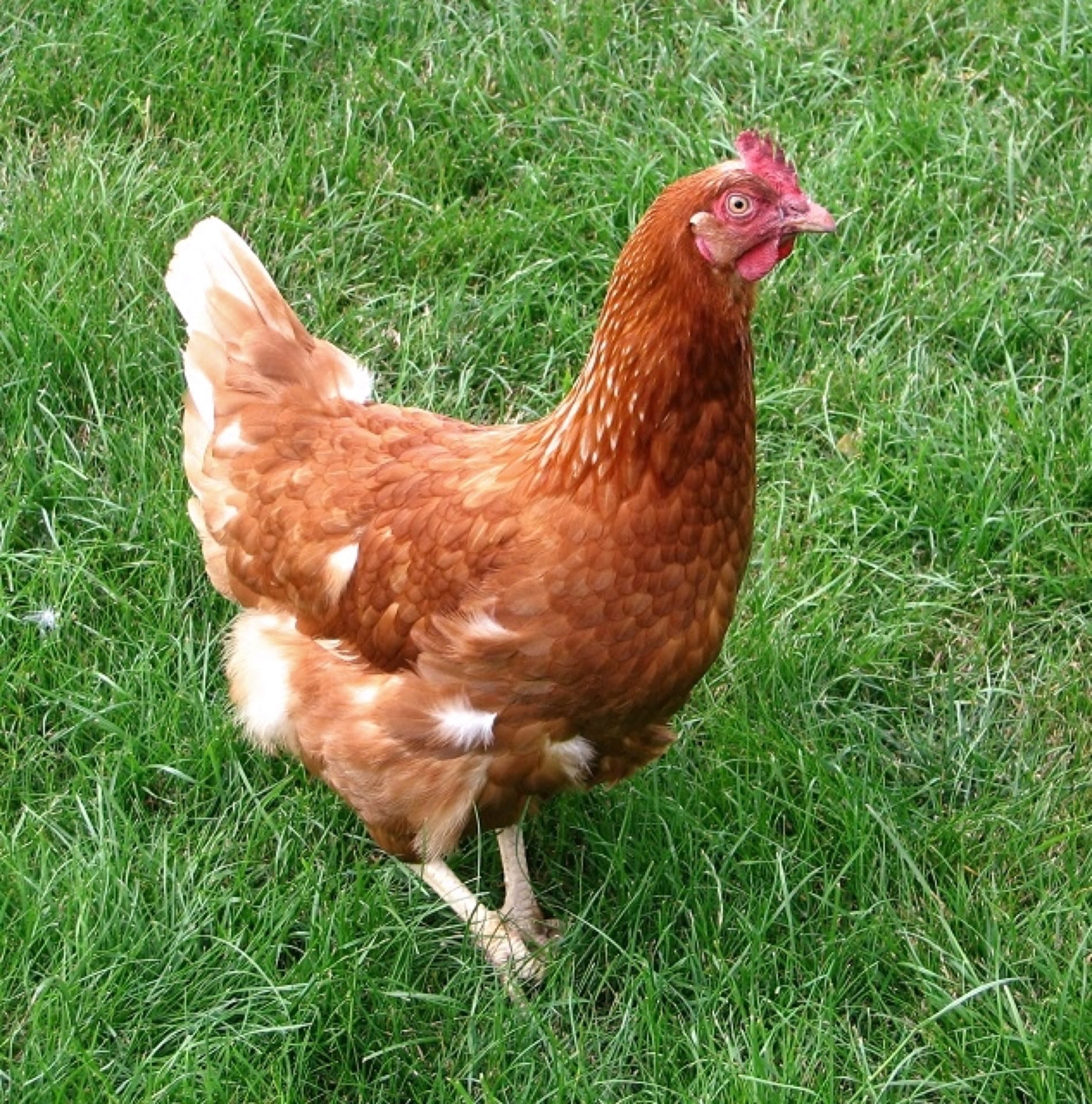
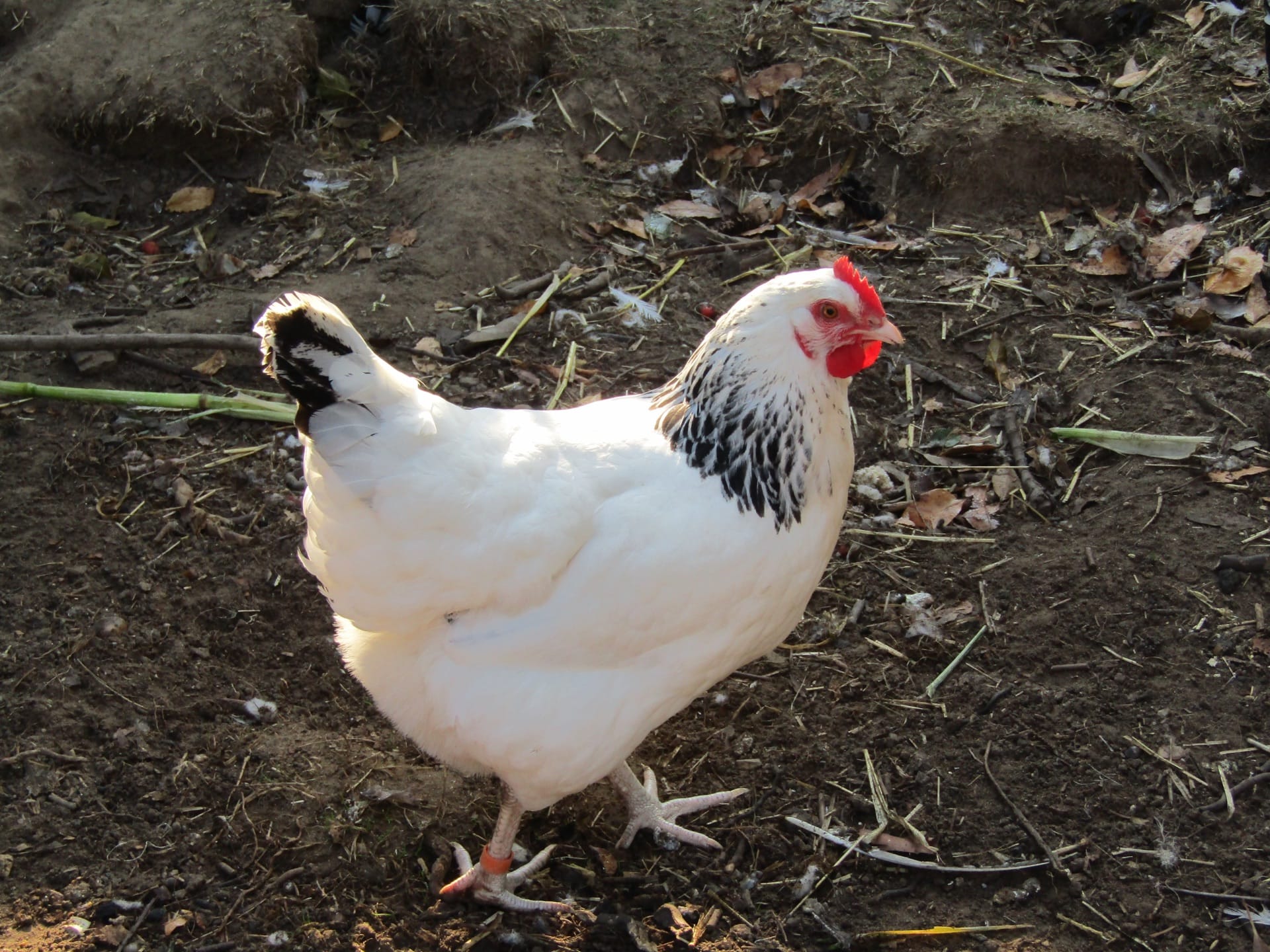
When most people picture a Leghorn, they picture the white one: a bright, upright bird with a bold red comb, yellow legs and white ear-lobes. The white Leghorn earned its fame for one reason. It is an outstanding layer, and it passes that ability on. White Leghorns are the foundation of most of the high-producing commercial white-egg laying hybrids kept around the world, in much the same way the Rhode Island Red sits behind so many brown-egg hybrids. If you have ever bought a box of white eggs, there is a good chance a Leghorn is somewhere in the ancestry.
White is not the only option, though. In Britain the Leghorn Club recognises eighteen colours, including brown, buff, black, blue, exchequer, mottled, cuckoo, lavender, partridge and several duckwing patterns. So you can have all the laying ability with a more unusual look if you prefer.
How many eggs do Leghorns lay, and what colour?
This is the breed's whole reason for being. A good Leghorn hen lays around 280 white eggs in a year on average, with strong strains reaching 300 or a little more. Realistically most garden keepers can expect somewhere in the 250-300 range, which puts the Leghorn among the very best layers of any pure breed. The eggs are a clean white and start at a decent size, weighing at least 55g and growing as the hen matures.
Two other points make Leghorns appealing for eggs. They lay young, often coming into lay from around 16 to 20 weeks, so you are not waiting long. And they are efficient feeders: as a light bird, a Leghorn converts feed into eggs rather than into a big carcass, so you get a lot of eggs for the feed you buy. That efficiency is exactly why the breed became a commercial staple.
What are Leghorns like to keep? Temperament and behaviour
Here is where honesty matters. Leghorns are not the breed to choose if you want a hen that follows you around wanting cuddles. They are active, alert and intelligent, and they can be flighty, especially if they have not been handled gently from a young age. In a home flock they read as independent and busy rather than affectionate.
What they lack in lap-appeal they more than make up for as foragers. Leghorns are always on the move, scratching, hunting insects and investigating every corner of a run, which makes them excellent at keeping a patch of ground turned over and pest-free. If you have space for them to range, they will use every inch of it.
The trade-off with all that energy is that they fly well. A light Mediterranean bird like this can clear a four-foot fence without much effort and will happily roost up high or take to a tree if startled. That single fact shapes how you house them, which brings us to the practical side.
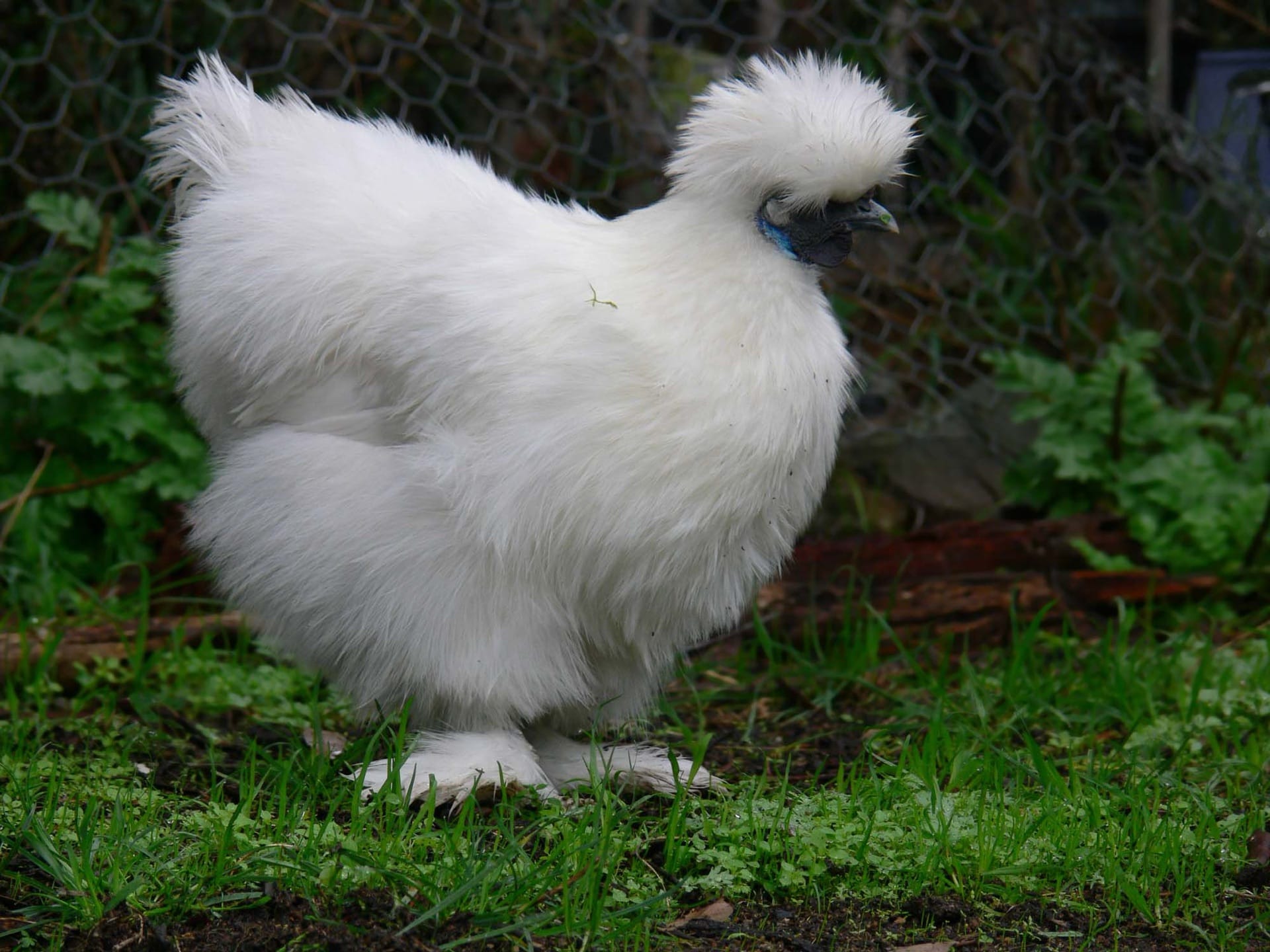
One more quirk worth knowing before you buy: Leghorns rarely go broody. That is a bonus if you simply want a steady supply of eggs, because a broody hen stops laying while she sits. But if part of your plan is to let a hen hatch and raise her own chicks the natural way, a Leghorn is unlikely to oblige, and you would need an incubator or a reliably broody breed such as a Silkie instead.
How should I house and secure Leghorns in the UK?
The RSPCA's guidance for pet hens is a sound baseline for any breed. Give a warm, dry, well-ventilated coop with a litter-covered floor, perches and nest boxes, aiming for around one square metre of floor space per bird where possible and no more than three birds per square metre. Provide at least one nest box per five hens (and never fewer than two for any group), each roughly 30x30x30cm. Chickens are social, so keep at least three together; a lone hen is an unhappy hen.
For Leghorns specifically, two things need extra thought.
- 1
Contain their flying
Because Leghorns fly so readily, a low-fenced run will not hold them; a four-foot fence is no barrier at all. Either roof the run with netting or use fencing well over head height, around 6ft or more. A covered run also keeps out wild birds, which helps with biosecurity during avian influenza housing orders.
- 2
Fox-proof properly
Foxes are the number one threat to UK hens. Follow the RSPCA approach: strong welded mesh (not flimsy chicken wire) at least 6ft tall and angled outwards at the top, buried a foot into the ground or fitted with a flat mesh skirt weighted with stones, and always lock the birds in a solid coop at night.
- 3
Set the roosts high
Leghorns like to perch up high, echoing their junglefowl ancestors sleeping in trees to stay safe. Give them a sturdy roost above nest-box height so they settle happily and the boxes stay clean.
- 4
Give them room to range
These are foragers with energy to burn. A generous run or supervised garden time keeps them fit, occupied and less prone to feather-pecking out of boredom.
Are Leghorns hardy enough for a British winter?
Broadly, yes. Leghorns are healthy, robust birds that cope well with our climate, and being lean they handle warmth easily. The weak spot is that famous comb. On a hen the large single comb typically flops elegantly to one side, which is a completely normal breed characteristic and nothing to worry about in itself. But a big comb has a lot of exposed surface, and in a hard UK frost that makes it prone to frostbite, especially the tips.
The single most useful thing you can do is keep the coop dry and draught-free while still ventilated. Damp, still air does far more comb damage than clean, dry cold, so ventilation that lets moisture escape without blowing directly across the roosting birds is exactly what you want. In a genuinely severe cold snap some keepers smear a little petroleum jelly on combs and wattles, and if you ever see signs of frostbite it is worth a word with your vet about care in your particular climate. This is a Mediterranean breed at heart, so a bit of winter thought pays off.
How do Leghorns compare to Rhode Island Reds, Sussex and Orpingtons?
Choosing a first breed is really about matching temperament and eggs to what you want, so it helps to line the Leghorn up against the other popular garden favourites.
Against the Rhode Island Red, the two share prolific laying but differ in almost everything else. The Leghorn gives you white eggs and a flightier, more independent bird; the RIR gives you brown eggs and a calmer, more docile temperament. If you want the most eggs and do not mind an active bird, Leghorn. If you want nearly as many eggs from a steadier hen, RIR.
Against the Sussex, the contrast is productivity versus friendliness. The Sussex is a dependable dual-purpose bird that is calm, tolerant and good with children, laying well but not at Leghorn intensity. The Leghorn out-lays it but is far less of a family pet.
Against the Orpington, the gap is at its widest. Orpingtons are big, soft, gentle lap-hens that many keepers adore for their character, but they are modest layers. The Leghorn is the opposite bird in every way: lighter, busier, less huggable, and a laying powerhouse. Neither is better; they simply suit different keepers.
If you are still weighing it all up, our best chicken breeds for a UK back garden guide sets the Leghorn alongside the full field, and the broader chickens hub covers the fundamentals of getting started.
Is there a bantam Leghorn?
Yes. If you are short on space or just fancy a smaller bird, there is a true bantam Leghorn that keeps the breed's upright type and laying character in miniature. Under the British standard the bantam maximum is around 1020g for a cock and 910g for a hen. Bantams eat less and need less room, though the eggs are correspondingly smaller, so they are a nice option for a compact garden.
The legal bit: registering your birds
This is not optional and it is quick to do, so make it one of the first jobs before your birds arrive.
Related guides and tools
- Best chicken breeds for a UK back garden to see how the Leghorn stacks up against every other popular option.
- Keeping Rhode Island Red chickens in the UK, the natural brown-egg alternative to the white-laying Leghorn.
- Keeping Sussex chickens in the UK if you would rather trade a little laying for a calmer, family-friendly hen.
- Before you commit, run the numbers with our chicken cost calculator to budget for coop, feed and setup, and use the can I keep chickens where I live? checker to confirm there are no local restrictions on your garden.
Frequently asked questions
Sources
- Leghorn chicken (breed history, eggs, weights, colours) , Wikipedia
- Leghorn breed profile , The Poultry Club of Great Britain
- Register as a keeper of less than 50 poultry or other captive birds , GOV.UK / APHA
- Keeping chickens as pets: how to care for backyard hens , RSPCA
Kit for this job (Ad)

FeelGoodUK Coop House Chicken Coop, Large
Check price on Amazon →
FeelGoodUK CHICKEN COOP HEN HOUSE POULTRY ARK HOME NEST RUN COUP WITH INTEGRA...
Check price on Amazon →
Cocoon ECO 6002N Chicken Coop – Wooden Hen House with Rot-Proof Plastic Roofs, Pull-Out Tray & Nest Box – Ideal for 4–6 Birds
Check price on Amazon →
Cocoon ECO 1000 Large Chicken Coop – Wooden Hen House with Rot-Proof Plastic Roofs, Dual Pull-Out Trays, Secure Nest Box & Auto Door Ready, Ideal for 6–8 Birds
Check price on Amazon →We may earn a small commission, at no cost to you. We only list kit we'd use.
Written by
UK Homesteading Team
Editorial team
The UK Homesteading editorial team, offering UK-specific, evidence-led guidance on growing, keeping, preserving and the law.