Pickling is the simplest preserving there is: cover vegetables in spiced vinegar and time does the rest. Crunchy, sharp pickled onions are the classic to start with, and once you have the method any firm vegetable is fair game.
The two things that make a good pickle are salting the veg first for crunch, and giving the jars a few weeks to mellow. The recipe is below, with the general pickling rules, including a quick-pickle brine for any veg, underneath it.
How to Pickle Vegetables in the UK: Pickled Onions and Beyond
Makes About 2 to 3 × 500ml jars; salt overnight, then mature 4 to 6 weeks
Makes
About 2 to 3 × 500ml jars; salt overnight, then mature 4 to 6 weeks
Ingredients
Onions & brine
Spiced vinegar
Method
- 1
Trim the tops and roots off the onions. Cover them with boiling water for 20 seconds to a minute, drain, then plunge into cold water and the skins slip off easily.
- 2
Put the peeled onions in a bowl, toss with the 50g salt, cover, and leave overnight (12 to 24 hours) to draw out their water.
- 3
Meanwhile, warm the vinegar with the pickling spice and the sugar if using, just until dissolved, without boiling. Take it off the heat and leave to infuse overnight, then strain. Cold, unboiled vinegar keeps the onions crunchiest.
- 4
Next day, rinse the salted onions well under cold water, then drain and pat them dry thoroughly.
- 5
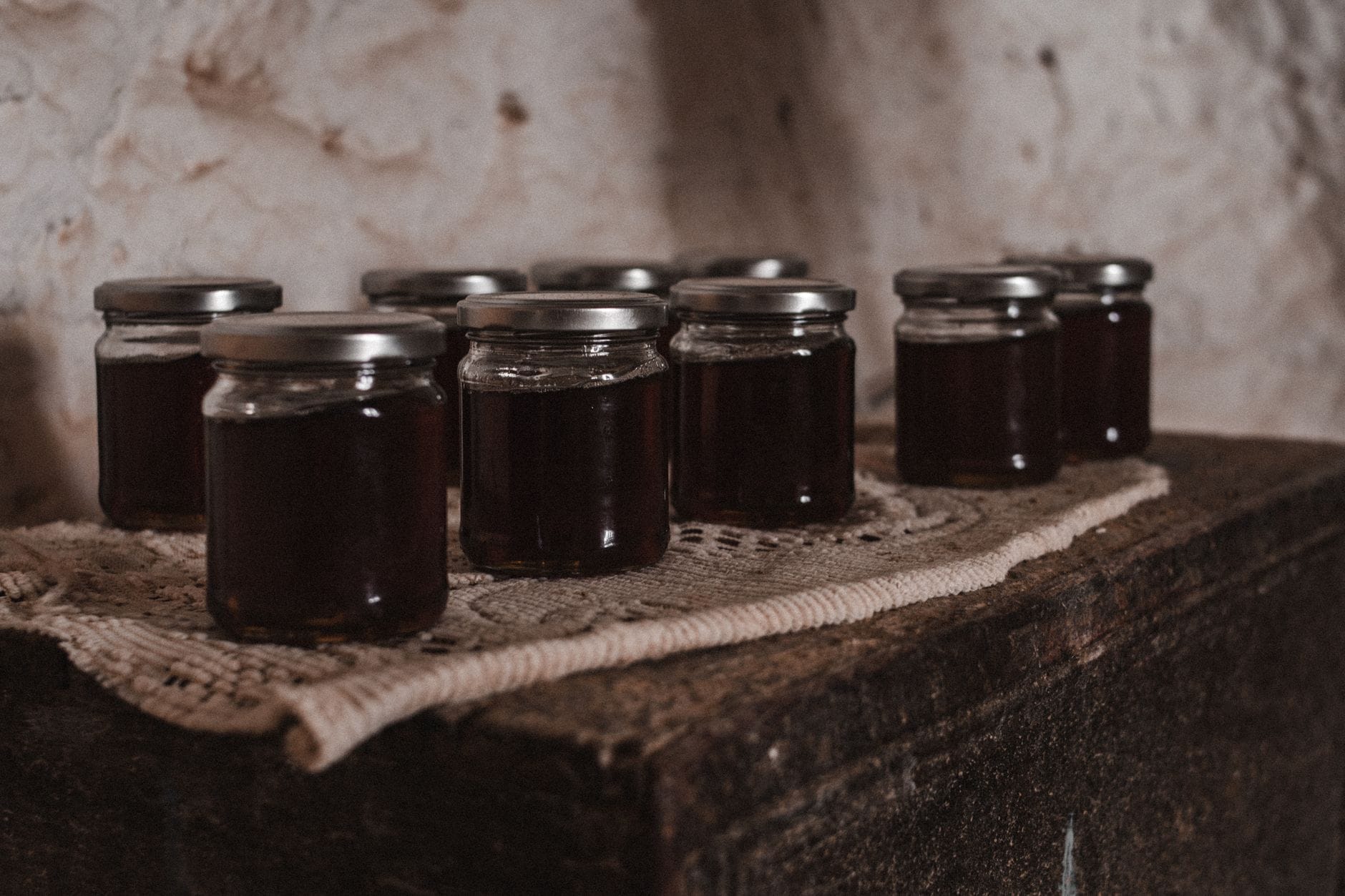
Pack the onions tightly into sterilised jars and pour over the cold spiced vinegar so they're fully submerged, with no air pockets.
- 6
Seal with vinegar-proof lids, label, and store somewhere cool and dark.
- 7
Leave to mature for at least 4 to 6 weeks before opening.
Cook’s notes
- Hands-on time is about 30 minutes; the rest is the salt and the vinegar doing their work.
- A universal quick-pickle brine for any veg: equal parts vinegar and water, plus 1 tablespoon each of salt and sugar per 240ml of vinegar. Warm to dissolve, pour over sliced raw veg like cucumber, carrot, radish or red onion, cool and refrigerate; it's ready the next day and keeps 3 to 4 weeks.
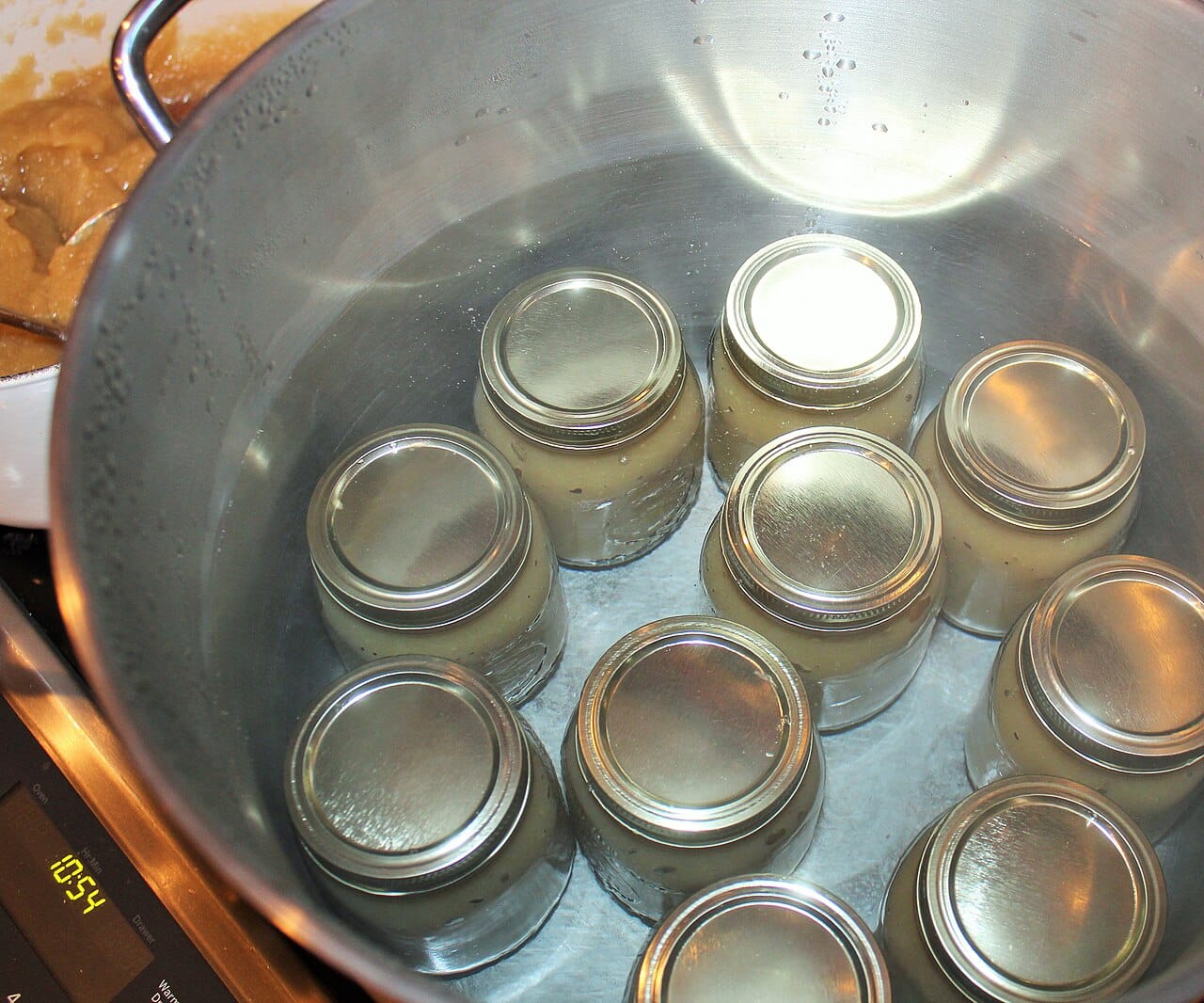
- Sterilise jars in a 140°C oven for about 15 minutes, or a hot dishwasher cycle, and fill while still warm.
- Use vinegar-proof (plastic-lined) lids. Bare metal corrodes and taints the pickle.
- Cold vinegar gives a crisp, crunchy onion; pour it hot if you prefer a softer, mellower pickle.
- Small, firm onions stay crunchy; larger ones go soft, so don't skip the salting if you want crunch. Eat within a year and refrigerate after opening.
What you’ll need
- Large bowl, for salting
- Pan, to warm the spiced vinegar
- Sterilised jars with vinegar-proof lids
Troubleshooting
The onions have gone soft.
Use small firm onions, salt them overnight to draw out the water, and cover them with cold, not hot, vinegar.
It's too sharp and harsh.
Give it the full 6 weeks to mature, and add a little sugar or honey to the vinegar if you like.
The vinegar's gone cloudy.
Switch to pickling or pure sea salt rather than iodised table salt, and use distilled malt vinegar; hard tap water can also cloud it.
The onions are shrivelled or hollow.
You over-salted or brined too long. Keep to about 50g salt per kilo and rinse well before jarring.
There's mould or spoilage.
Keep the onions fully submerged, sterilise the jars properly, and use non-corroding vinegar-proof lids.
More about pickling
How vinegar preserves. Pickling works by acidity. Malt vinegar is around 5 per cent acetic acid, which lowers the pH below the level most spoilage bacteria and moulds can survive. Onions kept fully submerged in it stay safe for months without refrigeration.
Why you salt first. Salt pulls water out of the raw onion by osmosis. Less water inside means the onion stays firm and crunchy, and the vinegar isn't diluted in the jar. This is the single biggest factor in a crisp pickle rather than a soft one.
Cold versus hot pickling. Cold, unheated vinegar keeps the maximum crunch and is the traditional British way with onions. A hot brine poured over the veg softens the texture and speeds up the flavour, which is better for quick pickles and for anyone who likes a mellower bite.
The universal quick-pickle ratio. Almost any vegetable can be quick-pickled with roughly equal parts vinegar and water, plus about a tablespoon each of salt and sugar per 240ml of vinegar. Warm it to dissolve, pour over raw veg, cool and refrigerate. These fridge pickles are ready in a day and keep 3 to 4 weeks, because the fridge does the preserving that the higher acid does in a shelf-stable jar.
Spiced vinegar is the flavour engine. The classic taste comes from steeping malt vinegar with pickling spice: mustard, coriander, allspice, pepper, cloves, bay and chilli. Steep and strain for a clean jar, or drop loose spice straight in for a rustic look.
Time finishes the job. Freshly jarred onions taste harshly of raw vinegar. Four to eight weeks of maturing lets the acid mellow and the spice work its way in; the patience is part of the recipe, not an optional extra.
Frequently asked questions
Kit for this job (Ad)

0.35 Litre Breakfast Jar Set with Stainless Steel Spoon and Measuring Lid Perfect for Overnight Oats, Yogurt, Smoothie Bowls, Granola, Chia Pudding
Check price on Amazon →
Pisol Wide Mouth Versatile Funnel, Canning Funnels for Kitchen Use, Food Grade Plastic Cooking Funnel Set with 4 Size Spouts and 2 Strainers for Filling Different Bottles and Bags, Grey
Check price on Amazon →
Clip Top Jar 2 Litre (2000ml) Airtight Glass Storage Jar for Preserving Fruits Vegetables Coffee Tea Rice Flour Nuts Pasta | Preserves fruits, vegetables, coffee, tea, rice, flour, pasta, and dry ingredients to prevent food spoilage and waste.
Check price on Amazon →
Universal Jar Push-Top Lid 2 Litre Glass Food Container with Silicone Seal Kitchen Pantry Storage for Dry Food Biscuits Sweets and Treats
Check price on Amazon →We may earn a small commission, at no cost to you. We only list kit we'd use.
Written by
UK Homesteading Team
Editorial team
The UK Homesteading editorial team, offering UK-specific, evidence-led guidance on growing, keeping, preserving and the law.