Marmalade is a January ritual worth keeping. For a few weeks in the depths of winter, bitter Seville oranges appear in the shops, and they make a marmalade with a depth and a proper set that sweet oranges simply can't match.
At its most relaxed it's a two-day job, but almost all of that is the pan doing the work while you get on with something else. Get the peel properly soft before the sugar goes in and the rest looks after itself. The recipe is below, with more on why Sevilles and how the set works underneath it.
How to Make Marmalade: A UK Seville Orange Guide
Makes About 6 × 450g jars
Prep
30 min
Cook
2 hr 30 min
Total
3 hr
Makes
About 6 × 450g jars
Ingredients
Fruit & liquid
To preserve
Method
- 1
Scrub the oranges and pull off the little hard stalk buttons. Halve them and squeeze out the juice, keeping it to one side, and fish out the pips and any loose membrane as you go.
- 2
Tie the orange pips, any loose pith and the lemon pips into a square of muslin. This is your pectin bag, and it's what sets the marmalade without any shop-bought pectin.
- 3
Cut the peel into shreds as thick or as fine as you like your marmalade. Decide now, because the peel won't change once it's cooked.
- 4
Put the peel, the reserved orange and lemon juice, the water and the muslin bag into a large pan. If you have time you can leave it to soak overnight at this point to soften the peel, but it isn't essential.
- 5
Bring to the boil, then turn it down and simmer gently, partly covered, for 1½ to 2 hours, until the peel is completely soft and squashes easily between your fingers and the liquid has reduced by about a third.
- 6
Lift out the muslin bag and leave it until it's cool enough to handle, then squeeze it hard over the pan. The thick, jelly-like liquid that comes out is concentrated pectin, so don't waste it.
- 7
Add the sugar and stir it in over a low heat until every grain has dissolved. Don't let it boil until it has, or the marmalade can turn grainy.
- 8
Now bring it up to a hard, rolling boil. After about 10 minutes, start testing for a set, then test again every few minutes.
- 9
To test, drop a little onto a chilled saucer, wait a moment, then push it with a fingertip; if it wrinkles, it's ready. On a thermometer, setting point is 104.5 to 105°C. Take the pan off the heat while you test so it doesn't overcook.
- 10
Take the pan off the heat and stir in the knob of butter to clear any scum. Leave it to rest for 10 to 15 minutes so the peel settles evenly instead of floating to the top.
- 11
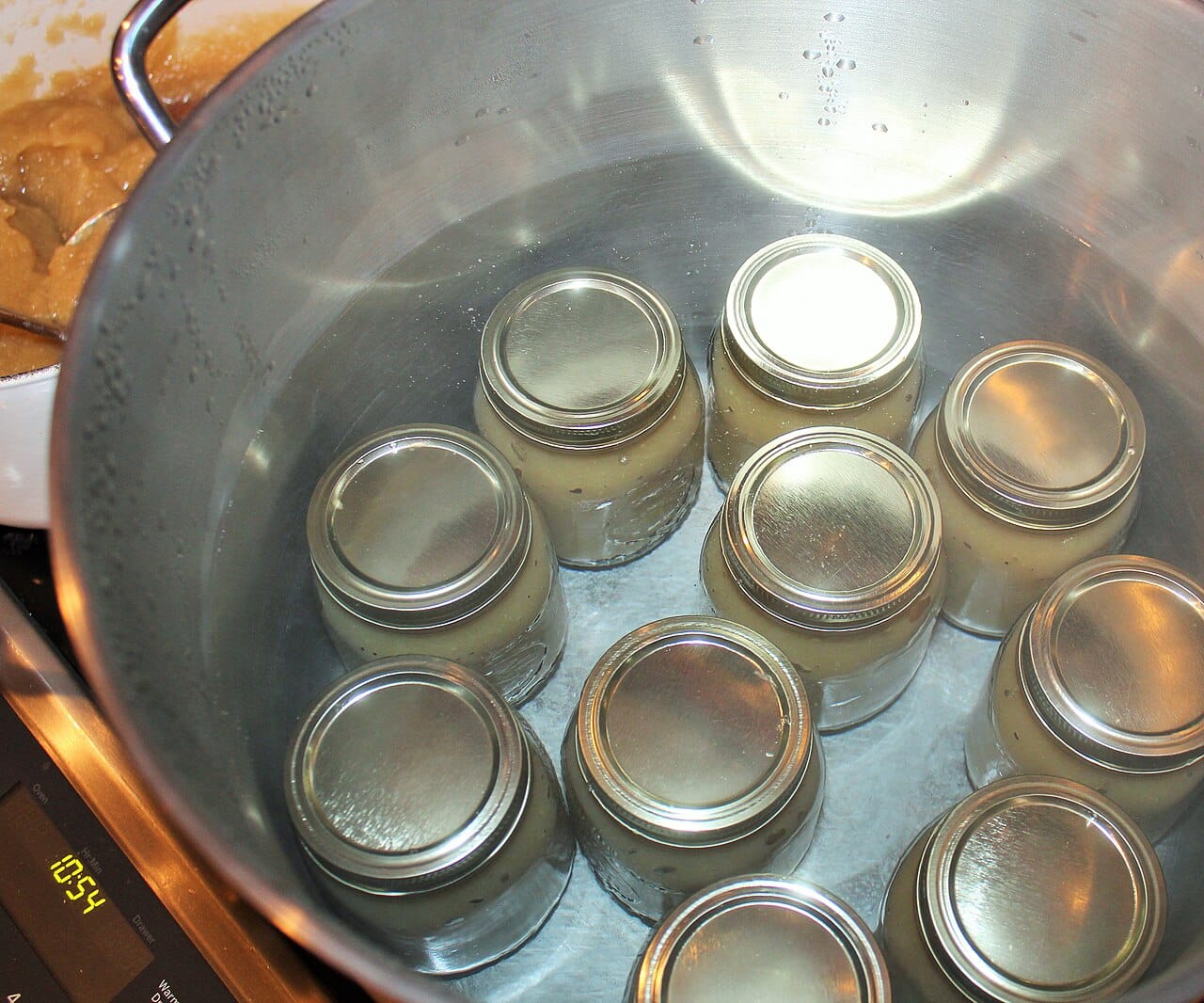
Pot into hot, sterilised jars, filling them right to the brim, and seal straight away.
Cook’s notes
- Season: fresh Seville oranges are only around for a short window, roughly January into February, so buy them the moment you see them.
- Freeze the glut: Sevilles freeze whole, so bag up a kilo or two and make marmalade any time of year. Add an extra lemon, as freezing can knock the pectin back a little.
- Sugar: granulated or preserving sugar gives the cleanest colour and flavour. Don't use jam sugar with added pectin here, as Sevilles are already very high in pectin and it can give a stiff, cloudy set. Demerara makes a darker, more caramel marmalade if that's what you're after.
- Sterilise your jars: wash them and heat in a 140°C oven for about 15 minutes, or run them through a hot dishwasher cycle, and fill them while still warm.
- Chill your saucers first: pop a couple in the freezer before you start, and take the pan off the heat whenever you test, so you catch the set at the right moment rather than overshooting it.
What you’ll need
- Large preserving pan or your biggest heavy pan
- A square of muslin, for the pips and pith
- Sugar thermometer, optional but handy
- 6 clean 450g jars with lids
- A couple of saucers, chilled, for the set test
Troubleshooting
It won't set.
Usually it was potted before the pectin was properly extracted, or before it reached setting point. Bring it back to a hard boil and test again, add the juice of one or two more lemons for extra pectin and acid, and check you're hitting 104.5 to 105°C.
It's gone dark and bitter.
The sugar has caramelised from boiling too long or too fiercely. Use granulated rather than demerara, and stop the moment it reaches setting point; the final boil should be hard but brief.
The peel is tough and chewy.
The sugar went in before the peel was soft. Peel only softens during the first, sugar-free simmer, so always cook it until truly tender before the sugar goes anywhere near it.
It's crystallised and grainy.
The sugar wasn't fully dissolved before it came to the boil, or it over-boiled. Dissolve it completely over a low heat first, and a squeeze of lemon helps keep the crystals away.
All the peel floated to the top of the jars.
It was potted while too hot and thin. Let it rest for 10 to 15 minutes until a light skin forms, give it a gentle stir, then pot.
The know-how behind a good marmalade
Why Seville oranges. Sevilles are bitter, sour and intensely aromatic rather than sweet, and they're exceptionally high in both pectin and acid, the two things a marmalade needs to set. Sweet eating oranges give a sloppy, disappointing set by comparison, which is why the short Seville season is worth catching.
Where the set comes from. Most of the fruit's pectin lives in the pips, membranes and white pith, not the flesh. That's why they go into a muslin bag, get simmered, and then squeezed hard: the thick jelly you press out is pure natural pectin, and doing it properly means you'll never need a jar of shop-bought pectin. The lemon earns its place too, adding the acid that lets the pectin gel and helping keep the marmalade from crystallising.
Setting point is a moment, not a guess. At around 104.5 to 105°C the sugar is concentrated enough for the pectin to gel. The chilled-saucer wrinkle test is simply the thermometer-free way of catching that same moment, which is why it's worth chilling a couple of saucers before you start.
Why two stages matter. The long, gentle, sugar-free simmer is all about softening the peel and drawing out the pectin. The short, hard boil with the sugar is only about reaching set. Add the sugar too early and the peel stops softening for good, which is the single most common reason a homemade marmalade comes out tough. And because sugar caramelises with long, fierce boiling, that final stage should be hard but brief; overcooking is what turns a marmalade dark, bitter and stiff.
Your shred, your marmalade. Thin-cut, medium or thick chunky peel is entirely down to you, but decide it at the chopping board. The peel is locked in at the thickness and tenderness it has when the sugar goes in, so there's no changing it later.
Frequently asked questions
Kit for this job (Ad)

The Complete Guide to Pressure Canning: Everything You Need to Know to Can Meats, Vegetables, Meals in a Jar, and More
Check price on Amazon →
The Amish Canning Cookbook: Plain and Simple Living at Its Homemade Best
Check price on Amazon →
Tala Jam Straining Set Reusable Nylon Straining Bag with Sturdy Chrome Stand for Jam, Jelly & Preserves, Ideal for Removing Seeds, Pips & Pulp, Perfect for Homemade Seedless Jam Making
Check price on Amazon →
KitchenCraft Jam Pan for Induction Hob with Recipe in Gift Box, Home Made Maslin, Stainless Steel, 4.5 Litre, Silver
Check price on Amazon →We may earn a small commission, at no cost to you. We only list kit we'd use.
Written by
UK Homesteading Team
Editorial team
The UK Homesteading editorial team, offering UK-specific, evidence-led guidance on growing, keeping, preserving and the law.