Piccalilli is the bright yellow mustard pickle that makes cold cuts, a pork pie or a lump of cheddar sing. Crisp vegetables in a sharp, turmeric-gold sauce, it's a proper British larder staple and easier to make than it looks.
Two things matter: keeping the vegetables crunchy, which a good salting does, and giving the finished jars a few weeks to mellow before you dig in. The recipe is below, with more on why it works underneath it.
How to Make Piccalilli: A Classic UK Recipe
Makes About 3 × 340g jars
Prep
30 min
Cook
20 min
Total
50 min
Makes
About 3 × 340g jars
Ingredients
Vegetables (about 1kg prepared)
For salting
The sauce
Spice paste
Method
- 1
Toss all the prepared vegetables with the salt in a large non-metallic bowl. Cover and leave in a cool place for 24 hours; the salt draws out water and keeps them crisp.
- 2
Tip the vegetables into a colander, rinse thoroughly under cold water, then drain really well and pat dry. Surface water is what dilutes the sauce, so be thorough.
- 3
Make a smooth paste by whisking the cornflour, mustard powder, turmeric, cumin, coriander and ginger with about 100ml of the vinegar taken from the total.
- 4
Put the rest of the vinegar, the sugar, honey and mustard seeds in a large pan and bring to the boil, stirring to dissolve the sugar.
- 5
Whisk the spice paste into the hot vinegar, bring back to the boil and simmer for 3 to 4 minutes, until glossy and thick enough to coat the back of a spoon.
- 6
Fold in the drained vegetables and warm through for a minute or two only. They should stay crisp, not soften.
- 7
Pack hot into warm, sterilised jars, pressing down to knock out air pockets, and seal with vinegar-proof lids.
- 8
Store somewhere cool and dark and leave to mature for at least 4 weeks, ideally 6, before opening.
Cook’s notes
- Maturing is not optional. Straight from the pan piccalilli is harsh and raw; over 4 to 6 weeks the mustard, turmeric and vinegar marry into a rounded, savoury tang.
- Use vinegar-proof (plastic-lined) lids or a waxed disc. Bare metal corrodes against the acid and taints the pickle.
- Keep cauliflower as the base, but the rest is flexible to the 1kg total: carrot, pepper, romanesco or the classic nasturtium seed pods all work. Avoid soft, watery veg like tomato flesh.
- For a thicker set, add 10g more cornflour; for a looser relish, drop to 20g.
- Cider vinegar gives a mellow result; malt gives the darker, chip-shop tang. Any vinegar at 5% acidity or more keeps it safely.
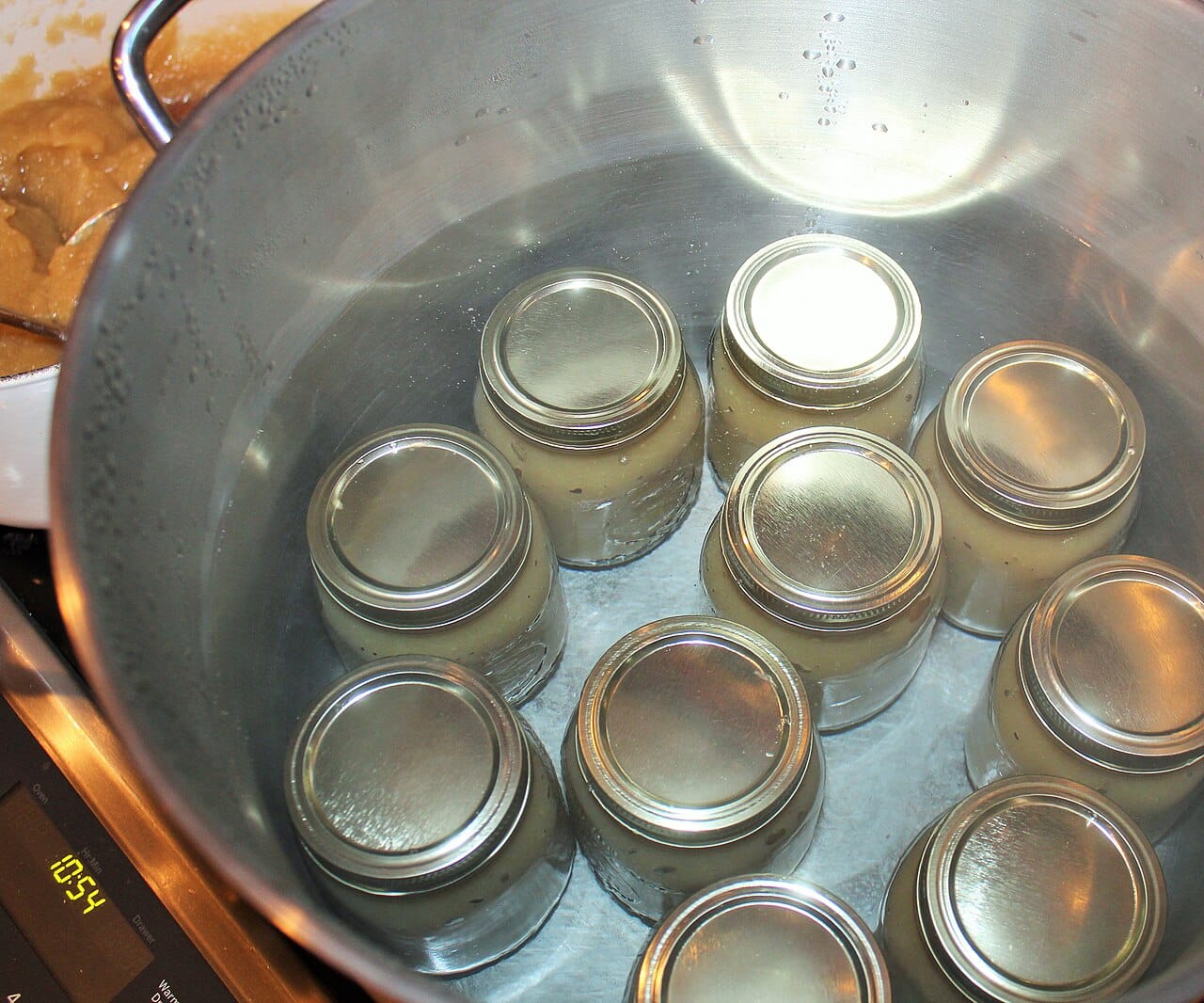
- Sterilise jars in a 140°C oven for 20 to 30 minutes and fill while both jars and pickle are hot. Unopened it keeps about a year; refrigerate after opening.
What you’ll need
- Large non-metallic bowl, for salting
- Colander
- Large stainless-steel or enamel pan
- 3 warm sterilised jars with vinegar-proof lids
Troubleshooting
The sauce is too thin and won't set.
The vegetables went in wet. Drain them harder next time, and boil the sauce a couple of minutes longer before folding the veg in.
It tastes raw and floury.
The thickener wasn't cooked out. Simmer the paste the full 3 to 4 minutes, a little longer if you use plain flour instead of cornflour.
The sauce went lumpy.
Dry spices were added straight to hot liquid. Always slake them into a cold vinegar paste first.
The vegetables have gone soft.
They were cooked too long. Only warm them through in the sauce; the sauce coats, the salt and vinegar preserve.
The lid has corroded.
Acid attacked bare metal. Switch to vinegar-proof lids or use a waxed disc under the lid.
More about piccalilli
What it actually is. Piccalilli is a British mustard pickle, an Anglo-Indian invention of crisp vegetables suspended in a bright, mustard-and-turmeric spiced vinegar. It's the traditional partner to cold ham, pork pie and a strong cheese.
Why the turmeric and mustard. Turmeric gives piccalilli its glowing yellow colour and an earthy, faintly bitter warmth, while English mustard powder and seeds supply the sharp heat that defines it. Piccalilli is to mustard what chutney is to dried fruit.
Why you salt the vegetables first. A 24-hour salting draws water out of the raw veg. That does two jobs at once: it keeps them firm and crunchy in the finished pickle, and it stops that water leaking out later and thinning the sauce.
Why the veg is barely cooked. Piccalilli is prized for its crunch, so unlike a soft, long-cooked chutney the vegetables are only warmed through. The vinegar and salt do the preserving; the sauce just coats.
Why the sauce is thickened. Cornflour turns thin spiced vinegar into a sauce that clings to every piece, which is why piccalilli holds together on a fork rather than running off like a brine.
Chutney versus piccalilli. Both are vinegar preserves, but chutney is soft, sweet, long-cooked and fruit-based, while piccalilli is crisp, sharp, barely cooked and built on mustard and turmeric.
Frequently asked questions
Kit for this job (Ad)

0.35 Litre Breakfast Jar Set with Stainless Steel Spoon and Measuring Lid Perfect for Overnight Oats, Yogurt, Smoothie Bowls, Granola, Chia Pudding
Check price on Amazon →
Clip Top Jar 2 Litre (2000ml) Airtight Glass Storage Jar for Preserving Fruits Vegetables Coffee Tea Rice Flour Nuts Pasta | Preserves fruits, vegetables, coffee, tea, rice, flour, pasta, and dry ingredients to prevent food spoilage and waste.
Check price on Amazon →
Universal Jar Push-Top Lid 2 Litre Glass Food Container with Silicone Seal Kitchen Pantry Storage for Dry Food Biscuits Sweets and Treats
Check price on Amazon →
Glass Jars with Airtight Metal Clip Lid - 350ml/12.3oz - 6 Pack - 4 Colour Seals - Medium Kitchen Storage Container Round Preserving Jar for Pickling, Chutney, Jam, Coffee
Check price on Amazon →We may earn a small commission, at no cost to you. We only list kit we'd use.
Written by
UK Homesteading Team
Editorial team
The UK Homesteading editorial team, offering UK-specific, evidence-led guidance on growing, keeping, preserving and the law.