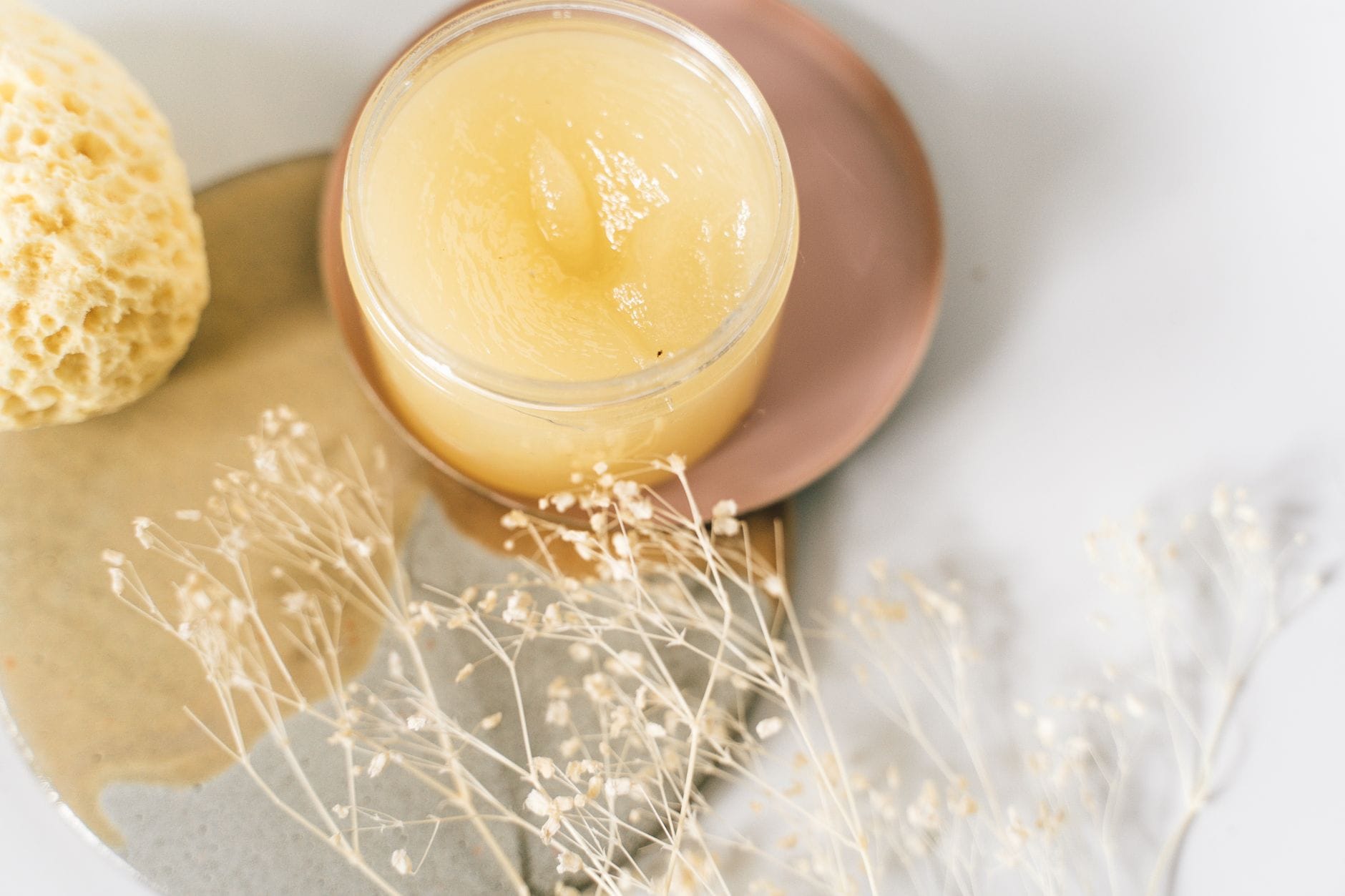
Bramble jelly is the reward for an afternoon in the hedgerows. Free blackberries, a cooking apple or two for a good set, and you have a glowing, seedless preserve that beats anything on a supermarket shelf.
The one rule that really matters is patience: let the fruit drip through the jelly bag on its own, without squeezing, and you get a clear, jewel-bright jelly. The recipe is below, with more on how the set works underneath it.
How to Make Bramble Jelly: A UK Blackberry Recipe
Makes About 4 to 5 × 200g jars
Prep
15 min
Cook
40 min
Total
55 min
Makes
About 4 to 5 × 200g jars
Ingredients
The fruit
For setting
Method
- 1
Scald your jelly bag or a large square of muslin in boiling water and set it over a big bowl.
- 2
Put the blackberries, chopped apple and water in a large pan. Don't peel or core the apples; the pectin that sets the jelly lives in the skin, core and pips.
- 3
Bring to a simmer and cook gently for 25 to 30 minutes, until all the fruit is completely soft and collapsed. Crush it with a masher to release as much juice as you can.
- 4
Ladle the pulp into the jelly bag and leave it to drip for 8 hours or overnight. However tempting it is, do not squeeze or press the bag, or the jelly will turn cloudy.
- 5
Measure the strained juice, then weigh out 450g of sugar for every 600ml of juice.
- 6
Pour the juice back into a clean pan, add the sugar and the lemon juice if using, and stir over a low heat until every grain of sugar has dissolved.
- 7
Turn up the heat and bring to a hard, rolling boil. Start testing for a set after about 8 minutes.
- 8
To test, spoon a little onto a chilled saucer, leave it a moment, then push it with a fingertip. If it wrinkles, it's ready. On a thermometer, setting point is 104.5 to 105°C.
- 9
Skim off any scum, then pot into hot, sterilised jars and seal straight away.
Cook’s notes
- Weigh the sugar against the juice, never the raw fruit. The 450g per 600ml ratio is what the set depends on.
- A handful of slightly under-ripe berries carries more pectin than glossy, over-ripe ones and helps a shy batch to set.
- Warm the sugar in a low oven before you add it; it dissolves faster and doesn't stall the boil.
- Bramble jelly is meant to be low-yield. You throw the pulp away, so a lot of fruit makes only a few jars, and that's the trade for a crystal-clear preserve.
- Sterilise jars in a 140°C oven for about 15 minutes, or a hot dishwasher cycle, and fill them while still warm.
What you’ll need
- Large preserving pan
- Jelly bag or a square of muslin
- A large bowl to catch the juice
- Sugar thermometer, optional
- A couple of saucers, chilled, for the set test
Troubleshooting
It won't set.
The juice was low in pectin or acid, or it didn't boil for long enough. Return it to the pan, add the juice of a lemon, and boil again to 105°C before re-testing on a cold plate.
The jelly turned cloudy.
The bag was squeezed or pressed, which forces fine pulp through. It's still perfectly good to eat; for a brighter batch next time, let it drip untouched.
It set rock hard and rubbery.
It boiled past setting point. Pull the pan off the heat the moment the plate test wrinkles. A stiff batch can be gently melted down again with a splash of water.
It's gone grainy in the jar.
Too much sugar or over-boiling. Stick to the 450g per 600ml ratio and stop at setting point; a squeeze of lemon helps.
There's scum set into the jelly.
Skim well after boiling, and a small knob of butter stirred in helps disperse the last of it before you pot up.
More about bramble jelly
Why you never squeeze the bag. Pressing the jelly bag forces fine fruit solids through the muslin and clouds the jelly. A clear, jewel-bright set is worth the little extra juice you leave behind, so let it drip under its own weight and walk away.
Where the set comes from. Blackberries are only borderline for pectin, and worse late in the season, so a firm set usually needs a hand. The most natural route is a cooking or crab apple or two, whose skins, cores and pips are rich in pectin. A squeeze of lemon adds the acid that helps the pectin bond, which is why very ripe, acid-light fruit often refuses to set.
Early berries versus late. The first blackberries of the season carry more pectin and acid than the soft, sugary fruit picked in October, so later batches lean harder on the apple or the lemon.
The science of the set. Setting point is around 104.5 to 105°C, the temperature at which enough water has boiled off for the sugar and pectin to form a gel. The wrinkle test on a cold saucer is simply the practical way to catch that same moment without a thermometer.
Testing the pectin first. If you want to know whether a batch will set before you commit the sugar, stir a teaspoon of the cooled juice into two teaspoons of methylated spirit. A firm clot means plenty of pectin; a weak, stringy one means it needs an apple or a lemon.
Frequently asked questions
Kit for this job (Ad)

Tala Jam Straining Set Reusable Nylon Straining Bag with Sturdy Chrome Stand for Jam, Jelly & Preserves, Ideal for Removing Seeds, Pips & Pulp, Perfect for Homemade Seedless Jam Making
Check price on Amazon →
KitchenCraft Jam Pan for Induction Hob with Recipe in Gift Box, Home Made Maslin, Stainless Steel, 4.5 Litre, Silver
Check price on Amazon →
Kilner 8 Litre Stainless Steel Preserving Pan with Encapsulated Base Ideal for Jam, Chutneys, Soups and Stews | Simmers large batches of homemade jams, chutneys, soups and stews evenly with efficient heat distribution.
Check price on Amazon →
Nut Milk Bag Strainer with Stand, Strainers Fine Mesh Bags, Jelly strainer, Reusable Cheese Cloth Bag for Straining for Filter Juices, NutMilk, Cheese, Honey, Butter, S
Check price on Amazon →We may earn a small commission, at no cost to you. We only list kit we'd use.
Written by
UK Homesteading Team
Editorial team
The UK Homesteading editorial team, offering UK-specific, evidence-led guidance on growing, keeping, preserving and the law.