Few things say late summer in Britain quite like a stained purple thumb and a lunchbox of blackberries. Brambles grow almost everywhere, the fruit is free, and picking it is often the very first foraging most of us ever do. This is one wild food you can gather with real confidence, and this guide walks you through spotting it, picking it well, and turning your haul into something worth the scratches.
What exactly is a bramble?
"Bramble" and "blackberry" are two names for the same plant. Botanically it is Rubus fruticosus, a native scrambling, thorny shrub that thrives in hedgerows, woodland, grassland, scrub and waste ground right across the UK. The Woodland Trust describes it as growing "almost anywhere," and anyone who has tried to keep it out of a garden will agree.
One quirk worth knowing: the blackberry is not really a single tidy species but an aggregate of hundreds of very similar microspecies, which is why botanists often write it as Rubus fruticosus agg. In practice this simply means the berries you pick from one hedge might be a touch sweeter, larger or earlier than those from the hedge down the lane. For the forager it changes nothing. They are all blackberries, and they are all good.
The plant sends up long, thorny, arching stems, called canes, that can reach two metres or more and often loop back down to root where they touch the ground. That scrambling habit is how a single plant becomes a dense, prickly thicket.
How do you identify blackberries safely?
The single best thing about foraging blackberries is that there is very little that can go wrong. Even so, the golden rule of all foraging still applies: only ever eat something wild once you are completely certain what it is. With brambles, certainty comes quickly.
Here is what to look for, drawing on the Woodland Trust's identification guide:
- Stems (canes): long, arching and covered in sharp, hooked thorns.
- Leaves: compound, made up of three or five oval, serrated leaflets, dark green on top and paler underneath, with prickles running along the stalks and mid-ribs.
- Flowers: clusters of pretty five-petalled flowers, white or pink, appearing through the summer.
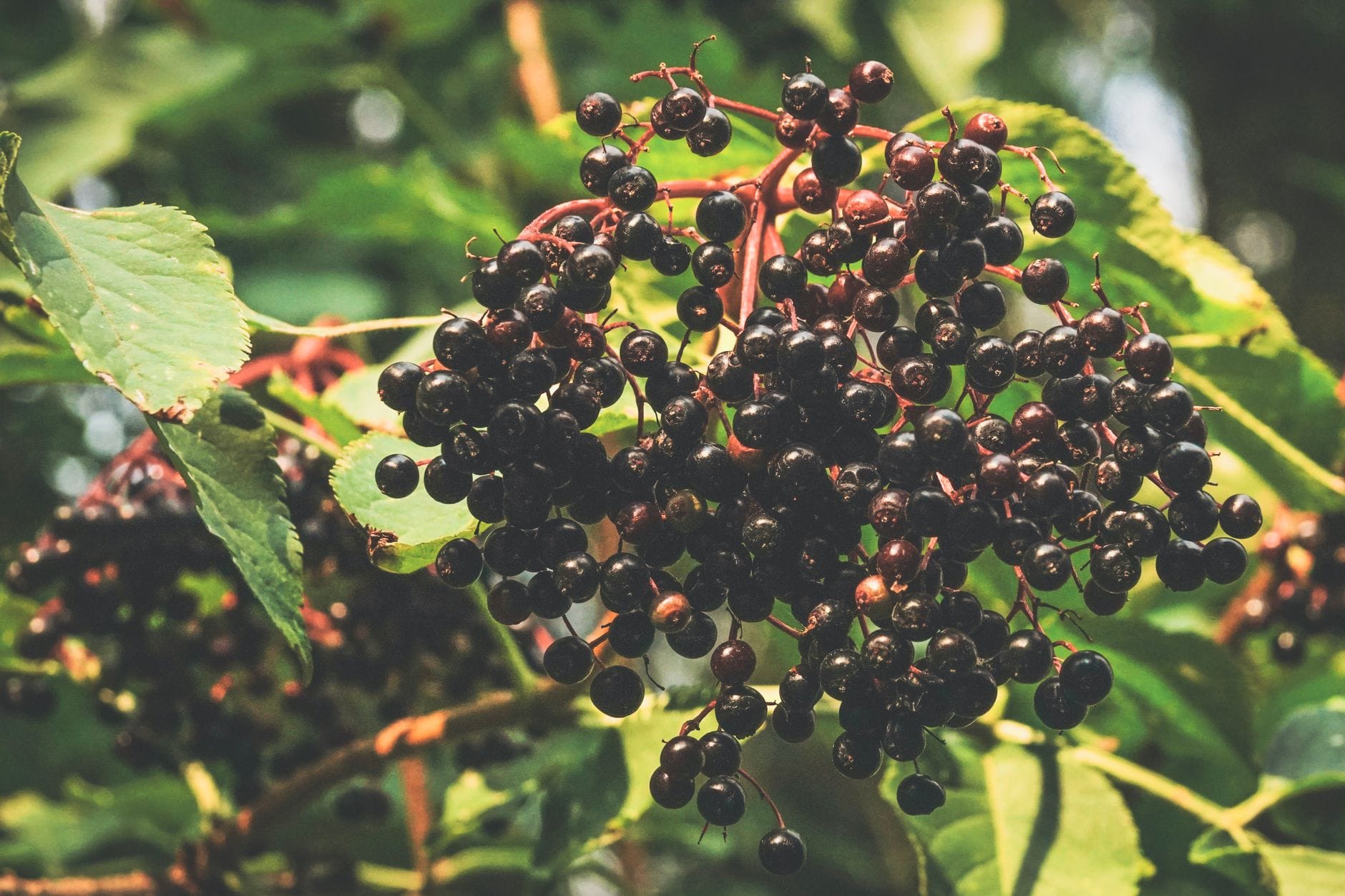
- Berries: aggregate fruits made of many tiny segments, ripening in stages from green to red to deep purple and finally to a glossy black.
When should you pick blackberries?
Blackberry season runs from roughly late July, builds to its peak through August and September, and tails off into October. You are picking the berries that have turned fully, glossily black and that come away from the plant with the lightest pull. If a berry is still red or purple, or if you have to tug, it is not ready.
A little insider knowledge makes every trip more rewarding. On each cluster, the berry right at the tip ripens first, and it is the biggest and sweetest of the lot. Foragers sometimes call it the "eye" berry. Take those first, then come back to the same hedge a few days later for the next wave, because the fruit ripens in relays rather than all at once.
The berry at the very tip of each cluster ripens first, and it is the plumpest and sweetest of all. Eat that one on the spot.
The Michaelmas rule and the devil's spit
There is a long-standing British piece of folklore that you should stop picking blackberries after Michaelmas, around 29 September (or Old Michaelmas Day, 10 October, after the calendar changed in 1752). The story goes that when the devil was cast out of heaven he landed in a bramble bush, and in his fury he spat on the berries, or did something a good deal ruder, cursing them from that day on.
Like a lot of folklore, it hides a practical truth. As autumn draws in, the later berries genuinely do go over. Cooler, wetter weather leaves them waterlogged, mould and fungus set in, and insects get to them, so the fruit turns mushy, sour and unappealing. The lesson holds even if you do not believe in the devil: the best blackberries are the early-autumn ones, and by mid-October it is usually time to stop.
Where to pick, and the cautions that matter
Brambles are so common that the real skill is choosing a good, clean patch rather than finding one at all. A few sensible cautions:
- 1
Skip the busy roadsides
Berries growing right beside a busy road can carry traffic grime and exhaust residue. Pick from quieter lanes, footpaths, woodland edges and field margins instead, and give any fruit from near a road a good wash before use.
- 2
Avoid low, dog-height fruit
Leave the berries within a dog's cocking range near paths and popular walking spots. Reach for the fruit higher up the bush, out of splash range.
- 3
Steer clear of sprayed verges
Council and farm verges are sometimes treated with weedkiller. If a stretch of hedge looks yellowed, scorched or recently cut back, move along to a healthier patch.
- 4
Leave plenty behind
Blackberries feed birds, mammals and insects heading into winter, and other people enjoy them too. Take what you will actually use and always leave a generous share.
How to pick blackberries well
None of this is complicated, but a few small habits mean you come home with better fruit and fewer scratches.
Wear long sleeves and sturdier trousers, because those hooked thorns will find bare arms and ankles every time. Take a container with a bit of structure, such as a tub or basket rather than a thin bag, so the berries at the bottom are not crushed to jam before you get home. Pick only clean, dry, fully ripe fruit; wet berries spoil faster and berries picked in the rain go mushy quickly.
Handle them gently. Ripe blackberries bruise easily, so drop rather than press them into your tub, and try not to pile them too deep. If you can, pick on a dry day after a run of fair weather, when the fruit is at its sweetest and least watery.
What to make with your blackberries
This is the happy part. A good haul of hedgerow blackberries is one of the most versatile free ingredients you will ever bring home.
- Blackberry and apple crumble or pie. The classic pairing, and for good reason. Blackberries and cooking apples are in season together, and the apple's structure balances the berries' softness. If you grow or store your own apples, our guide on how to store apples for winter helps you keep the pairing going for months.
- Bramble jelly and blackberry jam. Blackberries are naturally high in the tannins and acidity that help a preserve set, which makes them a rewarding fruit to turn into a glossy jar of jelly or jam. If you are new to it, our guide to making jam in the UK covers the setting point and sterilising that make all the difference.
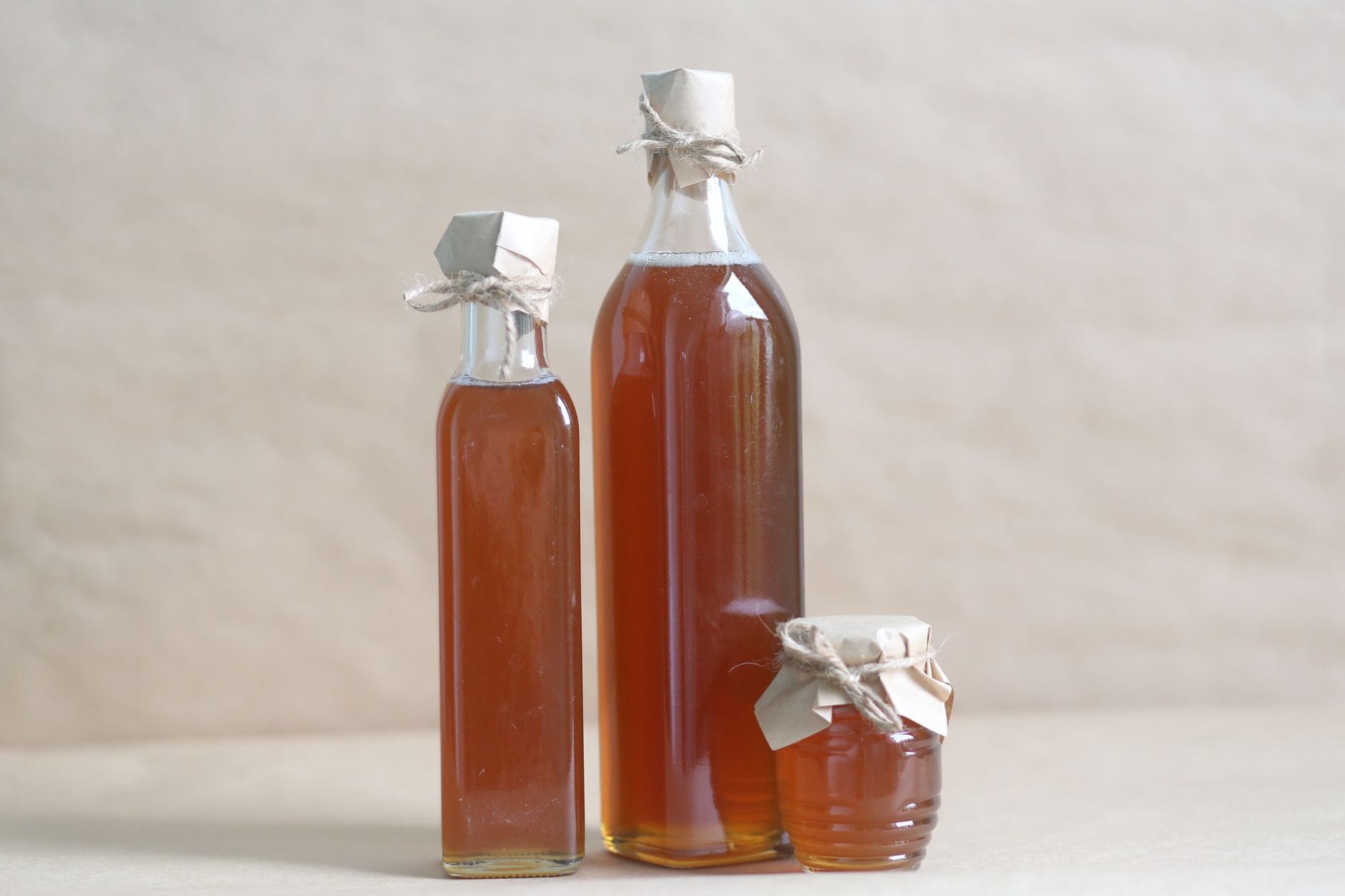
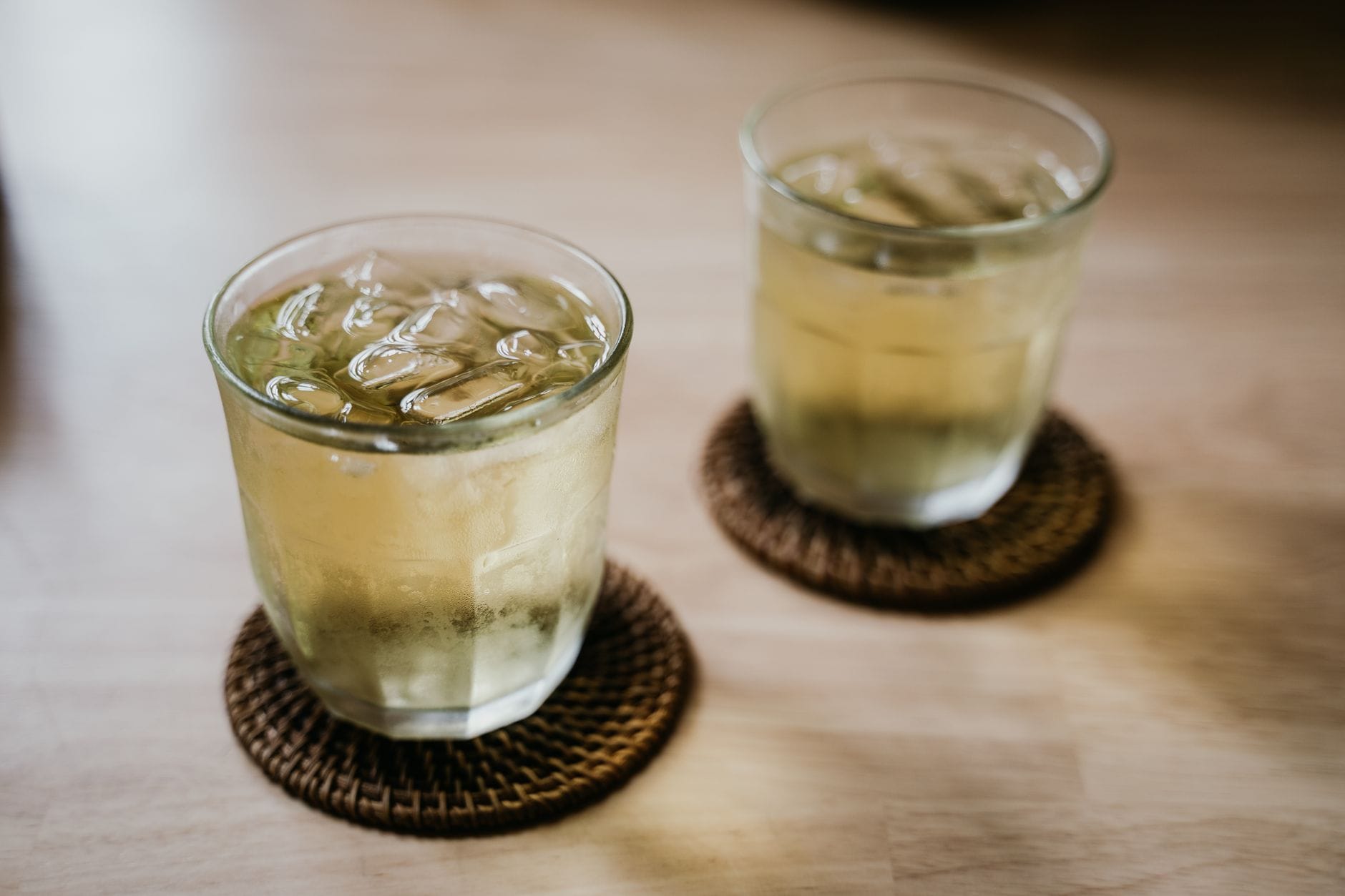
- Blackberry cordial. Simmer the berries with sugar and a little water, strain, and you have a deep-purple cordial for diluting with still or sparkling water, or drizzling over ice cream.
- Simple sauces and puddings. A quick blackberry sauce over vanilla ice cream, a summer pudding, or a handful stirred into porridge or a crumble topping all take minutes.
The wider joy of a free harvest
There is something quietly satisfying about feeding yourself from a hedge that belongs to no one and everyone. Blackberrying costs nothing but an afternoon, it gets you outdoors at the loveliest end of summer, and it turns an ordinary walk into a small harvest. It is also the perfect gateway forage: master the blackberry and you build the habits of careful identification, respectful picking and seasonal timing that carry over to every wild food you try next.
So take a tub, wear your old jumper, and go and get purple fingers while the season lasts. For more free food from the British countryside, browse the rest of our foraging guides.
Frequently asked questions
Sources
- Bramble (Rubus fruticosus) , Woodland Trust
- Easy blackberry recipes , Woodland Trust
- Blackberries and brambles , Woodlands.co.uk
Kit for this job (Ad)

Food For Free: The Best Non-Fiction Guide to Wildlife Foraging and Natural Recipes (Collins Gem)
Check price on Amazon →
The Forager's Calendar: A Seasonal Guide to Nature’s Wild Harvests
Check price on Amazon →
Canvas Foraging Pouch for Hiking, Collapsible Leather Belt Pouch Waist Bag with Drawstring & Buckle, Multi-Purpose Storage Bag for Outdoors Camping, Easy Looping Around Belts
Check price on Amazon →
Oval Traditional Wicker Shopping High Handle Basket Storage Basket (Medium)
Check price on Amazon →We may earn a small commission, at no cost to you. We only list kit we'd use.
Written by
UK Homesteading Team
Editorial team
The UK Homesteading editorial team, offering UK-specific, evidence-led guidance on growing, keeping, preserving and the law.