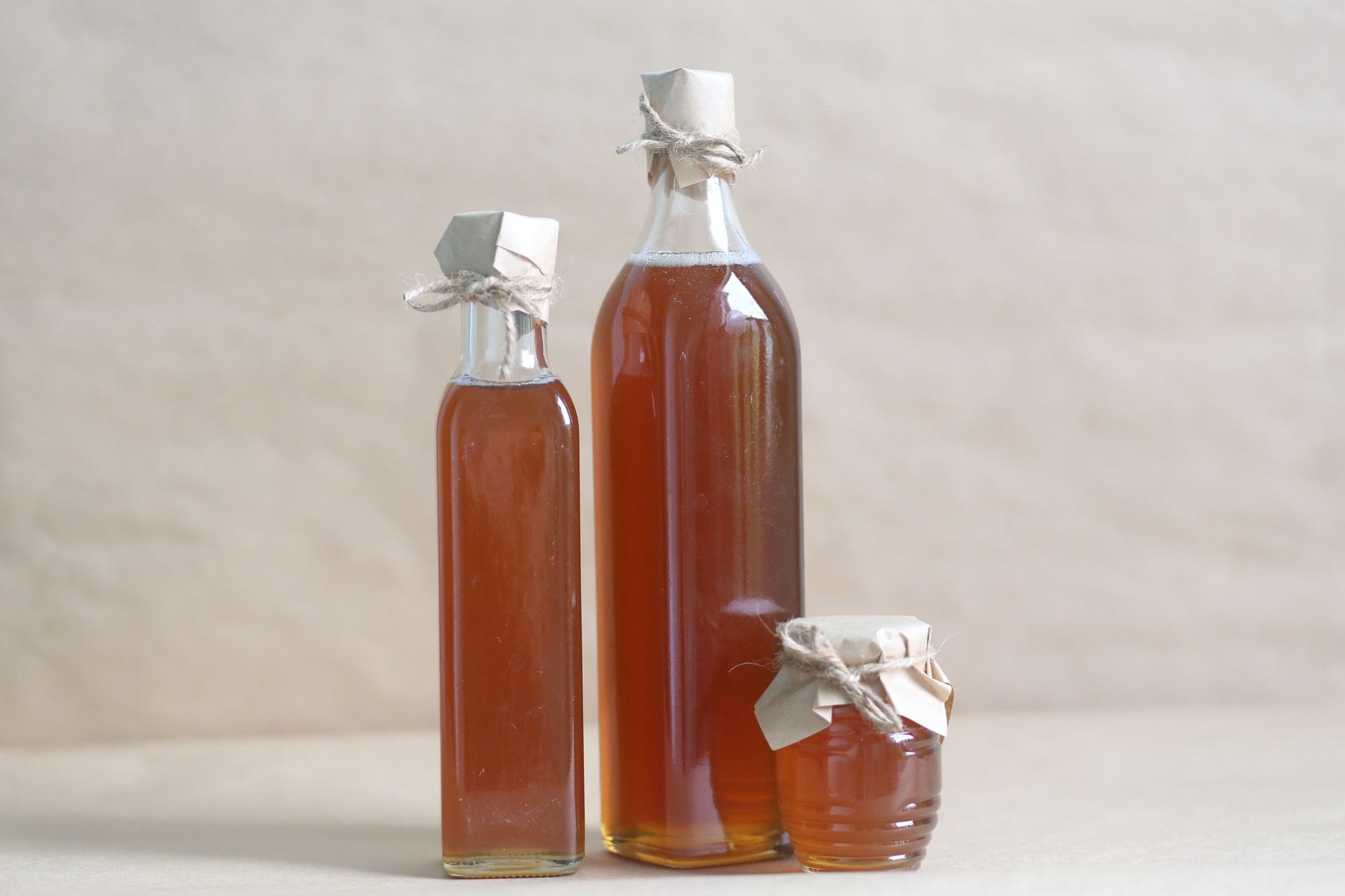
For a few weeks in early summer the hedgerows fill with creamy elderflower, and a couple of hours' work turns it into bottles of cordial that taste of June. It's one of the great free harvests of the year.
The knack is to pick the flowers fresh and dry and to steep rather than boil them, so you keep all that heady, muscat scent. The recipe is below, with more on picking and identifying elder underneath it.
How to Make Elderflower Cordial: A UK Foraging Recipe
Makes About 1.5 litres (2 to 3 bottles); needs a 24-hour steep
Makes
About 1.5 litres (2 to 3 bottles); needs a 24-hour steep
Ingredients
Method
- 1
Shake the flower heads gently to clear out any insects and trim off the thick green stalks. Don't wash them; the flavour lives in the pollen and washing rinses it away.
- 2
Pare the zest from the lemons and orange, then slice the fruit and set the juice aside.
- 3
Boil the water and pour it over the sugar in a large bowl, stirring until it has completely dissolved. Let it cool for a few minutes.
- 4
Stir in the citric acid, the zest, the sliced fruit and the citrus juice.
- 5
Push the flower heads down into the liquid so they're submerged, cover, and leave to steep somewhere cool for 24 hours, stirring now and then.
- 6
Strain through a scalded jelly bag or a double layer of muslin into a clean pan, and strain a second time if it looks cloudy.
- 7
Warm gently for a minute or two without boiling, then funnel the hot cordial into sterilised bottles and seal.
Cook’s notes
- Hands-on time is about 25 minutes, then it steeps for 24 hours.
- Where and when to pick: late May into June, mid-morning on a dry day once the dew has lifted. Choose hedgerows and field edges well away from busy roads and sprayed farmland.
- Sterilise bottles in a 140°C oven for about 15 minutes, or a hot dishwasher cycle, and fill while both bottle and cordial are hot.
- Freeze the surplus: with only a few weeks' fridge life, freeze cordial in ice-cube trays or bottles filled to nine-tenths, and it keeps for months.
- To serve, dilute roughly 1 part cordial to 5 to 10 parts still or sparkling water; it's also lovely with prosecco or brushed into a sponge cake.
- With the citric acid it keeps in the fridge for 4 to 6 weeks; without it, use within a week or freeze.
What you’ll need
- Large bowl or pan
- Jelly bag or scalded muslin
- Sterilised bottles
Troubleshooting
The cordial is cloudy.
Fine pollen has carried through. Re-strain through a double layer of muslin or a coffee filter; it's harmless but this clears it.
The bottle hisses and it's gone fizzy.
Wild yeast has started to ferment it, usually from too little acid, warm storage or unsterile bottles. Refrigerate it, use citric acid next time, and freeze any surplus.
There's mould on the surface.
It was under-preserved or contaminated. Discard that bottle; next time raise the sugar, add citric acid, and sterilise the bottles properly.
The flavour is weak and flat.
Too few heads, tired flowers, or over-diluted syrup. Use more freshly picked heads and give it the full 24-hour steep.
It tastes bitter or 'catty'.
Too much green stalk went into the steep. Strip the flowers closer to the head next time.
More about elderflower
Know your elder. Elder is a woody shrub or small tree with flat-topped, creamy-white flower clusters, toothed leaflets in opposite pairs, and a sweet muscat scent. The woody stem is the key thing that sets it apart from poisonous herbaceous lookalikes like cow parsley, hemlock and giant hogweed, which have hollow, non-woody stems. Hemlock is deadly, so if you are at all unsure, don't pick.
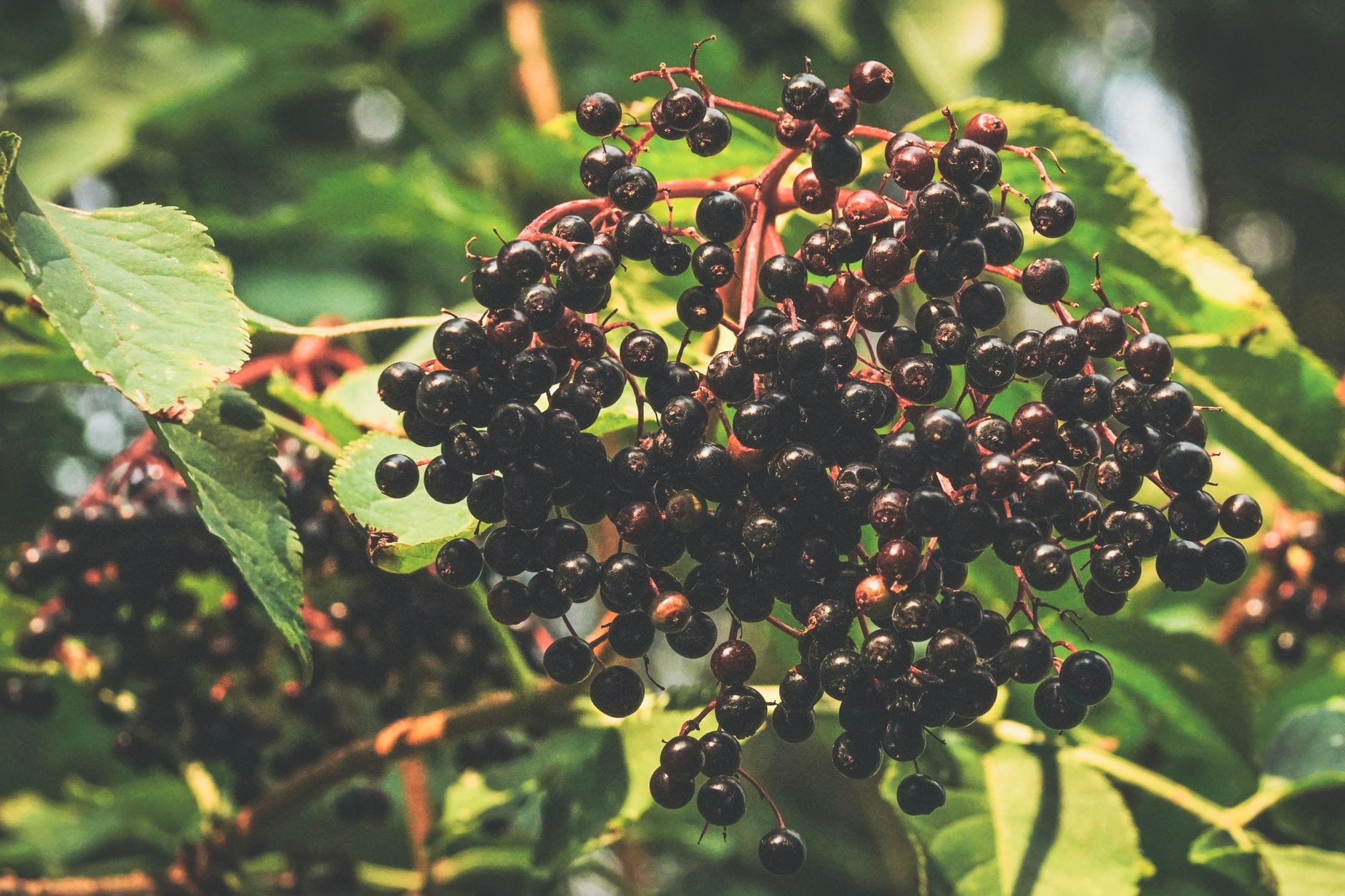
Pick considerately and safely. Gather away from busy roadsides and sprayed field margins, take only a fraction of the heads on any bush so there are berries for wildlife and for you later in the year, and get the landowner's permission where you need it.
Why citric acid earns its place. It does three jobs at once: it gives the cordial its characteristic tang, it lowers the pH so the syrup keeps far longer, and it helps draw the aroma out of the flowers during the steep. Lemon juice alone gives some of this, but less keeping power.
Ways to use it. Beyond a long, cold soft drink topped up with sparkling water, elderflower cordial is lovely stirred into homemade lemonade, drizzled over fruit or ice cream, brushed into a Victoria sponge, or set into a jelly. A spoonful lifts a jug of lemonade no end.
The pollen is the point. The heady scent lives in the yellow pollen, which is why you shake the heads rather than wash them, and steep them gently rather than boil them.
Frequently asked questions
Kit for this job (Ad)

3 Pcs Cheesecloth, 50 x 50 cm Unbleached Grade 100 Reusable Muslin Cloths for Cooking Ultra Fine Washable Cheese Cloths for Straining for Filtering Juice Cheese Tea Coffee
Check price on Amazon →
Era Natural Nut Milk Bag Reusable 2 Pack 12" x 10" Cheesecloth Bags for Straining Almond/Soy Milk Greek Yogurt Strainer Milk Nut Bag for Coffee Tea Beer Juice Nylon Mesh Cheese Cloth
Check price on Amazon →
KitchenCraft Home Made Sloe Gin Bottle, 500ml Glass Bottle with Airtight Flip-Top Lid, Ideal for Liqueurs, Vodka, Cordials, Oils, Gift Idea
Check price on Amazon →
Canvas Foraging Pouch for Hiking, Collapsible Leather Belt Pouch Waist Bag with Drawstring & Buckle, Multi-Purpose Storage Bag for Outdoors Camping, Easy Looping Around Belts
Check price on Amazon →We may earn a small commission, at no cost to you. We only list kit we'd use.
Written by
UK Homesteading Team
Editorial team
The UK Homesteading editorial team, offering UK-specific, evidence-led guidance on growing, keeping, preserving and the law.