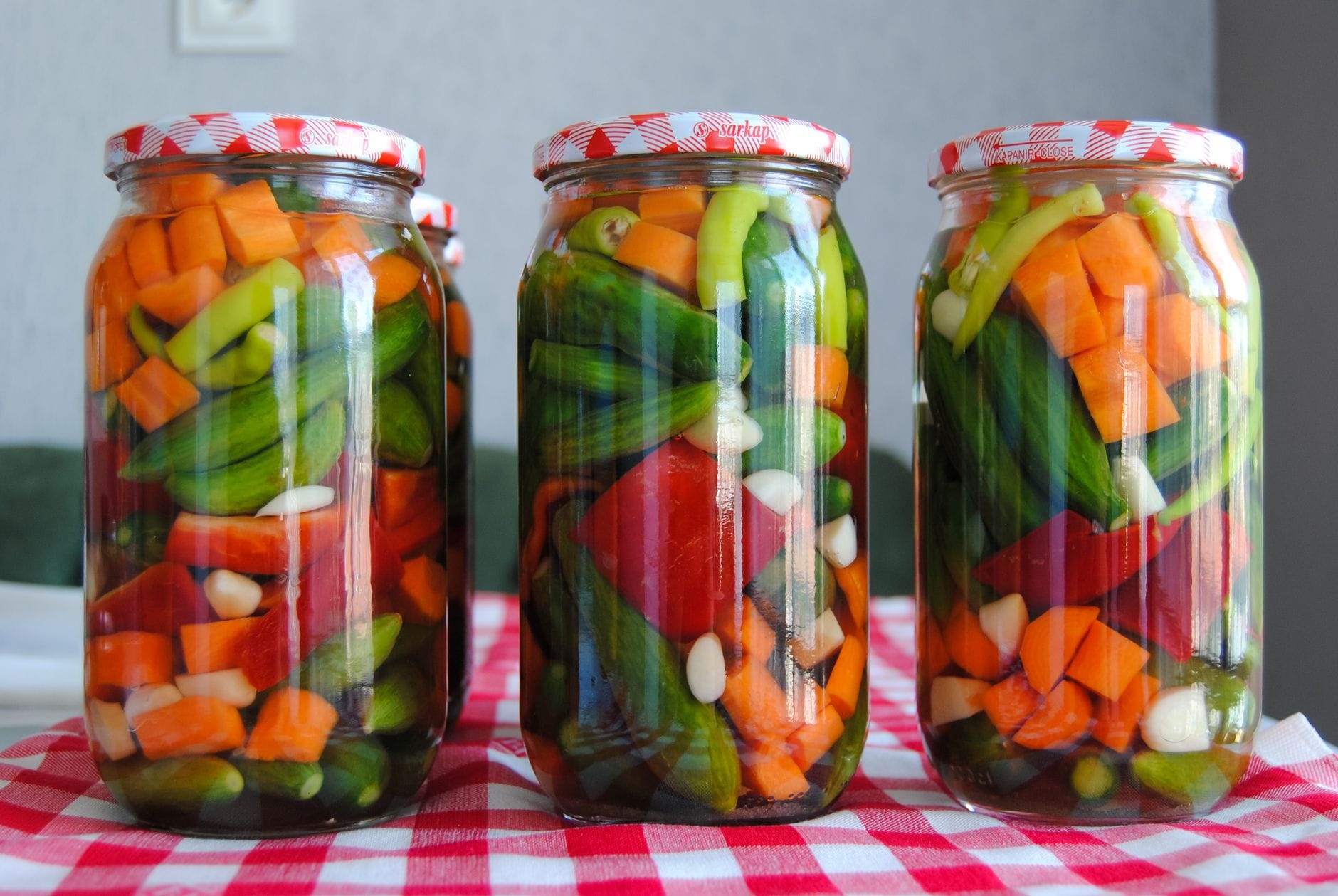
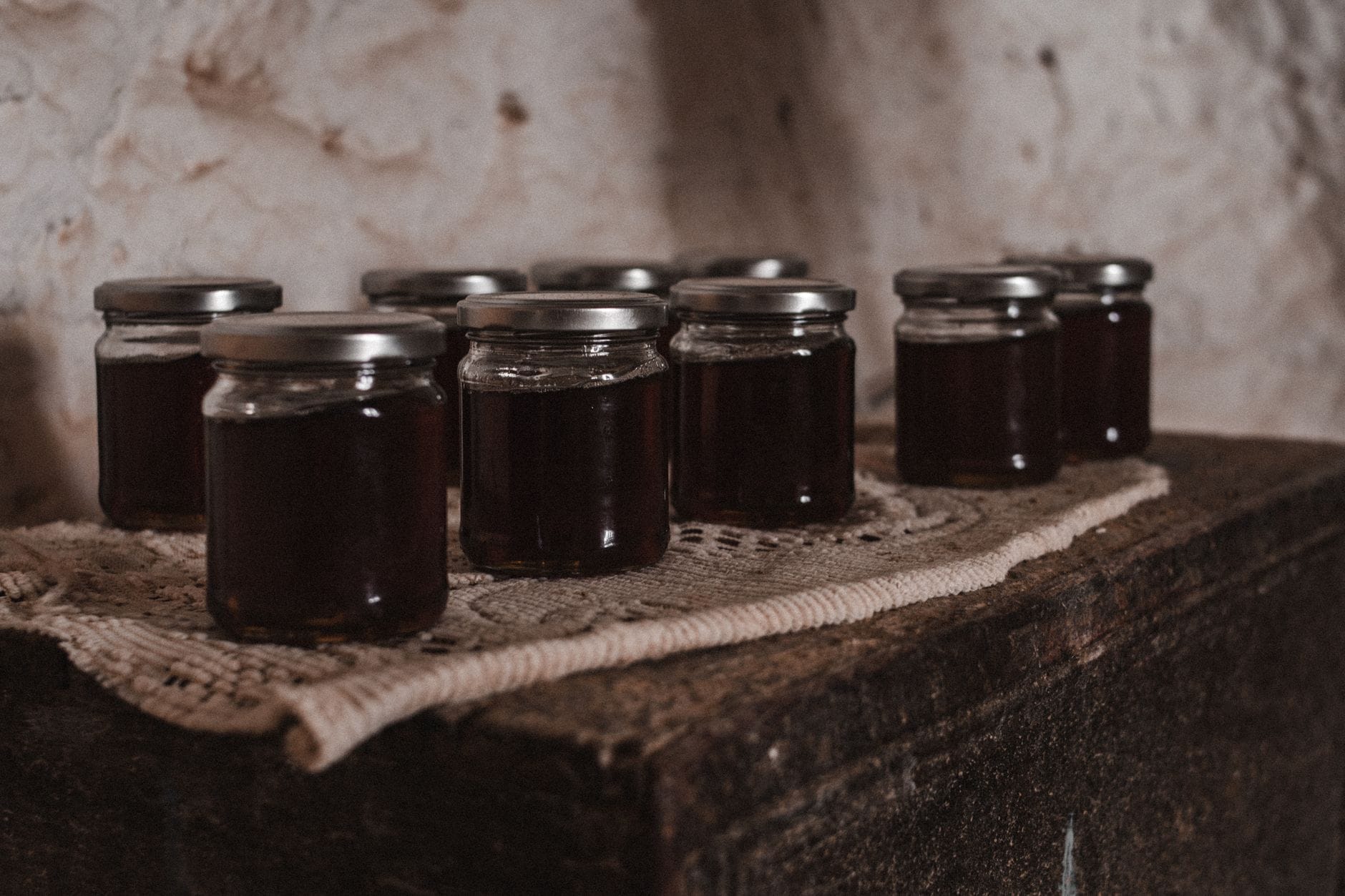
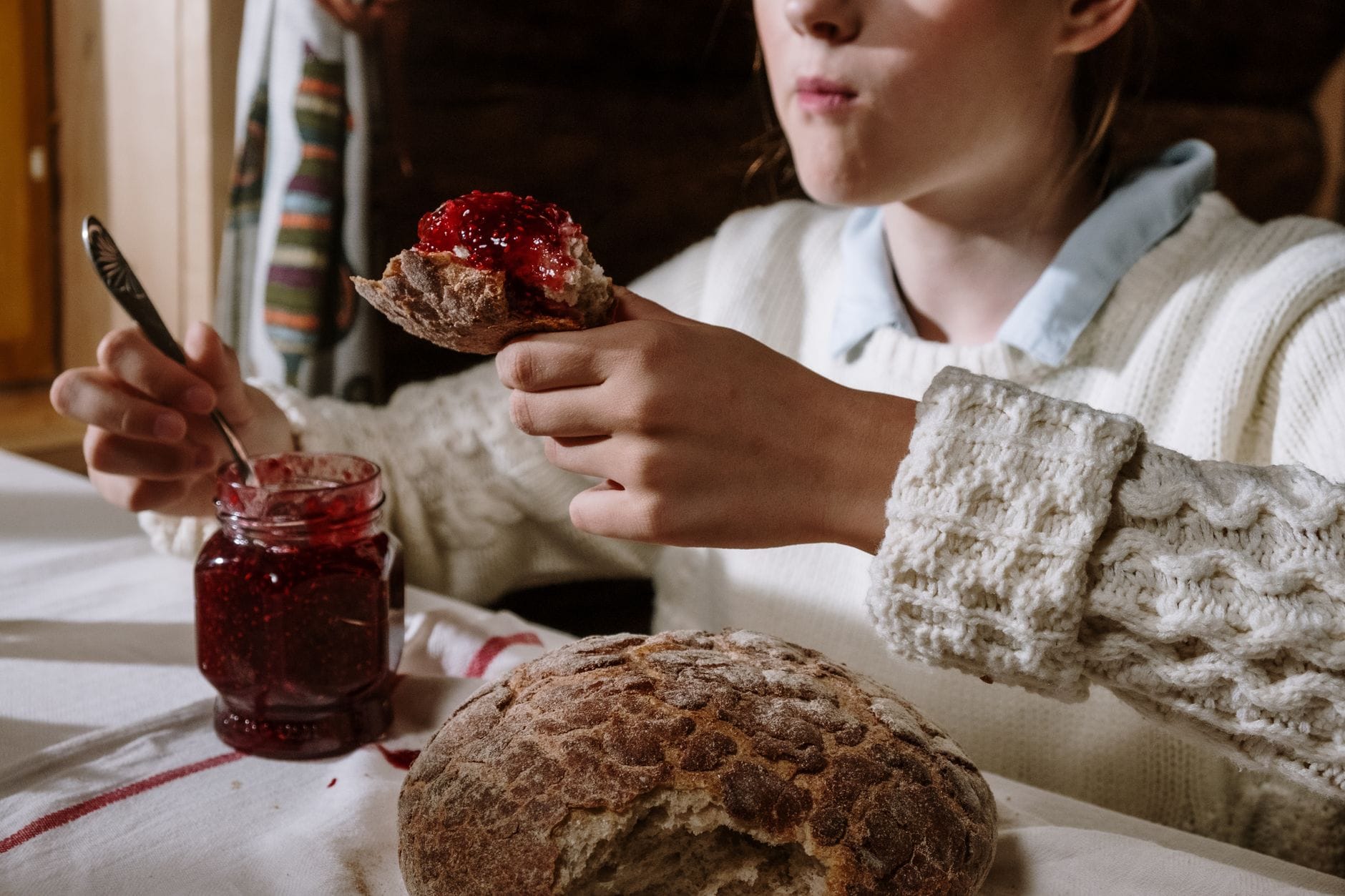
Chutney is the most forgiving way there is to use up an autumn glut. Almost any combination of fruit, veg, vinegar and sugar, cooked down slowly, turns into something dark, glossy and delicious that keeps for a year. This spiced apple chutney is a perfect one to learn on.
The method is the same whatever you put in it: cook it low and slow until it's thick and jammy, then give it a few weeks to mellow. The recipe is below, with the general chutney rules underneath it.
How to Make Chutney at Home in the UK: A Beginner's Guide
Makes About 5 × 340g jars
Prep
25 min
Cook
2 hr 30 min
Total
2 hr 55 min
Makes
About 5 × 340g jars
Ingredients
Fruit & veg
Acid & sugar
Spices & seasoning
Method
- 1
Peel, core and dice the apples, finely chop the onions, and roughly chop the sultanas if they're large.
- 2
Put everything into a large stainless-steel or enamel pan. Never use bare aluminium, copper or brass, as the vinegar reacts with them and taints the chutney.
- 3
Heat gently, stirring, until the sugar has completely dissolved.
- 4
Bring to a gentle simmer and cook uncovered.
- 5
Simmer for 1½ to 2½ hours, stirring more often as it thickens so it doesn't catch on the bottom.
- 6
It's ready when a wooden spoon drawn across the base of the pan leaves a channel that holds for a second or two without vinegar running back in. It should look thick, glossy and jammy.
- 7
Spoon while hot into warm sterilised jars and seal straight away with vinegar-proof lids.
- 8
Wipe the jars, label with the date, and store somewhere cool and dark.
Cook’s notes
- Mature it. Chutney is at its best after 4 to 8 weeks, and needs a minimum of 2; fresh from the pan the vinegar tastes sharp, and time rounds it out.
- Only vinegar-proof (plastic-lined) lids. Bare metal corrodes against the acid and taints the chutney.
- Seasonal swaps: trade some apple for pear, marrow, green tomatoes or a diced pepper, keeping the total fruit and veg near 1.8kg so the balance holds.
- For a smoother chutney, tie whole spices in muslin instead of using ground, and lift the bag out before potting.
- Cider vinegar is fruitier and suits apple; malt is darker and more traditional. Both keep well.
- Properly sealed and stored cool and dark, it keeps around a year; refrigerate after opening.
What you’ll need
- Large stainless-steel or enamel preserving pan, never bare aluminium, copper or brass
- Wooden spoon, for the channel test
- 5 warm sterilised jars with vinegar-proof lids
Troubleshooting
It's still runny.
It hasn't reduced enough. Keep simmering and re-do the channel test; only jar it once the trail holds without vinegar flooding back.
It's catching and burning on the base.
The heat's too high, or it isn't being stirred. Drop to a bare simmer and stir the bottom often, and never scrape scorched bits up into the batch.
It tastes harshly of vinegar.
It's under-cooked or too young. Cook it down further, and always mature it before eating.
There's a metallic taste.
A reactive pan or a non-vinegar-proof lid. Use stainless steel or enamel and lined lids.
It's dried out in the jar over the months.
The jars weren't filled and sealed hot enough. Fill to just below the rim and seal while piping hot.
More about making chutney
Why chutney keeps. Chutney is a preserve built on vinegar and sugar. The acetic acid makes the mix too hostile for spoilage microbes, the sugar binds up the water so bacteria can't use it, and the long open cook drives off moisture. Together they make it shelf-stable for months without a fridge.
Why the long, slow cook. Reducing the pan concentrates the flavour and thickens the chutney by evaporating vinegar and fruit water. That's what turns a wet pan of fruit into a glossy, spoonable preserve.
Why you mature it. Straight from the pan the vinegar is aggressive. Four to eight weeks in the jar lets the acid mellow and the spices marry, which is why chutney made in autumn is at its best by Christmas.
The channel test is the real doneness cue. Not a clock and not a thermometer. When a wooden spoon drawn across the base of the pan leaves a trail that holds without vinegar flooding back, it's done.
Non-reactive pans and vinegar-proof lids are non-negotiable. Vinegar attacks bare aluminium, copper and brass, and corrodes uncoated metal lids, so use stainless steel or enamel and lined lids.
The 'any glut' formula. Roughly five parts fruit and veg to one part vinegar to one part sugar by weight, plus onions, dried fruit, salt and warm spices. Cook it slow, test with the channel, jar it hot and mature it. Learn it once and you can turn almost any autumn surplus, apples, tomatoes, marrow, pears or plums, into chutney.
Frequently asked questions
Kit for this job (Ad)

The Complete Guide to Pressure Canning: Everything You Need to Know to Can Meats, Vegetables, Meals in a Jar, and More
Check price on Amazon →
Matsato Chef Knife for Kitchen 5.8 in Japanese Stainless Steel, Professional Ultra Sharp Chopping & Cutting Knife, Ergonomic Wood Handle | Blade 15 cm, oak handle stainless steel, for meat, vegetables & herbs, made of Japanese steel, hand clean
Check price on Amazon →
0.35 Litre Breakfast Jar Set with Stainless Steel Spoon and Measuring Lid Perfect for Overnight Oats, Yogurt, Smoothie Bowls, Granola, Chia Pudding
Check price on Amazon →
Pisol Wide Mouth Versatile Funnel, Canning Funnels for Kitchen Use, Food Grade Plastic Cooking Funnel Set with 4 Size Spouts and 2 Strainers for Filling Different Bottles and Bags, Grey
Check price on Amazon →We may earn a small commission, at no cost to you. We only list kit we'd use.
Written by
UK Homesteading Team
Editorial team
The UK Homesteading editorial team, offering UK-specific, evidence-led guidance on growing, keeping, preserving and the law.