Most people start growing veg to feed themselves, and then one good summer they realise the courgettes have won. There is only so much you can eat, freeze or give away before you start wondering whether all that produce could bring in a bit of money instead. It can. Selling home-grown vegetables is one of the most accessible ways to earn from a garden, allotment or smallholding, precisely because everyone eats veg and fresh, local produce genuinely tastes better than the plastic-wrapped alternative.
This is the practical playbook for selling your veg as an ongoing thing: who buys it, which channels suit vegetables, what actually sells, how to price it, and how much is realistic. If your problem is specifically a seasonal mountain of one crop all ripening at once, start with our guide to selling a glut and come back here for the longer game.
Who actually buys home-grown veg
The demand is real and it is close to home. Your buyers fall into a few groups: neighbours and passers-by who value freshness and cutting out food miles, busy households who want the convenience of a weekly box of seasonal veg, and local businesses (greengrocers, farm shops, delis, pubs and restaurants) who want a reliable supply of quality produce with a story behind it. Chefs in particular will pay well for things they cannot easily buy from a wholesaler: unusual salad leaves, edible flowers, heritage tomatoes, perfect baby veg.
What ties them together is that they are not shopping on price alone. Nobody drives to a farm gate to save 20p on a lettuce. They come because it was picked that morning, because it is grown down the road, and because it tastes of something. That is your entire competitive advantage, so lean into it.
Pick the channel that suits veg
There is no single right way to sell. The best choice depends on how much you have, how reliably you can supply it, and how much of your time you want to spend selling rather than growing. Here is how the main channels compare for vegetables.
| Channel | Best for | Effort | What you earn |
|---|---|---|---|
| Honesty box / gate stall | Genuine surplus, passing trade, low commitment | Low: harvest, price, put it out | Full retail price, but volume limited by footfall |
| Weekly veg box round | Steady income and regular, loyal customers | High: planning, packing, delivery, admin | Good margins, but you carry the workload |
| Local shops & farm shops | Larger, consistent volumes without selling to the public yourself | Medium: deliver reliably to spec | Lower per item: they need a margin to resell |
| Farmers' market | Meeting customers, testing prices, higher-value produce | Medium-high: a full day plus a stall fee | Premium prices, but time and pitch costs eat in |
| Restaurants & pubs | Reliable, quality-focused, repeat orders | Medium: consistency and reliability are everything | Good for specialities; chefs pay for what they cannot source easily |
For most people starting out, the honesty box or farm-gate stall is the natural first step, because you can begin this weekend with a table and a tin. Brimwood Farm's diary of setting up their honesty box is a good real-world example: the cabinet came off Facebook Marketplace, the blackboards and chalk pens from Amazon, and they kept lettuces crisp on the stand with ice packs beneath them, packing any unsold heads into a box with a little water overnight to perk them up. Simple, cheap and it started making vegetable sales straight away.
If you want steadier money, a small weekly veg box scheme turns one-off buyers into regular customers. According to Farmers Weekly, UK veg box sales have topped £100 million, and a local scheme typically serves customers within a 10 to 15 mile radius, with boxes commonly priced between £7.50 and £20. Many growers build these slowly by word of mouth. Trevilley Farm in Cornwall, profiled in that same piece, started its box scheme at the farm gate in 2002 and grew to delivering around 40 boxes a week of some 50 different vegetables. Established operations like Coleshill Organics in Oxfordshire show where this can lead: a combined organic veg-box delivery round and farm shop selling direct to a loyal local base.
What actually sells (and what to leave in the ground)
The crops worth selling are the ones that earn the most per square metre and per minute of your time, not simply the ones that are easiest to grow. That distinction matters enormously.
- High-value, quick-turnaround crops earn most. Salad leaves, herbs, cut-and-come-again mixes, spring onions, radishes, bunched beetroot, French beans, mangetout and tomatoes give you a lot of saleable value from a small area, and many crop repeatedly through the season.
- Cheap, bulky staples rarely pay on their own. Maincrop potatoes, onions and cabbages are grown at scale and sold cheaply everywhere, so you cannot beat the supermarket on price. They only really earn their keep as filler in a mixed box, where variety is the selling point.
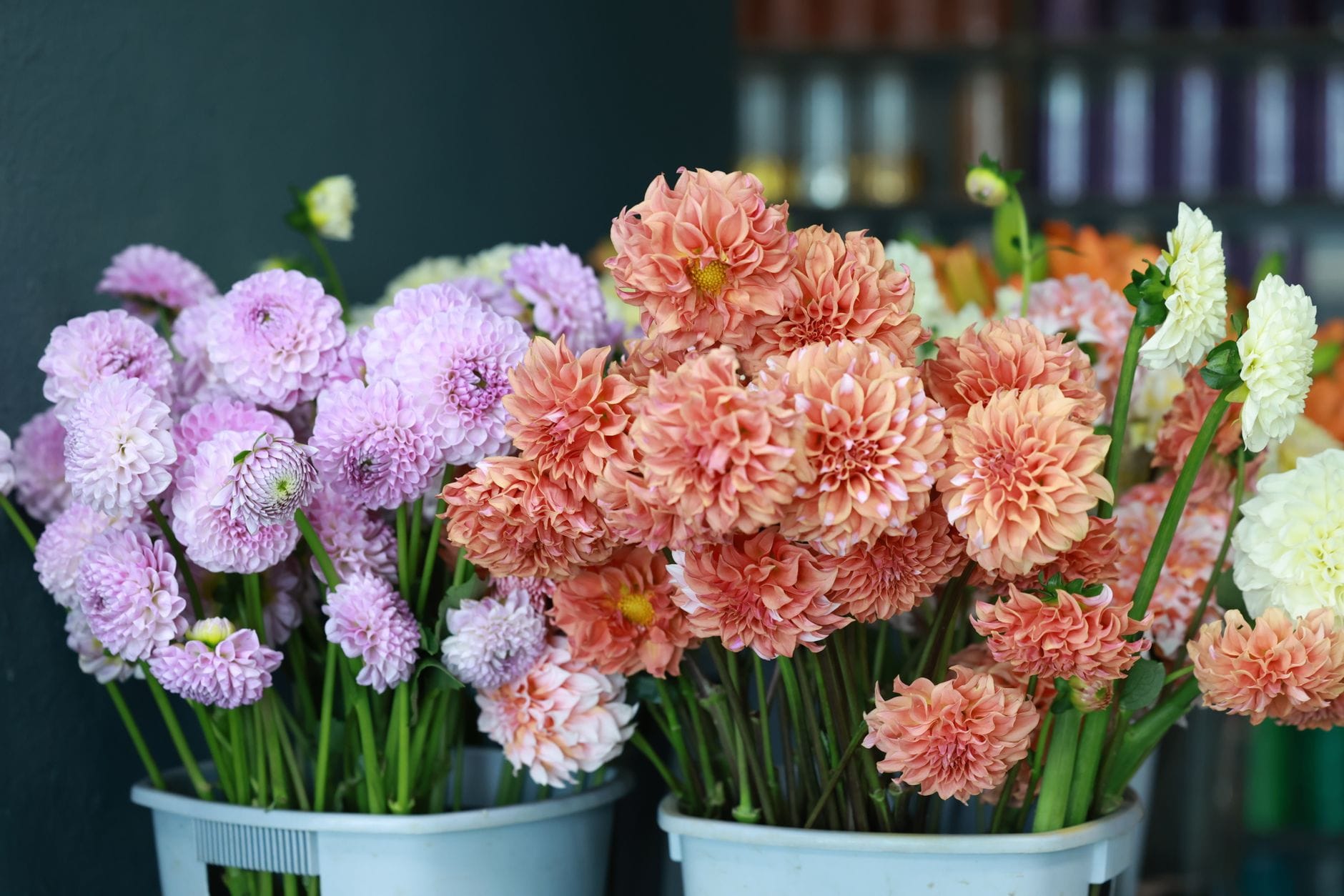
- Specialities command a premium. Unusual varieties, edible flowers, heritage tomatoes, perfect baby veg and anything a chef struggles to buy wholesale can be priced well above the ordinary.
Charles Dowding's Homeacres is the clearest illustration of this logic. He describes the main output as salad bags of washed, mixed leaves, selling over a tonne a year to local restaurants and shops plus around five boxes weekly from June to December, and his advice to small growers is to "grow high value crops on untilled ground" rather than filling precious space with low-value bulk. High value, small area, sold fresh and local: that is the model that works.
Pricing it so it is worth your time
Pricing is where beginners most often sell themselves short. The instinct is to undercut the supermarket, but that is exactly backwards. Your produce is fresher, local and usually better, so it should sit at or above the premium end of what a good greengrocer or farm shop charges nearby, not below the cheapest option on the shelf.
Brimwood Farm's honesty-box experience is instructive here. They priced lettuce heads at £1.50 each, or two for £2, and noticed the local supermarket was selling similar (plastic-wrapped, well-travelled) lettuces for £1.30, which prompted the sensible question of whether to charge more. They also flagged a point worth remembering: you can reasonably charge more at a farmers' market than at the gate, because the extra cost of attending markets makes it necessary, and market shoppers have come specifically for local food and expect to pay for it.
Keep the maths simple, especially for an honesty box: round prices, clear "2 for" deals, easy change. And always price against what a crop is worth to the buyer, not against what it cost you to grow. Our guide to pricing for profit walks through this properly.
Grow with selling in mind
Selling well starts long before harvest. If you know from the outset that you will sell some of what you grow, you plan the plot differently.
Growing for a steady, saleable supply
- 1
Favour high-value crops
Give your best beds to salad, herbs and quick, repeat-cropping veg that earn the most per square metre, and keep bulky low-value staples to a minimum.
- 2
Sow in succession
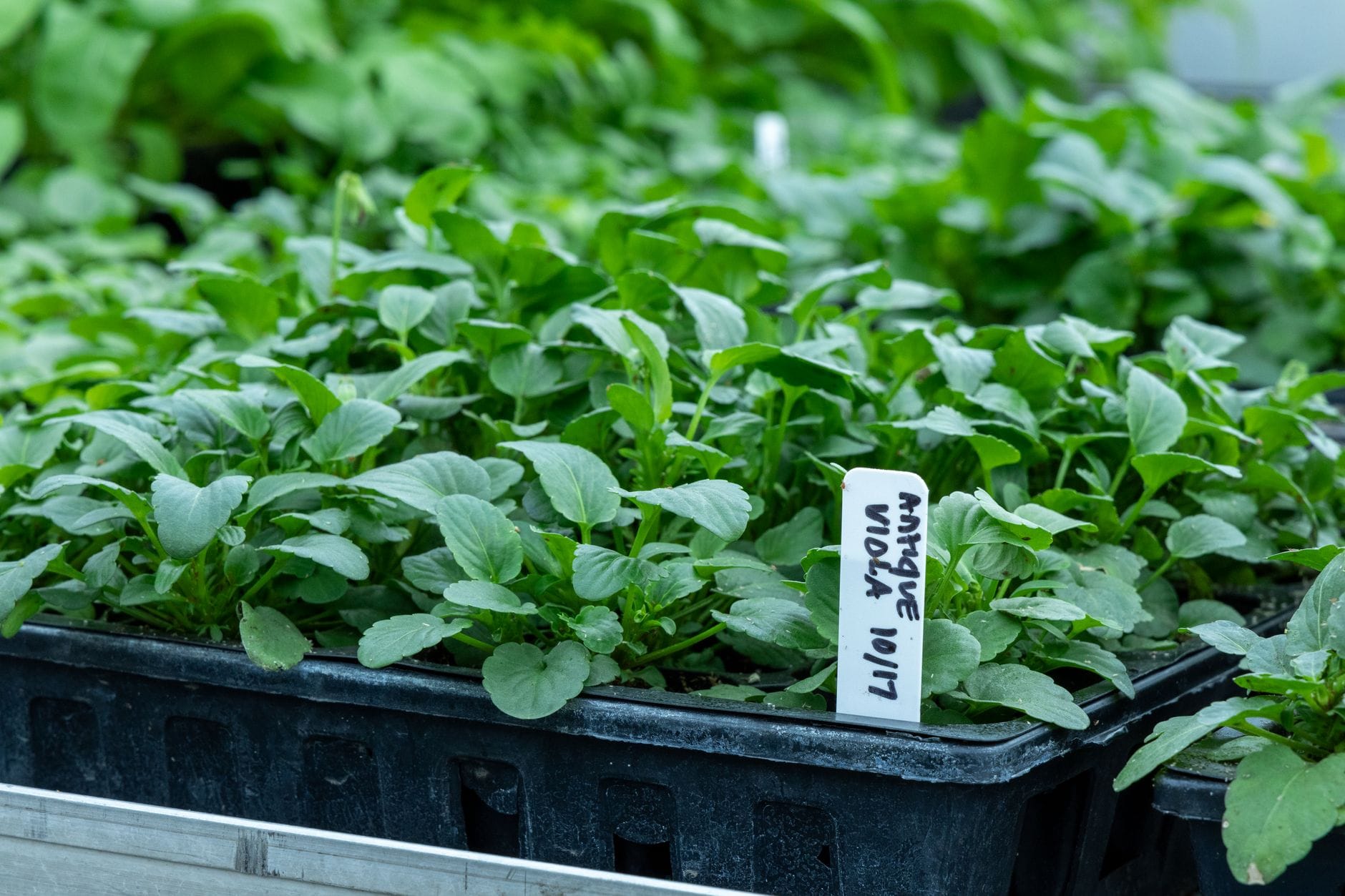
Instead of one big sowing that all matures at once, sow little and often (every two to three weeks for salads and beans) so you have something to sell every week rather than a glut then nothing.
- 3
Grow things that store or hold
Crops like beetroot, carrots, squash and maincrop potatoes hold in the ground or in store, so you are not forced to sell everything the day it is ready.
- 4
Grow a little extra of the reliable sellers
Once you know what moves, plant deliberately for sale, not just what is left over, so supply is predictable enough to keep customers or a shop happy.
- 5
Keep quality ruthless
Only sell what you would happily buy. One bag of tired leaves loses a customer, and reputation is everything when you are selling on freshness.
Succession sowing is the single habit that separates a steady side income from a feast-and-famine hobby. A veg box customer or a chef needs something every week, and a stall with bare shelves half the time trains passers-by to stop looking. If demand starts to outrun a few rows, this is the moment to think about scaling up the growing itself, which is a different job again.
What you can realistically make
Here is the honest part. At the small end, an honesty box stocked with genuine surplus is pocket money: a few pounds a week in season that offsets your seed, compost and module trays. That is a perfectly good outcome, and for many growers it is the whole point, turning waste into a small return.
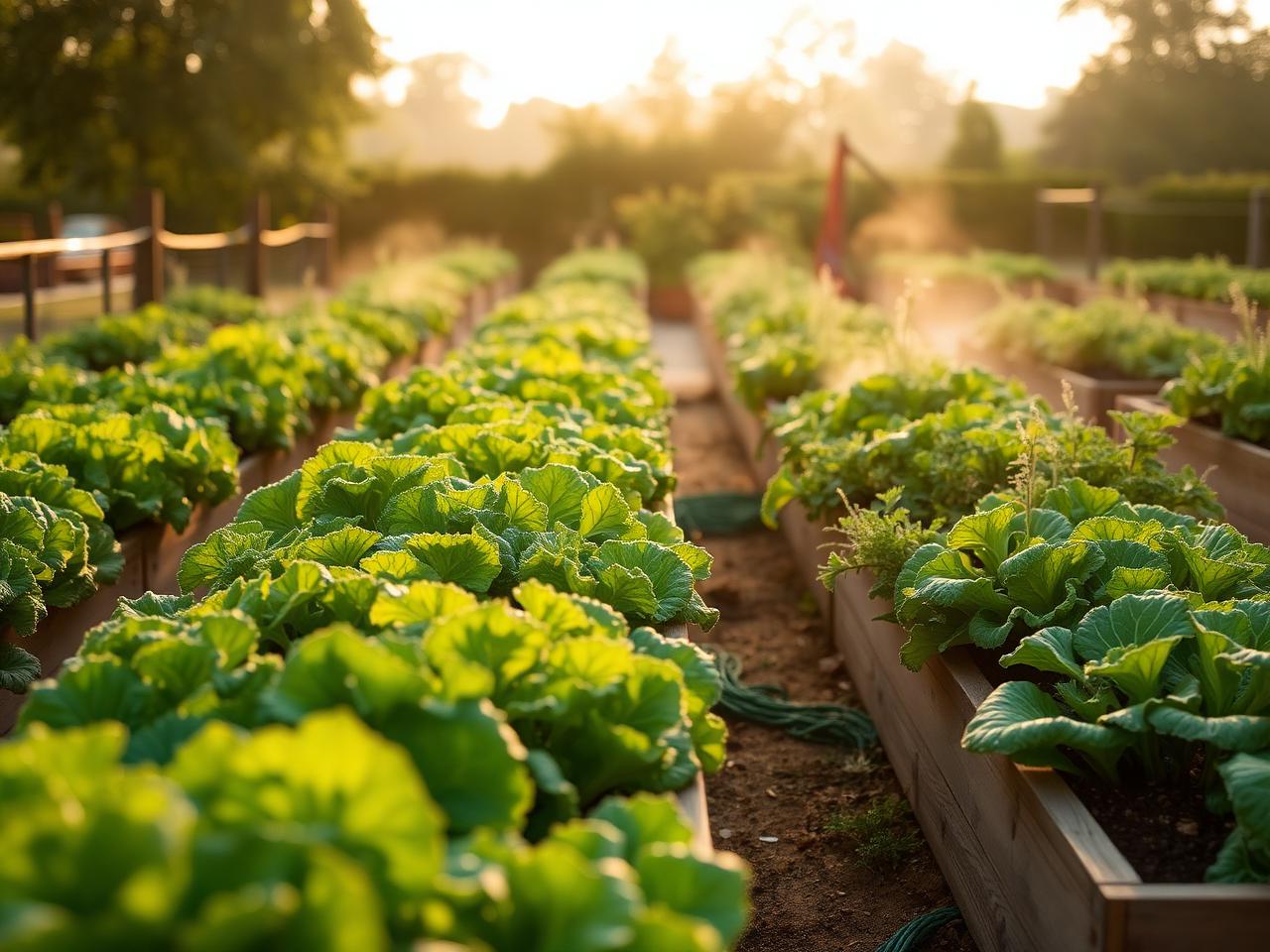
Step up to an allotment-sized or small market-garden plot worked properly, and it becomes a real side income, but only with real graft. As a benchmark of what is possible at the top of the range, Charles Dowding reports roughly £21,000 of gross output from an intensively cropped quarter-acre (about 0.1 hectares) at Homeacres, mostly high-value salad. Two things to hold in mind about that figure: it is gross output, not take-home profit after seed, compost, labour and time, and it reflects decades of skill on a very intensively managed plot. Treat it as the ceiling that expertise and hard work can reach, not a first-season target. Somewhere between "a tenner a week from the gate" and "a serious market garden" is a wide, realistic middle where most home growers happily sit.
This page is general business information to help you sell your produce, not financial, legal or tax advice. Any figures from named growers are their own reported results, quoted to illustrate what is possible, not a promise of what you will earn. For anything to do with tax on your sales, or setting up as self-employed, speak to a qualified accountant. Last checked July 2026.
Frequently asked questions
Sources
- Charles Dowding - farmer profile (Homeacres, no-dig market garden) , Agricology
- The Honesty Box Opens - farm diary , Brimwood Farm
- Maximise margins with your own veg box scheme , Farmers Weekly (fwi.co.uk)
- Coleshill Organics - fruit and veg box delivery and farm shop , Coleshill Organics
- Register a food business , GOV.UK (Food Standards Agency)
Kit for this job (Ad)

We may earn a small commission, at no cost to you. We only list kit we'd use.
Written by
UK Homesteading Team
Editorial team
The UK Homesteading editorial team, offering UK-specific, evidence-led guidance on growing, keeping, preserving and the law.