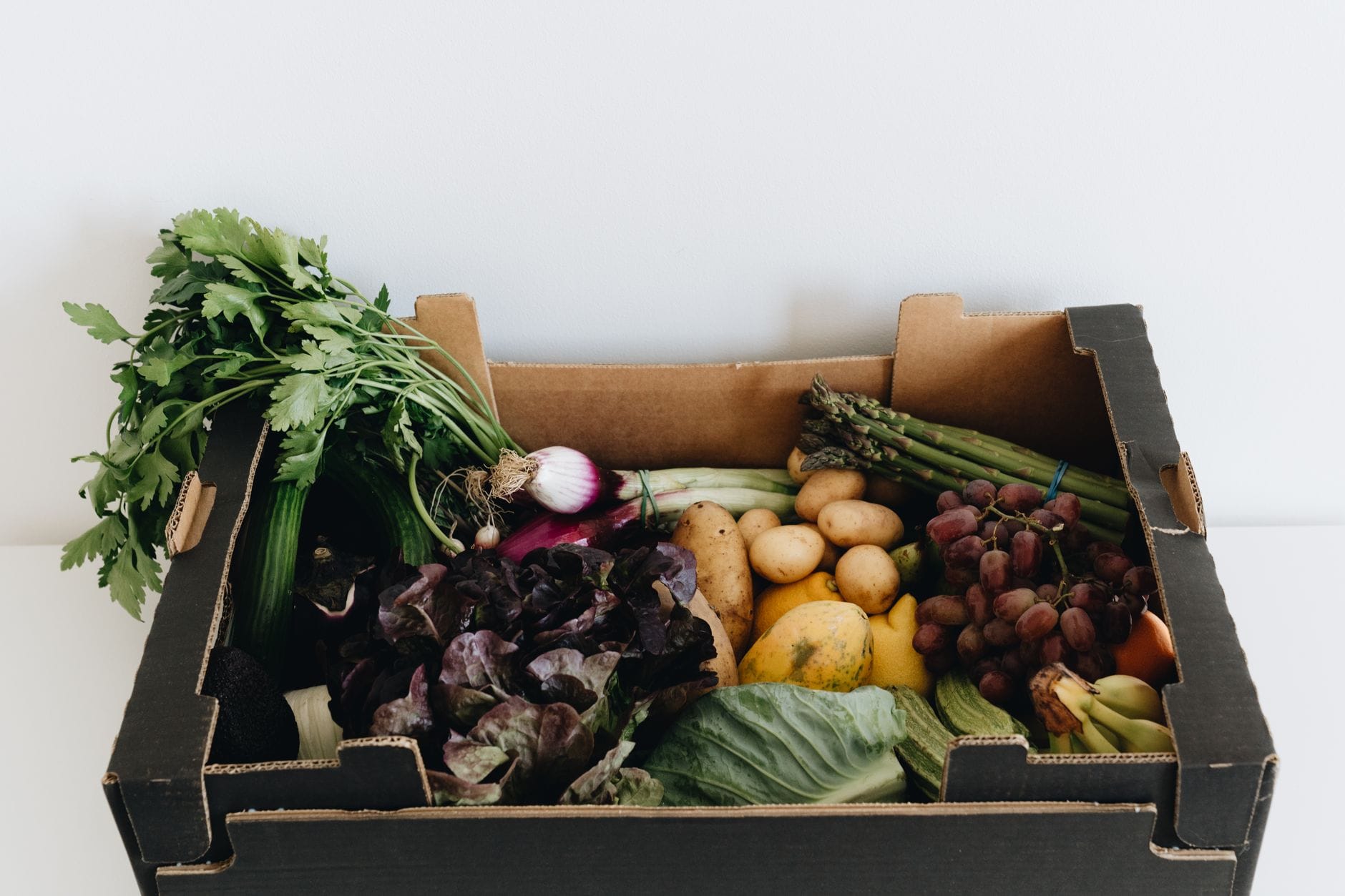
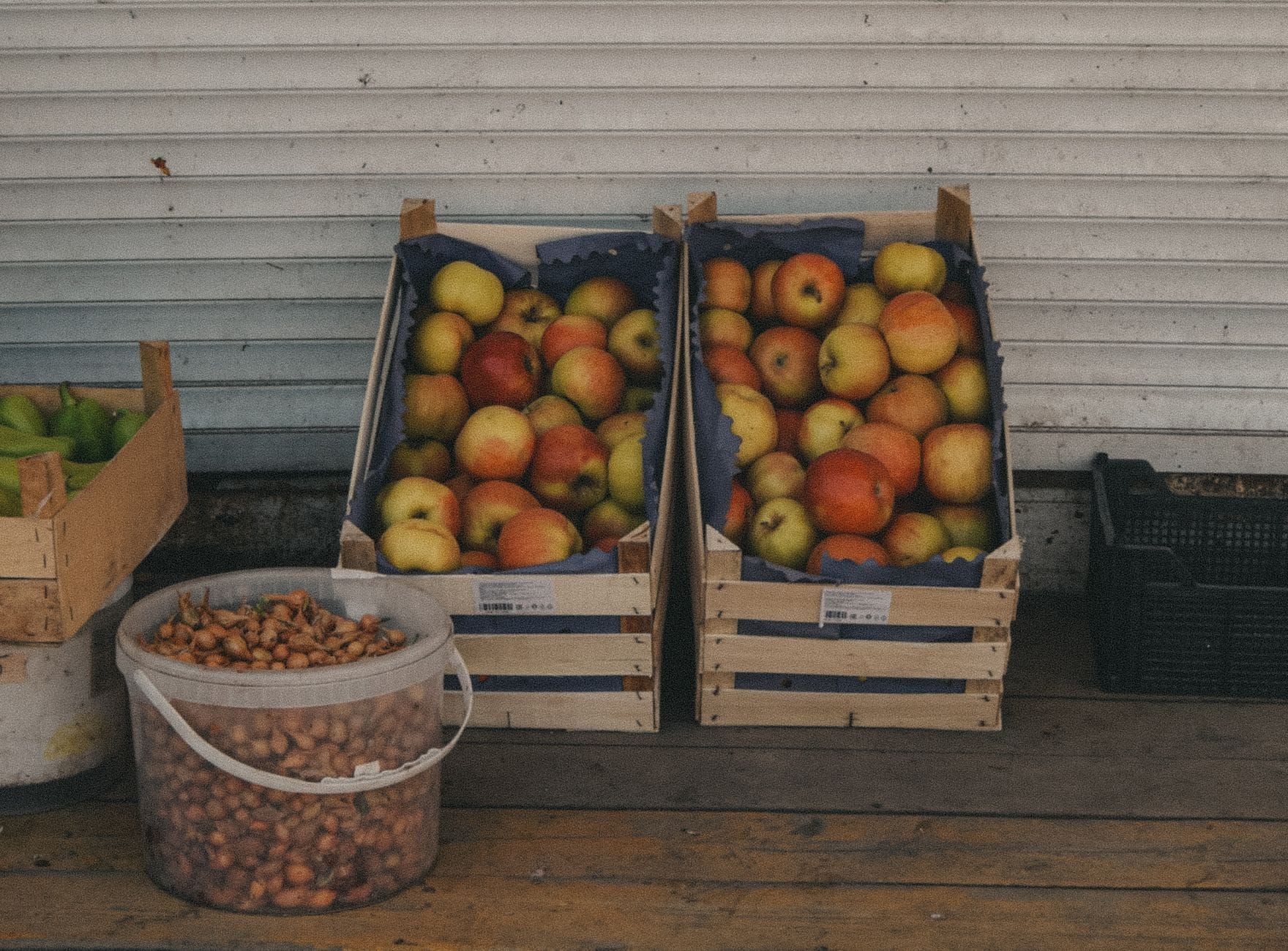
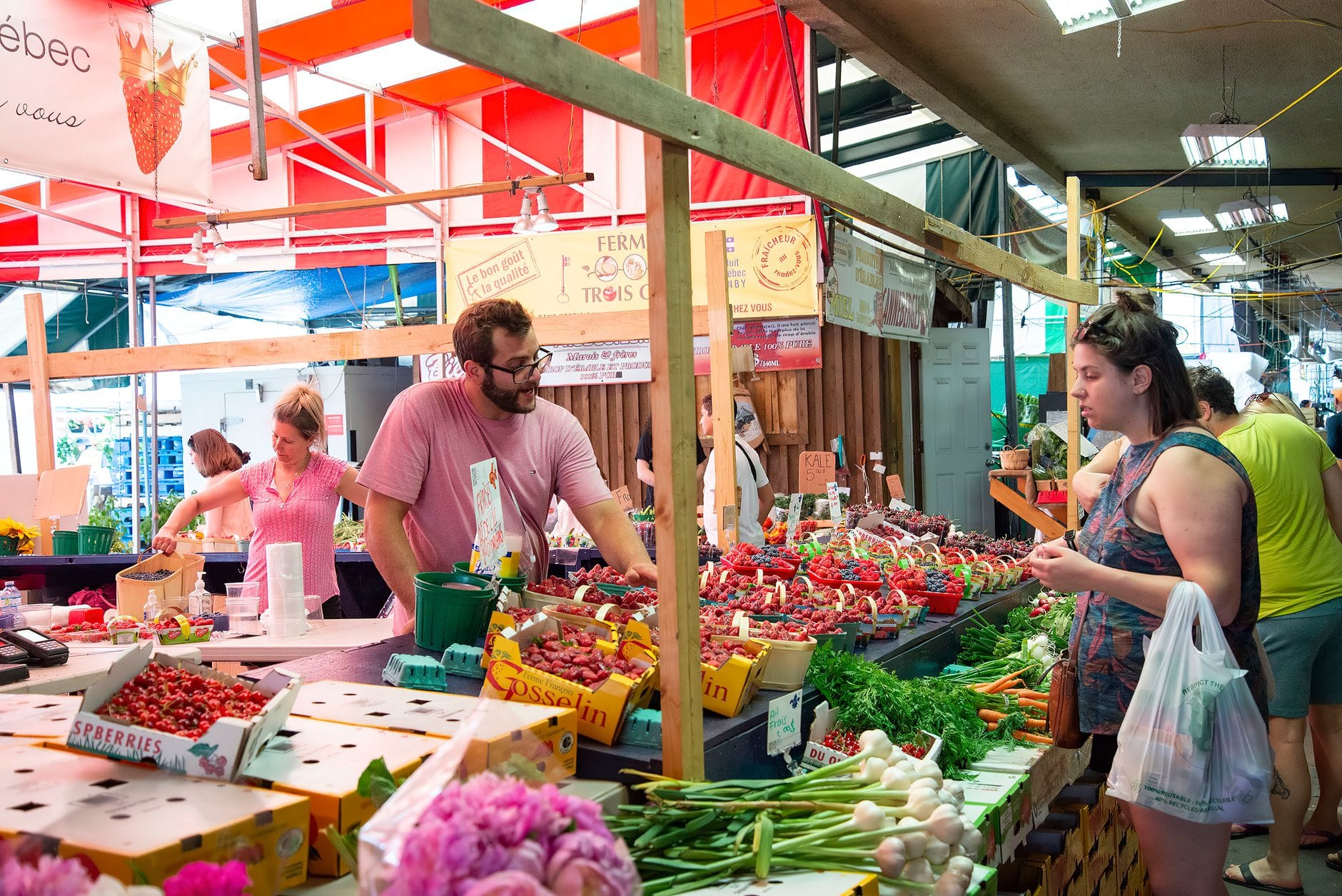
There's a particular kind of freedom in selling from your own gate. No pitch fee, no operator to apply to, no early start loading a van for a market two counties away. You grow it, rear it or make it, put it out at the end of the lane, and the money comes to you. And because there's no middleman clipping a margin off the top, farm-gate selling keeps almost the whole retail price in your pocket. That's the pull.
The push-back is footfall. A farmers' market drops a crowd in front of you for a morning. Your gate only sells to whoever happens to drive past, so where your lane is matters enormously. This guide is about making the most of that gate: the ladder from a simple stall up to a self-serve shed and, for a few, a small farm shop, and the practical bits (signs, card payments, insurance, the light-touch planning question) that go with each step.
The farm-gate ladder: from honesty box to farm shop
Nobody jumps straight to a farm shop. The smart way in is to climb, testing demand at each rung before you spend on the next.
The honesty box. The simplest start: produce left out with a price and a cash tin or card-lock unit, trusting people to pay. It costs almost nothing and takes minutes a day, which is exactly why it's the usual first rung. It also has its own quirks, from cash theft to pricing for an unattended sale, so we've given it a whole page of its own. If that's where you're starting, read our roadside honesty box guide first, then come back here when you're ready to step up.
The staffed stall. A trestle table or a covered stall you actually stand behind, on the days you get passing trade. The advantage over the honesty box is obvious: you can sell more, upsell a bit, take card, and there's no leaving cash unattended. The cost is your time. A staffed stall is a person tied to a table, so it only pays where footfall is decent or your margins are strong.
The farm-gate shed or stall. A step up in permanence: a shed, a converted cart bay or a purpose-built covered stall by the gate, restocked through the day. You're not always standing there, but someone's usually about to answer a query. This is where many smallholdings settle, because it looks like a proper little outlet without the overheads of a shop.
The self-serve unit. Vending machines or refrigerated lockers with a card lock, selling eggs, milk, meat and veg without anyone present. This is the rung that breaks the time ceiling: the unit sells while you're lambing or asleep. It costs real money to install (more on that below), but it turns your gate into a 24-hour outlet.
The small farm shop or pick-your-own. The top of the ladder. A dedicated building with shelves, chillers, opening hours and, usually, staff, or a pick-your-own field where customers do the picking. Both earn the most and ask the most: proper planning permission, more insurance, and a real retail operation to run. Most start life as one of the rungs below.
What a self-serve unit really costs and earns
The vending and locker route deserves its own look, because it's the rung that most excites smallholders and most surprises them on price.
Farmers Weekly followed several farms down this path. At Thorneybank Farm near Rothienorman in Aberdeenshire, the Stephen family had sold direct since the 1970s, running for decades on an honesty box. When sales slipped and cash theft rose, they installed a vending machine in 2018 rather than close, then added a chilled unit for meat, dairy and ready meals, and later a coffee machine and milk vending. That built to a total investment of between £50,000 and £60,000, with more than 100 lockers, open every day from 6am to 8pm, taking cash and contactless. As the Stephens put it, "It's not just a case of stocking it once a day." Someone checks and restocks two or three times daily, plus runs the social media that pulls people up the farm road in the first place.
In the Radnor Valley in Mid Wales, Jess and John Goodwin went from selling the odd meat box to being "inundated" during Covid, and turned to Farm Pantry Vending machines housed in a purpose-built timber building. The machines plus the build came to about £85,000, which Jess called "a massive punt during Covid". They now sell mostly meat, with free-range eggs, home-grown potatoes and local honey alongside, most customers buying around three products a visit, once or twice a week.
Egg vending is the gentlest entry point. The Retson family sell thousands of eggs a day through machines across their Perth and Derbyshire sites, and an egg machine is a far smaller outlay than a full chilled shop. It's a sensible first self-serve product: high turnover, simple, and it tells you whether the passing trade exists before you commit to chillers.
The practical kit: signs, cards, footfall and insurance
Signage. Two jobs here. An A-board or a chalkboard on your frontage on trading days tells people you're open, and a permanent roadside sign helps first-timers find a gate they'd otherwise sail past. The catch is that most outdoor advertisements need "advertisement consent" from the council, although many small or temporary signs get "deemed consent" and need no application. A modest A-board on your own land on trading days is rarely troubled. A large permanent sign, or anything on the highway verge that could distract drivers, is where you should check first. Keep it light: this is a quick call to the planning department, not a project. The gov.uk advertisements guide and the Planning Portal set out the detail.
Card payments. Take card from day one. Plenty of customers no longer carry cash, and a stall that's cash-only quietly turns people away. A portable reader like a SumUp or a Zettle reader handles contactless and chip-and-PIN with no monthly rental on the pay-as-you-go plans, taking a small percentage of each sale instead (check the provider's current rate, as they run offers and the standard rate differs from promotional ones). For an unattended shed, the vending or locker unit's built-in card lock does the same job around the clock.
Footfall and hours. Be honest about your lane. A gate on a school-run road or near a holiday park sees real numbers. A gate a mile up a single track does not, and no amount of signage fixes a road nobody drives. If you're quiet, self-serve is your friend, because it earns while you're elsewhere rather than tying you to an empty table. The Thorneybank experience, open 6am to 8pm every day, only works because a self-serve unit doesn't need a person for those hours. Pick hours that match your traffic, and post them where customers (and the internet) can see them.
Insurance. You're inviting the public onto your land, so public liability insurance is the one to sort before you open. It covers you if a customer slips on your yard or a child pulls a shelf over. Most smallholding policies can add it, and cover of £5 million to £10 million is the usual sort of level for anything public-facing. It's not always a strict legal requirement in itself, but trading without it is a risk you don't want to run. Employers' liability is different, and legally required, only if you pay someone to help you.
Keeping it legal, kept light
Farm-gate selling is refreshingly light on red tape compared with a market pitch, but three things are worth a mention. None turns this into a compliance headache.
The economics: full price, limited reach
Here's the trade-off in plain terms. Sell to a wholesaler or a box scheme and someone else takes a slice for doing the selling. Sell at your gate and that slice stays with you, so you keep close to the full retail price on every item. On margin alone, the gate is about as good as it gets for a smallholder.
But margin isn't money until something sells, and that's where reach bites. Your gate can only ever sell to people who pass it. A brilliant location with a self-serve unit can turn over serious volume, as Thorneybank shows. A quiet lane with a staffed table can leave you standing about for a handful of sales, having lost a day you could have spent producing. The lesson from the farms who've done it is to match the rung to the road: staff a stall only where footfall justifies your time, and lean on self-serve where it doesn't, so the gate earns without eating your week.
Ardross Farm Shop in Elie, Fife, shows where the ladder can lead. Under pressure from supermarkets and rising fuel costs, Rob and Fiona Pollock decided in 2005 to sell their matured beef direct. The whole family stripped and painted an old cart shed, and with "one chest freezer, a calculator and a lot of enthusiasm" they delivered leaflets to every home in the East Neuk. That cart shed grew into an award-winning farm shop that later took Farm Shop of the Year at the Farm Shop & Deli Awards. It didn't start as a shop. It started at the gate.
Getting started at the gate
From first stall to a working farm-gate outlet
- 1
Test the trade cheaply
Start with an honesty box or a weekend stall of whatever you have a glut of. It costs almost nothing and tells you the one thing that matters most: does anyone actually stop on your lane?
- 2
Register and insure
If you're selling food regularly, register as a food business (free, at least 28 days ahead). Add public liability cover to your smallholding policy before you invite the public in. Both are quick and neither is expensive.
- 3
Sort payment and signage
Get a portable card reader so you're not turning away cashless customers. Put a tidy A-board out on trading days. Check with the planning department before any large or permanent roadside sign.
- 4
Build the right rung
If the weekend stall sells out, add a shed or a covered stall. If the shed can't keep up and your lane is busy, price up a self-serve vending or locker unit with a card lock. Start with fewer lockers than you think, then add.
- 5
Promote your gate
Passing trade finds you once, social media brings them back. A simple Facebook or Instagram page posting what's fresh today is how the vending farms pull people up the lane. Put your hours online where people search.
- 6
Only build the shop when it's earned
A dedicated farm shop or pick-your-own is the top rung, with real planning, staffing and retail behind it. Grow into it, as Ardross did, rather than starting there.
The honest downsides, and who it suits
Farm-gate selling is not free money. It suits you if your gate is on a road that people actually use, or if you're happy to let a self-serve unit do the selling on a quieter lane. It suits producers with steady, sellable output (eggs, veg, meat, honey, preserves) rather than a one-off surplus. And it rewards a bit of social-media effort, because a gate nobody knows about sells nothing.
It doesn't suit a genuinely remote holding where no one drives past, unless you treat it as a pickup point for orders taken elsewhere. It ties you down if you staff a stall in person. And the self-serve route, for all its appeal, is a five-figure investment that needs restocking two or three times a day and a bit of tech-minding, not a machine you fill once and forget. Go in with your eyes open, start on a low rung, and let the trade tell you when to climb.
This is general business information for UK smallholders, not financial, tax or legal advice. Costs, card-reader fees, insurance levels and planning rules vary by provider and by council, and figures attributed to named farms are those reported at the time, so treat them as illustrative and confirm the current position for your own situation. Last checked July 2026.
Frequently asked questions
Sources
- Vending machines secure added-value farmgate sales , Farmers Weekly
- FeedTheNation: Locals stay safe with milk vending machines , Farmers Weekly
- Our Story (Ardross Farm Shop, Elie, Fife) , Ardross Farm Shop
- Market payment solutions and card readers for market stalls , SumUp
- Outdoor advertisements and signs: a guide for advertisers , Ministry of Housing, Communities & Local Government (GOV.UK)
- Planning permission: adverts and signs , Planning Portal
Kit for this job (Ad)

Cathedral Products Key Lockable Cash Box with Lift Out 6 Compartment Coin Tray - 4 Inch - Black
Check price on Amazon →
Digital Hanging Scale 660 LB 300 KG - Professional Heavy Duty Waterproof Fish Scale - Portable Durable Crane Scale for Luggage Weight Suitcase Hunting Farm Bike Bow Fish Weight Fishing Scale
Check price on Amazon →
Wickerfield Small Wooden Box, Gift Basket, Wood Crate Boxfor Storage, Wood Storage Boxes, Wooden Crate Basket (Brown, Medium)
Check price on Amazon →
10 Pcs Natural Bamboo Basket Gift Hampers Retail Display Home Organizer (Small)
Check price on Amazon →We may earn a small commission, at no cost to you. We only list kit we'd use.
Written by
UK Homesteading Team
Editorial team
The UK Homesteading editorial team, offering UK-specific, evidence-led guidance on growing, keeping, preserving and the law.