Diversifying a smallholding is one of the best ways to make the land pay: a few bell tents in summer, a livery yard, a farm shop, a barn turned into holiday lets. The catch is that almost all of it counts, in planning terms, as changing what the land is used for. And a "material change of use" normally needs planning permission, whether or not you lay a single brick.
The good news is that some diversification fits inside temporary-use rights, so you can do it without a full application. The trap is that those rights are narrow, they have real conditions attached, and they changed in England in 2023. A lot of what is still floating around online, especially the cheerful "you can camp 28 days a year" line, is simply out of date here.
This is plain-English guidance, not legal advice. Planning is devolved and the fine detail turns on your exact land and plan. Always confirm with the current source and your local planning authority before you commit.
Start here: what "material change of use" means
Planning permission is only needed for "development", and development includes a material change in the use of land or buildings. That comes from section 55 of the Town and Country Planning Act 1990. The awkward part is that there is no tidy definition of when a change is "material".
As the government's own Planning Practice Guidance puts it, "There is no statutory definition of 'material change of use'; however, it is linked to the significance of a change and the resulting impact on the use of land and buildings. Whether a material change of use has taken place is a matter of fact and degree and this will be determined on the individual merits of a case."
So nobody, including your council, can honestly give you a blanket yes or no from a distance. What matters is the real-world change: more traffic, more visitors, noise, buildings, a business where there was a field. A few things follow from this that are worth holding onto:
- Moving within the same use class is not development. The Use Classes Order 1987 groups similar uses together, and shifting between uses in the same class does not need permission. Campsites and caravan sites sit outside the classes altogether, in what is called sui generis (a use "of its own kind"), which is why they get their own treatment.
- Ancillary use rides along with the main use. Selling your own eggs at the gate is usually ancillary to running the farm. A shop that draws the public in with bought-in stock is a use in its own right.
- You can get certainty in advance. If you think your plan does not need permission, you can apply to the council for a Certificate of Lawful Development for a legally binding decision, rather than guessing and hoping.
The two temporary-use routes in England
The main way to run something on your land without a full planning application is a temporary-use right. In England there are now two that matter, and this is exactly where the outdated advice bites.
The 28-day rule (and why it no longer covers camping)
The long-standing right, in Class B of Part 4 of the planning order, lets you use land "for any purpose for not more than 28 days in total in any calendar year", dropping to 14 days for markets and for motor racing. That right still exists. But on 26 July 2023 camping was carved out of it.
The 60-day campsite right (Class BC)
To replace it, a new right (Class BC, added on 26 July 2023) allows "the use of any land as a recreational campsite for not more than 60 days in total in any calendar year", with "not more than 50 pitches" and any moveable structure reasonably necessary for the use. It is more generous on days than the old rule, but it comes with real strings:
- Tents and campervans only. Static caravans are not allowed. The only caravan permitted is one that is a motor vehicle designed or adapted for human habitation, in other words a campervan. Fixed pods and touring statics are out.
- On-site facilities are compulsory. You must provide toilets and waste disposal for users.
- You must notify the council in writing every year, before you start each calendar year, with a site plan showing the toilet and waste facilities and the dates the site will be in use. The council then tells the fire and rescue service.
- Flood zones need prior approval. If the land is in Flood Zone 2 or 3, you need the council's prior approval first, with a flood risk assessment. The Environment Agency is consulted and the council has 56 days to decide.
- Some land is excluded outright: scheduled monuments, Sites of Special Scientific Interest, listed building sites, safety hazard areas and military explosives storage areas.
Go beyond any of this, whether that is more than 60 days, more than 50 pitches, static caravans, or a permanent year-round site, and you are back to needing full planning permission.
By activity: what each diversification needs
Glamping
Glamping is the fuzziest, because "glamping" covers everything from a canvas bell tent to a fully plumbed, hard-standing cabin. Planning does not care what you call it; it cares how permanent and intensive it is.
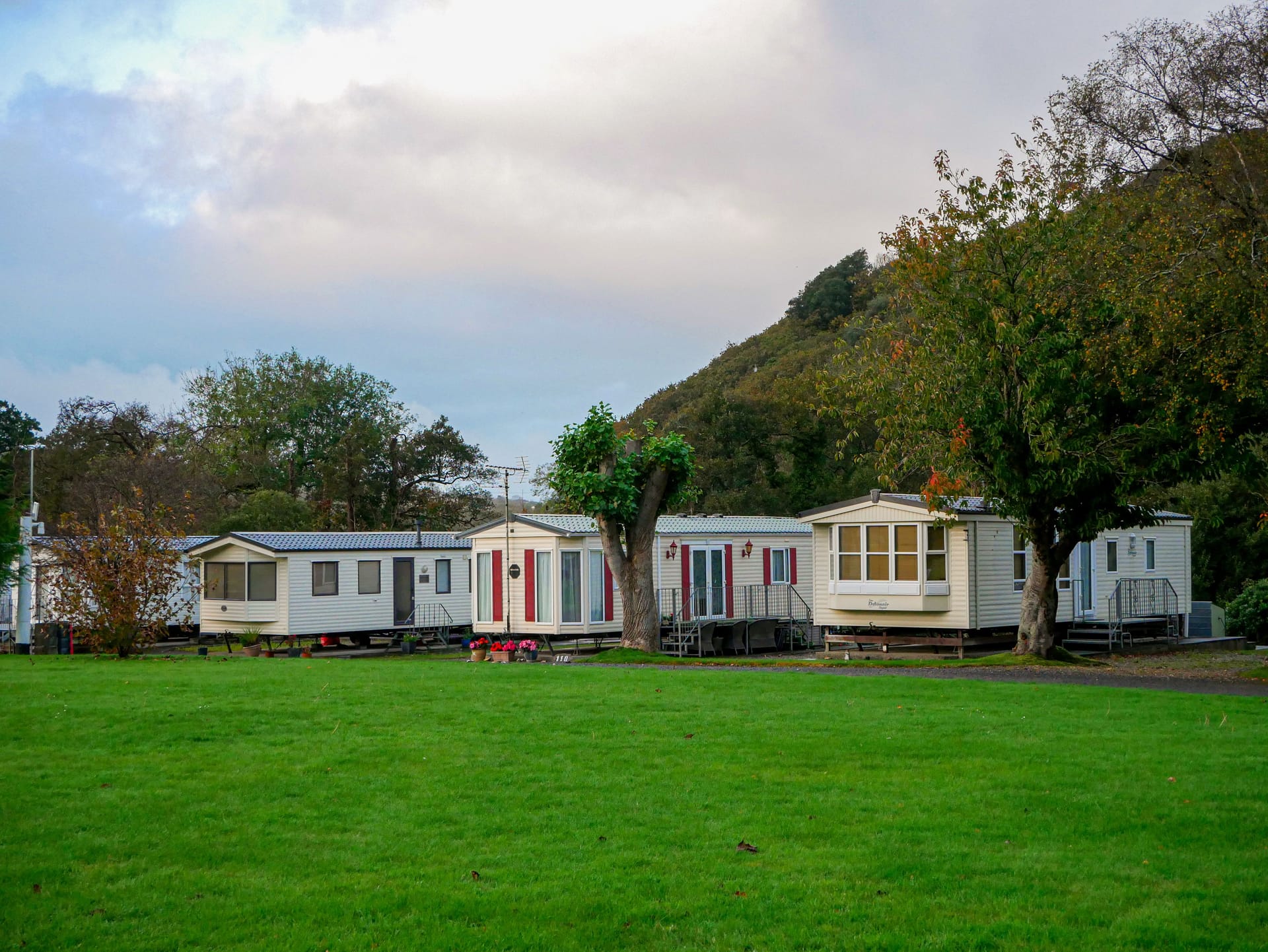
Light, moveable, seasonal setups (bell tents, yurts, campervans) can sit inside the Class BC campsite right in England, so up to 60 days and 50 pitches with the conditions above. The moment the accommodation becomes a static caravan, a permanently sited pod, a shepherd's hut left out all year, or anything on hard standing with services, you have almost certainly made a material change of use and you need full planning permission. Where you fall on that line is a fact-and-degree judgement, so it is worth a pre-application conversation before you buy the pods.
Campsites
A seasonal tent-and-campervan campsite can run under Class BC in England (60 days, 50 pitches, conditions). A permanent or year-round campsite is a material change of use and needs full permission, and if you are siting caravans you will usually also need a caravan site licence from the council on top of planning. Remember the old 28-day camping route is closed in England, so do not rely on it.
Equestrian: grazing versus keeping
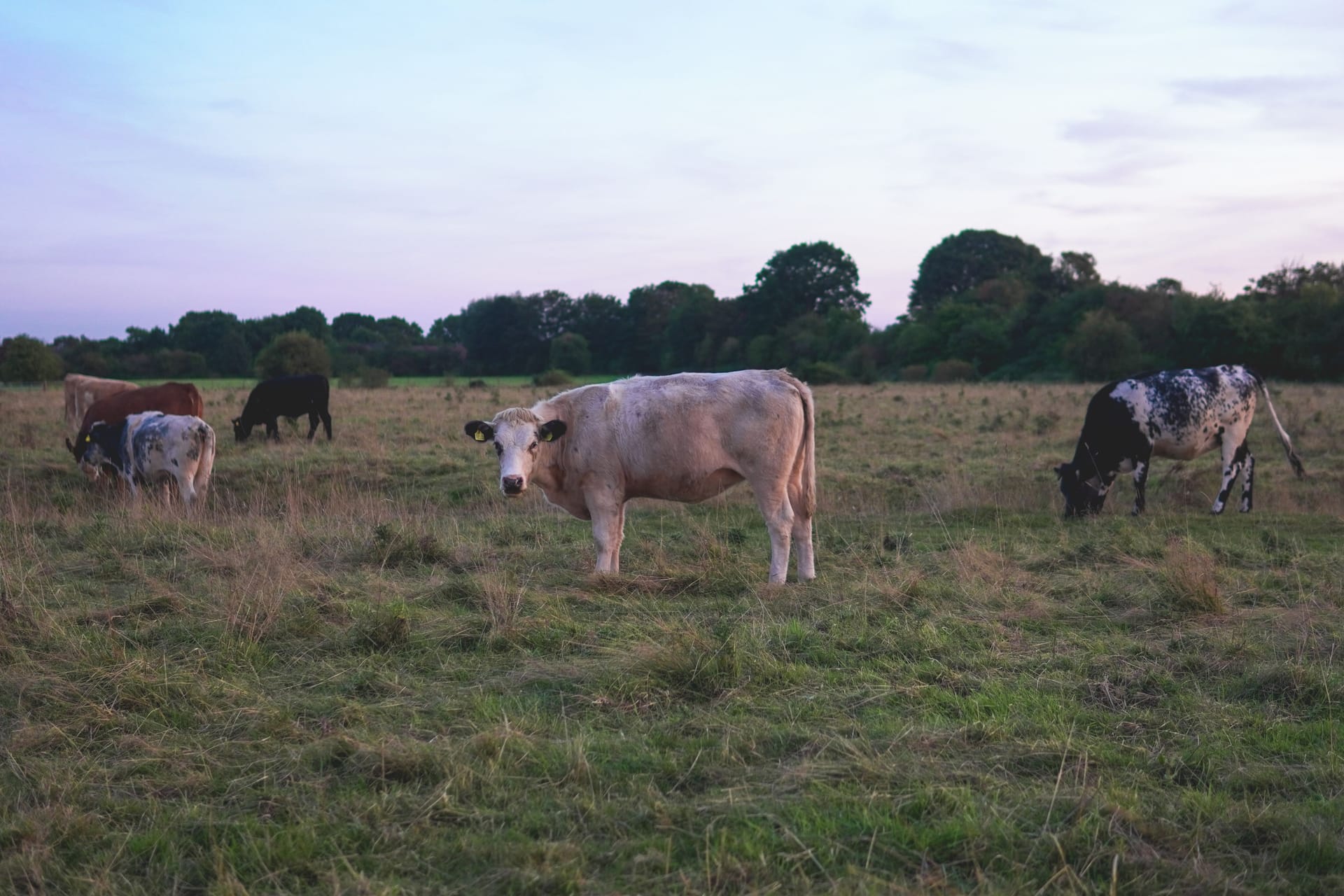
This is the single most misunderstood one, and it turns on a legal definition rather than common sense.
Farm shops and cafés
Selling your own produce in a modest way, ancillary to the farm, generally needs no permission. A distinct retail or catering business that draws the public in, with bought-in goods, a café, parking and signage, is normally a material change to a commercial (Class E) use and needs permission. If you are converting an existing agricultural building rather than using open land, England's Class R right (below) can offer a lighter route.
Events and weddings
An occasional event might fit inside the 28-day rule, since the 14-day sub-limit only applies to markets and motor racing, so a wedding counts against the plain 28 days. But a regular weddings or events business, run commercially through the season, is a material change of use and needs full planning permission. Councils do enforce against unauthorised event businesses, so do not build a booking calendar on the 28-day right alone.
Converting farm buildings: Class R and Class Q (England)
If your diversification means changing the use of an existing agricultural building rather than open land, two permitted development rights can offer a lighter route than a full application. Both were updated on 21 May 2024.
Class R turns an agricultural building into flexible commercial use. That covers general industrial (B2), storage or distribution (B8), hotels (C1), commercial, business or service uses (Class E, which includes shops, cafés and offices), outdoor sport or recreation, and agricultural training. The cumulative floor space that can change under Class R is capped at 1,000 square metres. Up to 150 square metres you only have to send the council some information (prior notification); above 150 square metres you need prior approval. The building has to have been in sole agricultural use as part of an established unit on 3 July 2012 (or for ten years if it came into use later), and it cannot be a listed building or scheduled monument.
Class Q turns an agricultural building into homes. Each new home can be up to 150 square metres, with a maximum of ten homes and up to 1,000 square metres in total per agricultural unit, and it needs prior approval. The building has to have been part of the established agricultural unit on 24 July 2023 (or for ten years). Class Q does not apply to listed buildings or scheduled monuments, and it is excluded on protected "article 2(3) land", which means National Parks, the Broads, Areas of Outstanding Natural Beauty, conservation areas and World Heritage Sites.
Nation by nation
Planning is devolved, and the temporary-use rights in particular differ sharply. England's 60-day campsite right does not exist elsewhere. Always confirm against your nation's current source.
| Nation | Camping / campsite temporary right | Barn conversion rights | Notes |
|---|---|---|---|
| England | Class BC: up to 60 days a year, max 50 pitches, tents and campervans only, with conditions. Camping excluded from the 28-day rule since 26 July 2023. | Class R (commercial) and Class Q (homes) available, updated May 2024 | Flood Zone 2 or 3 needs prior approval; protected land and Article 4 directions can remove rights |
| Scotland | The 28-day model still applies (around 28 days, with tighter limits for some uses). No 60-day campsite equivalent. | No equivalent Class R or Class Q; conversions generally need a full application | Different order and classes; check gov.scot and your planning authority |
| Wales | The 28-day temporary-use right applies. No 60-day campsite right. | No equivalent Class R or Class Q; conversions generally need a full application | Some areas are removing even the 28-day camping right (for example Pembrokeshire Coast National Park has moved to restrict it); check locally |
| Northern Ireland | A 28-day-style temporary-use right applies. No 60-day campsite right. | No equivalent Class R or Class Q | Check with your council and the Department for Infrastructure |
The traps people fall into
- Relying on the old 28-day camping route in England. It closed on 26 July 2023; camping now goes down the 60-day Class BC route.
- Treating Class BC as a free-for-all. It is tents and campervans only, needs on-site toilets and waste, needs a written notification each year, and needs prior approval in a flood zone.
- Calling a horse setup "agricultural". Grazing is agriculture; keeping, riding and livery usually are not.
- Assuming a farm shop or wedding business is just "part of the farm". Once it draws the public as a business, it is normally a material change of use.
- Reading England's rights across to Scotland, Wales or Northern Ireland. The 60-day right and the Class R and Class Q routes are England only.
- Forgetting the standing caveats. Article 4 directions, National Parks, Areas of Outstanding Natural Beauty, conservation areas, SSSIs, listed buildings, scheduled monuments and flood zones can all remove or restrict these rights.
- Confusing planning with rates and licences. A campsite may also need a site licence; a diversification can change your business rates. Those are separate systems from planning permission.
Before you build or sell: check these
- Is what you are planning a genuine change in how the land is used, in fact and degree, or is it modest and ancillary to the farm?
- Which nation's rules apply, and have you used the current figure, not an out-of-date one (like "28 days camping" for England)?
- If it is camping in England, can it fit inside Class BC: 60 days, 50 pitches, tents and campervans only, with toilets, waste and a written notification, and prior approval if you are in a flood zone?
- If it is horses, is the land genuinely just grazing, or has it tipped into keeping, riding or livery?
- If you are converting a building, does it qualify for Class R or Class Q, and are you clear on the floor-space caps and the prior-approval step?
- Is the site on protected or designated land, or under an Article 4 direction, that removes these rights?
- Do you also need other consents: a caravan site licence, building regulations approval, or a change to your business rates position?
When in doubt, apply for a Certificate of Lawful Development or book a pre-application chat with your council, and read the current gov.uk, gov.wales, gov.scot or planningni.gov.uk guidance for your nation before you spend a penny.
This guide is general information, not formal legal, financial, medical or veterinary advice. UK rules, prices and best practice change, and some rules differ across England, Scotland, Wales and Northern Ireland, so always check the current position with the relevant official source (such as gov.uk, the NHS, the FSA, DEFRA or APHA, or the RHS) or a qualified professional before acting. Last checked July 2026.
Frequently asked questions
Sources
- When is permission required? (Planning Practice Guidance) , Ministry of Housing, Communities & Local Government (gov.uk)
- Town and Country Planning (General Permitted Development) (England) Order 2015, Schedule 2, Part 4 (temporary uses, Classes B and BC) , Legislation.gov.uk
- Town and Country Planning (General Permitted Development etc.) (England) (Amendment) Order 2023 (SI 2023/747): camping exclusion and Class BC , Legislation.gov.uk
- Town and Country Planning (General Permitted Development) (England) Order 2015, Schedule 2, Part 3, Class R (agricultural buildings to flexible commercial use) , Legislation.gov.uk
- Town and Country Planning (General Permitted Development) (England) Order 2015, Schedule 2, Part 3, Class Q (agricultural buildings to dwellinghouses) , Legislation.gov.uk
- Town and Country Planning (General Permitted Development etc.) (England) (Amendment) Order 2024 (SI 2024/579): Class R and Class Q changes , Legislation.gov.uk
- Town and Country Planning Act 1990, section 55 (meaning of development) , Legislation.gov.uk
- Town and Country Planning Act 1990, section 336 (definition of agriculture) , Legislation.gov.uk
- Lawful development certificates , gov.uk
- Is planning permission required for the keeping of horses on agricultural land? , Walker Morris LLP (planning commentary)
Written by
UK Homesteading Team
Editorial team
The UK Homesteading editorial team, offering UK-specific, evidence-led guidance on growing, keeping, preserving and the law.