Every grower meets the glut sooner or later. One week you are proudly picking the first courgettes of the year; three weeks later you are hiding them in neighbours' porches and lying awake wondering whether marrow cake is a real thing. A glut feels like wealth, a great heap of free food, and in a sense it is. The problem is that it is the wrong kind of wealth. It is perishable, it all arrives at once, and worst of all, everyone else has exactly the same pile at exactly the same moment. A courgette in mid-August has almost no local cash value, because the whole street is trying to give theirs away too.
So the honest starting point is this: you rarely make money from a glut by simply selling the raw thing at peak. The pounds come from one of three moves. You get there first, while your produce is still scarce and people will pay a small premium. You add value, turning something perishable into something that keeps and is worth more. Or you sell where others are not selling, to a buyer who is not already drowning in the same surplus. Everything below is built around those three levers, plus a fourth, unglamorous but real: if none of it works, do not waste it.
Why a glut is worth less than it looks
It helps to be clear-eyed about the economics before you set up a stall. Kev Alviti, who writes the long-running smallholding blog An English Homestead, put the idea plainly when he considered starting a roadside honesty box: growing more summer crops to sell the surplus, so that "a few quid here and there would really help to cover the costs of my garden and reduce waste." That is the right ambition for most gluts. Not a salary, but offsetting your costs and turning waste into a bit of cash and a lot of goodwill.
The comments under that post are more instructive than any textbook. One reader, a seller who described more than twenty years of running an honesty box in Suffolk, listed her best earners as tomatoes, runner beans, thin French climbing beans (which she rated for "REALLY good profit"), onions, beetroot and cucumbers. Her single worst seller? "Courgettes, especially when everyone has a glut." That is the whole lesson in one line. The things that sell are the things that are either scarce, a bit special, or awkward to buy well in a supermarket. The things that do not sell are the things every other grower is also trying to shift that week.
The glut playbook
Work through these in order. The earlier moves are quick and low-effort; the later ones are your safety net so nothing is truly wasted.
Five ways to get value out of a glut
- 1
Sell it fast and fresh, while it is scarce
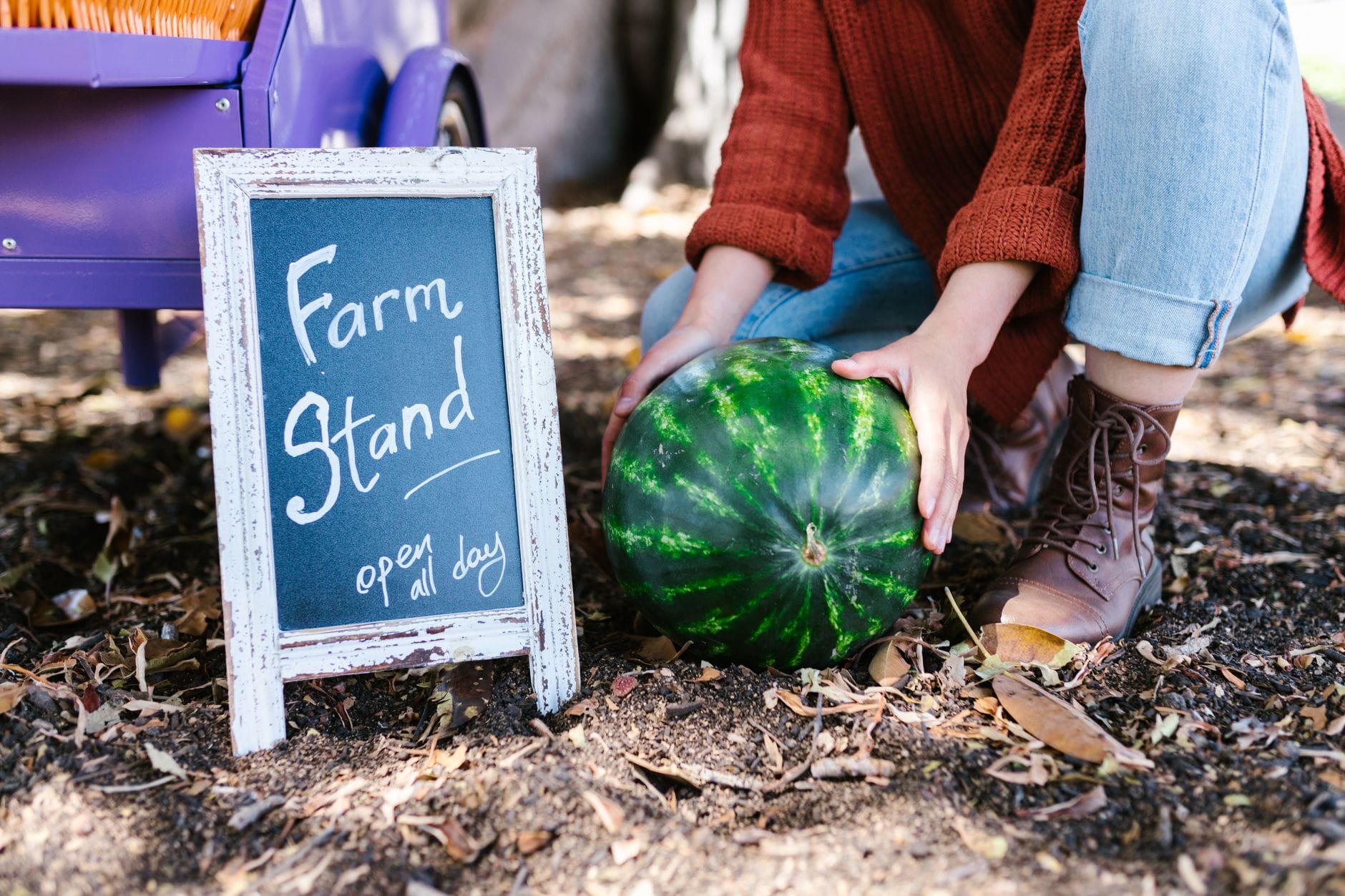
Speed is your first and cheapest advantage. Early-season and first-of-the-year produce carries a premium before the neighbourhood catches up, so move it the moment it peaks. A gate stall or honesty box outside the house, a quick offer to neighbours, colleagues and local social-media or allotment groups, and a friendly word with a nearby shop, cafe or pub that wants genuinely local stock will all shift fresh produce faster than a farmers' market you have to book and staff. Pick, price simply, and sell today. See our roadside honesty-box guide for doing this legally.
- 2
Add value so it keeps and is worth more
This is where a glut usually becomes real money. Turn the perishable into the shelf-stable: jam and chutney from a fruit glut, passata or sauce from a tomato flood, pressed juice from apples, dried or frozen from almost anything. A jar or bottle keeps for months and sells for far more than the raw ingredient, and it turns a two-week panic into stock you can sell all winter. This is a bigger step with its own food-business rules, so read our adding-value-for-profit guide before you scale a kitchen sideline.
- 3
Sell to a different buyer
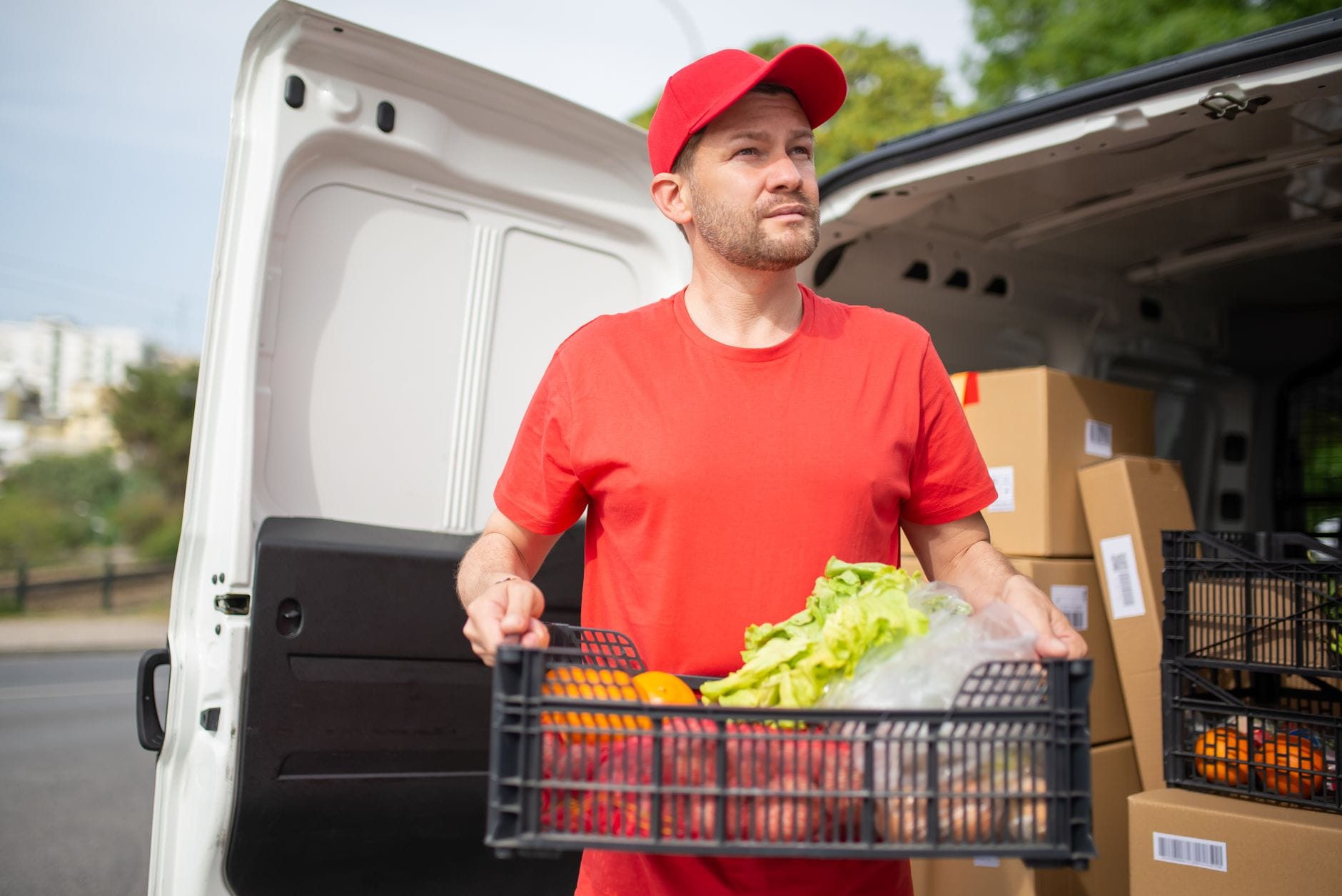
Your local market is saturated, but other buyers are not. A cafe or pub that advertises local sourcing, a veg-box scheme that needs volume, or a maker who needs your exact ingredient (a jam producer wanting fruit, a chutney maker wanting your surplus onions) are all buying while your neighbours are giving away. Selling business-to-business moves quantity in one drop instead of one bag at a time. Our finding-customers guide covers how to build these relationships.
- 4
Barter and swap with other producers
Cash is not the only currency. Swap your courgette glut for someone else's egg glut, your apples for their honey, your beans for their sausages. Barter costs you nothing, uses up the surplus, and quietly broadens the range of things you can then sell on or use, without either of you spending a penny. A local growers' or smallholders' group is the natural place to set this up.
- 5
If it still will not sell, do not waste it
Anything left is not a failure, it is a resource. Preserve it for your own use and count the saving on your food bill as money made. Feed suitable surplus to livestock: chickens will happily demolish a split courgette or marrow. Give the freshest away to a community fridge or food-sharing group for goodwill. And compost the rest, feeding next year's beds. Nothing rots on the path if you work down this list.
Add value: the real cash lever
If you take one idea from this guide, take this one: processing a glut is what turns it from pennies into pounds. The clearest UK example is community apple pressing. Across the country, volunteer Abundance groups (coordinated loosely through networks supported by the Permaculture Association and The Orchard Project) harvest unwanted fruit that would otherwise rot under the tree and press it into juice. In North Yorkshire, the Kirkby Fruit Project has been doing exactly this for over a decade. By their own account they have juiced around 35 tonnes of unwanted apples into more than 16,000 bottles of pasteurised apple juice and raised in the region of £17,000 for local community groups. Those apples were, individually, worthless: a carpet of windfalls nobody wanted. Pressed and bottled, they became a product with a shelf life and a price.
The same logic scales down to your kitchen and, occasionally, a long way up. Nicola Elliott founded Single Variety Co in 2016 making twenty-five jars of preserve at a time on a domestic hob and selling them from a market stall in Balham; the business has since grown to produce thousands of jars a week and turn over more than £1.6 million. That is emphatically not what a garden glut becomes for most people, and it would be dishonest to pretend otherwise. It is a rare outlier that took years, serious investment and a lot of hard graft. But it shows the direction of travel: the value is created when you process, brand and keep, not when you sell a raw surplus at the bottom of the market.
A note on apples specifically, because they are the classic glut. Chris Simmonds of the Kirkby project makes the scale vivid: a single mature, garden-sized apple tree can produce over 150kg of fruit in a year, and many early varieties keep only a few weeks. Three trees and you are heading for half a tonne. No household eats that. Juice, sauce, dried rings, chutney and cider vinegar are how that half-tonne stops being a problem and starts being either stock to sell or a larder that saves you money all winter.
Sell where others don't: box schemes and B2B
The other reliable lever is the buyer nobody else is chasing. Farmers Weekly, writing about growers who run their own veg-box schemes, makes the point that a weekly box is a natural home for a glut: the box "absorbs some of the gluts," soaking up whatever happens to be peaking that week rather than leaving it unsold. A box scheme is more commitment than an honesty box, but it gives you a customer who has already agreed to take variety, which is exactly what a glutting garden produces.
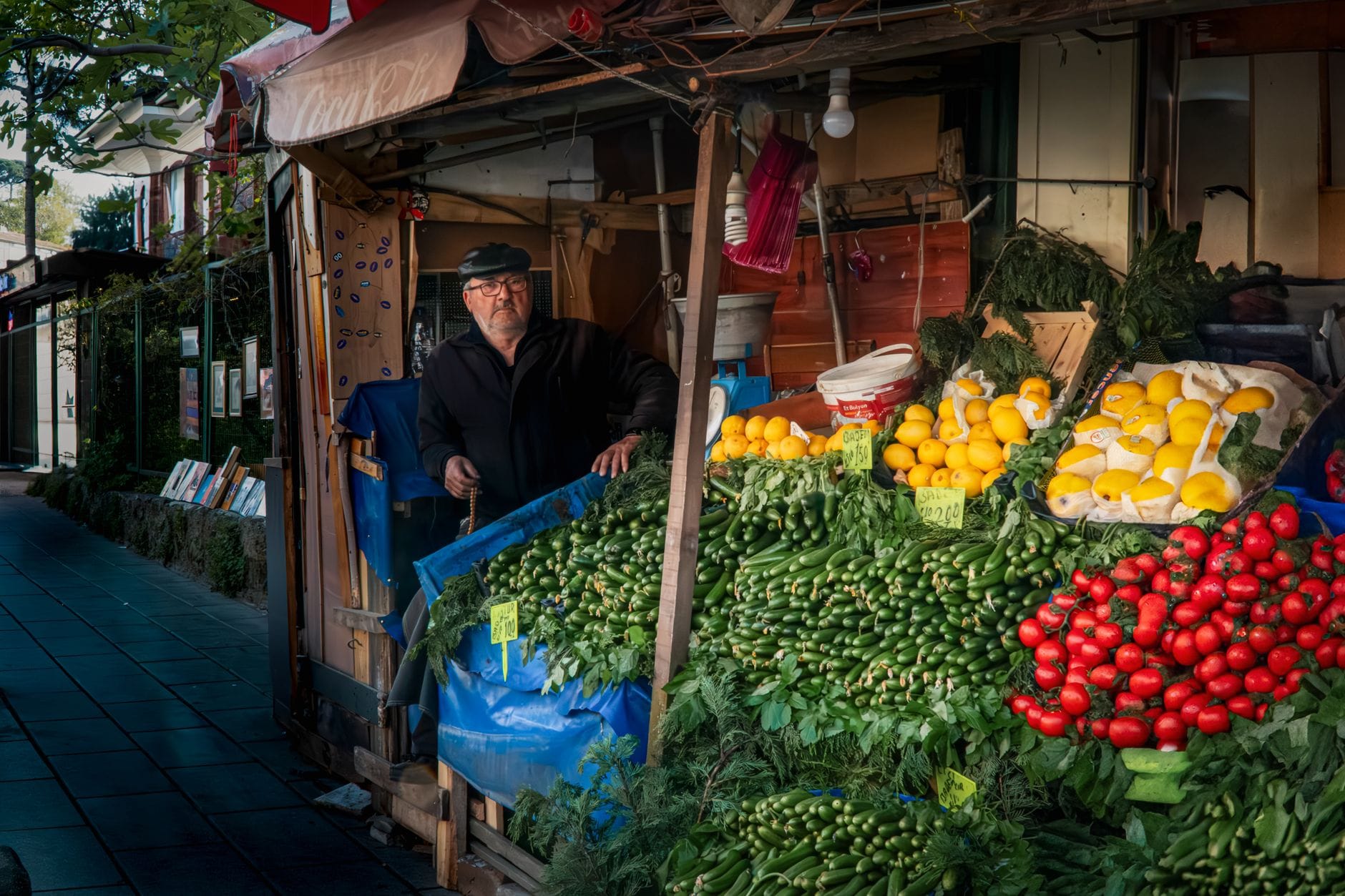
Below a full box scheme, think about single local buyers who are not part of the neighbourhood surplus. A cafe that wants local tomatoes for its menu, a farm shop, a baker who needs your apples, a maker who needs your ingredient. These buyers take quantity, pay a fair trade price, and are not sitting on their own glut of the same thing. Our guide to finding customers goes into how to approach them and price for repeat business rather than a one-off dump.
The honest truth, and next year
Here is the reality check the marrow-cake fantasies leave out. At the peak of a common glut, the direct cash per item is tiny, and no amount of stall-side optimism changes that. The smart money is in value-adding or in being early, not in selling a raw peak surplus that half the county also has. If you are spending a Saturday manning a stall of £0.20 courgettes nobody wants, you have found the problem too late.
The real fix is upstream, in the seed tray. A glut is usually a sowing mistake: a whole packet of courgettes going in on one weekend gives you a wall of fruit in one month and nothing on either side of it. Succession sowing spreads the harvest into a steady, sellable trickle. UK grower guidance, such as the RootsPlants succession-planting guide, suggests sowing just three or four courgette plants at a time and repeating every couple of weeks, so plants mature in sequence and you get a staggered harvest you can enjoy in moderation, rather than the usual glut of courgettes with everything. The same discipline applies across the plot: grow a spread of crops and varieties rather than a lot of one thing, favour what stores or what is hard to buy locally, and plan your planting around what you can actually sell.
That is the difference between a glut and a business. A glut is one big unsellable pile. A planned harvest is a season of small, scarce, sellable pickings. If you are thinking about which crops earn their keep and how to price them, our guides on adding value for profit and finding customers are the natural next reads.
Keep it legal
Selling raw, uncut fruit and veg from your gate is light-touch, but not rule-free: your produce must be safe and honestly described, and if you sell regularly you may need to register as a food business with your local council, which is free and straightforward. The moment you cook, bottle, preserve or juice, more applies: food-business registration, safe production, labelling, allergen information and, for some products, testing. Feeding surplus to livestock has its own rules, and it is illegal in the UK to feed kitchen or catering waste to pigs, so check the current guidance before you tip a bucket over the fence. Our adding-value-for-profit and roadside honesty-box guides cover the specifics; when in doubt, your local council's food-safety team is the place to ask.
This guide is general business information, not financial, tax or legal advice. Named figures and examples are drawn from the sources listed and are illustrative of what real growers and projects have done, not a promise of what you will earn. Check your own numbers, your local council's food-business and food-safety guidance, and speak to an accountant about tax before you start selling. Last checked July 2026.
Frequently asked questions
Sources
- What To Grow For An Honesty Box? , Kev Alviti, An English Homestead
- Guest Post: Raising funds for the community, by turning surplus apples into juice (Kirkby Fruit Project) , Helmsley Walled Garden / Chris Simmonds, Kirkby Fruit Project
- Abundance projects (community fruit-harvesting network) , Permaculture Association
- Fruit donations (Abundance groups and surplus fruit) , The Orchard Project
- Maximise margins with your own veg box scheme , Farmers Weekly (fwi.co.uk)
- 'We made 25 jars at a time with six pans on the go - now our business boasts a world's best marmalade' (Single Variety Co) , Yahoo Finance UK
- Succession Planting: UK Grower's Guide , RootsPlants
Kit for this job (Ad)

We may earn a small commission, at no cost to you. We only list kit we'd use.
Written by
UK Homesteading Team
Editorial team
The UK Homesteading editorial team, offering UK-specific, evidence-led guidance on growing, keeping, preserving and the law.