Almost every smallholding starts the same way: a few too many eggs, a glut of courgettes, a bucket of dahlias, and someone says "you should sell those." So you do. A tenner here, a fiver there, enough to buy the next bag of feed. That is where most smallholdings stay, and there is nothing wrong with that at all. The trouble starts when "a bit of pocket money" quietly turns into an ambition to make a real living, without anyone deciding it should, or working out what that actually takes.
This guide is about that jump. Not the dream version, the honest version. Because scaling from pocket money to a wage is not just "more hens" or "a bigger patch." Each step up needs more land, more capital, more time, more skill and, above all, more risk. Most people who look at that clearly decide to stop partway up, and that is a perfectly good decision. The aim here is to help you climb deliberately if you want to, and to stop deliberately if you do not.
The reality ladder
It helps to name the rungs, because the advice that suits one is wrong for another. A few hens are pocket money and a way to offset feed. An acre of market garden, worked hard, is a part-time wage. A full-time living is a different life again.
The four rungs, and what each one really is
- 1
Pocket money (offsets your costs)
Surplus eggs, seasonal gluts, a few bunches of flowers. It pays for feed, seed and compost, maybe a little over. Almost no extra risk, no planning issues, no staff. This is where most smallholdings live, and it is a genuine, sensible destination.
- 2
A modest side income
A regular stall, a small veg-box round, cut flowers to local florists. Now you are keeping records, thinking about pricing, and giving up some evenings and weekends. It supplements a wage or pension rather than replacing one. Still low risk, still reversible.
- 3
A part-time wage
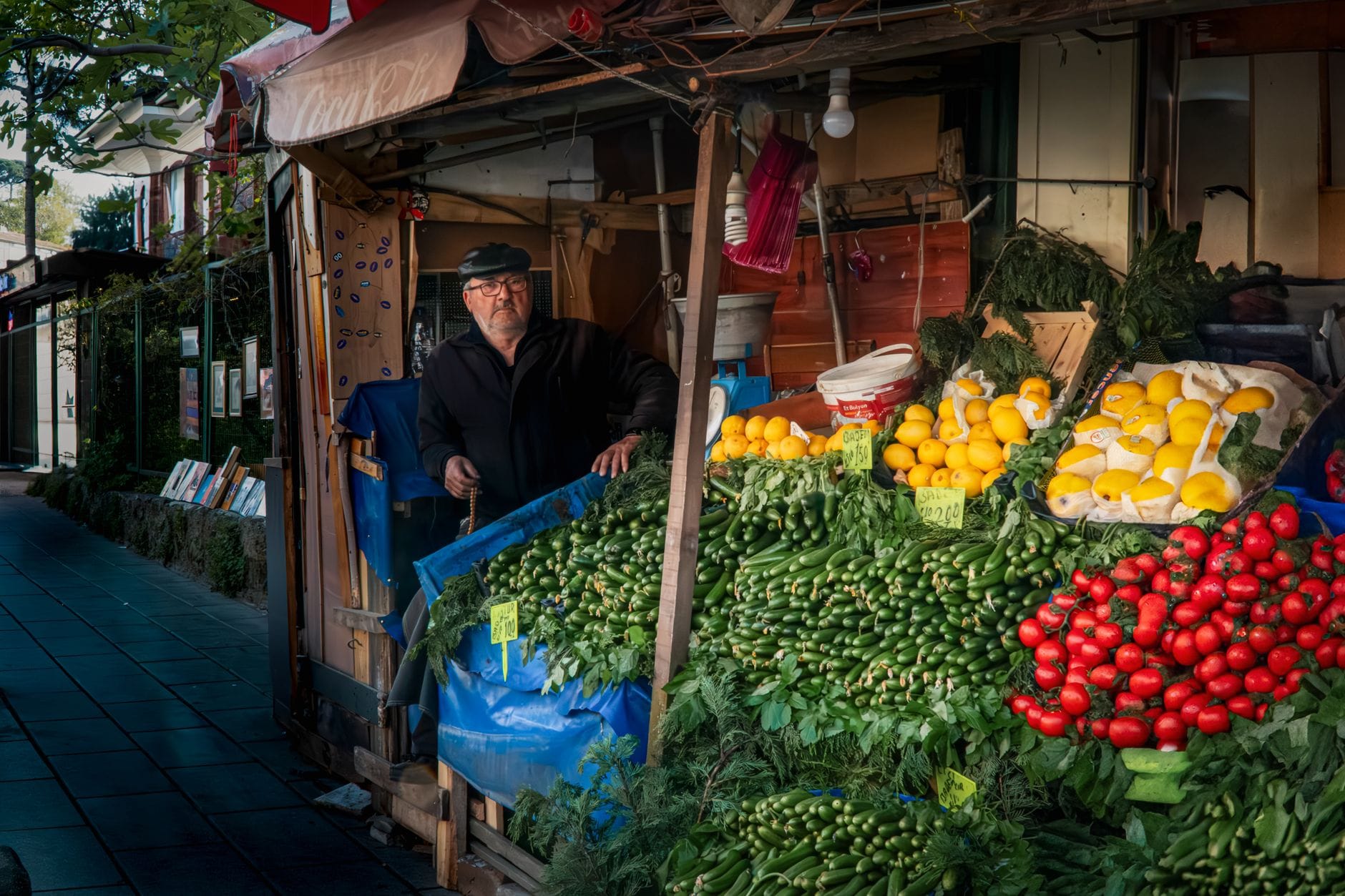
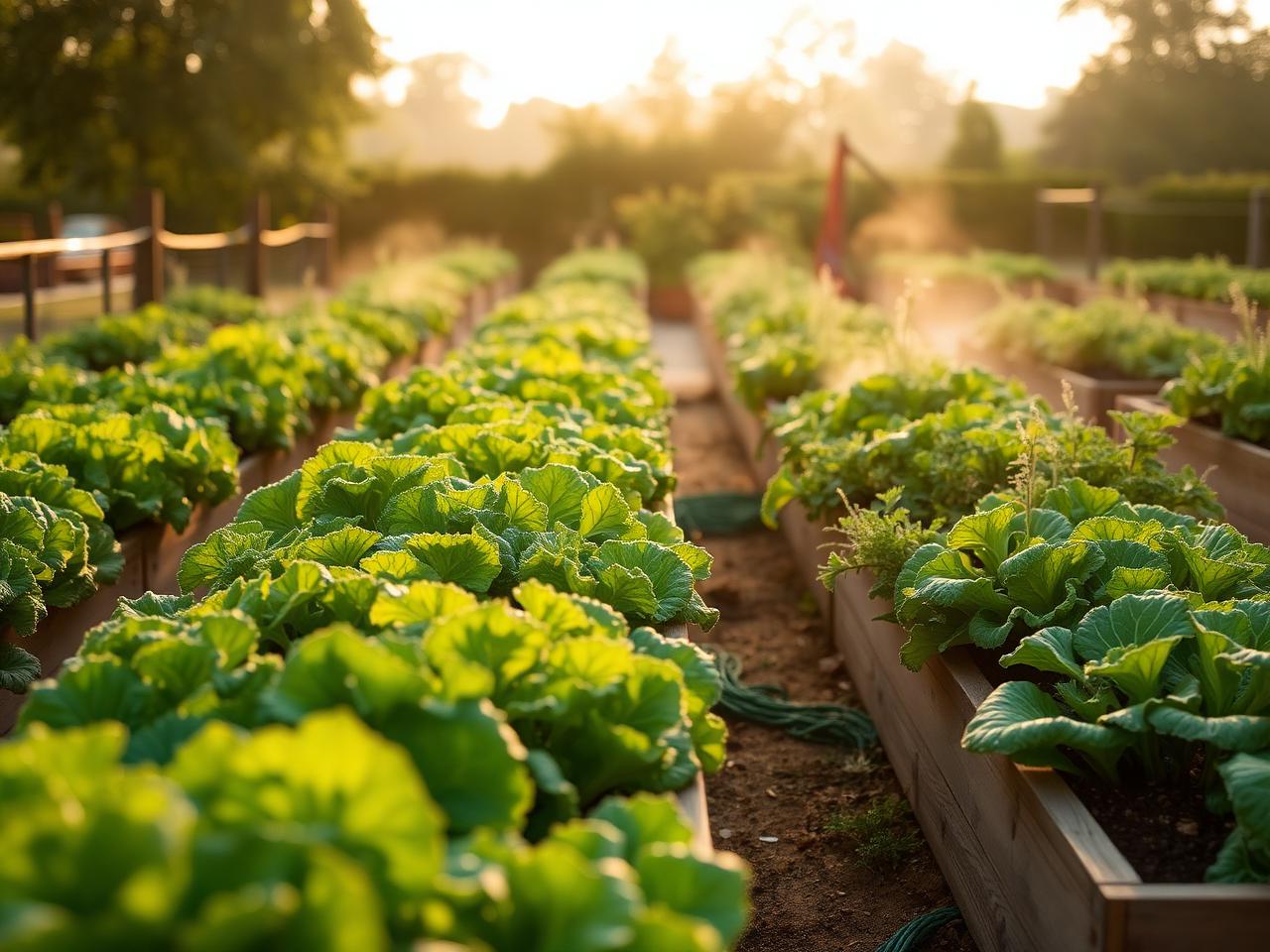
A focused market garden, a flower plot, or a rare-breed line run properly. This is real graft on high-value crops, and it can genuinely pay a part-time income, but it starts to fill your week and demands proper systems and marketing, not just growing.
- 4
A full-time living
Rare from a small acreage on produce alone. It almost always means one specialism done very well, value added to it, recurring income underneath it, and higher-margin diversification on top. It is a proper business, with the capital, hours and stress that implies. Go here on purpose, or not at all.
Be honest with yourself about which rung you actually want. Charles Dowding, whose quarter-acre no-dig garden at Homeacres in Somerset is about as productive as small growing gets, is refreshingly blunt that "market gardening is so marginal economically." His garden reports roughly £21,000 of gross output a year, mostly salad leaves for local restaurants and shops. That is an excellent result for a quarter of an acre, and it is still not, on its own, a comfortable full-time salary. Which is exactly why the growers who reach full-time do more than grow.
What actually lets real people scale
Look at the UK growers who have genuinely climbed the ladder and the same handful of moves come up again and again. None of them is "work harder." They are all about changing the shape of the business.
Specialise in one high-value thing, done well. The scattergun smallholding, a bit of everything, rarely pays. The businesses that reach a real income usually pick one thing and get genuinely good at it. Debbie Richards left a head-of-HR career to start Nature's Posy, a cut-flower farm in Cambridgeshire, growing on half an acre of rented land. Flowers are a deliberate choice: high value per square metre, sold locally and fresh where imported blooms cannot compete. Specialising let her build a reputation and a brand rather than being one more stall selling a little of everything. Our guide to enterprises that make money walks through which specialisms tend to pay on a UK smallholding.
Add value instead of selling raw and cheap. The biggest lever on a small acreage is keeping more of the retail price. Raw wool, plain eggs and loose veg sell for pennies; a finished, branded, processed product sells for pounds. This is often the difference between pocket money and a wage on the same amount of land, and it is worth a guide of its own: see adding value for profit.
Build recurring income you can count on. A one-off sale is gone the moment it happens; a subscription comes back every week. Veg boxes, flower subscriptions and standing orders to local shops turn a lumpy, hope-for-the-best income into something you can plan around, because money is committed before the season starts. That predictability is what makes scaling less terrifying. We cover how to build it in recurring income.
Diversify into higher-margin activities. This is where a lot of the real money on small holdings actually sits, and it is often not the growing at all. Courses, workshops, experiences, on-farm events, holiday accommodation and renting out space can carry far higher margins than produce. Charles Dowding says his courses "bring in as much income as the growing," and he charges for garden visits too. Georgie Newbery at Common Farm Flowers in Somerset grows flowers but is also an author and teacher, running workshops, and it was one of her books that first inspired Debbie Richards to start. Liz Zorab, who runs the tiny Byther Farm smallholding in Wales on around eight-tenths of an acre and grows a remarkable share of her family's food, has turned the knowledge into books and a YouTube channel rather than relying on selling produce from such a small plot. In each case, the growing is the credibility, and the teaching, writing or experience is a large part of the income.
Reinvest or take the money?
Every pound the business makes early on faces the same question: does it go into your pocket, or back into the holding? There is no universal answer, but there is a sensible principle. Reinvest while a pound put back reliably grows next year's income, in a polytunnel that extends your season, irrigation that saves your crop, or a cold store that cuts waste, and start taking the money once the business is stable and the obvious high-return investments are done. What you want to avoid is the trap of a business that grows forever and never actually pays you. Scaling is a means to an income, not an end in itself.
Cashflow, seasonality and the labour ceiling
Two practical realities catch out almost everyone who scales.
The first is that smallholding income is lumpy. It arrives in a summer rush and thins to nothing in winter, while the bills, the rent and the feed carry on all year. A business that looks profitable on the annual total can still run out of cash in February. Building recurring income helps, keeping a cash buffer helps, and spreading sales across seasons, with courses in winter or stored and value-added products, helps most of all. Plan for the lean months while the good months are paying.
The second is the labour ceiling. You can only do so much yourself, and on a smallholding you usually are the whole workforce. There comes a point where growing further means one of three things: putting in systems so your existing hours go further, bringing in help and paying for it, or specialising so tightly that a small area earns a lot. Debbie Richards is candid that running even a small flower business takes "more hours than you ever thought possible," between growing, harvesting at dawn, accounts, marketing and social media. More turnover with the same pair of hands has a hard limit, and hitting it exhausted is how good smallholdings quietly fail.
The honest warnings
This is the part where over-promising does the most damage, so here it is straight.
Do not scale a loss. If an enterprise loses money at small scale, or only "works" because you value your own time at nothing, making it bigger makes the loss bigger. Fix the margin first, then grow the volume. A profitable small thing is worth scaling; an unprofitable one is worth fixing or dropping.
Do not quit the day job on a hope. The safest path most successful growers take is to build alongside a wage or on savings deliberately set aside, and to give up the salary only once the income and the customers are proven. Debbie Richards saved hard and used her savings to cover the bills so she "did not have to worry about selling anything" in year one, and even then found it stressful. Prove the demand and build a cushion first.
Grow demand before supply. Planting an acre of anything before you know who will buy it is how you end up composting your profit. Line up the customers, the outlets and the subscriptions, then grow into that demand, not ahead of it.
Accept that it stops being "the good life." A hobby that pays for itself is a joy. A business that has to pay a wage is a business, with accounts, marketing, deadlines, difficult customers and no off-switch in the growing season. That is not a reason to avoid it. It is a reason to go in with your eyes open, and to be genuinely happy to stop at the rung that still feels like a good life to you.
Keep it legal
The moment you sell, you are trading, and different rungs bring different rules. Selling produce means food-hygiene registration and labelling once you go beyond the smallest scale; keeping livestock brings registration and movement rules; and diversifying into courses, retail, accommodation or events usually means planning permission for change of use, plus business rates and insurance. None of it is a reason not to scale, but all of it is a reason to check before you invest, not after. Match the compliance to the rung you are actually on, and talk to your local authority and an accountant as the business grows.
This guide is general business information for UK smallholders, not financial, tax, planning or legal advice. Income figures from named growers and from Defra's Farm Business Survey are real and attributed, but they describe other people's businesses at a point in time and are not a forecast for yours: your land, market, costs and effort will produce very different numbers. Before you scale, work out your own costs and margins and take advice from a qualified accountant on tax, and from your local planning authority on any change of use. Last checked July 2026.
Frequently asked questions
Sources
- Charles Dowding (farmer profile: Homeacres, quarter-acre output and courses) , Agricology
- Charles Dowding: no dig market gardening , Charles Dowding / Homeacres
- From HR to flower farmer (Debbie Richards, Nature's Posy: member story) , Flowers from the Farm
- The Micro Smallholding: Grow 85% of your food on 8/10th acre (Liz Zorab, Byther Farm) , Permaculture magazine
- About Us (Georgie Newbery, author and teacher) , Common Farm Flowers
- Farm Accounts in England, Chapter 5: Diversification (2024/25) , Defra (GOV.UK, Farm Business Survey)
Written by
UK Homesteading Team
Editorial team
The UK Homesteading editorial team, offering UK-specific, evidence-led guidance on growing, keeping, preserving and the law.