Soup is the most forgiving cooking there is. Get the basic method into your hands and you can turn almost any glut, bag of veg, or half-empty fridge into something warm and genuinely good. Nothing here needs special kit beyond a pan and something to blend with, and every recipe scales up happily for the freezer.
A quick note on stock: a good stock cube or two dissolved in boiling water is perfectly fine for all of these. If you keep a tub of homemade stock in the freezer, even better. And where a recipe says "season well", taste it before serving and add salt a pinch at a time. Soup nearly always wants a little more than you'd think.
What's the easiest soup to make from scratch?
Leek and potato. It's the one to learn first, because the method is the template for half the soups you'll ever make, and it's hard to get wrong.
Leek and potato soup (serves 4)
- 3 leeks (about 400g), sliced and washed well
- 400g potatoes, peeled and cubed
- 1 onion, chopped
- 50g butter
- 1 litre vegetable or chicken stock
- Salt and black pepper; a splash of cream or milk to finish (optional)
Melt the butter in a large pan over medium-low heat. Add the leeks and onion with a pinch of salt and cook gently for 8 to 10 minutes until soft but not coloured. That slow start is where the flavour comes from. Add the potatoes and stock, bring to the boil, then simmer for 15 minutes until the potato is soft. Blend until smooth, season well, and stir in a splash of cream or milk if you like. Serve with thick bread.
How do you make simple tomato soup?
Fresh, home-blended tomato soup is worlds away from the tinned stuff, and it costs very little, especially in late summer when tomatoes are cheap or you've got your own.
Tomato soup (serves 4)
- 800g ripe tomatoes, roughly chopped (or 2 × 400g tins)
- 1 onion, chopped
- 1 carrot, chopped
- 2 garlic cloves, sliced
- 2 tbsp olive oil
- 700ml vegetable stock
- 1 tsp sugar, plus a pinch of dried basil or a few fresh leaves
Warm the oil in a pan, add the onion and carrot, and cook gently for 10 minutes until soft. Add the garlic for the last minute. Tip in the tomatoes, stock and sugar, then simmer for 20 minutes. Blend until smooth. If you want it really velvety, push it through a sieve, though it's not essential. Season well and finish with basil.
What goes in carrot and coriander soup?
Just carrots, onion, a little spice, stock and fresh coriander stirred through at the end. It's a British café classic for good reason. Cheap, bright orange, and genuinely tasty.
Carrot and coriander soup (serves 4)
- 600g carrots, sliced
- 1 onion, chopped
- 1 tbsp oil or 25g butter
- 1 tsp ground coriander
- 1 litre vegetable stock
- A good handful of fresh coriander, chopped
Soften the onion in the oil for 5 minutes. Stir in the ground coriander and cook for a minute until fragrant. Add the carrots and stock, bring to the boil, then simmer for 20 minutes until the carrots are completely tender. Blend, then stir most of the fresh coriander through, keeping a little to scatter on top. Season well.
How do you make butternut squash soup?
Roasting the squash first is the trick. It turns the flesh sweet and silky and means the soup needs barely any other flavouring.
Butternut squash soup (serves 4)
- 1 butternut squash (about 1kg), peeled, deseeded and cubed
- 1 onion, chopped
- 2 tbsp olive oil
- 1 garlic clove
- 800ml vegetable stock
- A pinch of chilli flakes or grated nutmeg (optional)
Toss the squash in the oil with a little salt and roast at 200°C (gas mark 6) for 30 to 35 minutes until soft and caramelised at the edges. Meanwhile soften the onion in a pan. Add the roasted squash, garlic and stock, simmer for 5 minutes, then blend until smooth. Season, and add a pinch of chilli or nutmeg if you fancy a little warmth. This is a good one for using up an autumn squash glut.
How do you make minestrone?
Minestrone is really just a good vegetable and bean soup with pasta. It's the ideal use-up soup: swap in whatever veg you've got and it still works.
Minestrone (serves 4 to 6)
- 1 onion, 1 carrot, 2 celery sticks, all diced
- 2 tbsp olive oil
- 2 garlic cloves, chopped
- 1 × 400g tin chopped tomatoes
- 1 × 400g tin cannellini or borlotti beans, drained
- 1.2 litres vegetable stock
- 75g small pasta shapes
- A handful of chopped cabbage, kale or savoy leaves
- Grated Parmesan (or a hard cheese), to serve
Cook the onion, carrot and celery gently in the oil for 10 minutes. This trio is the flavour base, so don't rush it. Add the garlic, then the tomatoes, beans and stock. Simmer for 15 minutes. Add the pasta and greens and cook for a further 8 to 10 minutes until the pasta is done. Season well and serve with grated cheese. It's a meal in a bowl.
How do you make pea and ham soup?
A ham hock does most of the work here, giving you a smoky, savoury broth and tender meat to stir back in. It's cheap comfort food and makes a big batch.
Pea and ham soup (serves 6)
- 1 smoked ham hock (about 1kg)
- 400g yellow split peas or dried marrowfat peas, rinsed
- 1 onion, 1 carrot, 1 celery stick, chopped
- 2 bay leaves
- 1.5 litres water
Put the hock, split peas, vegetables and bay leaves in a large pan and cover with the water. Bring to the boil, skim off any foam, then simmer gently for about 1.5 to 2 hours until the peas have collapsed and the meat is falling off the bone. Lift out the hock, shred the meat and discard the skin, bone and bay leaves. Blend the soup as smooth or as chunky as you like, stir the ham back in, and season. Go easy on salt, as the hock is already salty. A hock makes this one of the cheapest big-batch meals going.
Blender or soup maker: which is better?
For smooth soups you've got three options, and all of them do the job:
- Stick (immersion) blender. The cheapest and easiest to clean. You blend straight in the pan, so there's less washing up. It won't get things quite as silky as a jug blender, but for everyday soup it's brilliant.
- Jug blender. Gives the smoothest, most restaurant-like finish. Let the soup cool a little first and never fill it more than two-thirds full, because hot liquid expands and can blow the lid off. Hold a folded tea towel over the top and start on low.
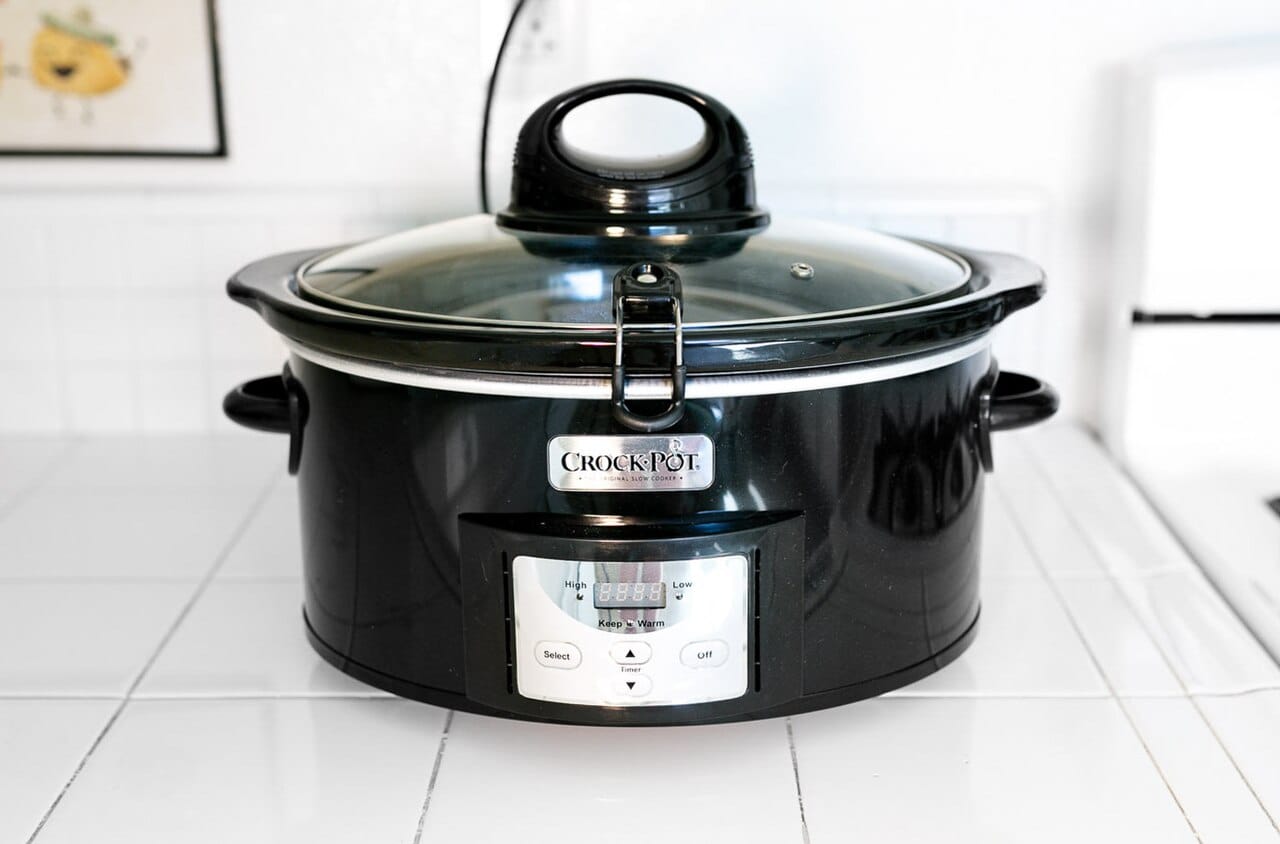
- Soup maker. A jug that heats and blends in one, on a timer. Genuinely handy if you make soup often and want it hands-off: chuck in the veg and stock, press smooth or chunky, come back in 20 to 30 minutes. The trade-off is a fixed batch size (usually around 1.6 litres) and it's one more gadget to store.
If you're only buying one thing, a stick blender is the best value. It'll blend soup, sauces and smoothies and costs a fraction of a soup maker.
Can you freeze homemade soup?
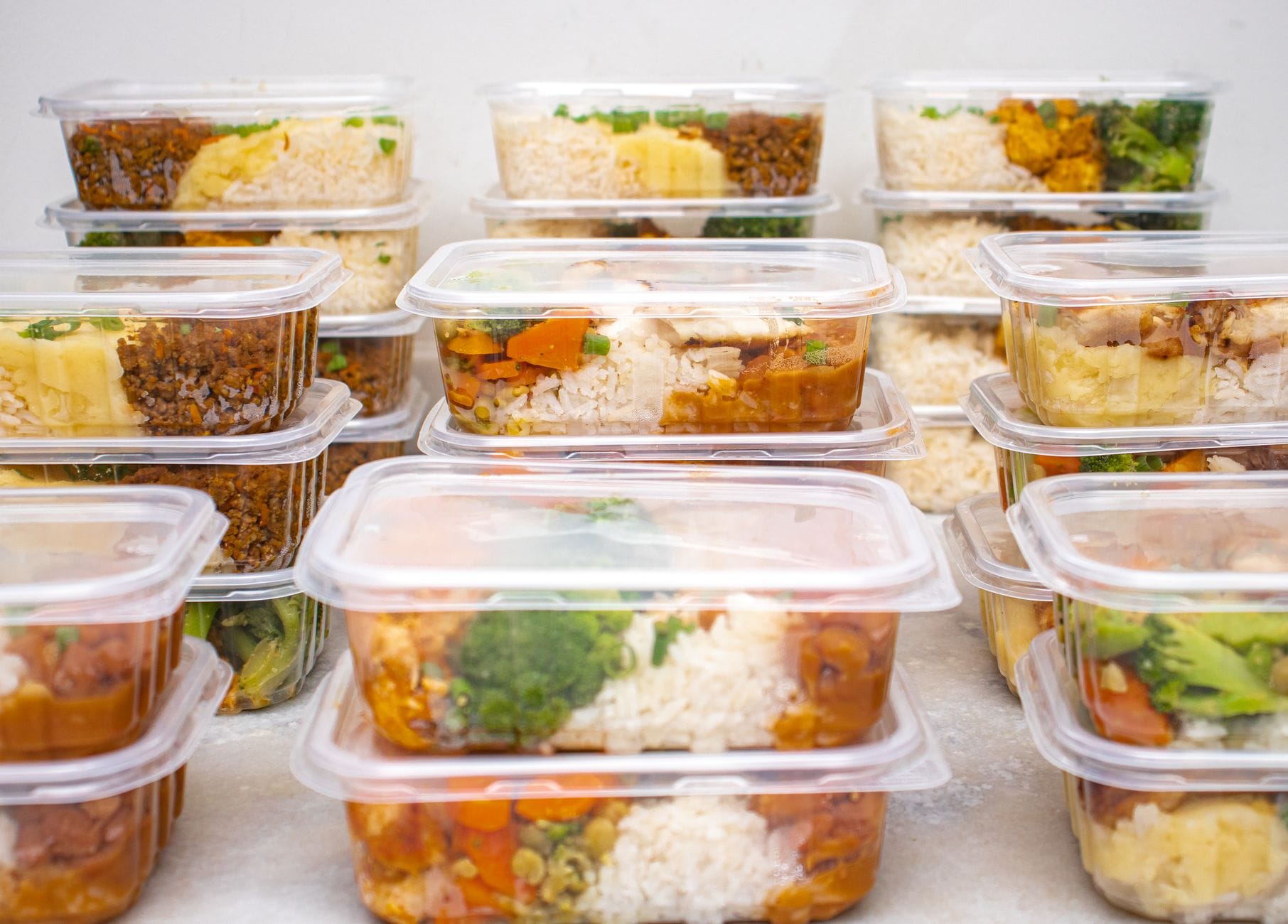
Yes, and soup is one of the best things to batch-cook and freeze. Nearly all of these keep for around 3 months in the freezer.
Cool the soup fully, then freeze in portions. Sturdy tubs or freezer bags laid flat both work, and bags stack neatly once frozen solid. Leave a little headspace, as liquid expands. Label with the name and date, because every orange soup looks the same after a month in the freezer. Defrost overnight in the fridge or gently from frozen in a pan, and reheat until piping hot right through.
A couple of things to know. Potato-heavy soups (like leek and potato) can go slightly grainy once frozen and thawed. A quick blast with the stick blender after reheating usually smooths them back out. And add pasta fresh rather than freezing it in the soup, as it turns mushy; freeze the minestrone base and stir in freshly cooked pasta when you serve. For more on portioning and stacking a freezer sensibly, see our guide to batch cooking and freezer meals.
What bread goes with soup?
Soup and good bread is one of the great cheap meals, and homemade bread turns a bowl of soup into supper. A crusty loaf for dunking, or something quick if you didn't plan ahead.
- Soda bread is the fastest: no yeast, no proving, in the oven within ten minutes of starting. Perfect when the soup's already on.
- Focaccia, torn warm and dipped in olive oil, is lovely alongside the tomato soup or minestrone.
- A basic white or wholemeal loaf covers everything, and once you've got the knack it's cheaper and better than shop bread.
Butter it thickly, and you've a proper meal for well under a pound a head.
Frequently asked questions
Kit for this job (Ad)

Microplane Zester Grater in Black for Citrus Fruits, Hard Cheese, Ginger, Chocolate and Nutmeg with Fine Stainless Steel Blade - Made in USA
Check price on Amazon →
Russell Hobbs Food Collection Electric Hand Blender, 2 Speeds and Pulse Technology, Detachable blending leg for easy cleaning, Stainless steel blades, 200W, 22241
Check price on Amazon →
Morphy Richards 3.5L Sear & Stew Slow Cooker, Shatter Resistant Aluminium Pot, 3 Heat Settings, Hob Proof, Easy Clean, 163W, Black, 460012
Check price on Amazon →![Crock-Pot Slow Cooker | Removable Easy-Clean Ceramic Bowl | 1.8 L Small Slow Cooker (Serves 1-2 People) | Energy Efficient | Black [CSC080]](https://m.media-amazon.com/images/I/811CudU0aeL._SL300_.jpg)
Crock-Pot Slow Cooker | Removable Easy-Clean Ceramic Bowl | 1.8 L Small Slow Cooker (Serves 1-2 People) | Energy Efficient | Black [CSC080]
Check price on Amazon →We may earn a small commission, at no cost to you. We only list kit we'd use.
Written by
UK Homesteading Team
Editorial team
The UK Homesteading editorial team, offering UK-specific, evidence-led guidance on growing, keeping, preserving and the law.