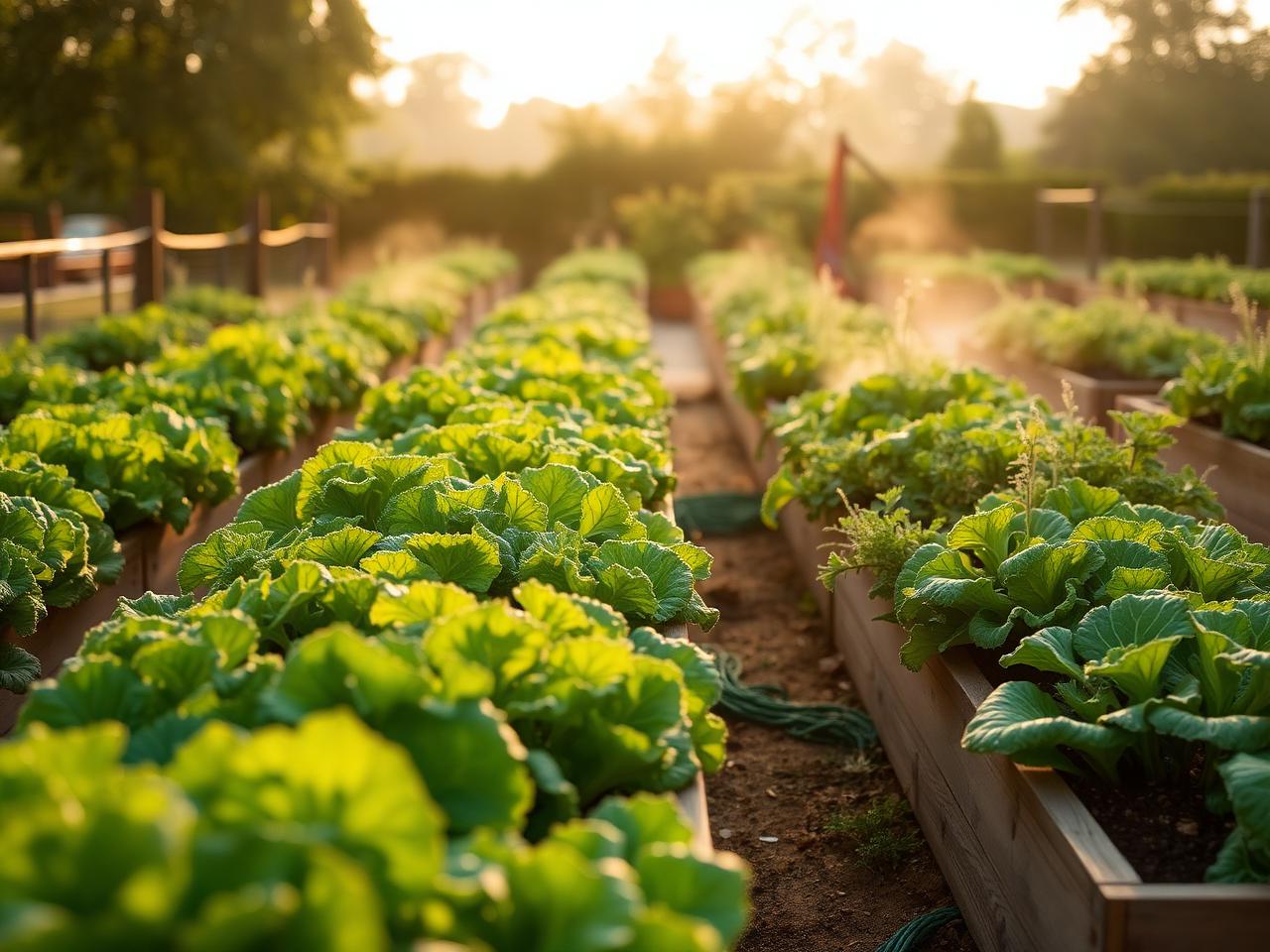
Every August, the allotment gives you the same problem: you went away for a long weekend and came back to courgettes the size of your forearm. One plant can shrug out a courgette every couple of days once it gets going, and three plants means you're leaving them on neighbours' doorsteps by the end of the month.
The good news is that a glut is a gift once you stop trying to eat it as a side dish. Courgette is a workhorse, mild, quick to cook, and happy grated, fried, roasted, souped, baked into cake, or salted down into chutney. This page runs through seven genuinely different ways to use a big pile of them, with brief metric methods, plus the freezer trick that buys you months.
What's the fastest way to use up a courgette glut?
Grating. If you do nothing else, grate the excess on the coarse side of a box grater, weigh it into 250g portions, and freeze them flat in labelled bags. Frozen grated courgette goes straight from the freezer into soups, sauces, fritters, curries and cake through the winter, no defrosting needed for most of them.
Two things worth knowing. First, courgette is roughly 95% water, so grated and frozen it collapses to a wet slush when thawed. That's normal, and fine for anything cooked. Second, for fritters or cake you'll want to squeeze that water out (more on that below), so it's worth salting and draining before you freeze if you know that's the destination.
How do I make courgette soup?
Courgette soup is the lazy hero of glut season: cheap, freezes perfectly, and forgiving of enormous courgettes. It's ready in under half an hour.
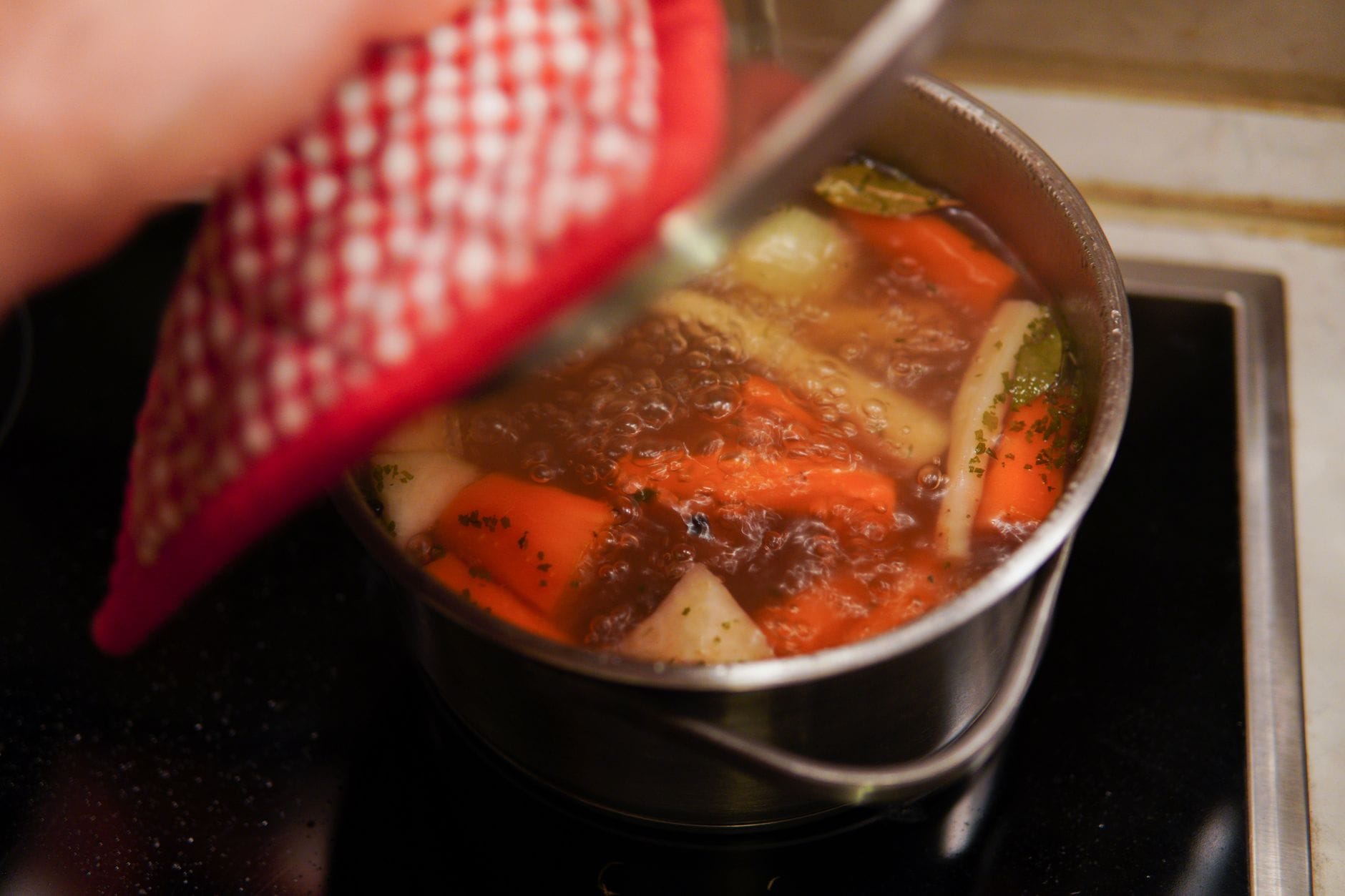
Serves 4 to 6. Soften 1 chopped onion and 2 crushed garlic cloves in a splash of oil over a medium hob for 5 minutes. Add roughly 1kg chopped courgette (skin and all, no need to peel), 1 medium potato peeled and diced (it stops the soup being watery), and 900ml hot vegetable or chicken stock. Simmer 15 minutes until everything's soft, then blend until smooth. Season well with salt and plenty of black pepper.
A handful of grated cheddar or a spoon of crème fraîche stirred in at the end lifts it. Fresh mint or basil works too. It'll keep 3 days in the fridge or 3 months frozen. If soup is becoming your main defence against the glut, it's worth having a few more easy soup recipes in rotation so you don't get bored.
How do I make courgette fritters that aren't soggy?
The whole game with fritters is getting the water out first. Skip this and you'll fry pale, greasy discs that never crisp.
Coarsely grate 500g courgette, toss with 1 tsp salt, and leave in a sieve for 20 minutes. Then squeeze it hard in a clean tea towel. You'll be surprised how much water comes out, easily half a mugful. Mix the dry courgette with 2 beaten eggs, 75g plain flour, a crushed garlic clove, chopped mint or dill, and a good grind of pepper. Fry heaped spoonfuls in a little oil over a medium-high hob, about 2 to 3 minutes a side, until golden and set.
Serve with a blob of thick yoghurt and a squeeze of lemon. These are a proper meal with a salad, and they reheat well in a hot oven (200°C / gas 6) for 8 minutes.
Can you make courgette chutney?
Yes, and it's one of the best ways to deal with the marrow-sized monsters that are too woody to fry. Chutney doesn't care how big the courgette got, and a batch made in August is ready to eat by Christmas.
A rough starting point: 1kg diced courgette, 500g onions, 300g cooking apples, 250g sultanas, 400g sugar, 600ml malt or cider vinegar, and a couple of tablespoons of your chosen spice (mustard seed, ginger, a pinch of chilli). Salt the diced courgette for an hour first, rinse, then simmer everything together, uncovered, for 45 to 90 minutes until thick and glossy and a spoon dragged across the base leaves a clear channel. Jar into warm sterilised jars.
For the full method, timings and jar-sterilising detail, follow the step-by-step chutney guide. If you'd rather go sharp and crunchy than sweet and soft, courgette is also excellent quick-pickled in vinegar with dill and mustard seed.
Does courgette cake actually taste of courgette?
No, and that's the point. Like carrot cake, grated courgette melts into the crumb and just keeps it wonderfully moist. You get no vegetable flavour, only a soft, damp sponge that stays good for days.
Squeeze 250g grated courgette dry (as for fritters). Whisk 200ml mild oil with 200g caster sugar and 3 eggs, then fold in 300g self-raising flour, 1 tsp baking powder, 1 tsp cinnamon and the courgette. Bake in a lined 20cm tin at 180°C / gas 4 for 45 to 55 minutes, until a skewer comes out clean. Cool, then top with cream-cheese icing if you like. A handful of lemon zest or chopped walnuts is a nice addition.
It keeps like any moist loaf cake, well wrapped for 4 to 5 days, or sliced and frozen. If you're already a loaf-cake household, it slots in neatly alongside a banana bread in the same weekend bake.
How do I make ratatouille from a glut?
Ratatouille is the classic Mediterranean answer to a whole garden's worth of summer veg at once: courgettes, aubergine, peppers and tomatoes cooked down slow and sweet. It's the recipe to reach for when the tomatoes and courgettes glut at the same time, as they tend to.
Serves 4. Cut 2 large courgettes, 1 aubergine and 2 peppers into 2cm chunks and fry in batches in olive oil until browned. Don't crowd the tin or they'll stew. Set aside. In the same tin, soften 1 sliced onion and 3 garlic cloves, add a 400g tin of chopped tomatoes (or 500g fresh, skinned), a splash of red wine vinegar and a pinch of sugar. Return the veg, add a sprig of thyme, and simmer gently 25 to 30 minutes until thick. Finish with torn basil.
It's better the next day and freezes for 3 months. Serve with crusty bread, over rice, or with a baked egg cracked into it. A big batch is exactly the sort of thing worth doubling up when you're cooking for the freezer.
What can I stuff a giant courgette with?
Once a courgette has ballooned into a marrow, stuffing and baking is the tidiest way to eat it as a proper meal.
Halve the courgette lengthways, scoop out the watery seed core with a spoon, and lay the boats in a roasting tin. Brush with oil, season, and roast at 200°C / gas 6 for 15 minutes to start softening. Meanwhile fry a stuffing: softened onion and garlic, the chopped-out flesh, cooked rice or couscous, a tin of drained beans or some cooked mince, and plenty of herbs and seasoning. Pile it into the boats, top with grated cheese, and bake another 20 to 25 minutes until bubbling and tender.
One large stuffed courgette half is a generous single portion. It's a good use for leftover cooked grains and the tail-end of the fridge.
How do I preserve courgettes for winter?
You've got four solid routes, depending on how much effort you fancy:
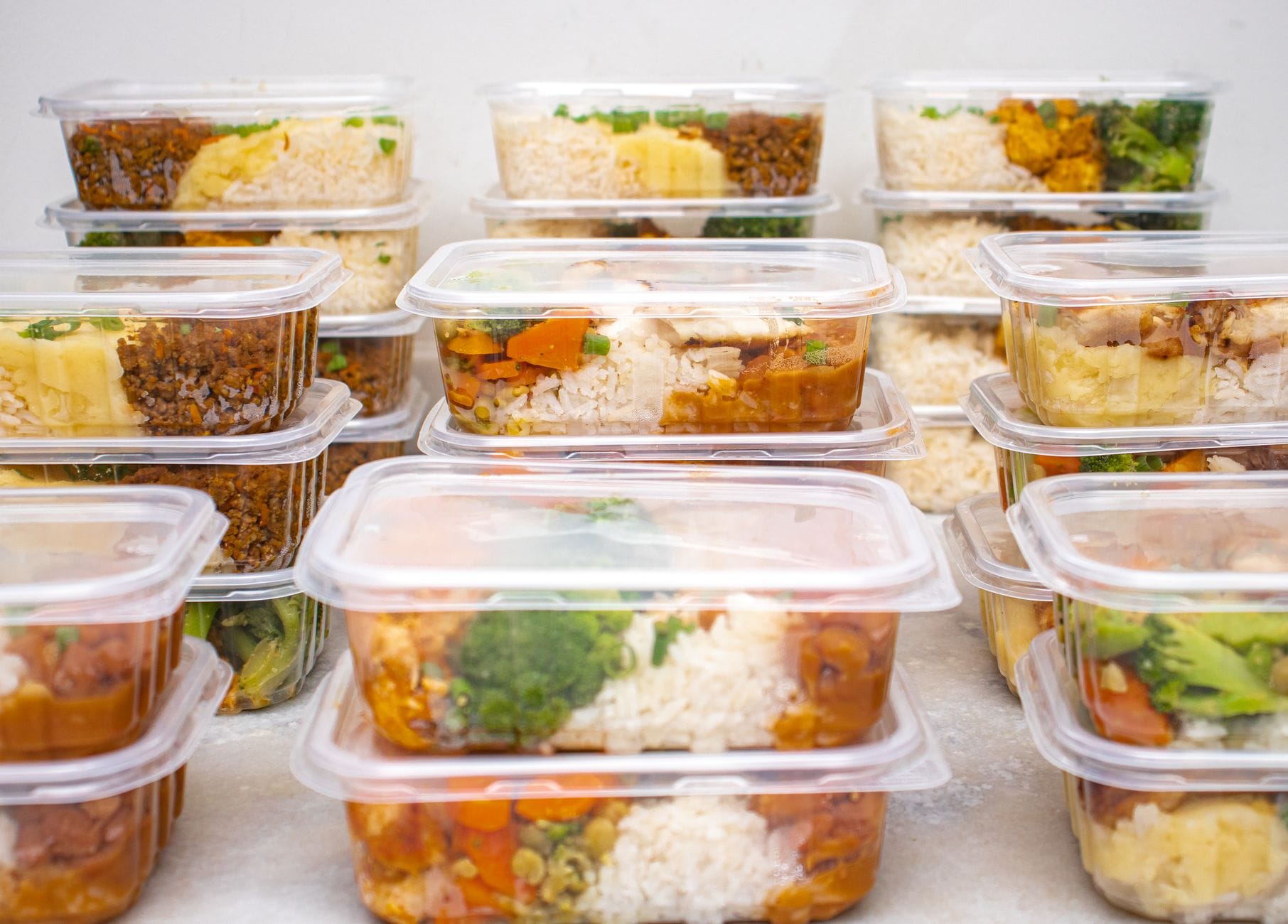
- Freeze grated (easiest). Salt, squeeze, portion into 250g bags, freeze flat. Best for soups, sauces, fritters and cake.
- Freeze sliced and blanched. For slices you want to keep some bite, blanch 1cm rounds in boiling water for 1 minute, cool in iced water, drain well, then open-freeze on a tray before bagging. They'll still be soft when cooked, but hold shape better than raw-frozen.
- Chutney. Vinegar and sugar do the preserving; a jar keeps unopened for a year in a cool, dark cupboard.
- Quick pickle. Vinegar, dill and mustard seed: crunchy fridge pickles ready in a day, keeping a couple of weeks.
Courgettes don't dry or store fresh well. Unlike a firm winter squash, they'll go soft in a bowl within a week. So the plan is simple: eat what you can this week, freeze grated bags for the winter, and jar the giants as chutney.
The plan for a real glut week
If you're staring at a full colander right now, here's the order I'd work through it: fritters and a soup for eating this week, one big batch of ratatouille for the freezer, a stuffed marrow for a proper dinner, and everything left over grated into bags. Save the genuine giants for a weekend chutney session. Done in stages like that, even three productive plants stops feeling like a chore and starts feeling like the pantry filling up for winter, which, really, is the whole point.
Frequently asked questions
Kit for this job (Ad)

Microplane Zester Grater in Black for Citrus Fruits, Hard Cheese, Ginger, Chocolate and Nutmeg with Fine Stainless Steel Blade - Made in USA
Check price on Amazon →
Russell Hobbs Food Collection Electric Hand Blender, 2 Speeds and Pulse Technology, Detachable blending leg for easy cleaning, Stainless steel blades, 200W, 22241
Check price on Amazon →
Sistema KLIP IT Food Storage Containers | Airtight & Stackable Meal Prep Containers with Lids | School Lunch Boxes & Snack Boxes | 18 Count (9 Containers & Lids)
Check price on Amazon →
Amazon Basics Air-Locked Leak-Proof, Stackable & Airtight Fridge/Freezer Containers with Lids, BPA-Free Plastic, Microwave and Dishwasher Safe 3-Piece Food-Storage Set, 3 x 0.6 liter, Light Blue
Check price on Amazon →We may earn a small commission, at no cost to you. We only list kit we'd use.
Written by
UK Homesteading Team
Editorial team
The UK Homesteading editorial team, offering UK-specific, evidence-led guidance on growing, keeping, preserving and the law.