Batch cooking is the quiet backbone of a cheaper, calmer kitchen. You cook a double or triple quantity of one thing (a chilli, a soup, a ragù), then freeze the extra in single portions. On a wet Tuesday when nobody wants to cook, dinner is already made. You buy in bigger, cheaper packs, you waste far less, and you use the oven or hob once instead of three times. Here's how to do it properly, what actually survives the freezer, and the food-safety bits you must not skip.
Why bother batch cooking?
Three honest reasons. Money: a 500g pack of mince split across a big bolognese costs a fraction of three ready meals, and buying larger tends to be cheaper per kilo. Time: chopping onions once for six portions beats chopping them three separate times. Sanity: a freezer full of labelled dinners is the difference between a home-cooked meal and a last-minute takeaway.
It also cuts food waste, which is where a lot of household money quietly disappears. That slightly tired bag of carrots, the half a swede, the leftover roast chicken. All of it goes into the pot rather than the bin.
What freezes well, and what doesn't?
The rule of thumb: saucy and stewy freezes brilliantly; crisp, creamy and watery freezes badly.
Freezes well
- Soups, stews, casseroles, curries, chilli
- Bolognese, ragù and other meat sauces
- Cooked mince dishes, cottage and shepherd's pie
- Cooked pulses: lentils, chickpeas, beans
- Tomato-based pasta sauces
- Stock and gravy (freeze in an ice-cube tray for small amounts)
- Bread, cakes, cooked rice (cooled fast; see the safety note), grated cheese
- Raw batch: portioned mince, sausages, bread dough
Freezes badly
- Anything you want crisp: roast potatoes go soggy, salad leaves collapse
- Cream and yoghurt-heavy sauces can split (stir a little through after reheating instead)
- Plain boiled potatoes turn grainy; better mashed with butter and milk
- Egg-based custards, mayonnaise, and raw egg whites in dishes
- High-water veg eaten raw: cucumber, lettuce, whole tomatoes
- Soft herbs as a garnish lose their looks (fine stirred into cooking)
The food-safety bit: read this properly
This is the part you don't fudge. Freezing pauses bacteria; it doesn't kill them. Getting food cool and frozen quickly, and reheating it thoroughly, is what keeps it safe.
- Cool cooked food within 1 to 2 hours. Don't leave a pot of chilli sitting out all evening. Divide it into smaller containers to cool faster, or sit the pan in a sink of cold water and stir.
- Never put hot food straight in the freezer. It warms everything around it and can partially thaw your other food. Cool first, then freeze.
- Freeze promptly, once cooled, ideally within that first couple of hours.
- Cool rice fast and freeze or fridge it quickly. Cooked rice can carry Bacillus cereus, which survives reheating. Cool it within an hour, freeze it, and reheat until piping hot. Never reheat rice more than once.
- Reheat until piping hot all the way through. Steaming, 75°C or hotter at the centre. Stir halfway so there are no cold spots, especially in the microwave.
- Reheat once only. Don't reheat, cool, and reheat again.
- Defrost in the fridge overnight where you can, not on the worktop. Many stews and soups can go from frozen straight into a pan or microwave.
- Label everything with a date. Frozen food stays safe indefinitely at −18°C, but quality drops. Aim to eat home-batched meals within about 3 months.
How should I portion and label?
Portion for how you actually eat. Single tubs for lunches at your desk; family-sized for a whole dinner. Label the container before you fill it (a chinagraph pencil, or freezer tape and a marker) with the name and the date. Trust me, three months on, every frozen brick of orange sauce looks identical.
Freeze liquids flat in labelled freezer bags: lay the bag down on a tray until solid, then stand the flat slabs up like books. They stack, they thaw fast, and they take up half the room of a tub. Leave a couple of centimetres of headroom in any container because liquid expands as it freezes.
Rigid tubs are better for delicate things like fishcakes or pie portions. Whatever you use, get the air out. Air is what causes freezer burn (those dry, greyish patches). Open-freeze things like sausages or burgers on a tray first so they don't clump, then bag them.
A weekend batch-cook plan
You don't need a whole day. One good session of a couple of hours fills the freezer for a fortnight. A sensible approach: pick two base recipes that share ingredients, cook both, and split the yield.
Big-batch bolognese. Brown 1kg beef mince with 2 chopped onions, 3 grated carrots and 2 crushed garlic cloves. Add 2 tins chopped tomatoes, 2 tbsp tomato purée, a beef stock cube in 300ml water, and a bay leaf. Simmer 45 minutes. Cool fast, freeze in portions. It's spaghetti one night, the base of a chilli (add kidney beans and cumin) another, and a cottage pie a third.
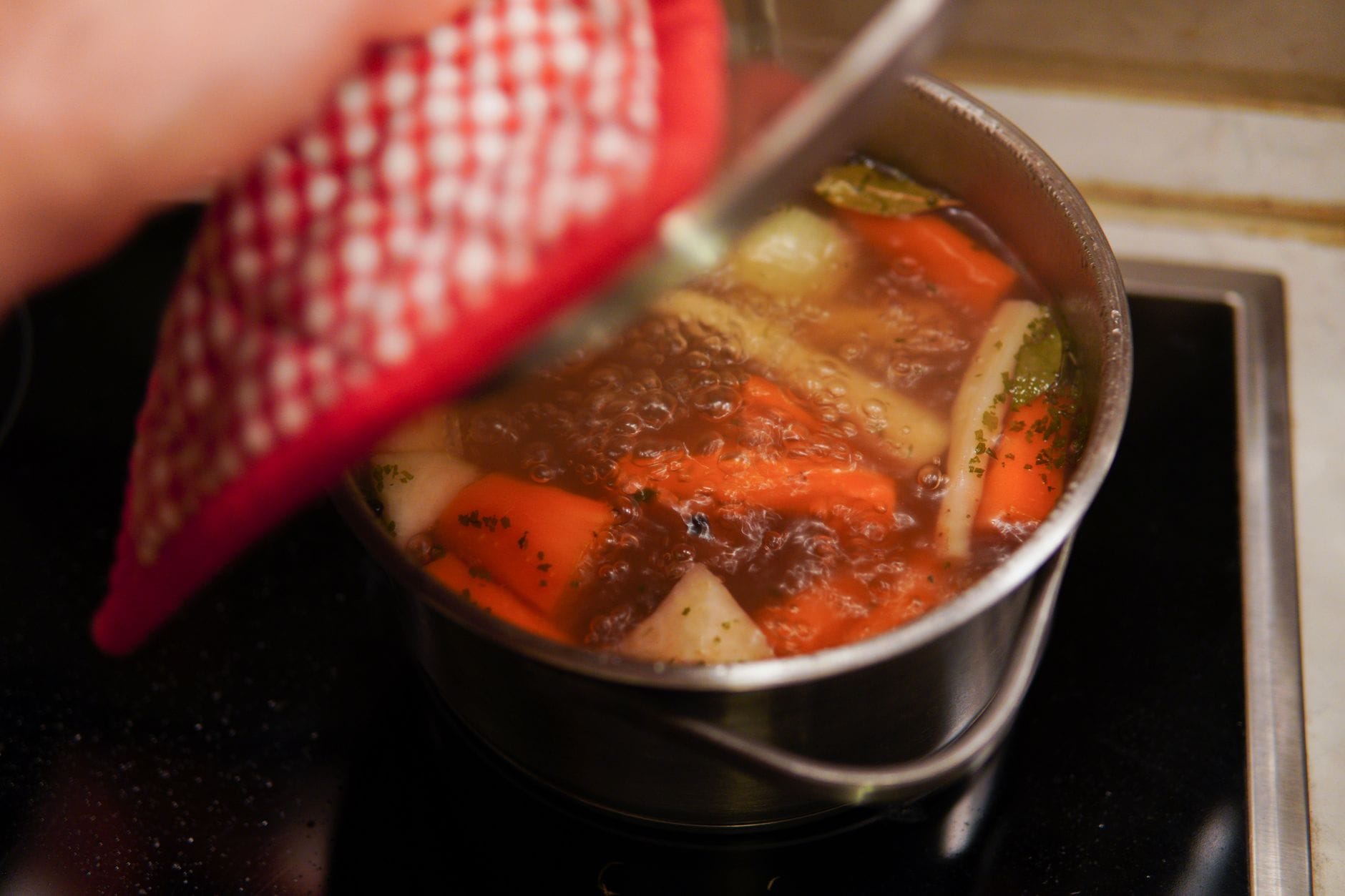
A big pot of soup. Leek and potato, spiced lentil, or a chunky minestrone. Soups are the easiest win in the freezer and cost pennies a portion. See our easy soup recipes for a handful that all freeze well.
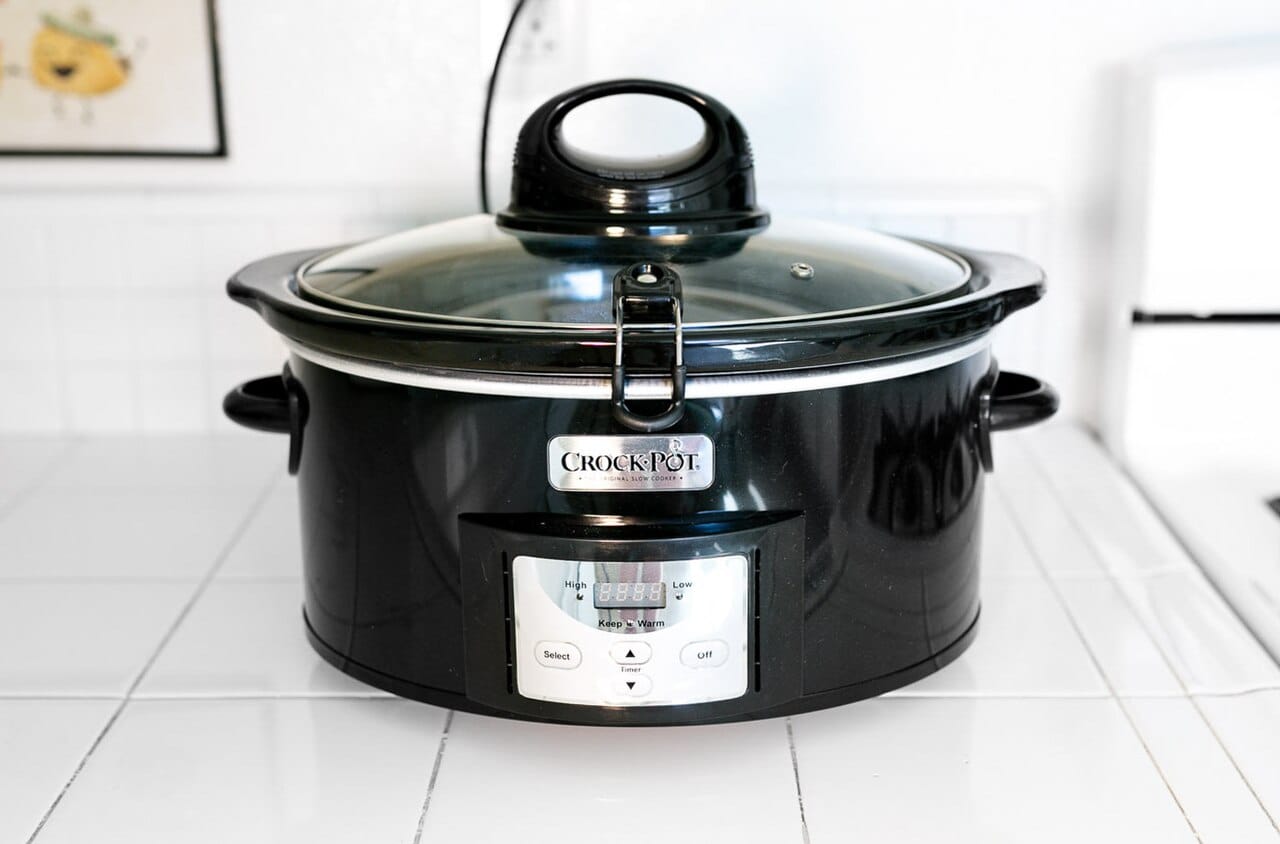
A slow-cooker stew or curry. Set it going in the morning and it's done by teatime with no hovering. The slow cooker recipes guide has batch-friendly ones that make double easily.
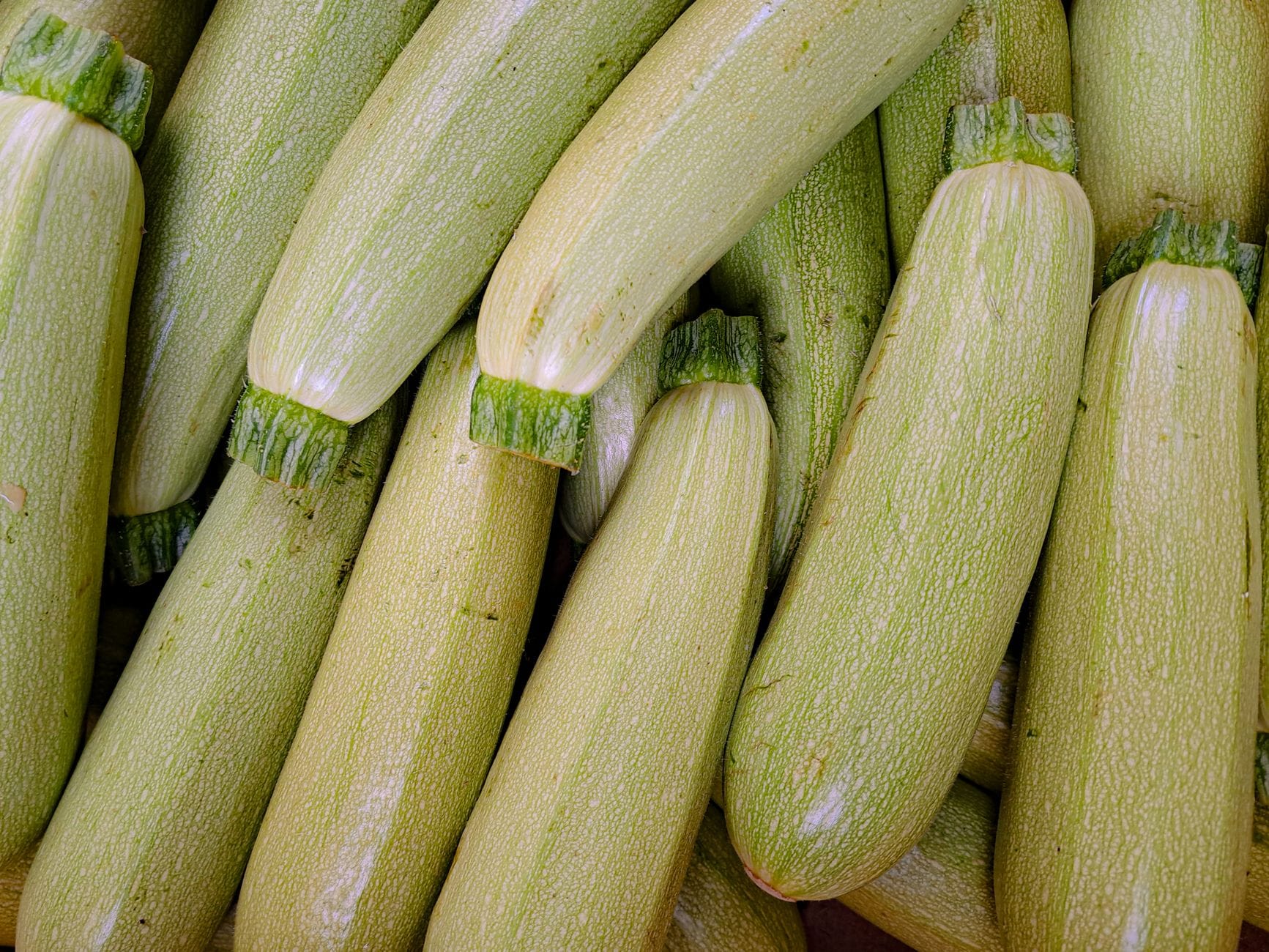
A glut-buster. If the garden's producing faster than you can eat, cook it down and freeze it. A courgette and tomato sauce or a big tray of ratatouille rescues a summer glut; there are more ideas in the courgette glut recipes guide.
What containers and kit do I need?
Nothing fancy. A stack of rigid freezer tubs in one or two sizes, a box of good freezer bags, and a marker. A large heavy-based pan or casserole so you can actually cook double without it boiling over. That's genuinely it.
If you're buying tubs, matching square or rectangular ones stack far better than a jumble of round takeaway pots. Glass is nice for the fridge but heavy and breakable in the freezer, so plastic earns its place here. And keep a roll of freezer tape by the drawer. The labelling habit is the one that makes the whole system work.
Frequently asked questions
Kit for this job (Ad)

Microplane Zester Grater in Black for Citrus Fruits, Hard Cheese, Ginger, Chocolate and Nutmeg with Fine Stainless Steel Blade - Made in USA
Check price on Amazon →
Russell Hobbs Food Collection Electric Hand Blender, 2 Speeds and Pulse Technology, Detachable blending leg for easy cleaning, Stainless steel blades, 200W, 22241
Check price on Amazon →
Sistema KLIP IT Food Storage Containers | Airtight & Stackable Meal Prep Containers with Lids | School Lunch Boxes & Snack Boxes | 18 Count (9 Containers & Lids)
Check price on Amazon →
Amazon Basics Air-Locked Leak-Proof, Stackable & Airtight Fridge/Freezer Containers with Lids, BPA-Free Plastic, Microwave and Dishwasher Safe 3-Piece Food-Storage Set, 3 x 0.6 liter, Light Blue
Check price on Amazon →We may earn a small commission, at no cost to you. We only list kit we'd use.
Written by
UK Homesteading Team
Editorial team
The UK Homesteading editorial team, offering UK-specific, evidence-led guidance on growing, keeping, preserving and the law.