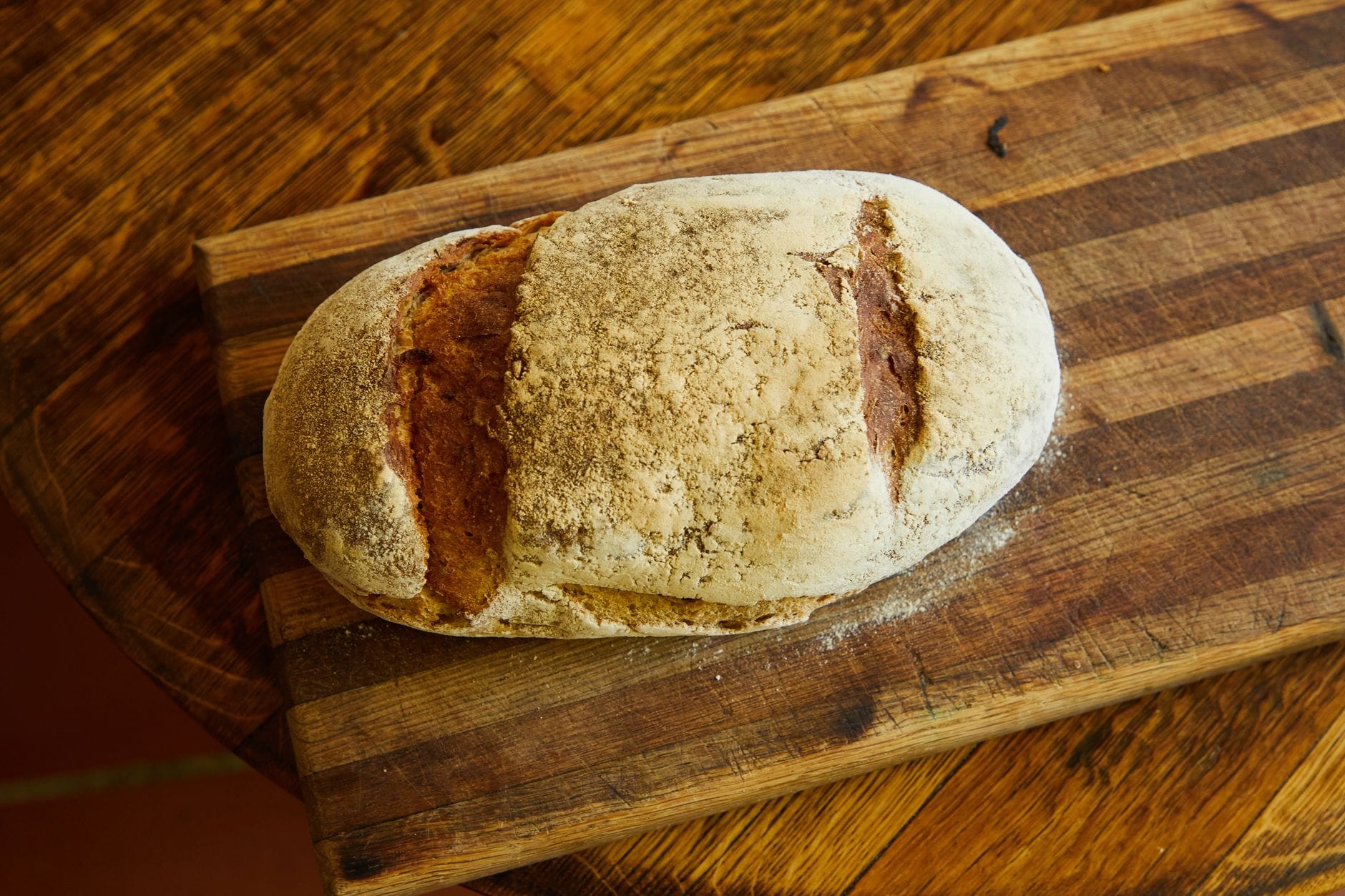
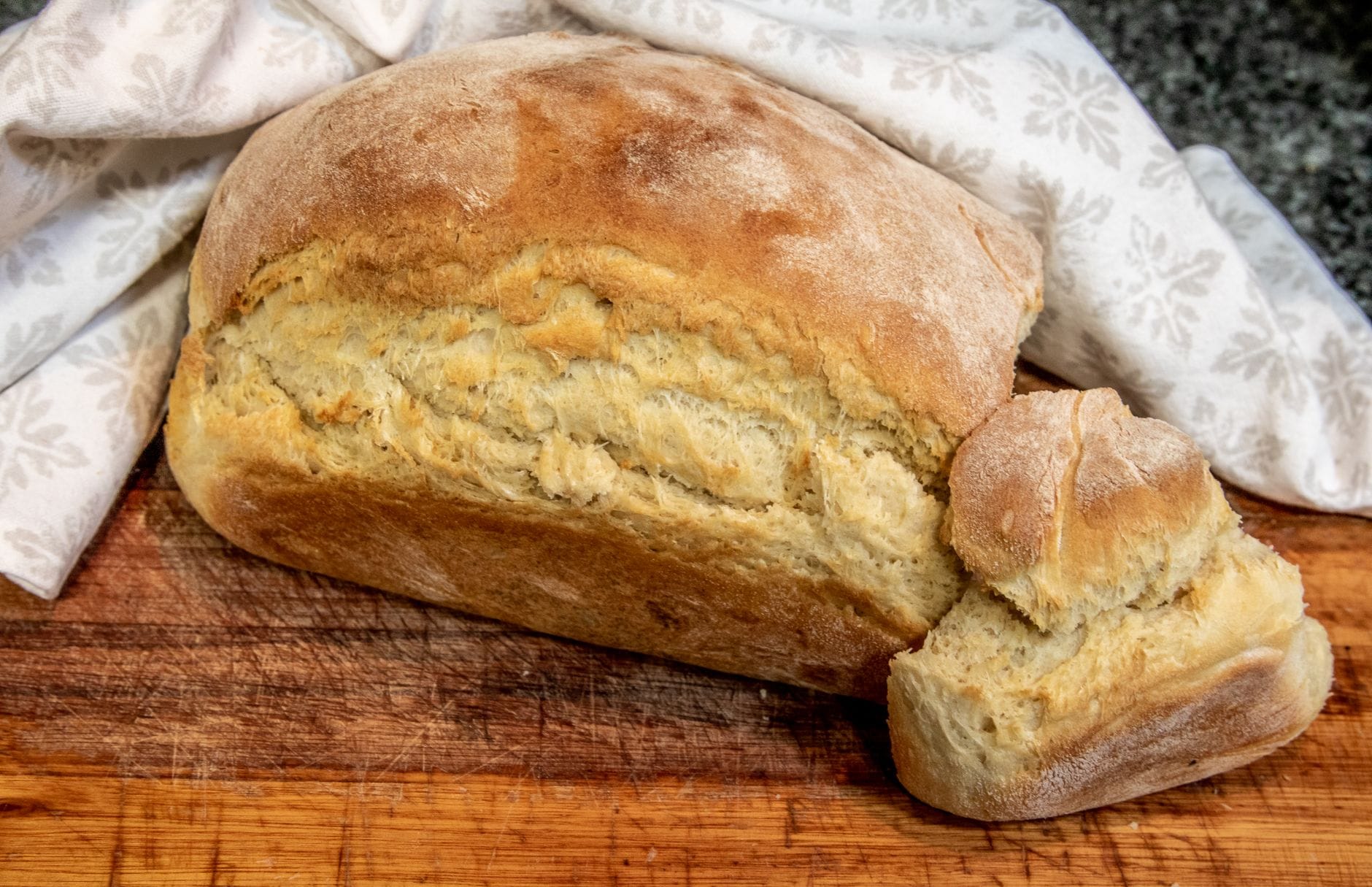
Soda bread is the loaf to make when you want fresh bread and you want it now. There's no yeast and no proving; the bicarbonate of soda reacts with the buttermilk to raise it, so you can go from bowl to oven in ten minutes flat.
The only real skill is a light hand. Bring the dough together with as few turns as you can and get it straight into a hot oven, and you'll have a proper crusty loaf on the table within the hour. Everything you need is below.
Classic Irish Soda Bread (No Yeast)
Makes One round loaf, serves 8 to 10
Prep
10 min
Cook
45 min
Total
55 min
Makes
One round loaf, serves 8 to 10
Ingredients
Dry
Wet
Method
- 1
Heat the oven to 180°C fan (200°C conventional, gas 6) and dust a baking tray with flour.
- 2
In a large bowl, whisk together the flour, bicarbonate of soda and salt so the raising agent is spread right through, with no pockets.
- 3
Make a well in the middle and pour in most of the buttermilk. Working quickly, bring it together with a knife or your hand into a soft, slightly sticky dough. Add the last of the buttermilk if there's any dry flour left; the dough should be tacky, not stiff.
- 4
Tip onto a floured surface and gently shape into a round about 4cm deep. Don't knead it; the less you handle it, the lighter the loaf.
- 5
Lift onto the tray and cut a deep cross in the top, about a third of the way down, with a floured knife. This helps the dense centre cook through.
- 6
Bake for 40 to 45 minutes, until deep golden and the base sounds hollow when you tap it. If you're not sure, give it another 5 to 10 minutes upside down.
- 7
Cool on a wire rack. For a softer crust, wrap it in a clean tea towel while it cools.
Cook’s notes
- No buttermilk? Stir 1 tablespoon of lemon juice or white vinegar into 400ml whole milk and leave it for 10 minutes until it thickens and curdles slightly. Plain live yoghurt loosened with a little milk also works.
- Work fast once the buttermilk goes in. The bicarbonate of soda starts reacting the moment it meets the acid, so get the loaf into the hot oven within a few minutes for the best rise.
- Brown soda bread: for a heartier, traditional wholemeal loaf, use 350g wholemeal flour and 100g plain white, add 50g porridge oats, and a tablespoon each of black treacle and honey stirred into the buttermilk. It's a genuine classic, not a health compromise, and you'll need a splash more buttermilk as wholemeal is thirstier.
- Soda bread stales fast, so it's at its best the day it's baked. Keep it wrapped in a tea towel or paper in a bread bin for a day or two; day-two slices are excellent toasted.
- Freezing: cool completely, wrap tightly, and freeze whole or sliced for up to 3 months. Toast slices straight from frozen.
What you’ll need
- Large mixing bowl
- Baking tray
- Wire cooling rack
Troubleshooting
There's a soapy or bitter aftertaste.
Too much bicarbonate of soda, or it wasn't mixed in evenly. Measure a level teaspoon, whisk it right through the flour, and make sure your buttermilk is properly acidic.
The loaf is dense and heavy.
Usually over-mixed, or the dough was too dry. Bring it together in as few turns as possible, use enough buttermilk for a soft, sticky dough, and bake in a fully heated oven.
The middle is gummy or raw.
Under-baked, or the cross wasn't cut deep enough. Cut the cross well down into the loaf, bake until the base sounds hollow, and don't slice it while hot; it keeps cooking as it cools.
It barely rose and came out flat.
The bicarbonate of soda may be stale, or there was too long a wait before baking. Use fresh bicarb and get the loaf into the oven straight after mixing.
The crust is rock hard.
It cooled uncovered, or the oven was too hot throughout. Wrap the loaf in a tea towel as it cools, and if it browns too fast, drop the oven by about 20°C for the last third of the bake.
Frequently asked questions
Kit for this job (Ad)

Amazon Basics Cast Iron Casserole Dish with Lid, Enamelled, Round, Heavy-Duty, 4.1 L, Clay
Check price on Amazon →
Amazon Basics Non-stick Rectangular Carbon Steel Bread Pan, 27x15x7 cm, 2-pack, Grey
Check price on Amazon →
Brabantia 348907 Roll Top Bread Bin, Medium - Matt Steel
Check price on Amazon →
MasterClass 900g/2lb Non-Stick Loaf Tin with PTFE, PFOA and BPA Free Non Stick, Robust 1mm Thick Carbon Steel, for Baking Loaves and Bread, 23x13cm, Sleeved, Grey
Check price on Amazon →We may earn a small commission, at no cost to you. We only list kit we'd use.
Written by
UK Homesteading Team
Editorial team
The UK Homesteading editorial team, offering UK-specific, evidence-led guidance on growing, keeping, preserving and the law.