What actually makes sourdough different?
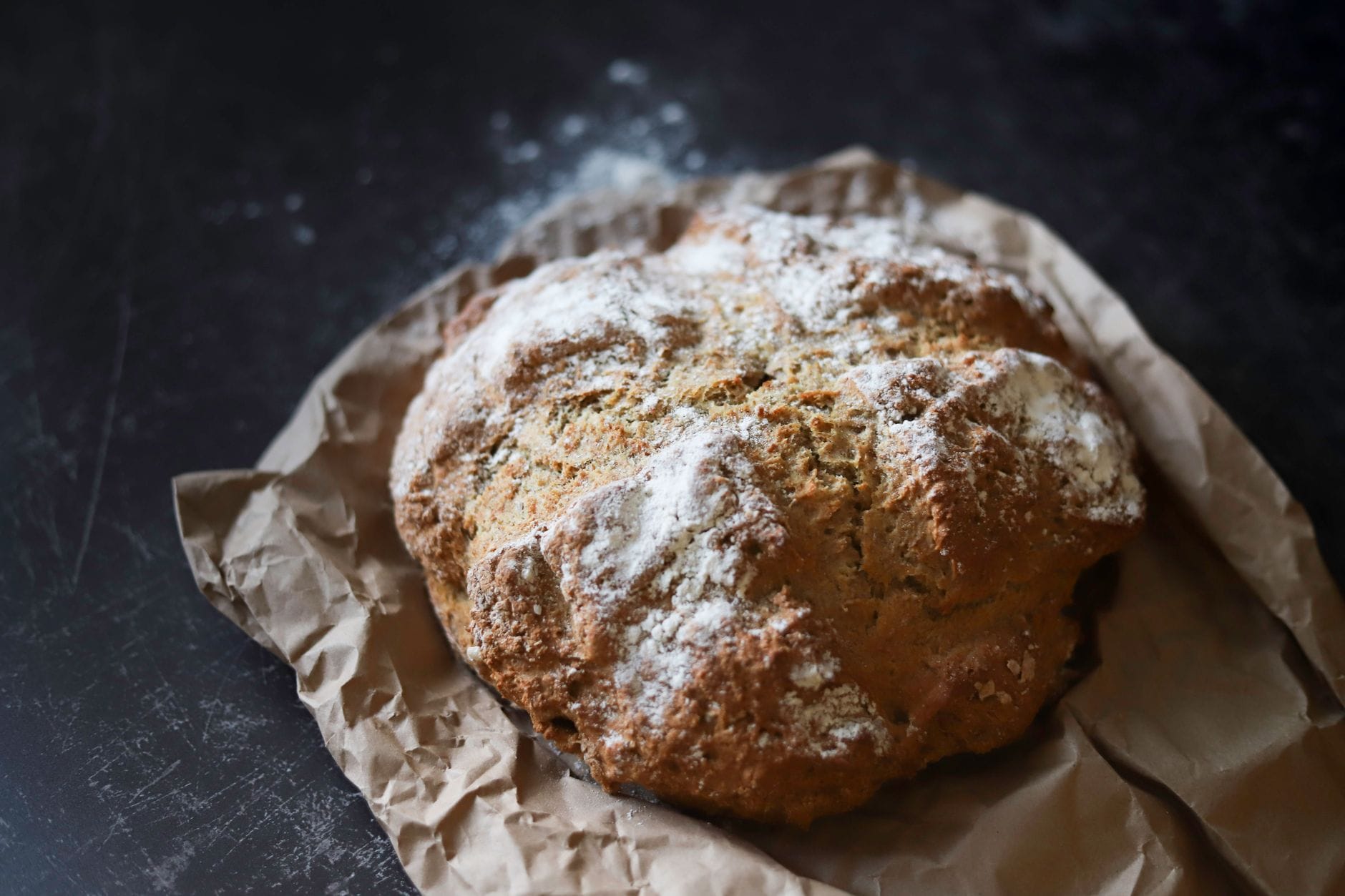
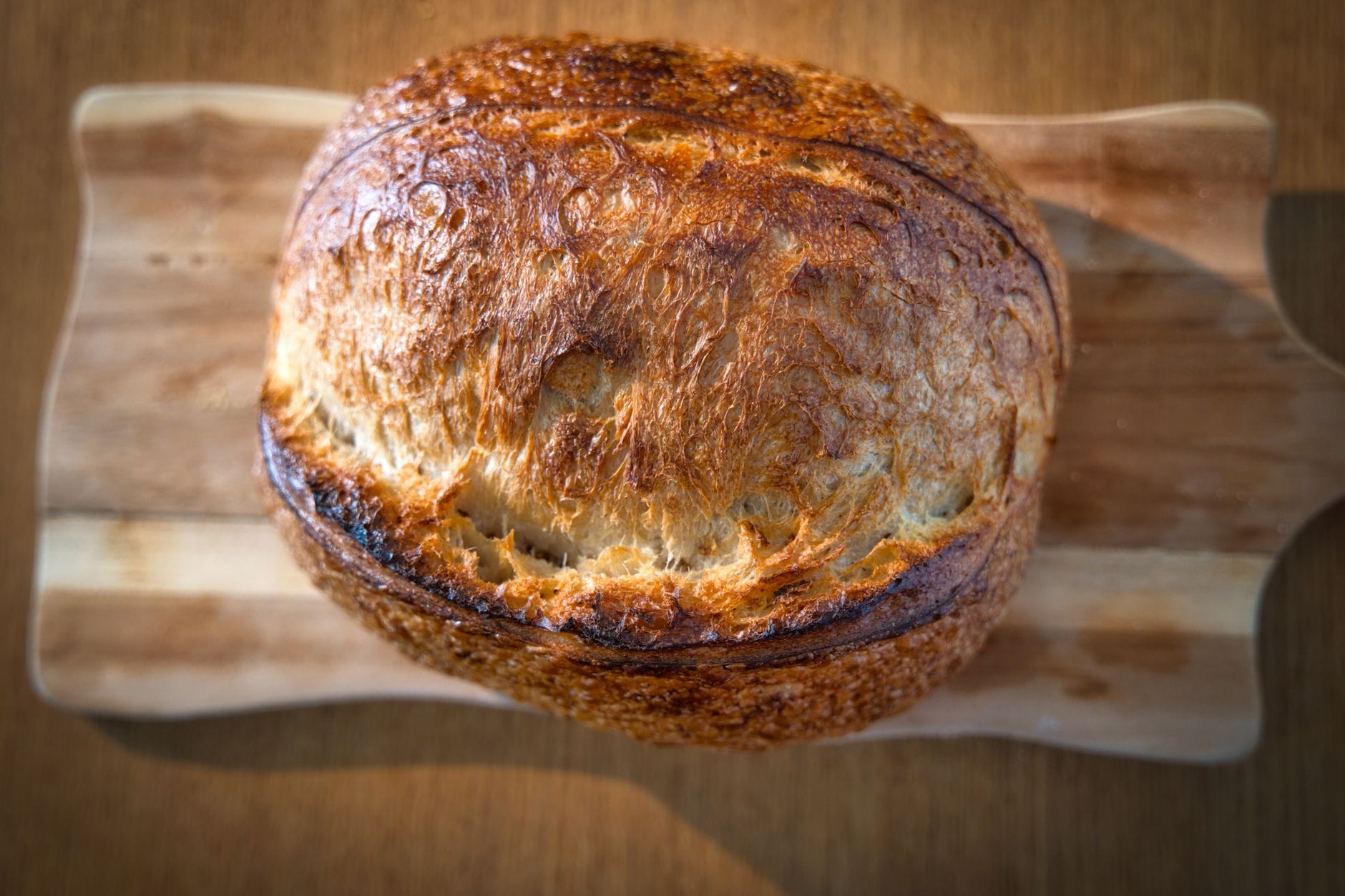
Ordinary bread is raised with commercial baker's yeast, which puffs the dough up fast, often in an hour or two. Sourdough is raised by a living culture of wild yeasts and lactic acid bacteria kept in a flour-and-water starter. That culture works slowly, so the dough ferments for many hours, sometimes a full day or more.
That long, slow ferment is the whole point. As the microbes feed, they produce lactic and acetic acids, which is where the tang comes from, and they start breaking down some of the compounds in the flour before the bread ever reaches your gut. Most of the health talk around sourdough traces back to this fermentation, not to some special ingredient. The Real Bread Campaign, which has pushed for honest labelling in the UK, defines genuine sourdough as bread leavened only with a live starter, with no added commercial yeast, no chemical raising agents and no additives (Real Bread Campaign).
If you want to see how that culture is built and kept alive, our guide to a sourdough starter and UK water covers the practical side.
Does sourdough affect blood sugar less than white bread?
This is the strongest claim, and it holds up reasonably well. A 2017 review of the clinical evidence in the British Journal of Nutrition concluded that "sourdough fermentation of either white or whole meal breads has consistently been shown to attenuate" the glycaemic index, meaning it tends to blunt the blood-sugar spike compared with the same bread made the standard way (Stamataki et al, 2017).
The likely mechanism is those organic acids. Acetic acid appears to slow how quickly the stomach empties, and lactic acid seems to make the starch a little harder to digest quickly, so the sugars arrive in your bloodstream at a gentler pace.
A couple of honest caveats sit alongside this. First, the review notes the effect on insulin response is less clear-cut than the effect on glucose. Second, sourdough is not automatically the best bread on every measure: one study in overweight and obese men found that when portions were matched by weight, a sprouted-grain bread gave a more favourable glucose response than the sourdough tested (Mofidi et al, 2012). And crucially, this all depends on a real ferment. A fast-proved loaf with a splash of vinegar for flavour will not behave the same way.
Sourdough tends to soften the blood-sugar spike, but it is still bread, not medicine.
So it is fair to say the evidence points towards a gentler blood-sugar rise from properly fermented sourdough than from standard white bread. It is not fair to say it is a low-carb or blood-sugar-friendly food in any absolute sense. If you are managing diabetes, treat it as the starchy food it is.
Is sourdough easier to digest?
For some people, yes. The interesting part here is FODMAPs, a group of fermentable carbohydrates that trigger bloating, wind and discomfort in people with irritable bowel syndrome (IBS). In wheat, the main culprits are fructans.
A long sourdough ferment gives the microbes time to eat through a good chunk of those fructans before you do. Monash University, which developed the low-FODMAP approach, notes that bread made with a traditional sourdough process proved for over 12 hours has lower FODMAP levels than standard bread, and it has certified some spelt sourdoughs as low FODMAP at a two-slice serving (Monash FODMAP).
That said, the picture is not tidy. A pilot study comparing long-fermented sourdough wheat bread with ordinary yeasted wheat bread in people with wheat sensitivity and IBS found that, despite the lower FODMAP and protein content, the sourdough was not actually tolerated any better than the yeasted bread (Laatikainen et al, 2017). Individual tolerance varies a lot. Sourdough may help some IBS sufferers, but it is not a guaranteed fix, and the fermentation time matters enormously.
But does sourdough remove the gluten? No.
This is the point where being clear matters more than being encouraging.
There is early research into whether specific fermentation techniques could one day cut gluten to safe levels, but that is laboratory work with specialised cultures and enzymes, not what happens in a normal home or bakery ferment. Some people with non-coeliac sensitivity report they find well-fermented sourdough gentler, and that is plausible given the partial protein breakdown, but "gentler for some" is a world away from "safe for coeliacs". Do not blur the two.
Does sourdough make minerals easier to absorb?
Wholegrain flours are rich in minerals like iron, zinc and magnesium, but they also contain phytic acid, a natural compound that binds to those minerals and stops your body absorbing them properly. Sometimes it gets called an "anti-nutrient".
Here the slow ferment helps again. The acidic conditions of a sourdough activate an enzyme called phytase, which breaks phytic acid down and frees up the minerals. A 2024 review in the journal Foods reported that combining lactic acid bacteria and yeast in fermentation can reduce phytic acid content by more than 40 per cent, improving the availability of those minerals compared with standard bread (Alkay et al, 2024). This effect is strongest in wholemeal sourdough, since that is where most of the minerals and the phytic acid live in the first place.
Why supermarket "sourdough" often isn't the real thing
Here is the catch that undoes a lot of the good news. Almost every benefit above depends on a genuine, slow ferment with a live starter. A lot of what is sold as "sourdough" in UK supermarkets is not made that way.
The Real Bread Campaign coined the term "sourfaux" for loaves marketed using the word sourdough but made with added baker's yeast, chemical raising agents or additives, often produced fast and sold at a premium. The Campaign has publicly named more than 20 such products from major manufacturers (Real Bread Campaign, 2022). Because these loaves skip the long ferment, there is no good reason to expect them to carry the blood-sugar, FODMAP or mineral benefits of the real thing.
So, is sourdough good for you?
On balance, yes, with a level head about it. Real sourdough is a wholesome, satisfying bread that, thanks to its slow ferment, tends to nudge blood sugar up more gently than standard white bread, may be kinder on some sensitive guts, and gives you better access to the minerals in the flour. Those are real, if modest, points in its favour.
What it is not is a superfood or a cure for anything. It still contains carbohydrate, it still contains gluten, and a fast-made "sourfaux" loaf may offer none of the perks. The NHS view on bread holds regardless of type: starchy foods should make up around a third of what you eat, and wholegrain and higher-fibre choices are the ones to lean towards (NHS).
If you enjoy sourdough, a properly fermented wholemeal loaf is a sensible everyday bread. Bake it, or buy the real thing, eat it as part of a varied diet, and let it be a good bread rather than a miracle one.
This guide is general information, not formal legal, financial, medical or veterinary advice. UK rules, prices and best practice change, and some rules differ across England, Scotland, Wales and Northern Ireland, so always check the current position with the relevant official source (such as gov.uk, the NHS, the FSA, DEFRA or APHA, or the RHS) or a qualified professional before acting. Last checked July 2026.
Frequently asked questions
Sources
- Bread making technology influences postprandial glucose response: a review of the clinical evidence , British Journal of Nutrition
- The Acute Impact of Ingestion of Sourdough and Whole-Grain Breads on Blood Glucose, Insulin, and Incretins in Overweight and Obese Men , Journal of Nutrition and Metabolism (PMC)
- Sourdough processing and FODMAPs , Monash University FODMAP
- Comparison of Sourdough Wheat Bread and Yeast-Fermented Wheat Bread in Individuals with Wheat Sensitivity and IBS , Nutrients (PMC)
- What is Gluten? Foods Containing Gluten , Coeliac UK
- Exploring the Nutritional Impact of Sourdough Fermentation: Its Mechanisms and Functional Potential , Foods (PMC)
- Sourdough (definition and sourfaux) , Real Bread Campaign / Sustain
- Starchy foods and carbohydrates , NHS
Kit for this job (Ad)

Clip Top Jar 1 Litre (1000ml) Airtight Glass Storage Jar for Preserving Fruits Vegetables Coffee Tea Rice Flour Nuts Pasta | Preserves fruits, vegetables, coffee, tea, rice, flour, nuts and pasta with a secure 1000ml airtight seal.
Check price on Amazon →
Kilner Preserve Jar 0.5L (500ml) Round Glass Screw Top Lid Preservation Storage Jar for Jams Chutneys Small Pickled Fruits
Check price on Amazon →
zunmial Sourdough Starter Jar 710ml, Glass Sourdough Starter Kit with Date Feeding Band, Thermometer, Cloth Cover & Metal Lid, Reusable Sourdough Bread Baking Supplies, Home Baking Supplies (1pcs)
Check price on Amazon →
Kilner Wide Mouth Preserve Jar 0.5L (500ml) Glass Storage Jar with Vacuum Seal Lid Ideal for Preserving Whole Fruits Vegetables Pickles Jams
Check price on Amazon →We may earn a small commission, at no cost to you. We only list kit we'd use.
Written by
UK Homesteading Team
Editorial team
The UK Homesteading editorial team, offering UK-specific, evidence-led guidance on growing, keeping, preserving and the law.