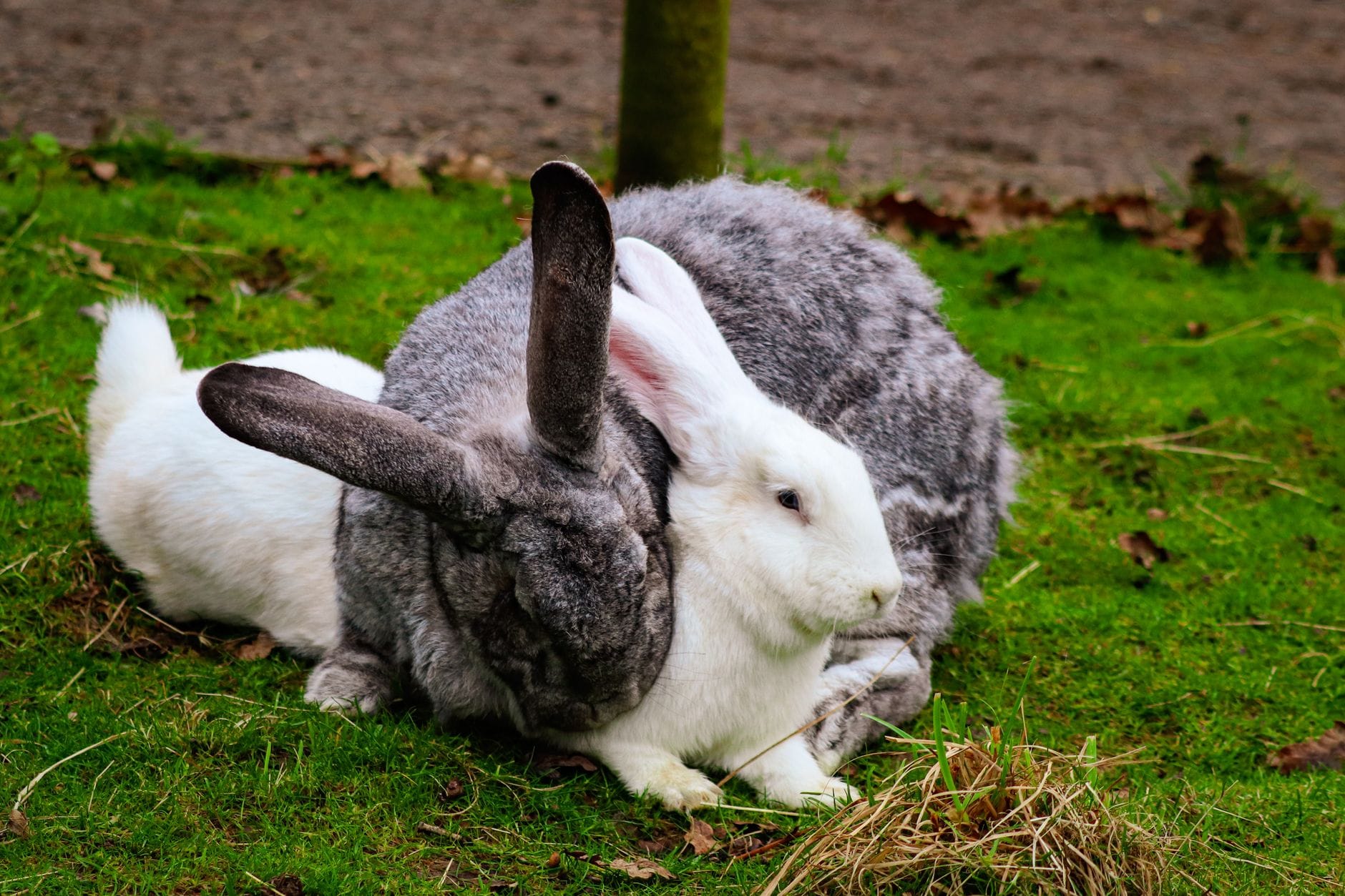
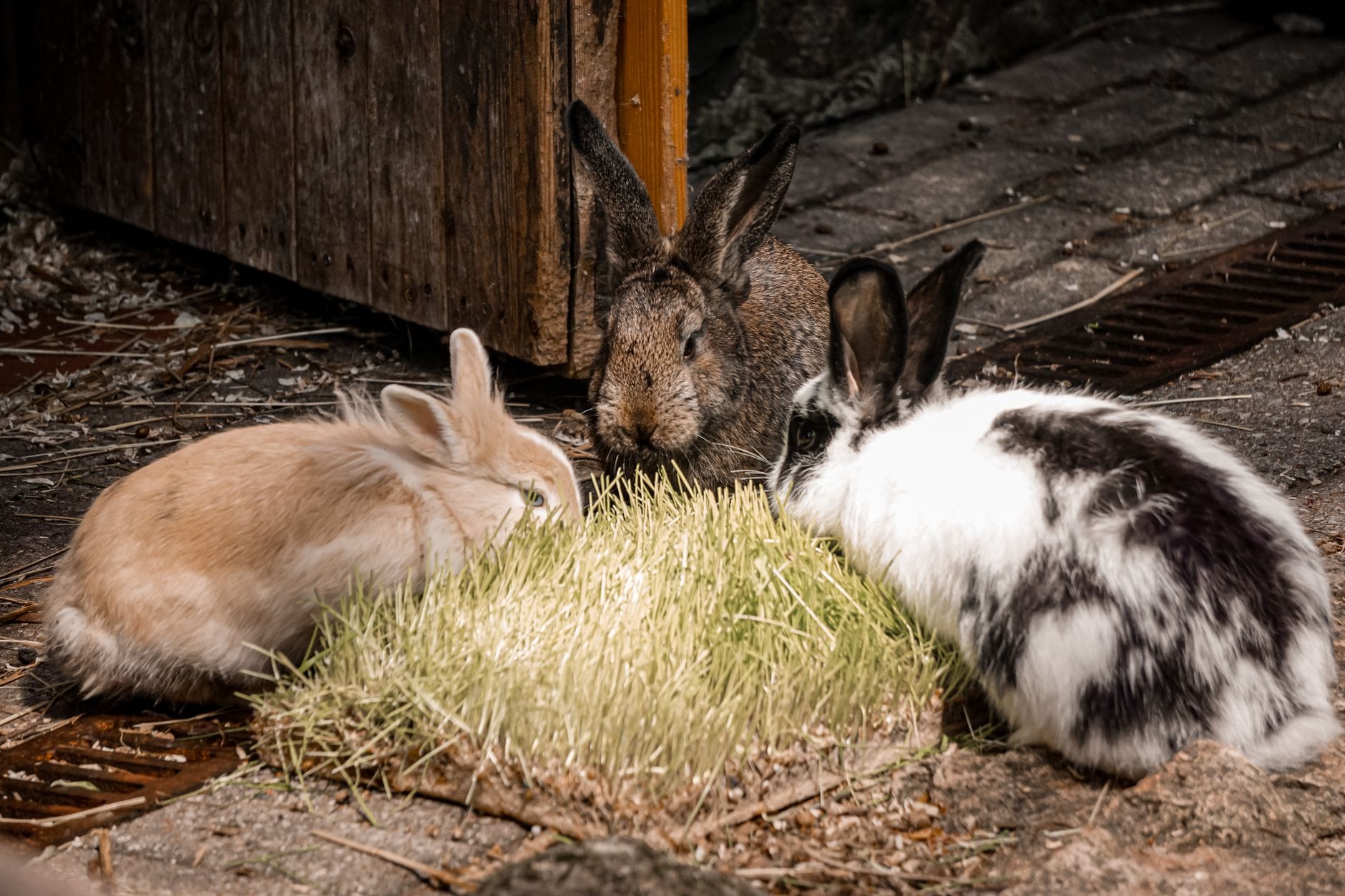
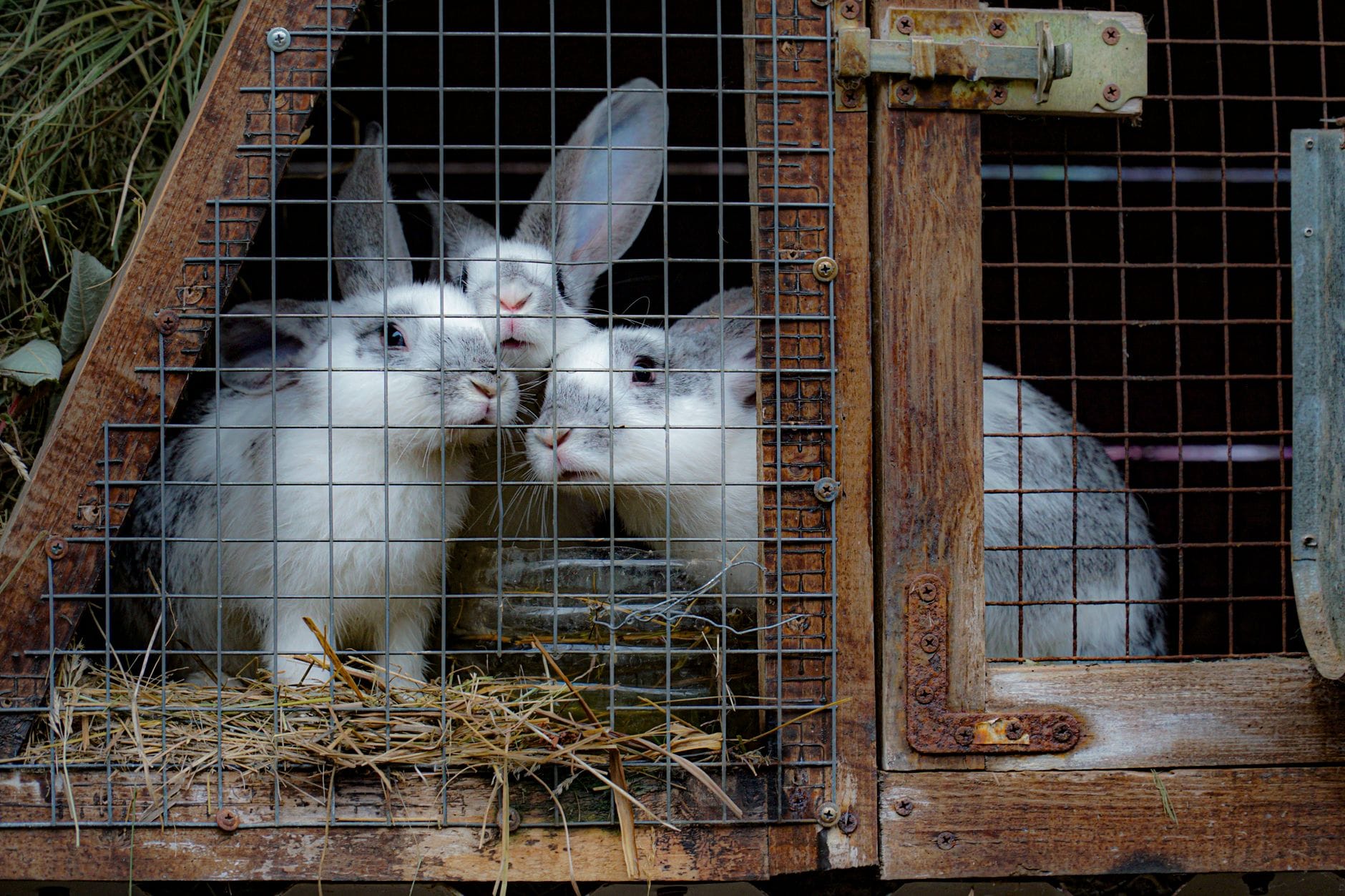
So you fancy keeping rabbits. Good choice: they are brilliant animals once you understand them. But let's clear something up straight away. The image most of us grew up with, a lone bunny in a small hutch munching a bowl of colourful mix, gets almost everything wrong. Do it properly and you'll have a pair of characterful, funny, genuinely rewarding animals. Do it the old way and you'll have two sad rabbits and a guilty conscience. Here is what they actually need.
Are rabbits really as easy as everyone says?
They aren't, and anyone telling you otherwise is doing rabbits a disservice. A well-kept rabbit lives eight to twelve years, so this is a decade-long commitment closer to owning a cat than a hamster. They need daily feeding and checks, annual vet care, and a proper setup that costs real money up front.
The big one people miss is that rabbits are a social species. In the wild they live in groups, and a rabbit kept entirely alone is a lonely rabbit. Loneliness in rabbits isn't sentimental nonsense either, it shows up as boredom, depression and stress. The clear welfare advice from the RWAF and RSPCA is simple: never keep a single rabbit. Keep at least two.
One more myth worth binning: most rabbits dislike being picked up. They are prey animals, and being lifted off the ground feels like being caught by a predator. Plenty of children lose interest fast when they realise the bunny would rather sit near them than be cuddled. That's normal. Meet them on their terms and they'll come to you.
How much space do rabbits actually need?
Far more than the pet shop hutch suggests. The current welfare standard from the RWAF, based on research with the RSPCA and Bristol University, is a single enclosed area of at least 3m x 2m as a footprint, and at least 1m high, for two average-sized rabbits. Crucially, that space must be available all the time, not just for a supervised hour on the lawn.
The reason for that shape matters. Rabbits need room to run, not just hop, and the height lets them stand up and do that joyful vertical twist we call a binky. A cramped hutch physically prevents all of it.
The practical model most keepers use is a hutch or shed as the sleeping quarters, permanently connected to a large run so the rabbits move freely between the two whenever they like. A converted garden shed with an attached covered run works beautifully. So do house rabbits, if you bunny-proof your cables. What doesn't work is a hutch on its own.
What should rabbits eat?
This is where a lot of well-meaning owners go wrong, usually because the food aisle points them the wrong way. Get the diet right and you prevent most common health problems before they start.
The golden rule: roughly 85% of what a rabbit eats should be hay or fresh grass. Unlimited, good-quality feeding hay should be in front of them at all times. It keeps their gut moving and, just as importantly, grinds down their teeth, which grow continuously throughout life. On top of that, offer a daily handful of suitable leafy greens and only a small, measured portion of pellets, about 15g per kilogram of your rabbit's bodyweight.
Please avoid muesli-style mixes, the ones with the colourful flakes and bits. Research from Edinburgh University showed rabbits selectively feed on these, picking out the sugary bits and leaving the fibre, which leads directly to dental disease and gut problems. Plain nuggets in a small amount are fine. Muesli is best left on the shelf. And fresh water, always, ideally in a bowl as well as a bottle.
Get the hay right and you have prevented most of the vet bills before they ever happen. Fibre is not a side dish for rabbits, it is the whole point.
Do rabbits need a companion, and should they be neutered?
Yes to both, and the two go together. Because rabbits must live in company, and because two entire rabbits will either breed like, well, rabbits, or fight, neutering is essential rather than optional.
The classic winning combination is a neutered male paired with a neutered female. Neutering does far more than prevent litters. In females it removes the very high risk of uterine cancer, which vets and the RWAF report affects a large majority of unspayed does by around five years of age, along with the risk of womb infections and phantom pregnancies. In males it stops spraying and takes the heat out of hormonal aggression, which makes bonding a pair far more likely to succeed.
Introducing two rabbits, known as bonding, needs to be done gradually and on neutral territory. It can take days or weeks, and it's worth taking slowly. A well-bonded pair will groom each other, flop out together and generally be twice the pleasure of one lonely rabbit. If you'd like the wider picture of how small livestock fit a self-reliant life, our Keep hub is the place to browse.
What health problems should I watch for?
Rabbits are stoic and hide illness well, so daily observation is your best tool. A few conditions come up again and again in the UK, and most are preventable or catchable early.
- 1
Vaccinate against the big killers
Rabbits need protection against myxomatosis and rabbit viral haemorrhagic disease, covering both RVHD1 and RVHD2. A combined vaccine is available. Your vet will set the schedule based on local disease risk, which may mean more than one appointment a year.
- 2
Check teeth and appetite
Because teeth grow constantly, dental disease is common, especially on a low-hay diet. A rabbit that stops eating, drools or drops weight needs a vet quickly. Any rabbit not eating for 12 hours is an emergency.
- 3
Watch for gut stasis
If a rabbit goes off its food and stops passing droppings, its gut may have slowed or stopped. GI stasis is life-threatening and moves fast. Treat a rabbit that hasn't eaten or toileted as an urgent vet case, not a wait-and-see.
- 4
Guard against flystrike in warm weather
From spring to autumn, flies lay eggs on a mucky rear end and the maggots can kill within a day. Check your rabbits' back ends at least twice daily in warm weather, keep the toilet area clean, and ask your vet about a preventive product.
Flystrike deserves a special mention because it's grim, fast and largely preventable. Rabbits most at risk are overweight, arthritic or have dental pain, because they can't clean their own bottoms. Keep them lean, keep the housing clean, and physically look under the tail every day when it's warm. That one habit saves lives.
Can I keep rabbits for meat in the UK?
For a homesteading audience, it would be dishonest to skip this. Rabbits have long been a quiet staple of British self-sufficiency, and for good reason: they convert grass and greens into lean meat efficiently, in a small space, without a smallholding's worth of land.
Legally, you're on solid ground. In the UK you can raise and slaughter your own rabbits at home for consumption by you and your immediate household. There's no licence needed for that. What the law does insist on, absolutely, is welfare. It is an offence under the Animal Welfare Act 2006 to cause any animal unnecessary suffering, and killing is governed by welfare-at-killing rules. In plain terms, you must have the skill, the training and the right equipment to despatch a rabbit humanely and instantly, every single time. If you can't be confident of that, you're not ready, and you should learn hands-on from someone experienced before you begin.
A meat rabbit deserves exactly the same standard of life as a companion one right up to the end: proper space, a good diet, company where appropriate, and freedom from fear and pain. Keeping them well and killing them cleanly is the whole deal. If you're building towards a more self-reliant life more broadly, our guide to self-sufficiency in the UK sets meat rabbits in that wider context.
Is keeping rabbits right for you?
If you can give two rabbits a large permanent space, a hay-first diet, neutering, yearly vet care and ten minutes of daily attention, you'll be rewarded with some of the most entertaining animals you can keep. If you were picturing a cheap, hands-off pet in a hutch, it's worth pausing and rethinking, because that version doesn't serve the rabbits or you.
Do it properly, though, whether as companions or as part of a working homestead, and rabbits earn their place many times over. Start with the space and the hay. Everything else follows from there.
This guide is general information, not formal legal, financial, medical or veterinary advice. UK rules, prices and best practice change, and some rules differ across England, Scotland, Wales and Northern Ireland, so always check the current position with the relevant official source (such as gov.uk, the NHS, the FSA, DEFRA or APHA, or the RHS) or a qualified professional before acting. Last checked July 2026.
Frequently asked questions
Sources
- Minimum space requirements for pet rabbits , Rabbit Welfare Association & Fund (RWAF)
- What to feed pet rabbits: complete diet guide , Rabbit Welfare Association & Fund (RWAF)
- Rabbit vaccinations guide: myxomatosis & RVHD , Rabbit Welfare Association & Fund (RWAF)
- Slaughter poultry, livestock and rabbits for home consumption , GOV.UK
Kit for this job (Ad)

CLASSIC Crystal Deluxe 'Midi' - Small Animal Drinking Bottle 320ml
Check price on Amazon →
CLASSIC Small Animal Drinking Bottle 600ml Zig-Zag – Non-Leak, Twin-Ball Spout, Ideal for Rabbits, Guinea Pigs, Hamsters, and Small Pets - Pack of 1
Check price on Amazon →
Small Pet Select – Hair Buster Comb for Rabbits, Guinea Pigs & Small Pets | Gentle, Efficient Grooming Tool for Removing Loose Hair & Reducing Shedding
Check price on Amazon →
Pet Dog Pen Puppy Cat Rabbit Foldable Playpen Indoor/Outdoor Enclosure Run Cage (Small: Height 61cm)
Check price on Amazon →We may earn a small commission, at no cost to you. We only list kit we'd use.
Written by
UK Homesteading Team
Editorial team
The UK Homesteading editorial team, offering UK-specific, evidence-led guidance on growing, keeping, preserving and the law.