Why is kale such a good crop for a beginner?
If you grow one vegetable in your first year, a strong case says make it kale. It's one of the hardiest things you can put in the ground, and it keeps giving fresh leaves through the coldest, greyest months when the rest of the plot has packed up. The RHS calls it particularly valuable in winter for exactly that reason.
It's also forgiving. Kale doesn't need a greenhouse, it copes with our damp and our cold, and it shrugs off the odd bit of neglect in a way fussier crops never will. You pick a few leaves at a time rather than harvesting the whole plant in one go, so a short row keeps producing for months on end. And it's genuinely nutritious: dark leafy greens picked ten minutes before dinner beat anything that has sat on a supermarket shelf.
Kale is the plant that keeps a British veg patch alive through the hungry gap, when there's frost on the beds and precious little else to pick.
The one thing to respect is that kale is a brassica, part of the cabbage family. That brings a specific set of pests and a firm-planting habit you'll want to get right. Get those two things sorted and the rest is easy.
Which type of kale should you grow?
There's more choice than the bag in the supermarket suggests. The main types worth knowing:
- Curly kale is the classic. Tightly ruffled, dark green, dependable and about as hardy as vegetables get. Varieties like 'Dwarf Green Curled' stay compact, which suits a small bed or a big pot.
- Cavolo nero, also sold as Tuscan kale, black kale or 'Nero di Toscana', has long, narrow, blistered strap-leaves and a deeper, sweeter flavour. It's the one Italian cooks reach for, and it stands tall and upright in the bed.
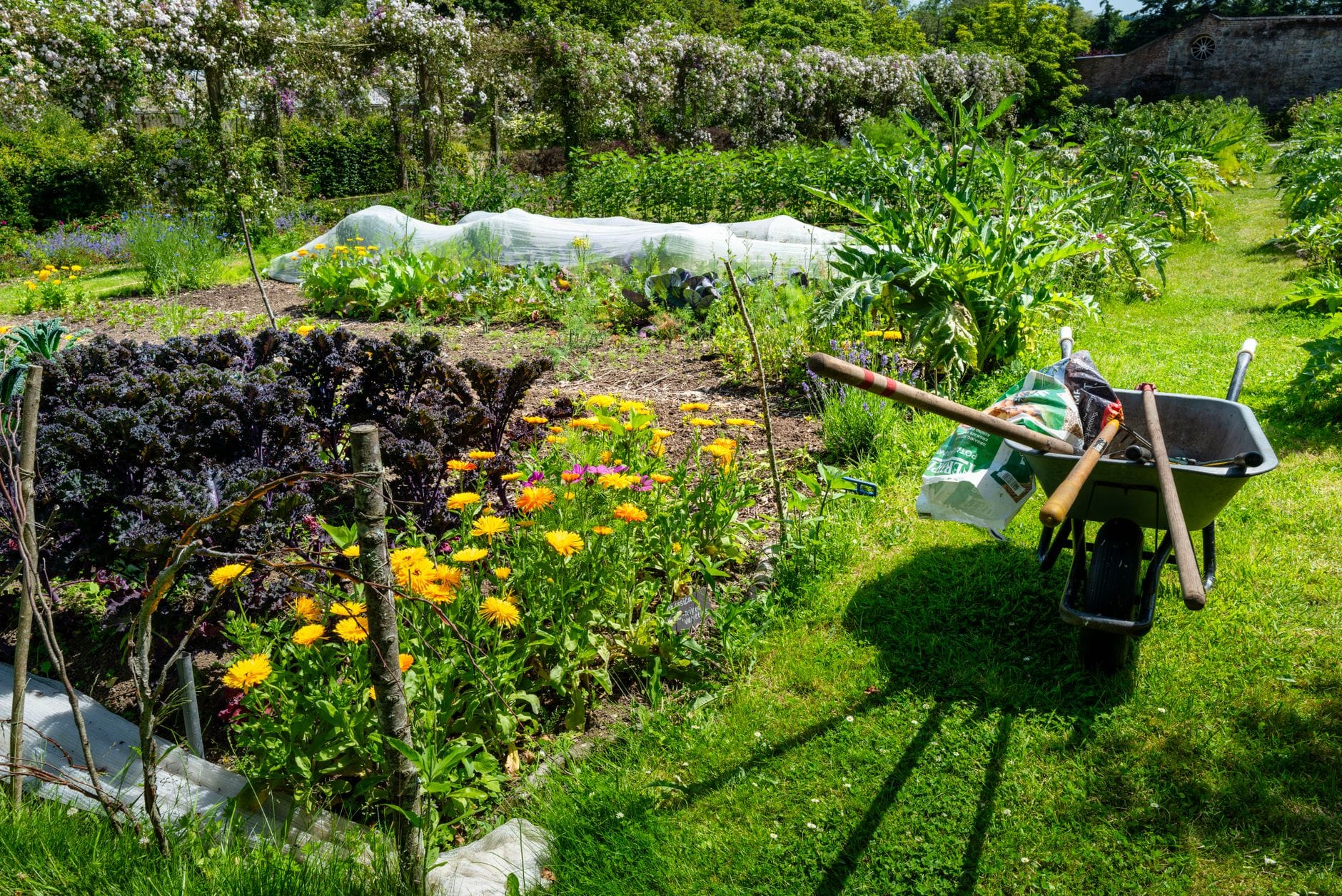
- Red kale brings colour to the winter plot. Varieties such as Redbor and the frilly heirloom 'Red Russian' (sometimes sold as 'Ragged Jack') carry purple and red tints that deepen in the cold, and they look quietly handsome doing it.
- Dwarf versus tall matters for space and exposure. Dwarf curled types like 'Scarlet Curled' stay low and neat and cope well in containers or windy sites, while cavolo nero and Redbor grow tall and may want a bit of support once they're big.
For a first go, a curly kale plus one cavolo nero gives you the reliable workhorse and the tastier one to compare. There's no wrong answer here.
When and how do you sow kale?
The reliable window for most of the UK is April into June, though you can start under cover from around March. Late sowings have a useful side benefit: they miss the worst of the cabbage white butterflies, which peak in high summer.
You've got three sensible ways to sow.
- 1
Sow into modules (the easy option)
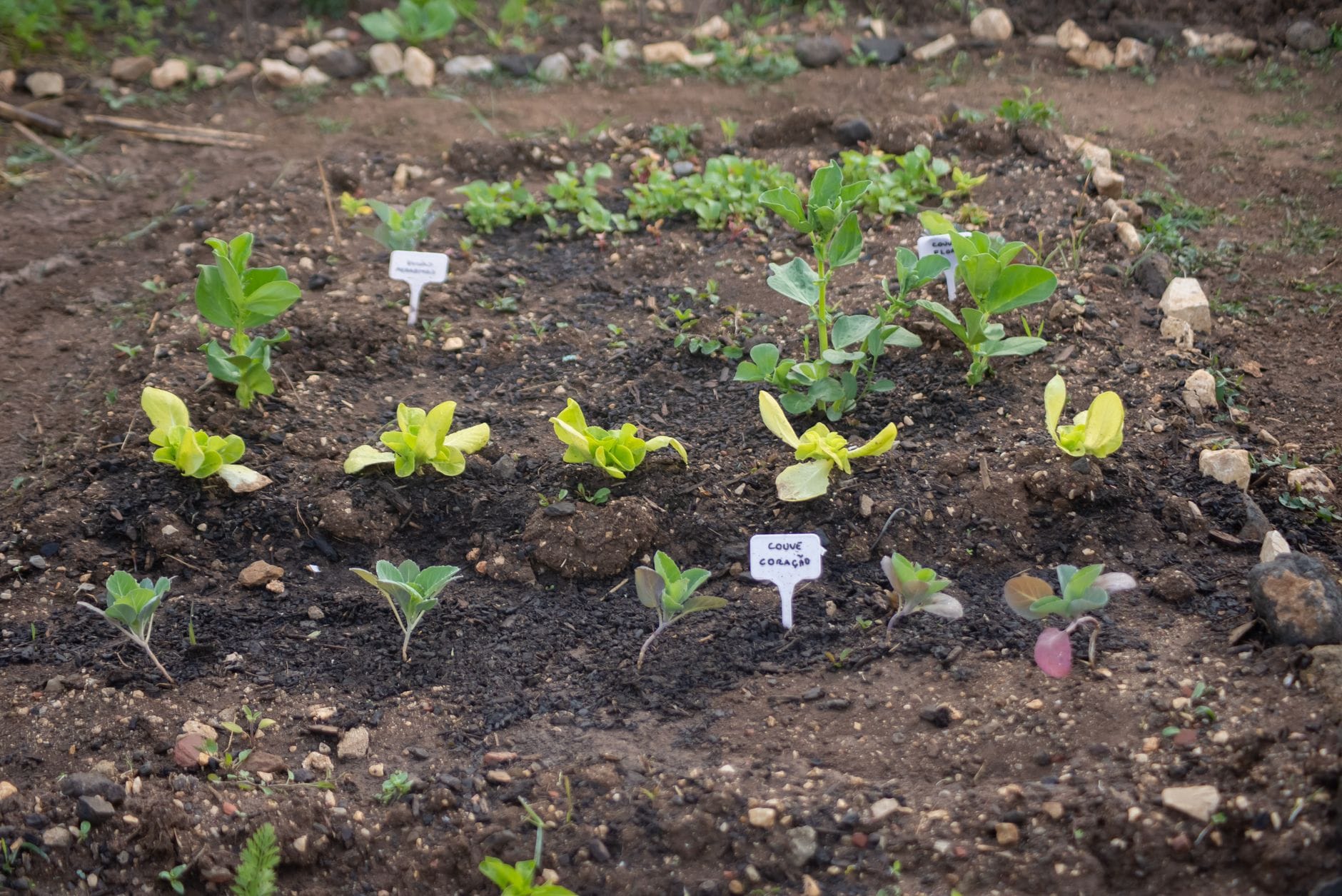
Sow two or three seeds about 1cm deep into modular trays of compost. Modules keep root disturbance to a minimum, which kale appreciates. Thin to the strongest seedling once they're up.
- 2
Or sow into a seedbed
Sow thinly along a shallow drill, roughly 10 to 15cm apart, in a spare corner of the garden. You'll lift and move these to their final home later.
- 3
Or direct-sow where they'll grow
Sow three seeds together every 45cm along the row, then thin to the single strongest plant at each station. No transplanting needed, but you get less control over spacing and pests.
- 4
Grow the young plants on
Keep seedlings watered so they never dry out. They're ready to move when 10 to 15cm tall with five or six proper leaves, usually around six to eight weeks after sowing.
Modules are the beginner-friendly choice because you can raise your plants safely away from slugs and pigeons and plant out sturdy specimens.
How do you plant kale so it actually thrives?
This is the bit that quietly makes or breaks a brassica crop, and it's why some people's kale bolts along while others' sits and sulks. Kale needs firm, rich ground and firm planting.
Rake the bed level and tread it down so it's really firm underfoot. Kale likes a rich, well-drained soil, so work in some well-rotted compost or manure beforehand. It's happiest in sun but will tolerate light shade, and it prefers a soil that isn't too acidic, ideally around pH 6.0 to 7.5.
When you plant out, set each seedling deeper than it sat in its module, right down so the lowest leaves almost touch the soil. Then firm it in hard with your hands or a heel. Space plants about 45cm apart, or up to 60cm for the taller varieties like cavolo nero. They look lost with all that room at first, then grow into big plants that earn every centimetre.
How much watering and feeding does kale need?
Not much fuss, as it turns out. Water seedlings and young plants regularly so the soil never dries out while they're establishing. Once they're settled and growing away, kale only really needs watering in a prolonged dry spell. A mulch of well-rotted compost around the plants helps hold moisture in over summer and keeps the weeds down.
If your soil was well prepared with compost or manure, you won't need to feed heavily. A general-purpose feed in summer keeps big, leafy varieties cropping strongly, but kale is not a hungry diva. Consistent moisture and firm roots do most of the work.
Which pests and diseases hit kale, and how do you stop them?
Kale is tough, but as a brassica it draws the classic UK cabbage-family troublemakers. None is a disaster if you plan for it. Our pest-proofing brassicas guide goes deeper, but here's the short version.
- Cabbage white caterpillars are the summer menace. The butterflies lay eggs on the undersides of leaves, and the caterpillars can reduce a plant to ribs in days. The fix is insect-proof mesh draped over hoops from late spring through summer, or checking under the leaves and squashing the clusters of yellow eggs and green caterpillars by hand.
- Wood pigeons are the winter menace. When the fields are bare they'll strip a row of brassicas overnight, and kale is a favourite target. Net your plants securely through winter. This is not optional if pigeons visit your garden.
- Cabbage root fly attacks young transplants, its larvae eating the roots so plants wilt and fail in early summer. Fit a collar around each stem at planting: a disc of cardboard, carpet underlay or roofing felt, about 8 to 15cm across, sitting flat on the soil. It stops the female laying her eggs next to the stem. Mesh does the same job.
- Cabbage whitefly are tiny white flies that rise in clouds when you brush the plants. They're more of a nuisance than a killer on kale; a strong hose-down and removing the worst lower leaves usually keeps them in check.
When and how do you harvest kale?
Kale is ready to pick from autumn onwards, often from September, and it's a proper cut-and-come-again crop. That means you never pull up the whole plant. Instead, take a few of the youngest, most tender leaves from the top and outside of each plant, working your way round several plants so no single one is stripped. Leave the central growing point and plenty of leaves in place and the plant simply keeps producing new ones.
Pick young and pick often. Older, tougher leaves can turn bitter, so regular light harvesting actually keeps the flavour sweet and the plant productive. Do this and one row will feed you steadily right through the darkest months.
Here's the lovely part. Kale's flavour improves after the leaves have been touched by frost, because the cold prompts the plant to turn starches into sugars. So resist the urge to harvest everything in autumn. Leave the plants standing, let the frosts do their work, and pick sweeter leaves through winter. Then, come February and into spring, the plants throw up tender young side shoots. Snap these off like sprouting broccoli and you've got a bonus crop of the sweetest pickings of the whole year, arriving in the hungry gap when almost nothing else is ready.
If you want to keep the whole cycle self-sufficient, those trimmed-off tough outer leaves and spent plants go straight on the heap. Our guide to composting at home turns them back into next year's soil food.
Related guides and tools
Kale is a brilliant first step into growing your own, and it pairs naturally with a few other reads on the site:
- Browse the full vegetable growing hub for more UK crop guides.
- Beat the cabbage whites and pigeons with our pest-proof brassicas guide.
- Close the loop and feed your soil with how to make compost at home in the UK.
- Not sure what to sow this month? Our UK planting calendar tells you exactly when to sow, plant and harvest kale and everything alongside it.
Frequently asked questions
Sources
- Kale: grow your own , RHS
- Club root , RHS
- Cabbage root fly , RHS
- How to grow kale , Garden Organic
- How to grow kale , BBC Gardeners' World
- Winter veg that survive frost and taste better , BBC Gardeners' World
Kit for this job (Ad)

Vegetable Seeds Variety Pack - 30 Different Varieties of Vegetables, Beans, Herbs and Tomato Seeds. Grow Indoor and Outdoor. Father's Day Gardening Gifts for Women and Men
Check price on Amazon →
12 Vegetable Plants Seed Box, Grow Your Own Kits, 5100 Vegetable Seeds | Courgette, Chilli, Tomato Seeds for Planting UK, Unusual Gardening Gifts for Women & Garden Gifts for Men, Allotment Gifts
Check price on Amazon →
Premier Seeds Direct - Spinach Seeds - Perpetual Approx 500 Seeds
Check price on Amazon →
Pronto Seed Grow Your Own Vegetable & Herb Kit - 21 Varieties | 1,700+ seeds for planting UK: salad, spicy, peas & beans mix. Easy gardening gift for men & women, with growing guide.
Check price on Amazon →We may earn a small commission, at no cost to you. We only list kit we'd use.
Written by
UK Homesteading Team
Editorial team
The UK Homesteading editorial team, offering UK-specific, evidence-led guidance on growing, keeping, preserving and the law.