The three enemies
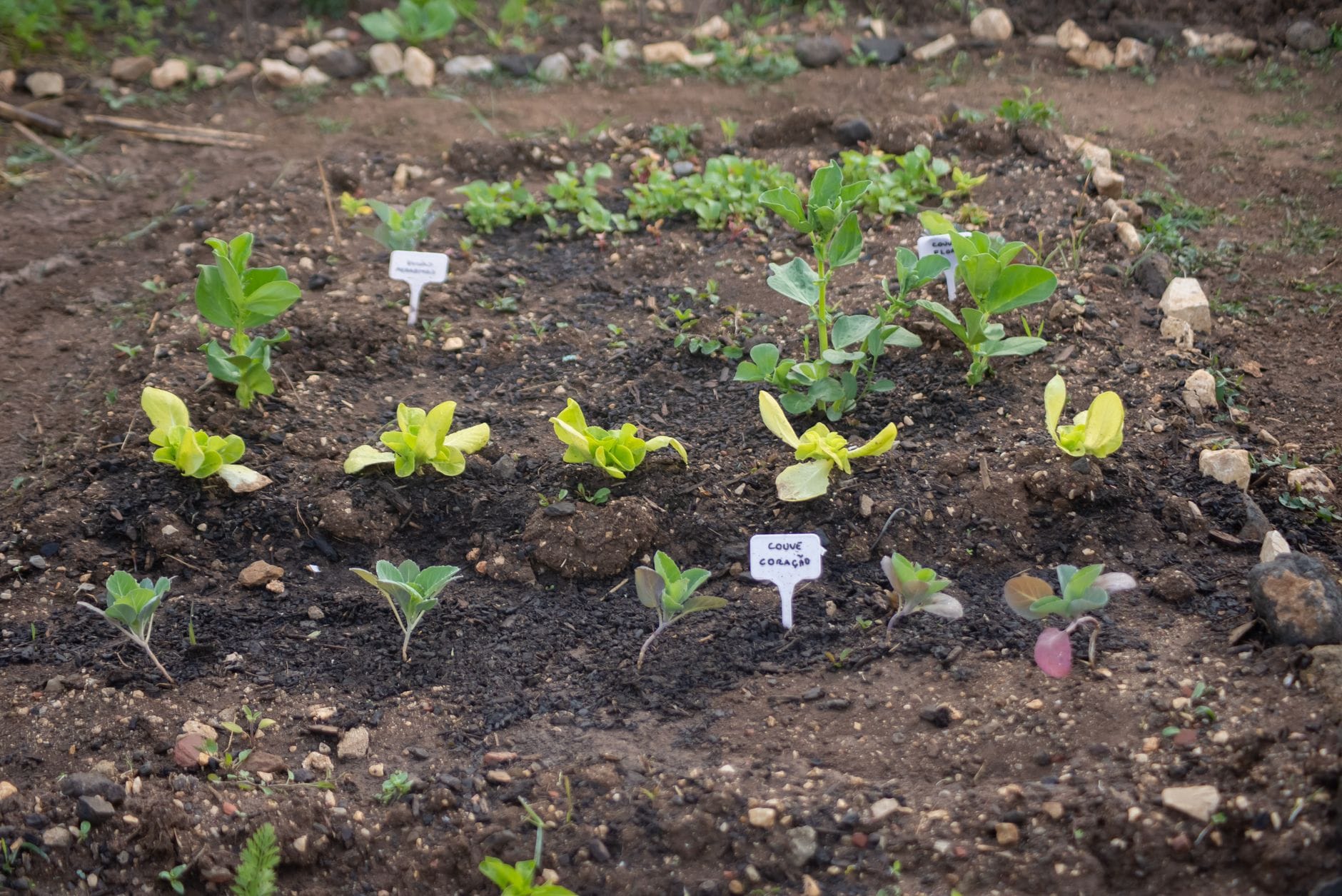
Brassicas. Cabbages, kale, sprouts, broccoli, kohlrabi, cauliflower, draw in three serious British pests:
- Cabbage white butterflies lay their eggs on the underside of leaves from June to August. The caterpillars can reduce a plant to bare ribs within 10 days.
- Wood pigeons strip cabbages and kale over winter, when there's nothing else in the fields. One visit can defoliate four plants.
- Cabbage root fly lays its eggs at the base of the stem. The larvae burrow into the root, the plant wilts on sunny days, and the harvest is gone.
Going completely unprotected only really works at smallholding scale, where a few losses don't matter. If you're growing 10 to 20 plants at home, one bad pest year is enough to end the experiment.
The mesh that does both jobs
Insect mesh, sold as "Enviromesh" or "Fleece-Lite Plus", has 1 to 2mm holes, comes in white, and is soft enough to drape straight over the plants. It stops butterflies, moths, root flies and pigeons in one go. It lasts 5 to 8 years and costs around £15 for a 3m × 1m sheet.
Set-up:
- 1
Build low hoops over the bed
Alkathene pipe arches every 60cm, standing 50cm above the soil at the crown. Don't drape the mesh straight onto the plants. Cabbage whites will lay eggs straight through pressed mesh.
- 2
Drape and weigh
Pull the mesh sheet across the hoops, pin the edges with bricks, and mound soil over the perimeter. Every gap left open is a butterfly motorway.
- 3
Lift weekly to check
Pull the mesh back, check for any eggs you've missed, water, then put it back. That way any damage is limited to a single visit, not a fortnight's invasion.
- 4
Keep covered until October
Take it off in September and you'll let the last-flight butterflies and the autumn root fly straight through. Patience pays here.
Timing as a second barrier
Cabbage whites peak between late June and mid-August. Pigeons peak in January. Sow kale, sprouts and purple-sprouting broccoli in late July and they'll grow up in the butterflies' tail-end, mostly established by the time the heavy pigeon weeks arrive. You'll still need mesh. But the pressure's lighter.
Don't try to outrun the season with early sowings of beginner brassicas, either. Cabbages planted in May get hammered from every direction.
The tough varieties
If you want any real shot at growing brassicas under minimal cover, pick the toughest classes going:
- Russian / Siberian kales ('Red Russian', 'Sibley'). Small leaves that butterflies tend to pass over for bigger targets, and pigeon damage regrows.
- Cavolo nero. Upright and dark, less appealing to pigeons than the green-leafed varieties.
- Purple-sprouting broccoli. Overwinters and is harvested in March, ahead of butterfly season.
- Romanesco and calabrese. Tighter heads, so nibbled outer leaves show less.
Steer clear of year-one cauliflowers, white cabbage and Brussels sprouts in half-protected beds. They want perfect conditions and punish anything less.
The "no mesh at all" honest answer
Is it possible? Yes. In a very sheltered urban garden where pigeons are scarce and the prevailing wind keeps the butterflies down. Is it reliable? No. Across most of mainland UK, plan on mesh from May to October over every brassica bed. The good news is it's one purchase that'll see you through most of a decade.
The fastest way to give up on growing your own food is one summer of caterpillar-stripped cabbages. The cheapest insurance against it is £15 of mesh.
Frequently asked questions
Sources
- RHS. Cabbage white butterfly , Royal Horticultural Society, 12 May 2025
Kit for this job (Ad)

Slug & Snail Killer - 800g Slug Pellets for Garden - Ferric Phosphate Slug and Snail Pellets - Long Lasting Pest Control in Damp Conditions for Up to 14 Days - Crop Friendly
Check price on Amazon →
Slug & Snail Killer Max 800g - Organic Approved Slug Pellets - Fast Acting Protection for Vegetables, Flowers & Garden Plants - 2 Weeks Defence Against Slugs and Snails
Check price on Amazon →
Gardening Naturally Garden Fleece Heavy Duty 30g, 4 x 5m Horticultural Fleece for Plants, Plant Fleece Frost Protection, Frost Protection for Plants, Warmacrop ® Protects down to -5/-6-5/-6 (4 x 5m)
Check price on Amazon →
Garden Fleece Frost Protection – Breathable Horticultural Fleece Roll 2.5m x 10m (30gsm), Non-Woven Plant Cover, Water & Light Permeable, for Outdoor Plants, Vegetables & Seedlings
Check price on Amazon →We may earn a small commission, at no cost to you. We only list kit we'd use.
Written by
UK Homesteading Team
Editorial team
The UK Homesteading editorial team, offering UK-specific, evidence-led guidance on growing, keeping, preserving and the law.