Why is lettuce such a good crop for beginners?
If you're growing your own for the first time, lettuce is hard to beat. A single packet of seed costs a pound or two and holds hundreds of plants, so the maths is firmly on your side compared with the bagged stuff at the supermarket. It's quick, too. Loose-leaf types give you pickable leaves in as little as four to six weeks, while a firm-hearted lettuce takes around 10 to 14 weeks depending on the variety.
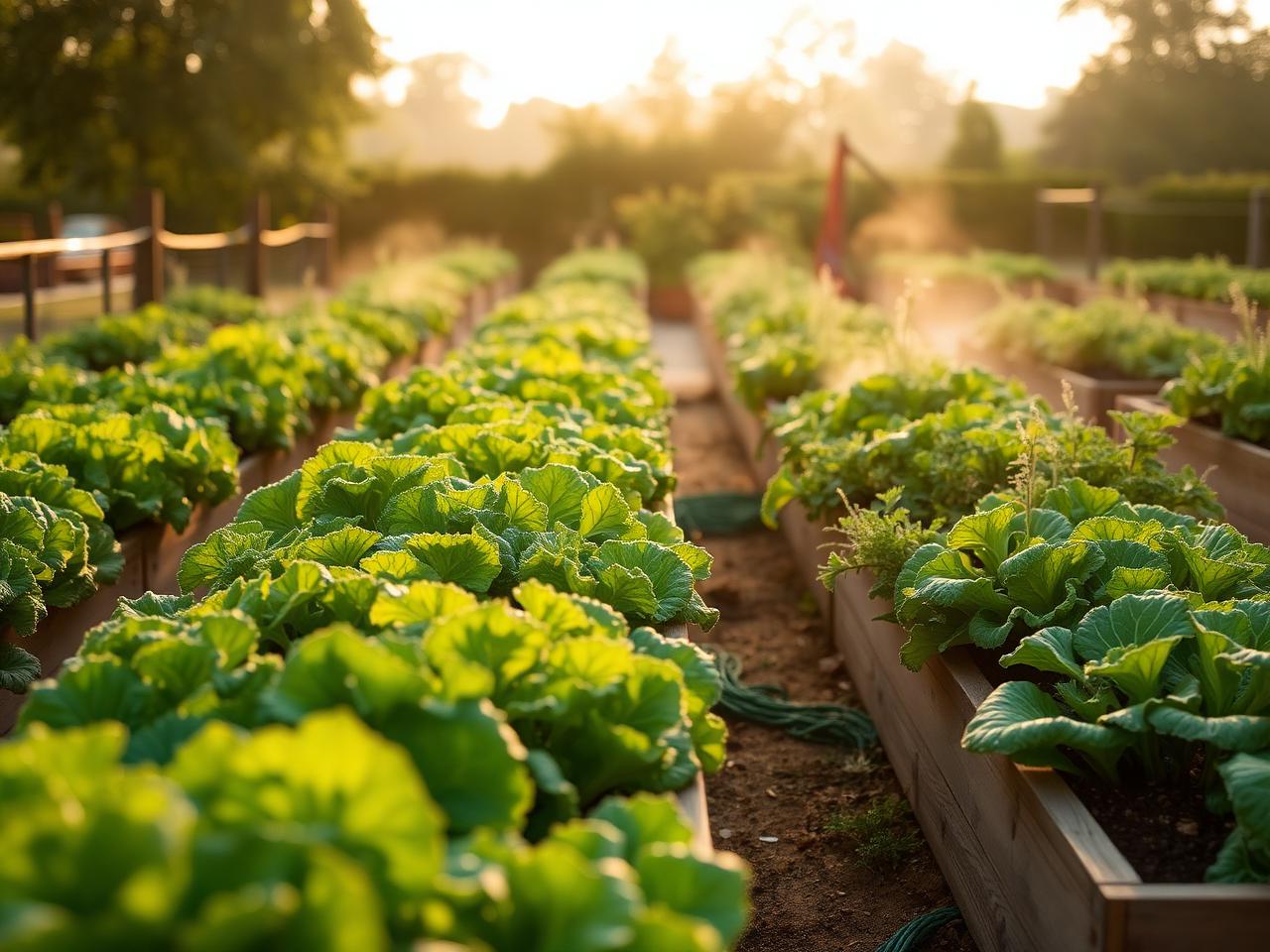
It's also forgiving of small spaces. Lettuce is perfectly happy in a bed, tucked along the edge of a border, or in a pot by the back door, so you don't need an allotment to grow a proper supply. And with the cut-and-come-again approach, one plant keeps giving: you pick the outer leaves and leave the middle to regrow, often for weeks. That is a lot of salad from very little effort.
If you'd rather grow leaves indoors through the colder months, we've got a separate guide to salad leaves on a year-round windowsill. This one is all about the outdoor crop: whole heads and loose-leaf pickings from your garden. For the wider picture on what to sow and when, our vegetable growing hub is a good place to browse.
Which type of lettuce should you grow?
The most useful distinction isn't the variety name, it's whether a lettuce hearts up or not. Get that clear and everything else falls into place.
Loose-leaf (cut-and-come-again) types don't form a solid heart. They make open rosettes of foliage, which is ideal for picking a few individual leaves at a time. They are the easiest, quickest and most productive lettuces for a beginner, they cope better with heat, and you rarely lose a whole plant in one go. Reds and greens like 'Salad Bowl' and 'Lollo Rossa' are the classics. If you only grow one kind, make it these.
Hearting types form a dense head you cut in one piece. There are three to know:
- Butterhead: soft, juicy leaves with a mild flavour, and fairly quick to mature. Lovely to eat, but more inclined to bolt in a hot spell than the others.
- Cos (romaine): an upright, oblong head with crisp mid-ribs. Sturdy, dependable and a bit more bolt-resistant. 'Little Gem' and 'Winter Density' are UK favourites.
- Crisphead (iceberg): big hearts of curled, crisp leaves and the best bolt resistance of the lot. The trade-off is that it's the slowest and fussiest, and wants the most space and water.
A sensible beginner's plan is to grow mostly loose-leaf for reliable everyday leaves, and add a few cos for something with more crunch and structure.
When should you sow lettuce in the UK?
For the main outdoor crop, sow from late March to late July. Somewhere in that window there's a batch going in every couple of weeks (more on that below).
To get going earlier, sow indoors in early February and plant out in early March, ideally under a cloche or fleece to take the edge off cold nights. And lettuce isn't just a summer crop. Sow a winter-hardy variety such as 'Winter Density' outdoors in early August, then cover the plants with cloches from late September, and you can be picking leaves through autumn and into early spring when almost nothing else is going. A September or October sowing of the same hardy types gives you spring harvests.
The one thing to avoid is sowing your whole packet at once. You'll get a wall of lettuce that's all ready together, races to bolt, and leaves you with a gap afterwards.
How do you sow and plant out lettuce?
You've got two ways in: sow direct where the plants are to grow, or start them in modules and transplant. Direct sowing is simplest; modules give you more control, dodge the worst of the slugs, and let you start summer batches somewhere cool. Many gardeners do both.
- 1
Prepare the ground
Rake the soil to a fine, crumbly tilth and make sure it's moist before you sow. Lettuce likes a sunny spot in spring and autumn, but appreciates light shade in high summer. Working in some garden compost first helps hold the steady moisture lettuce loves.
- 2
Sow thinly, about 1cm deep
For direct sowing, draw out shallow drills 1cm (½in) deep with rows 30cm (1ft) apart, and sow thinly along them. Thin sowing means far less thinning-out later and less waste.
- 3
Or sow in modules in a cool spot
Sow a pinch of seed per module cell, keep them somewhere cool and bright, and plant out the young plants once they've a few true leaves. This is the reliable way to raise midsummer batches.
- 4
Thin to the right spacing
Thin loose-leaf types to about 15cm (6in) apart, and hearting types to 15 to 30cm (6 to 12in), or a full 30cm for large crispheads. Don't bin the thinnings; the little plants make a fine baby-leaf salad.
- 5
Water in and keep moist
Water young plants in well and never let them dry out. Consistent moisture is the single biggest thing you can do to grow tender, sweet lettuce rather than tough, bitter, bolting plants.
Why does lettuce bolt, and how do you stop it?
Bolting is the classic UK lettuce problem. The plant stops making leaves, shoots up a flower spike, and the leaves turn bitter and inedible almost overnight, often oozing a milky sap. It's the plant's response to stress, and the main trigger is hot, dry weather combined with the long days of high summer.
There's a related quirk worth knowing. Lettuce seed itself goes dormant in the heat. Above about 25°C the seed can enter a state called thermodormancy and simply refuse to germinate, which is maddening when you sow a summer batch and nothing comes up. The sweet spot for germination is around 18 to 21°C. Butterheads are especially prone to it, while crispheads shrug it off better.
The fix for a hot spell is the same either way: keep things cool, keep things moist, and never let a plant sit thirsty.
So for midsummer sowings, sow in the evening, water the drills with cold water, and give the seedbed some shade until seedlings appear. Better still, start those batches in modules on a cool, bright sill or a shaded corner rather than in a warm propagator.
For hearting lettuce, back that up with steady watering, light shade in the hottest months, bolt-resistant crisphead and cos varieties, and prompt harvesting once a good heart has formed. Concentrating your hearting crops in the cooler parts of the season, spring and early autumn, takes a lot of the pressure off.
How do you deal with slugs and the other pests?
Slugs and snails are, without much competition, the number one enemy of lettuce. They love soft, fleshy leaves and young seedlings, and they'll shred a freshly transplanted row overnight, leaving nothing but ragged stumps by morning. It's the classic heartbreak of the beginner grower.
Metaldehyde slug pellets, the old go-to, have been banned for outdoor use in Great Britain since spring 2022 because of the harm they do to birds, hedgehogs and other wildlife. That's no bad thing, because the alternatives work well when you combine a few:
- Water in biological nematodes (Phasmarhabditis hermaphrodita), which target slugs in the soil and are safe for wildlife.
- Go on evening patrols with a torch on damp nights and pick them off by hand, or set beer traps and upturned citrus skins as lures.
- Ring vulnerable plants with grit or wool pellets, and encourage the birds, frogs, toads and hedgehogs that eat slugs for you.
- Raise plants in modules so they're a decent size before they meet the slugs, which gets them past the most vulnerable stage.
A few other problems crop up. Aphids cluster on leaves and undersides, sapping the plant's vigour; squash or hose them off and let ladybirds do the rest. Downy mildew shows as yellow patches on top with a fuzzy white mould beneath, usually in cool, damp, crowded conditions, so space plants well, water at the base in the morning, and remove affected leaves. Tipburn, brown scorched leaf edges, comes from erratic watering and rapid growth in heat, and the cure is simply keeping the moisture even.
How do you harvest for the longest supply?
This is where lettuce earns its keep. With loose-leaf types, you don't have to wait for a finished head at all. Snip a few outer leaves from each plant along the row and leave the centre to keep growing, or shear the whole plant down and let it resprout for another round. Pick regularly and a single sowing can feed you for weeks.
Even hearting lettuce gives you a second bite. When you harvest a whole head, cut through the stem leaving a stump about 2.5cm (1in) tall, and it will usually resprout to give you at least one, sometimes two, smaller extra harvests.
Whatever you're growing, keep the watering steady, aiming for consistently moist soil rather than a drought-then-flood cycle. Water early in the morning if you can. Watering in the evening leaves the ground damp overnight, which is an open invitation to slugs and to grey mould.
Containers deserve a mention, because lettuce takes to them happily and pots keep the crop up off the ground and a little safer from slugs. Use a pot at least 30cm (1ft) wide filled with peat-free multipurpose compost, keep it well watered since pots dry out fast, and loose-leaf lettuce will thrive on a patio or doorstep. Working your own home-made compost into beds and containers is one of the best things you can do for that steady moisture lettuce depends on.
Related guides and tools
- Salad leaves on a year-round windowsill for growing cut-and-come-again leaves indoors through the winter, when the garden crop has gone over.
- Our vegetable growing hub to pick your next easy crop, from radishes to runner beans.
- How to make compost at home so your lettuce beds hold the steady moisture that keeps leaves sweet and slows bolting.
- The planting calendar to see exactly when to sow lettuce and everything else in your part of the UK, month by month.
Frequently asked questions
Sources
- Lettuce: grow your own , Royal Horticultural Society
- Slugs: gardener's friend or foe , Royal Horticultural Society
- How to grow lettuces (thermodormancy) , Sea Spring Seeds
- Ban on metaldehyde slug pellets comes into force , Garden Organic
- Outdoor use of metaldehyde to be banned , DEFRA / GOV.UK
Kit for this job (Ad)

Slug & Snail Killer - 800g Slug Pellets for Garden - Ferric Phosphate Slug and Snail Pellets - Long Lasting Pest Control in Damp Conditions for Up to 14 Days - Crop Friendly
Check price on Amazon →
Slug & Snail Killer Max 800g - Organic Approved Slug Pellets - Fast Acting Protection for Vegetables, Flowers & Garden Plants - 2 Weeks Defence Against Slugs and Snails
Check price on Amazon →
Vegetable Seeds Variety Pack - 30 Different Varieties of Vegetables, Beans, Herbs and Tomato Seeds. Grow Indoor and Outdoor. Father's Day Gardening Gifts for Women and Men
Check price on Amazon →
12 Vegetable Plants Seed Box, Grow Your Own Kits, 5100 Vegetable Seeds | Courgette, Chilli, Tomato Seeds for Planting UK, Unusual Gardening Gifts for Women & Garden Gifts for Men, Allotment Gifts
Check price on Amazon →We may earn a small commission, at no cost to you. We only list kit we'd use.
Written by
UK Homesteading Team
Editorial team
The UK Homesteading editorial team, offering UK-specific, evidence-led guidance on growing, keeping, preserving and the law.