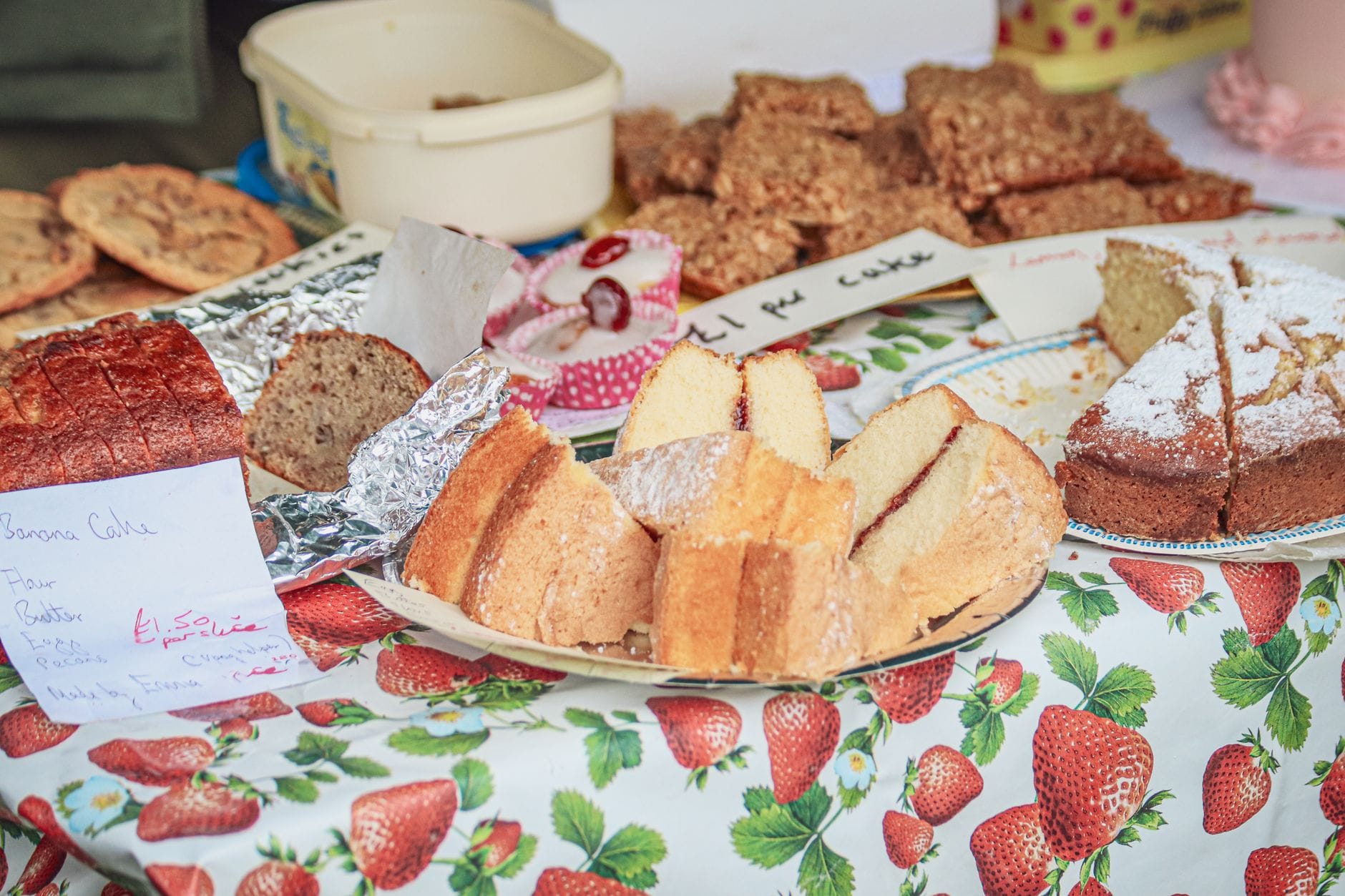
It usually starts with a glut. The plum tree goes mad, a neighbour hands you two carrier bags of windfall apples, the allotment coughs up more courgettes and green tomatoes than any household can eat. You make a batch of jam or chutney to save it from the compost, someone tastes it, and says the words that launch a thousand small food businesses: "you should sell this." The good news is that you genuinely can, and preserves are one of the friendliest products to start with. The honest news is that the margin per jar is lovely and the money per hour is not, so the whole game is about selling in the right places, at the right price, without working yourself into the ground.
This is a practical playbook for turning surplus fruit and veg into jars that sell. We will start with the money, because that is where most people fool themselves, then work through where to sell, how to price and stand out, and how far this can actually go. There is a short "Keep it legal" box near the end that points you to the rules, rather than burying the strategy under compliance.
Is there money in it? The honest jar maths
Preserves sell because they are familiar, giftable and cheap to make in small batches. A jar of home-made jam or chutney typically sells for £3.50 to £6.50, with premium flavours, local ingredients and gift sets fetching more. The consumer-money site MoneyMagpie reckons a jar costing around £1.50 to make and selling for £5 leaves proper room for profit, while a jar that costs £3.20 to make and sells for £4.50 leaves almost nothing once time, packaging and fees come out.
Their worked example is worth keeping in your head. One batch of 12 chutney jars comes to about £28 all-in once you add up ingredients (£11), jars and lids (£8.40), labels and seals (£3.60), energy and cleaning (£2) and a market or overhead allowance (£3). That is £2.33 a jar. Sell each for £4.95 and you turn over £59.40, for a gross of about £31 on the batch before wider business costs.
That looks like easy money right up until you count the hours: picking and prepping the fruit, the long boil, sterilising, potting, cooling, labelling, then a whole Saturday behind a stall. That is why the two levers that decide whether this is worth it are cheap or free fruit and efficient batches. This is exactly why preserves pair so well with a productive plot: the raw material is a by-product you would otherwise waste. If you are drowning in one crop, our guide to selling a glut is the natural companion to this page, and preserving is the classic move in the broader playbook on adding value for profit, where you turn 20p of apples into a £5 jar.
Where to sell your jars
The sellers who make it work almost never rely on one outlet. Each channel trades price against volume and effort differently, so most people build a little portfolio.
| Channel | Price per jar | Effort & notes |
|---|---|---|
| Craft fairs & farmers' markets | Full retail | Best for feedback, samples and face-to-face sales. Pitch fees and a full day of your time. Great for learning what sells. |
| WI markets & village events | Full retail | Low-cost, local, loyal customers. Modest volume but a gentle, cheap place to start and test recipes. |
| Farm shops, delis & gift shops | Wholesale (you take less) | Steady repeat volume without you manning a stall. They take a margin, so your price must still work at wholesale. Take samples and a price list. |
| Online shop & marketplaces | Full retail + postage | Works because preserves are shelf-stable. Build postage and fees into the price. Best for gift sets, not single cheap jars. |
| Gift sets & Christmas hampers | Premium | The highest-margin move. Bundle three jars with ribbon and a card and the perceived value jumps well above three single jars. |
Two things are worth calling out. First, wholesale is a different sum from retail: if a deli sells your jar for £5, it might pay you £3, so a price that only just works at a market can lose money through a shop. Cost it both ways before you say yes. Second, Christmas is your Q4. Spiced chutney gift sets and hampers in November and December can out-earn the rest of the year, so plan your autumn boiling around it.
Because jam and chutney do not need chilling, they are among the best home-food products to post. If you want to lean into the online and gift-set side, our guide to selling online covers the shop, the postage maths and the marketplace-versus-own-site decision in detail. Just remember the golden rule: a £4.95 jar that costs £4 to post is a hobby, not a margin.
Pricing and standing out: the recipe, the fruit, the story
Preserves are a crowded shelf, so the makers who command £6 a jar rather than £3.50 are almost always selling something beyond the contents. Three things do the heavy lifting.
A recipe worth talking about. A genuinely good, distinctive product is the whole foundation. Sue Prickett, a Cumbrian farmer's wife who runs a small preserve business from her farmhouse kitchen at Hutton Roof Hall near Kirkby Lonsdale, won the North West Producer of the Year award (sponsored by Booths and North West Fine Foods) with a single jar of blackcurrant jam, beating hundreds of entries from renowned regional meat and cheese makers. Her advice is all about the craft: get the fruit "ripe, but not over-ripe", when the pectin is right, and do not over-boil, because "the longer you boil jam the more the colour deteriorates". You cannot brand your way out of a mediocre jar.
Provenance and a small-batch story. People pay more when they know where the fruit came from and who made it. Nicola Elliott built Single Variety Co on the idea of single-fruit preserves made from named varieties, because she felt "no one was making just great-tasting strawberry jam." Your version of that story might be your own damsons, your allotment's glut, or a recipe from your grandmother. Put it on the label and say it at the stall.
Clear, professional presentation. Consistent jars, tidy labels and flavour names people instantly understand do a surprising amount of work. As MoneyMagpie puts it, "Spiced Plum Christmas Chutney" sells better than "Winter Warmer", because the shopper knows exactly what they are getting and why it belongs in a hamper. Save the personality for the description, keep the name clear.
The scale ladder: how big do you want this to be?
One of the most freeing things to realise is that there is no single "right" size, and the two ends of the ladder are both entirely respectable.
From kitchen hobby to national brand
- 1
Deliberately small, and proud of it
Sue Prickett's jam pan holds only about 1.8kg of fruit, so she makes small batches, sells at local craft fairs, a few specialist shops and the WI market she has supplied for years, and has no interest in a bigger pan or a supermarket. She only makes jam when fruit is in season. This is a legitimate, award-winning end state: a lovely product, pocket-money-plus income, and no stress.
- 2
A proper side income with graft
The middle of the ladder is several channels running at once, cheap glut fruit, a tight bestselling range, a wholesale account or two and a Christmas gift-set push. This is where preserves become a real, if labour-heavy, side income rather than a hobby.
- 3
A genuine brand, if you want it
Nicola Elliott started Single Variety Co in 2016 making 25 jars at a time with six pans on the go and selling from a market stall in Balham. It now produces around 5,000 jars a week and is heading for roughly £1.6m to £1.7m in annual revenue, stocked in over a thousand independent shops. Tellingly, she turned down supermarket listings with Sainsbury's and Morrisons to protect quality, saying she doesn't think she'd 'make any more money by scaling up.'
The lesson across the ladder is the same one Elliott learned the hard way when an early £200,000 factory decision and a wrong second-hand jam kettle nearly bit her: decide what you actually want before you scale. Bigger is not automatically better, and a deliberately small operation can be more profitable per jar and far more enjoyable than a stressed-out one chasing volume.
Work with the seasons and the free fruit
The seasonality that makes preserves feel niche is actually the strategy. Your cheapest ingredient is a glut, so build your year around it: strawberry and gooseberry jam in early summer, plum and damson in late summer, blackberry-and-apple and green-tomato chutney in autumn from the end-of-season gluts, and spiced chutneys and marmalades heading into the Christmas gift season. Hedgerow foraging, allotment surpluses, neighbours' unwanted windfalls and pick-your-own seconds all drop your cost per jar towards zero, which is where the real margin lives.
Match your production to the calendar and two good things happen at once: your raw material is nearly free, and your product feels seasonal and special rather than mass-produced. A jar of "September blackberry and apple, made from this year's hedgerows" sells itself in a way a year-round factory jam never can.
This page is general business information to help you sell preserves, not financial, tax or legal advice. Food law, labelling rules and tax duties change and depend on your circumstances, so always confirm the current position with your local council's environmental health team and the Food Standards Agency, and speak to an accountant about registering as self-employed and declaring income. Last checked July 2026.
Frequently asked questions
Sources
- Farmhouse jam takes top award (Sue Prickett, Hutton Roof Hall, Cumbria) , Farmers Weekly (fwi.co.uk)
- 'We made 25 jars at a time with six pans on the go - now our business boasts a world's best marmalade' (Nicola Elliott, Single Variety Co) , Yahoo Finance UK
- Single Variety Co - Our Story , Single Variety Co
- How to Make Money Selling Homemade Jam and Chutney , MoneyMagpie
- Food business registration , GOV.UK
- Allergen guidance for food businesses , Food Standards Agency
- Jam and similar products (composition and labelling) , Business Companion (Chartered Trading Standards Institute)
Kit for this job (Ad)

Nelko Label Maker P21 Portable Bluetooth Sticker Printer with Tape, Wireless Mini Label Makers for Organizing Storage Barcode Office Home, White
Check price on Amazon →
NIIMBOT B1 Label Maker Machine, 2 Inch Bluetooth Sticker Printer | Easy-to-Use Multi-Device Compatible (iOS/Android/PC), Includes 1 Roll Custom Stickers for Retail, Office & Home
Check price on Amazon →
Jar Labels 64 Pack Waterproof, Removable, Self Adhesive - Easy Peel Off, Blank Sticky Storage Labels for Jars, Jam, Chutney, Bottle Tags, Reusable Food Container & Kitchen Stickers by Innoveem
Check price on Amazon →
Round Customised Labels | Any Material, Size, Quantity | Upload Your Image or Text | Matt, Gloss, Kraft, Polyester | Logo Stickers Personalised for Party Bags | Business Labels (37mm)
Check price on Amazon →We may earn a small commission, at no cost to you. We only list kit we'd use.
Written by
UK Homesteading Team
Editorial team
The UK Homesteading editorial team, offering UK-specific, evidence-led guidance on growing, keeping, preserving and the law.