Tallow had a good long run as Britain's everyday cooking fat, then quietly disappeared behind vegetable oil for a few decades. Now it's back, partly for roast potatoes and partly because people have started using it on their skin. The good news is it's one of the cheapest, most satisfying things you can make at home. You need beef fat, a pan, and an afternoon where you're pottering about anyway.
What exactly is beef tallow?
Tallow is beef fat that's been melted down slowly, strained, and left to set solid. That's the whole story. The raw fat you start with is usually suet, the firm, crumbly fat from around a cow's kidneys, though any clean beef fat trimming will render down fine.
So the two words aren't interchangeable. Suet is the raw ingredient. Tallow is what you've got once you've cooked it gently and cleaned it up. Finished tallow is a pale, creamy white, sets hard at room temperature, and has a mild, faintly beefy smell rather than anything strong or greasy. If yours comes out yellow and pongy, it either had meaty scraps left in or got too hot.
Where do I get beef fat in the UK?
Your local butcher. That's genuinely the answer. Ask for beef suet or beef fat trimmings, ideally in a block rather than shredded. Most butchers have plenty of it because it gets trimmed off joints all day, and a lot of it would otherwise be thrown out. Expect to pay a pound or two a kilo, and don't be surprised if they wave the money away and hand it over free.
A quick word on the boxed suet in the baking aisle. That's usually shredded and coated in flour so it doesn't clump, which is grand for dumplings and mincemeat but no use for rendering clean tallow. You want the raw stuff off the counter.
How do I render tallow at home?
Rendering just means melting the fat low and slow so it separates into clean liquid fat and crispy little bits called cracklings. Low heat is the whole game. Rush it and you scorch the fat, which is where the strong smell and yellow colour come from. Take your time and you'll be amazed how clean it turns out.
You'll want to decide between two approaches, both easy. Dry rendering is fat in a pan with nothing added, which gives a slightly richer, beefier tallow but needs a closer eye so it doesn't catch. Wet rendering means adding a splash of water at the start (roughly a cupful per couple of kilos of fat). The water stops the fat scorching while it gets going and then boils off completely, so it's more forgiving for a first go. Beginners usually get on best with the wet method or a slow cooker.
- 1
Chop or mince the fat
Cut the fat into small cubes, or blitz it in a food processor. The smaller the pieces, the faster and more completely it renders. Chilling the fat first makes it much easier to chop.
- 2
Melt it gently
Tip the fat into a heavy pan or slow cooker on the lowest heat. For wet rendering, add a splash of water. Let it melt away slowly, stirring now and then. Give it a few hours and don't be tempted to crank the heat.
- 3
Know when it's done
You're finished when the liquid is clear and golden and the leftover bits (the cracklings) have turned brown and sunk to the bottom. Any water you added will have bubbled off by now.
- 4
Strain it clean
Line a sieve with muslin or a clean cloth and pour the hot fat through into a heatproof jar or bowl. This catches every last scrap, which is what gives you that clean white set. Mind your hands, it's very hot.
- 5
Let it set
Leave it to cool at room temperature. It'll turn from golden liquid to firm, creamy white as it sets. Pop a lid on once it's cold.
Don't bin the cracklings, by the way. A pinch of salt and they're a proper old-fashioned snack, or you can scatter them over chips.
How do I store my tallow?
Tallow is forgiving stuff, which is half the reason it lasted so long in country kitchens before fridges were a thing. Kept in a clean, dry, sealed jar somewhere cool and dark, it'll happily keep for months. In the fridge you're looking at a year or more, and it freezes with no trouble at all if you've made a big batch.
The things that turn it are moisture, heat and light, so a lidded jar in a cupboard away from the oven is ideal. Always use a clean, dry spoon. If it ever smells sharp, waxy or a bit like old paint instead of mild and beefy, it's gone rancid, so don't use it.
Is tallow any good for cooking?
It's excellent, and this is where tallow has centuries of British form behind it. Beef dripping is the same family of thing, and it's what generations of chip shops and Sunday roasts ran on.
The reason it works so well is a high smoke point, around 200°C, which is comfortably hotter than most roasting and frying. That means it can get properly hot without burning, so it crisps rather than sogs. Butter and olive oil, by contrast, start to smoke and taste bitter long before you'd get a good crust.
Roast potatoes in tallow and they come out with a shattering, deep-golden crust that vegetable oil simply can't match. One go and you'll not look back.
Get a good spoonful of tallow ripping hot in the roasting tin before the parboiled potatoes go anywhere near it. It's also brilliant for chips, frying eggs, searing a steak, and starting off a stew. It adds a subtle savoury richness that makes everything taste a bit more like proper cooking and a bit less like a diet.
Can I really put it on my skin?
You can, and a lot of people love it. Let's be straight about what it is and isn't, though, because the internet gets breathless about tallow and we'd rather you knew the honest version.
Tallow is a rich, old-fashioned moisturiser. It's high in fatty acids such as oleic, palmitic and stearic, which are broadly similar to the oils our own skin makes. That similarity is a big part of why people find it sinks in nicely and leaves skin feeling soft and protected rather than sitting on top like a slick. It also carries fat-soluble vitamins from the fat itself.
Here's the important bit. We're not going to tell you it cures anything. It isn't a treatment for eczema, acne or any skin condition, whatever the bolder corners of the internet claim. What's fair to say is that many people use it as a simple, low-ingredient natural moisturiser and get on well with it, and some prefer it precisely because it's one honest ingredient rather than a long list.
It won't suit everyone. Tallow is a heavy, occlusive fat, so if your skin is oily or acne-prone it may feel too rich or clog pores. Reactions vary a lot from person to person.
How do I make a simple tallow balm?
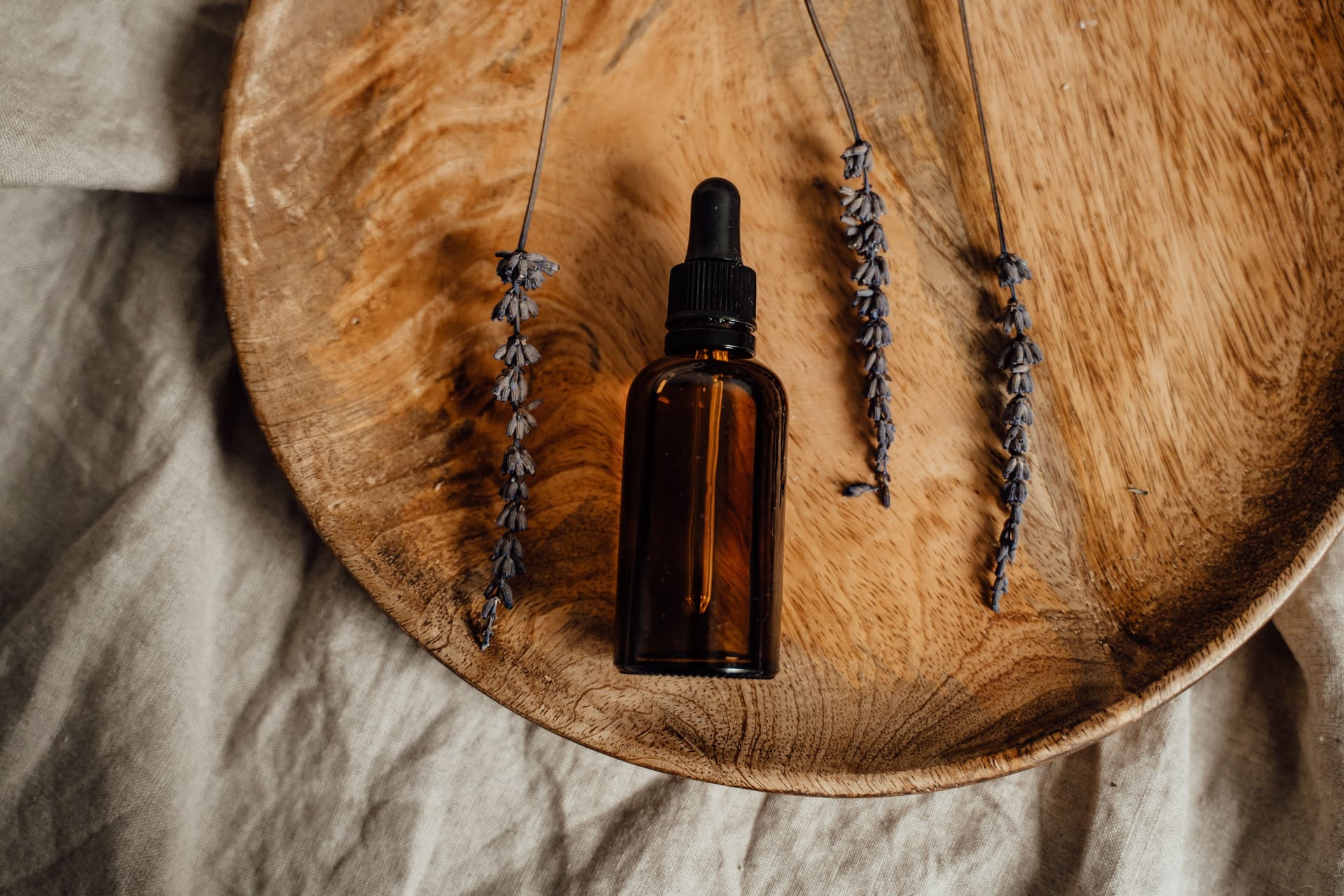
Once you've got clean tallow, a basic balm is a five-minute job. The classic version is tallow softened with a carrier oil like olive oil, with a few drops of essential oil if you fancy a scent.
A good starting ratio is roughly a mugful of tallow to a couple of tablespoons of olive oil. Melt the two together very gently in a bowl over a pan of hot water, just until combined, then take it off the heat. If you want scent, stir in a small amount of essential oil once it's cooled a little, no more than about 1% of the total, and keep it out of balms for babies or if you're pregnant.
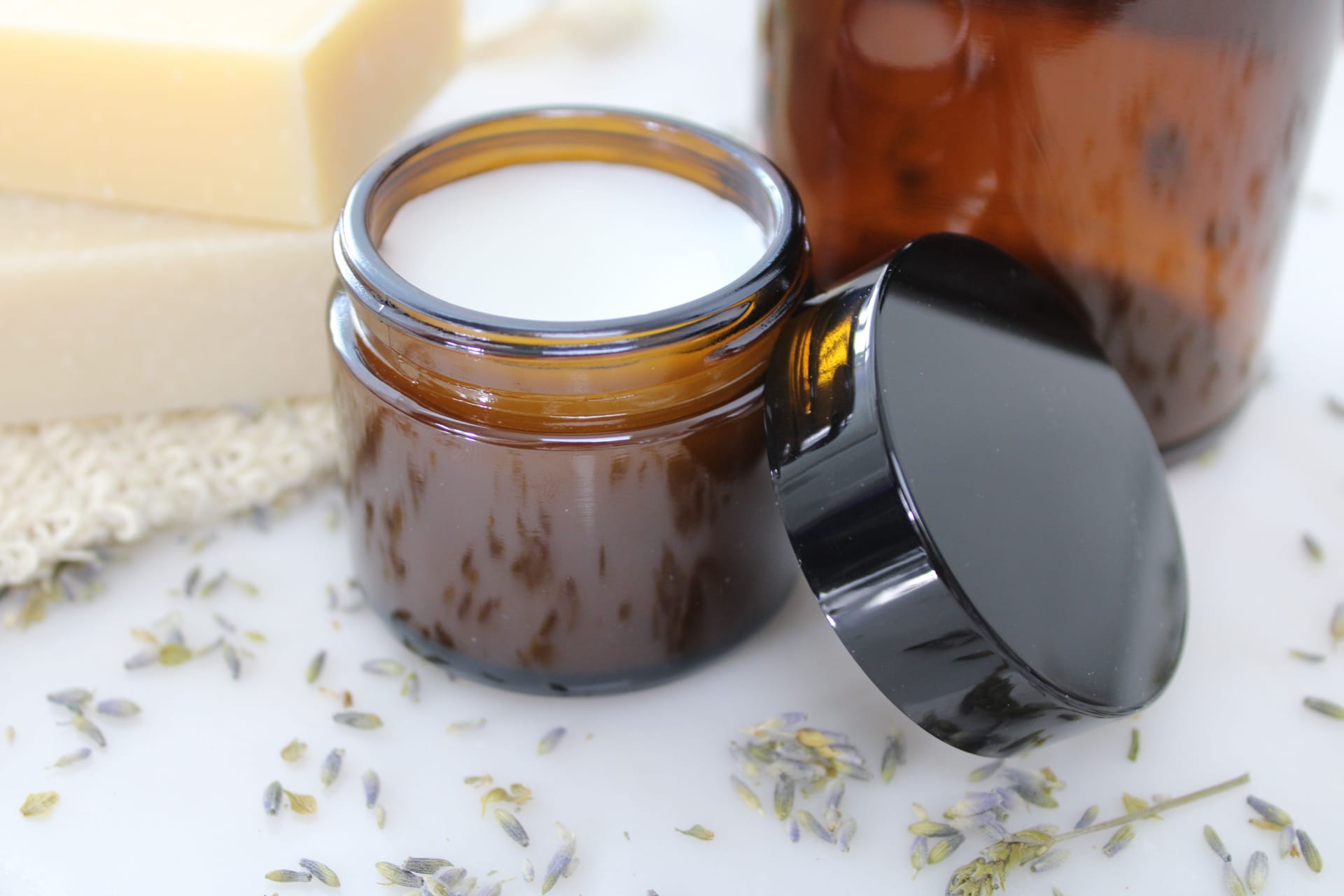
For a light, fluffy texture, let the mix cool until it's soft-set (the fridge speeds this up), then whip it with a hand mixer until it goes pale and airy, like whipped butter. Spoon it into a clean glass jar. Kept cool and out of direct sun, it'll last several months. Use it on dry hands, elbows, heels, wherever needs it.
If making your own toiletries has caught your interest, you might enjoy our guide to making soap at home, which uses a similar bit-of-chemistry, lot-of-satisfaction approach. And there's plenty more in the same spirit over on the Natural Home hub.
None of this needs fancy kit or a big outlay. A bag of butcher's fat, a low heat and a jar or two, and you've got yourself a cooking fat and a moisturiser out of something that was heading for the bin. That's homesteading in a nutshell.
Frequently asked questions
Sources
- Is tallow worth the hype, and how to make your own balm , Formula Botanica
- How to render your own tallow at home , Our Slow Home
- How to render beef tallow for skin at home , The Origin Company
Kit for this job (Ad)

NutriChef Stainless Steel Stock Pot 2.8 Litre with Glass Lid – Small Soup Pot for Induction, Gas, Ceramic and Electric Hobs, Siliver
Check price on Amazon →
Farberware Classic Stainless Series 2-Quart Covered Double Boiler
Check price on Amazon →We may earn a small commission, at no cost to you. We only list kit we'd use.
Written by
UK Homesteading Team
Editorial team
The UK Homesteading editorial team, offering UK-specific, evidence-led guidance on growing, keeping, preserving and the law.