Which natural cleaning products actually earn their place?
Walk down the cleaning aisle and there are hundreds of bottles, most of them doing roughly the same three jobs. You can replace nearly all of them with five cheap staples you'll find in any supermarket.
White vinegar. Bicarbonate of soda (same stuff as baking soda, and cheaper in the baking aisle than the cleaning aisle). Lemons. A bottle of castile soap. And a little tub of cream of tartar. That's the kit. It costs a few pounds all in, and most of it doubles up as food.
None of these is magic. But used for the right job, each one earns its keep, and between them they'll get through most of a normal week's cleaning.
What is each ingredient genuinely good for?
White vinegar is your acid. It dissolves limescale, so it's brilliant on kettles, taps, shower screens and the crusty ring round the loo. Watered down, it leaves glass and mirrors streak-free. It cuts through soap scum and hard-water marks better than almost anything.
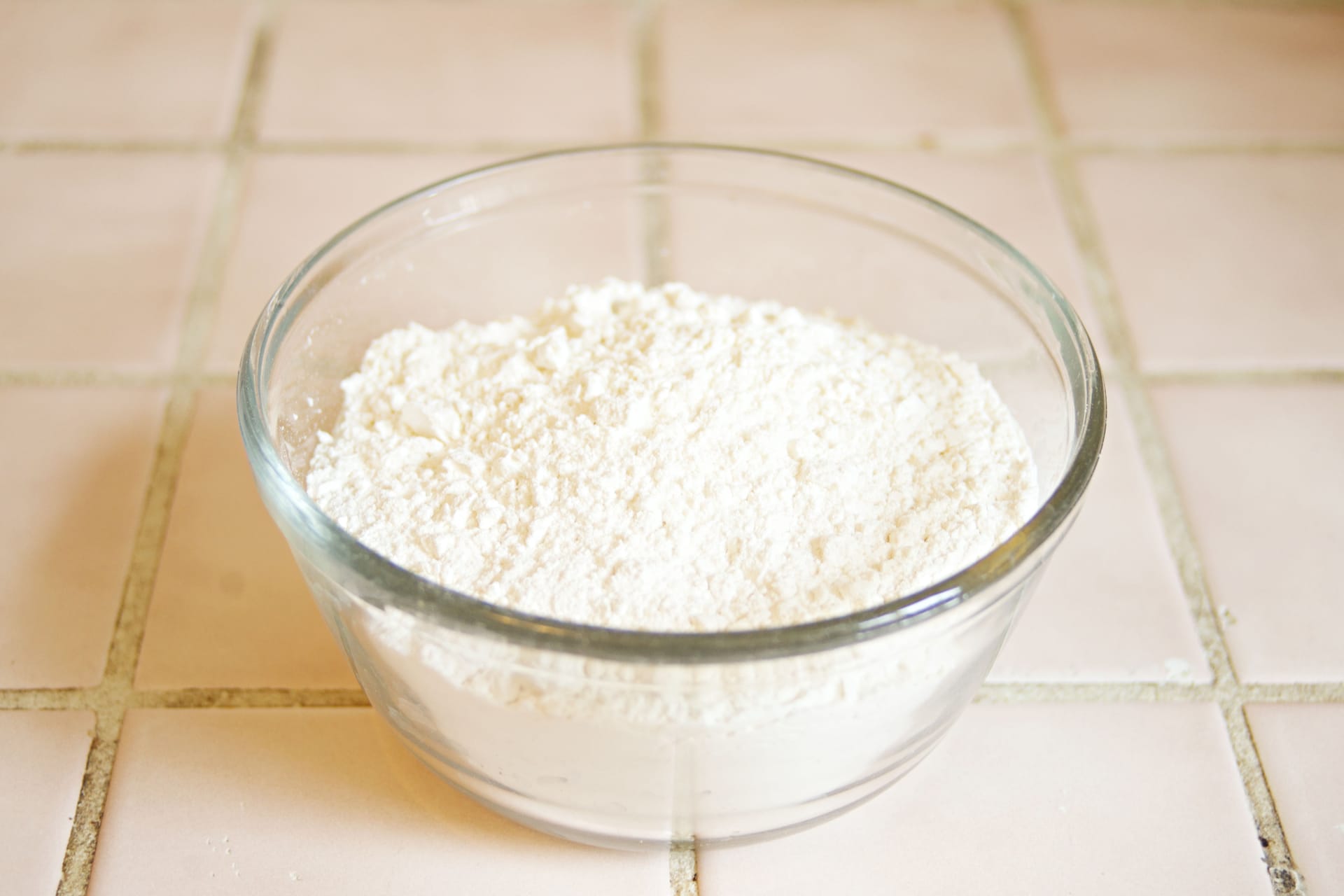
Bicarbonate of soda is a gentle abrasive and a deodoriser. It's the thing for scrubbing a sink, a hob or a stubborn pan without scratching, and it quietly kills smells rather than covering them up. An open tub in the fridge, a sprinkle in the bottom of the bin, a scoop through a load of musty towels.
Lemon is mild acid plus a fresh smell. Good for cutting grease, brightening a wooden chopping board, and shifting tarnish off copper and brass. Half a lemon dipped in bicarb makes a surprisingly good scourer.
Castile soap is a proper plant-oil soap (Dr Bronner's is the famous one, but any will do the job). This is your actual washing agent, the one that lifts grease and grime and rinses away. A few drops in warm water does floors, worktops and general wiping. It's the closest thing here to a conventional all-purpose cleaner.
Cream of tartar is the quiet one. It's a mild powdered acid from the baking cupboard, and it's ace at lifting stains off stainless steel, aluminium pans and white porcelain. Mix it into a paste with a little water or lemon juice for rust spots and stubborn tea stains.
How do I make a simple all-purpose spray?
One thing to get right before the recipe: don't mix vinegar and castile soap in the same bottle. The acid curdles the soap into a lumpy white mess that cleans nothing. Keep them as two separate sprays and you'll get the best of both.
- 1
Grab a clean 500ml spray bottle
An old cleaning-spray bottle is perfect, as long as it's well rinsed. A funnel saves mess.
- 2
Mix vinegar and water half and half
Pour in 250ml white vinegar and 250ml water. That ratio handles most everyday grime and limescale without being too harsh.
- 3
Add a little scent if you like
Ten drops of an essential oil (lemon, tea tree or lavender) takes the edge off the vinegar smell. Optional, and the smell fades as it dries anyway.
- 4
Label it and give it a shake
Write what's in it on the side, then shake before each use. You're set for glass, taps, worktops and the bathroom.
- 5
Skip the stone and the soap
Don't use this on marble or granite, and don't add castile soap to it. Keep soap in a separate bottle.
For the everyday soap spray, put a teaspoon of castile soap into 500ml of warm water in a second bottle. That's your grease-cutter for worktops and painted surfaces.
Two more mixes worth knowing:
Scouring paste. Three tablespoons of bicarb, plus enough water (or a squeeze of washing-up liquid) to make a thick paste. Great on sinks, hobs and the inside of the oven. Leave it to sit for ten minutes on baked-on grime, then scrub.
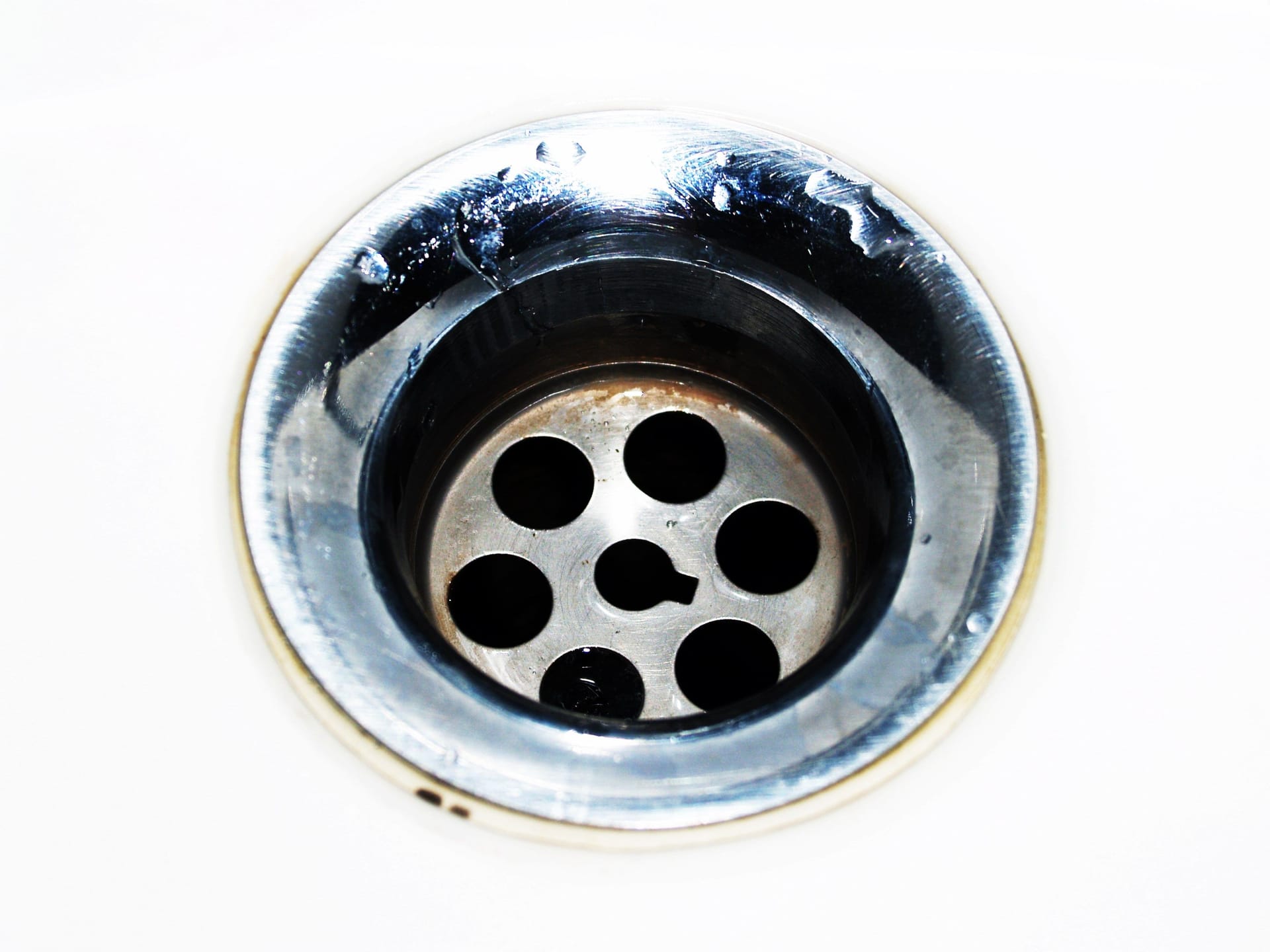
Drain freshener. 100g of bicarb down the plughole, then 240ml of vinegar. It'll fizz like a school science lesson. Leave it ten minutes, then flush with a kettle of hot water. This freshens and shifts light gunk. It is not a heavy-duty unblocker, so if the drain is properly blocked you'll need the real thing.
What does natural cleaning NOT do well?
This is where a lot of natural-cleaning advice quietly oversells. Cleaning and disinfecting are two different jobs. Cleaning lifts dirt, grease and most germs off a surface and washes them away. Disinfecting kills whatever's left. Vinegar and bicarb are good cleaners. They are not reliable disinfectants.
Vinegar can kill some bacteria in lab conditions, but it isn't registered as a disinfectant, and it doesn't reliably deal with the bugs that actually make you ill, things like norovirus, the classic winter vomiting bug. Bicarb doesn't disinfect at all. It just scrubs and deodorises. So if you've read that vinegar "kills 99% of germs", treat it with a raised eyebrow.
Natural cleaning is genuinely good at cleaning. It just isn't the same as disinfecting, and knowing the difference is what keeps your family safe.
For day-to-day cleaning, a wipe-down with soap or vinegar is completely fine. Most of your house doesn't need disinfecting. But there are moments when it does.
When do I actually need a proper disinfectant?
Two situations, mainly.
After raw meat, poultry, fish or eggs. If chicken juice has touched a worktop or board, wash it with hot soapy water first, then use a proper disinfectant or a bleach-based spray, following the label. Vinegar isn't enough here, and this is exactly the sort of surface where germs can make a family properly ill.
When someone's poorly. Tummy bugs and norovirus spread frighteningly easily. NHS advice for norovirus is to clean contaminated surfaces with a bleach-based household cleaner, not vinegar. Same goes for the loo, the flush handle and door handles when a bug is going round the house.
So keep one bottle of a proper disinfectant or thin bleach in the cupboard for these jobs. Natural cleaning for the everyday, the real stuff for meat and illness. No guilt about it.
What should I never mix, and which surfaces are off-limits?
A couple of surfaces to keep acids well away from:
Natural stone. Marble, granite, limestone and travertine are calcium-based, and acid etches them, leaving permanent dull marks that no amount of scrubbing brings back. So no vinegar and no lemon on stone worktops or floors. Warm water with a drop of castile soap, or a proper stone cleaner, is the safe choice.
Cast iron. Vinegar strips the seasoning off a cast-iron pan and can start it rusting. Don't soak it and don't scrub it with acid. Hot water, a stiff brush, dry it off on a warm hob, done.
One more note: vinegar can perish the rubber seals and hoses in some appliances over time, so go easy using it neat in washing machines and dishwashers, and have a quick look at your manual first.
Is natural cleaning actually cheaper and less plastic?
Mostly, yes. A big bottle of white vinegar is well under a pound, a bag of bicarb is a couple of quid and lasts months, and castile soap is so concentrated that one bottle goes a very long way. Refill the same two spray bottles for years and you stop buying a new plastic trigger-bottle every few weeks.
It won't turn your house into a zero-waste showroom, and it's not always faster than grabbing a ready-made spray off the shelf. But for most jobs it cleans just as well, costs a fraction, and takes a real chunk of plastic out of the weekly shop. In most kitchens, that's a fair trade.
If you're chipping away at single-use plastic more widely, our plastic-free home guide picks up where this leaves off, and you'll find the rest of our low-tox home ideas over on Natural Home.
Frequently asked questions
Sources
- Norovirus: clean contaminated surfaces with a bleach-based household cleaner , NHS inform (NHS Scotland)
- Dangers of mixing bleach with cleaners (chlorine and chloramine gas) , Washington State Department of Health
- Is vinegar a disinfectant? What it can and can't kill , Healthline
- Bad chemical combinations you should never mix at home , University of Rochester Medical Center
Kit for this job (Ad)

Hydior Amber Glass Spray Bottles for Essential Oils, 4oz Empty Small Fine Mist Spray Bottle 2 Pack
Check price on Amazon →
500ml Amber Empty Glass Spray Bottles for Cleaning, Mist Water Spray Bottle for Hair, Gardening and Essential Oils, Adjustable Trigger Sprayer with Spray Stream Settings, Set of 2
Check price on Amazon →
Clean & Green: 101 Hints and Tips for a More Eco-Friendly Home
Check price on Amazon →
Clean Magic: Essential New Tricks for a Sparkling Green Home. THE INSTANT #1 SUNDAY TIMES BESTSELLER
Check price on Amazon →We may earn a small commission, at no cost to you. We only list kit we'd use.
Written by
UK Homesteading Team
Editorial team
The UK Homesteading editorial team, offering UK-specific, evidence-led guidance on growing, keeping, preserving and the law.