Sauerkraut is where a lot of people start with fermenting, and for good reason. All it takes is a cabbage, some salt and a bit of patience, and the cabbage's own bacteria turn it into a tangy, gut-friendly kraut that keeps for months.
The whole thing rests on two things: two per cent salt by weight, and keeping the cabbage under its brine. Get those right and the rest looks after itself. The recipe is below, with more on how the fermentation works underneath it.
How to Make Sauerkraut: A UK Beginner's Guide
Makes 1 large (1 litre) jar, ready in 1 to 3 weeks
Makes
1 large (1 litre) jar, ready in 1 to 3 weeks
Ingredients
Method
- 1
Weigh your shredded cabbage, then weigh out salt at exactly 2 per cent of that weight (20g of salt for every 1kg of cabbage). This ratio is what keeps the kraut safe and crisp, so use scales, not a spoon.
- 2
Put the cabbage and salt in a large bowl, adding the caraway or juniper if using, and keep a clean outer leaf or two aside.
- 3
Massage and scrunch the cabbage hard for 5 to 10 minutes, until it wilts, softens and sits in a pool of its own brine. You don't add any water; the salt draws it all out.
- 4
Pack the cabbage tightly into a clean jar or crock, pressing down firmly so the brine rises up over the top. Leave a few centimetres of headspace.
- 5
Lay a reserved cabbage leaf on top and add a weight so everything stays submerged under the brine. Anything poking above the liquid can grow mould.
- 6
Cover loosely, or use an airlock lid, so gas can escape, and stand the jar on a plate to catch any overflow.
- 7
Leave to ferment at cool room temperature, ideally 16 to 22°C, out of direct sunlight. Press the cabbage back under the brine each day and skim off any scum.
- 8
Start tasting from day 7. When it's as sour as you like it, usually 1 to 3 weeks, seal it and move it to the fridge, where the cold all but stops the fermentation.
Cook’s notes
- Hands-on time is about 25 minutes; after that it's just the jar doing the work for 1 to 3 weeks.
- Weigh, don't guess. Salt grinds vary hugely in density, so 2 per cent by weight is far more reliable than a tablespoon.
- Keep it under the brine, always. If the level drops and cabbage is exposed, top up with a 2 per cent brine (20g salt dissolved in 1 litre of cooled water), never plain water.
- It keeps in the fridge for many months, and the flavour deepens slowly in the cold.
- Once you have the basic kraut, try variations: apple and juniper, carrot and ginger, or a little grated beetroot for colour.
What you’ll need
- Kitchen scales, essential, for the 2% salt
- Large mixing bowl
- A 1 litre jar or a fermenting crock
- A fermentation weight, or a small water-filled jar or a clean stone
Troubleshooting
There's a white film on top. Is it ruined?
A thin, flat, white, wrinkly film is kahm yeast, which is harmless: skim it off and carry on. Fuzzy or coloured growth (green, blue, black or pink) is mould, and if you see that, throw the batch away. Keeping the cabbage submerged prevents both.
It's gone soft and mushy.
Usually too warm, or not enough salt. Ferment somewhere cooler and keep the salt at a weighed 2 per cent.
It tastes too salty.
Rinse a portion before serving, or fold it through some fresh grated cabbage or carrot. Next time, weigh the salt to 2 per cent.
The brine has gone slimy or ropey.
This is often an early, warm-ferment phase and usually corrects itself as it sours. If it persists alongside an off smell, discard it and start again somewhere cooler.
The cabbage won't stay under the brine.
Weight it more firmly and use a whole outer leaf as a cap under the weight to hold the shreds down.
More about fermenting cabbage
How lacto-fermentation works. Cabbage naturally carries lactobacillus bacteria on its leaves. In a salty, airless environment they feed on the cabbage's sugars and produce lactic acid, which sours and preserves the kraut and crowds out anything that would spoil it. There's no vinegar and no shop-bought starter needed; the cabbage does it all itself.
Why the salt percentage matters so much. The salt does three jobs at once. It draws water out of the cabbage to make the brine, it keeps the cell walls firm so the kraut stays crunchy, and it sets the odds in favour of the good bacteria. Around 2 per cent holds back moulds and unwanted bacteria while letting the acid-makers thrive. Too little invites spoilage and softness; too much stalls the whole thing.
Why submersion is the safety rule. The good bacteria are anaerobic, meaning they work without oxygen. Keeping the cabbage under the brine starves moulds and film yeasts of the air they need, which is exactly why 'keep it under the brine' is the one instruction you can't skip.
Signs it's working. Bubbles rising through the brine, a cloudy liquid, a fresh sour-tangy smell and cabbage slowly turning translucent are all good signs. A steadily increasing sourness when you taste it means the ferment is right on track.
Frequently asked questions
Kit for this job (Ad)

The Noma Guide to Fermentation: Including koji, kombuchas, shoyus, misos, vinegars, garums, lacto-ferments, and black fruits and vegetables (Foundations of Flavor)
Check price on Amazon →
Masontops Complete Mason Jar Fermentation Kit - Easy Small/Regular Mouth Jars Vegetable Fermenting Set - DIY Equipment Essentials
Check price on Amazon →
The Art of Fermentation: New York Times Bestseller (Chelsea Green Publishing Co)
Check price on Amazon →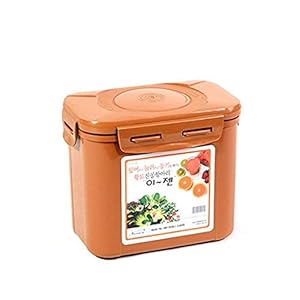
E-Jen ( 1.7l 1.7L, Earthenware Brown) - Premium Kimchi, Sauerkraut Container Probiotic Fermentation with Inner Vacuum Lid (Earthenware Brown, 1.7l1.7L)
Check price on Amazon →We may earn a small commission, at no cost to you. We only list kit we'd use.
Written by
UK Homesteading Team
Editorial team
The UK Homesteading editorial team, offering UK-specific, evidence-led guidance on growing, keeping, preserving and the law.