Are sheep actually the right animal for you?
Let's start with the part people gloss over. Sheep look like the easy option, all placid and grazing quietly in the field, and most of the time they are. But they're a proper commitment, not a lawnmower with legs. They're flock animals to the core, which means one sheep on its own is a stressed, unhappy sheep. You keep at least a few, always.
The good news is you don't have to jump straight into breeding. Plenty of people start with a handful of orphan lambs bottle-reared in spring, or a batch of store lambs (weaned lambs bought in to grow on) raised through the summer for the freezer. It's a low-commitment way to learn the ropes over a single season. Others go for a couple of small, friendly pet breeds and just enjoy having them about, keeping the grass down and the fleeces coming.
What they all need is the same: company, decent grass, sound fencing, clean water, some shelter from the worst of the weather, and a keeper who'll walk the field every single day. That daily check is not optional. Sheep are famously good at finding dramatic ways to come unstuck, and the sooner you spot a problem, the cheaper and kinder the fix.
A sheep's job in life is to look for a way to die, and yours is to keep spotting it first.
Which breeds are best for a beginner?
Don't start with the big commercial breeds. They're bred for output, they eat more, and they can be harder work when things go wrong. For a first flock you want small, hardy and easy-care.
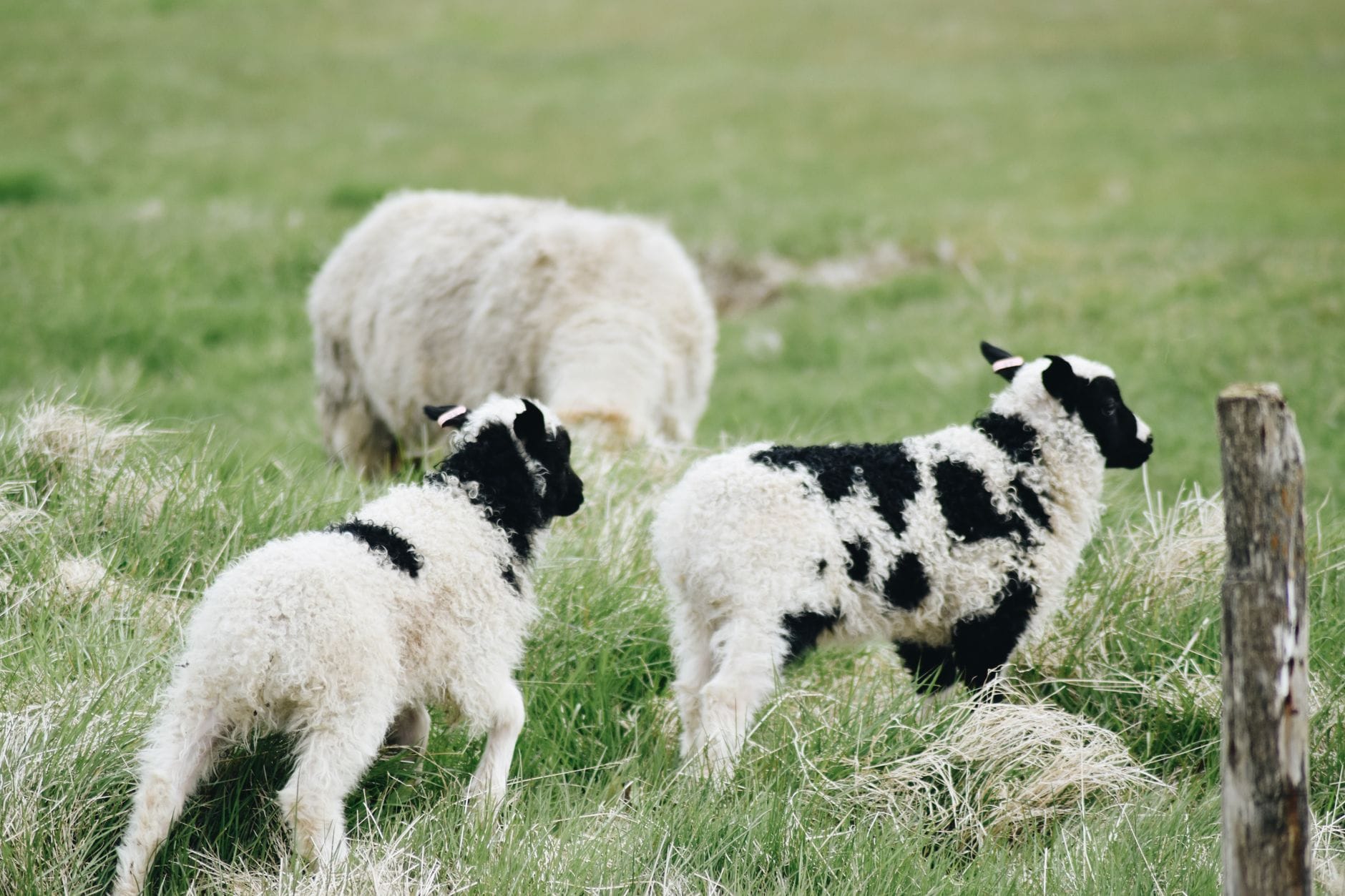
The native and primitive breeds are lovely to learn on. Shetlands are small, tough and full of character, and their fleece is prized by hand-spinners. Ryelands are round, docile teddy-bears of a sheep that are hard not to like. Southdowns are compact, calm and a classic smaller meat breed. All three are forgiving of a beginner's mistakes and easy to handle, which matters a lot when you're wrestling one to check its feet.
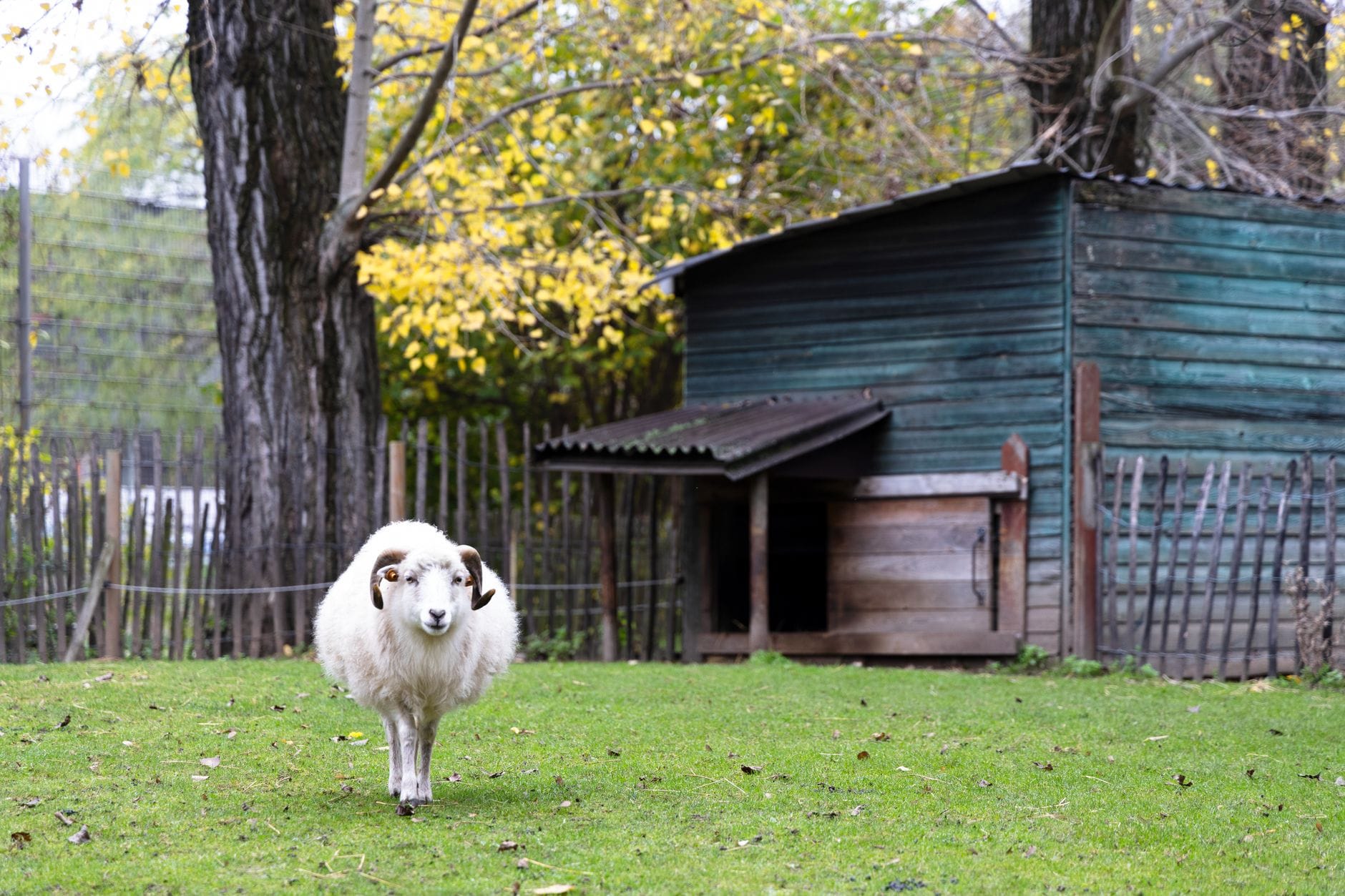
If the idea of finding and paying a shearer every year puts you off, look at hair sheep. Wiltshire Horn and similar breeds shed their coats naturally each spring, so there's no fleece and no shearing at all. That's a real workload saver, and one of the reasons hair sheep have become popular with smallholders who keep sheep mainly for grazing or meat rather than wool.
Whatever you choose, buy from a reputable local keeper, see the animals on the ground, and ask about their health history. Cheap sheep from a random sale are how beginners import problems like footrot and resistant worms onto clean land.
What fencing and grazing do sheep actually need?
Sheep have two settings: happily grazing, and testing the fence. Get the fencing right and half your future headaches vanish. The standard is good stock netting (sheep netting) with a strand of barbed or plain wire along the top, well strained and on sound posts. Electric netting is handy for dividing fields and moving the flock about, but it needs the current kept up or they'll learn to barge straight through it.
Grass is your main feed and your main management tool, so treat it like a crop. The single best thing you can do is split your land into a few paddocks and rotate the flock around them. Rotational grazing lets you graze one patch while the others rest and recover, which keeps the grass in good heart and, crucially, helps break the worm cycle. Worm larvae sit on the grass waiting to be eaten, so moving sheep onto rested, cleaner pasture is one of your best defences.
As a rough guide, decent permanent pasture might carry somewhere around six to ten ewes per hectare, but that figure swings wildly with your soil, rainfall and grass quality, so treat it as a starting point and watch the grass, not a spreadsheet. Overgrazed, tight, muddy fields are bad for the sheep and worse for the worm burden.
What do you feed sheep through the year?
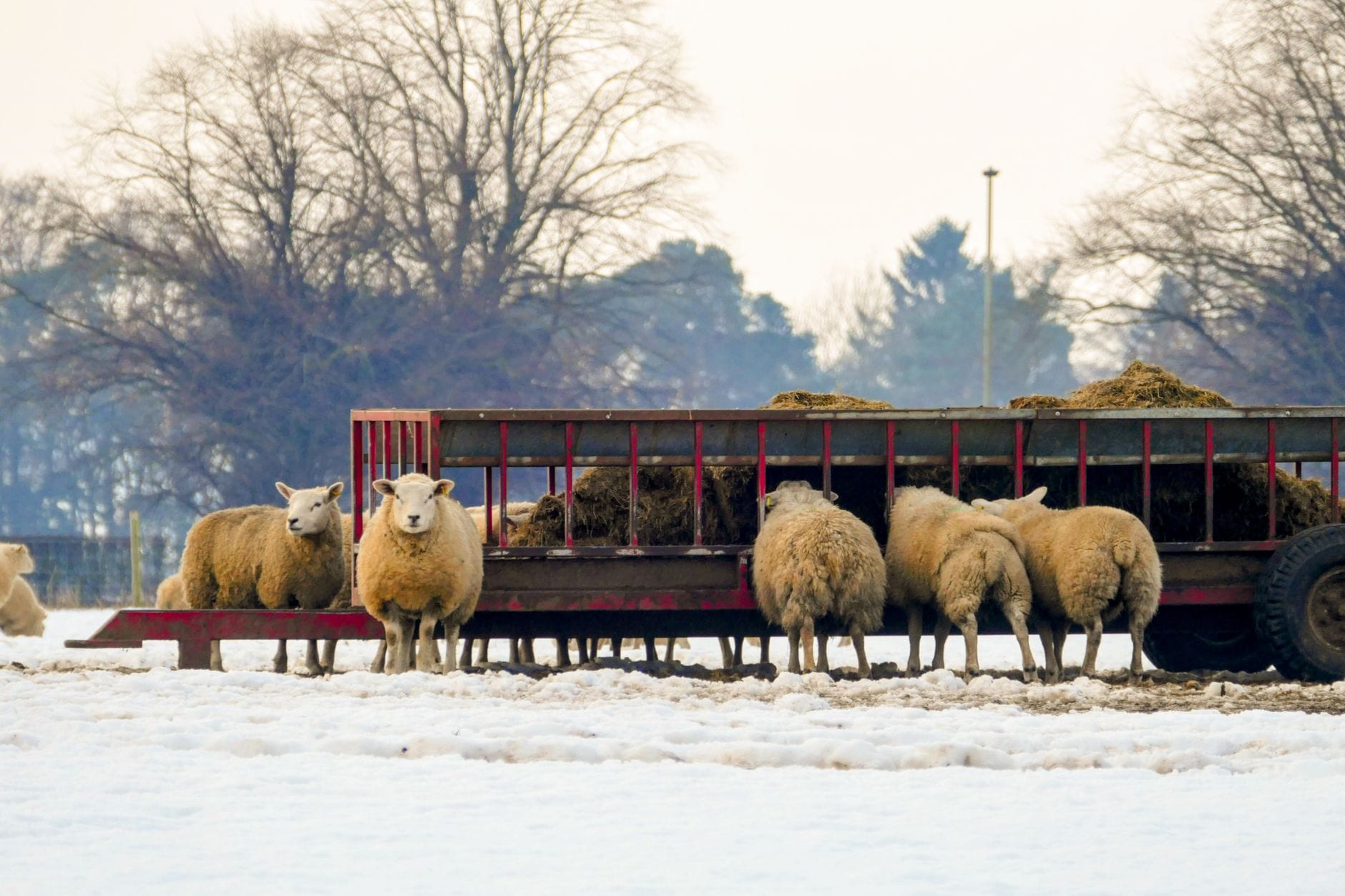
For most of the year the answer is gloriously simple: grass. A healthy sheep on good pasture in spring and summer needs very little else. Where it gets more involved is winter, when the grass stops growing and you'll be feeding hay or haylage to fill the gap. Have a plan and a store of forage in before autumn, because buying hay in a hard February is expensive and stressful.
Sheep also need constant access to fresh, clean water and to the right minerals. A mineral lick or a loose mineral supplement covers the trace elements that grass alone can miss, and deficiencies (things like cobalt or copper) show up as poor-doing, off-colour animals. A word of caution on copper, mind: sheep are unusually sensitive to it and copper poisoning is a real risk, so never feed them minerals or feed formulated for cattle or goats.
The other feeding job is knowing what can hurt them. Sheep will usually leave the worst stuff alone if they've plenty of grass, but plenty of common plants are poisonous, and hungry or bored sheep are less fussy. Watch out for ragwort (dangerous fresh and dried in hay), rhododendron, yew, foxglove, and acorns and bracken in quantity. Check hedgerows and boundaries, and never dump garden clippings over the fence, because that's a classic and sometimes fatal mistake.
What are the routine health and welfare jobs?
This is the part beginners underestimate. Sheep aren't high-maintenance day to day, but there's a rhythm of jobs that keep them well, and skipping them causes real suffering.
Feet come first. Lameness is one of the most common sheep problems, usually down to scald or footrot, and a lame sheep is a sheep in pain. You'll be checking and trimming feet, treating early, and learning to spot the difference between a stone stuck in a cleft and a proper infection taking hold.
Worming is next, and the modern approach is smarter than the old "drench everything every few weeks" habit. That routine blanket dosing is exactly how you breed wormers that no longer work. Instead, use dung sampling: send off a faecal egg count so you know whether the flock actually needs treating and with what. It's cheap, it saves money on wormer, and it keeps the products working for the long haul.
Then there's shearing, once a year for wool breeds, usually late spring into early summer. It's for the sheep's comfort in the heat, and it's a key part of keeping them clean and less appealing to flies. Hair sheep, as above, sort this out themselves.
Vaccination belongs in the calendar too. The core protection for UK sheep is a combined clostridial and pasteurella vaccine, most commonly Heptavac-P Plus, which guards against killers such as pulpy kidney, lamb dysentery, tetanus and pasteurella pneumonia. Sheep that have never had it need a primary course of two injections four to six weeks apart, then a single booster every year. With breeding ewes, time that yearly booster for four to six weeks before lambing, so they pass strong immunity to their lambs through the colostrum. Ask your vet to set up the right schedule for your flock.
What does the law actually require before you get sheep?
This is the bit people forget, and it genuinely comes first. Before a single sheep arrives, you must register with the authorities. It sounds daunting, but it's free and mostly done online, and once it's set up it's just light record-keeping.
- 1
Get a CPH number
Apply to the Rural Payments Agency for a County Parish Holding (CPH) number for your land. It's free, done online, and usually issued within about 10 working days. This is the unique code for the place your sheep are kept.
- 2
Register as a keeper with APHA
Contact the Animal and Plant Health Agency to register as a sheep keeper, or DAERA in Northern Ireland. They'll issue your flock mark, a unique herd or flock number that identifies your animals. You need your CPH first.
- 3
Set up a holding register
Start a holding register (paper or electronic) to record your flock, tag numbers and every movement on and off. You must keep it for 3 years after the last animal leaves or dies.
- 4
Get EID ear tags
All sheep must be electronically identified. Lambs going to slaughter under 12 months carry a single EID slaughter tag; sheep kept longer carry two tags, one of them EID. Order them against your flock number and update your holding register within 36 hours of tagging.
- 5
Register for your nation's movement service
Report every movement to the right service: the Livestock Information Service in England, ScotEID in Scotland, EIDCymru in Wales, or NIFAIS in Northern Ireland. Movements must be recorded within the required window (36 hours in your own register).
Over the top of all this sits the Animal Welfare Act 2006, which places a legal duty of care on you to meet your sheep's needs: a suitable diet, somewhere to live, the ability to behave normally, appropriate company, and protection from pain, suffering and disease. In plain terms, look after them properly. It's the law, and it's also just the deal you sign up to.
For the full legal picture, including exactly how the rules differ by nation and what your records must show, read our companion guide to the legal side of keeping sheep and goats.
So, is a small flock for you?
If you've got a bit of grass, some sound fencing and the time to check them every day, sheep are one of the most rewarding animals you can keep. They're not a hands-off hobby, and the paperwork and the flystrike season are real. But start small, pick a forgiving breed, get the registration sorted before you buy, and learn the foot-worm-fly rhythm, and you'll have a flock that's a real pleasure rather than a running worry. Everybody's first year has a fright or two in it. That's normal. Get the basics right and the sheep will teach you the rest.
This guide is general information, not formal legal, financial, medical or veterinary advice. UK rules, prices and best practice change, and some rules differ across England, Scotland, Wales and Northern Ireland, so always check the current position with the relevant official source (such as gov.uk, the NHS, the FSA, DEFRA or APHA, or the RHS) or a qualified professional before acting. Last checked September 2026.
Frequently asked questions
Sources
- Sheep and goat keepers: register your holding and flock or herd , GOV.UK (APHA)
- Apply for a county parish holding (CPH) number , GOV.UK (RPA)
- Tag sheep with ear tags, pastern bands and boluses , GOV.UK (APHA)
- Report sheep and goat movements , GOV.UK (APHA)
Kit for this job (Ad)

50Pcs 1ml Plastic Syringes With Caps No Needle Colostrum Syringe for Refilling and Measuring Liquids, Scientific Labs, Plant Watering, Pet Feeding ,Glue Applicator
Check price on Amazon →
Premier 1 Supplies ARS 140DXR Japanese Anvil Trimmer, Red, 1.75 Inch Round Point Blade, Ambidextrous, Goat & Sheep Hooves
Check price on Amazon →
Other BURGON & BALL FOOTROT SHEARS SUPERSHARP, Clear, 350 ml, BBL0038
Check price on Amazon →
Kerbl Hay Rack Galvanised Hangs in Cage Bars, 25 x 17 cm
Check price on Amazon →We may earn a small commission, at no cost to you. We only list kit we'd use.
Written by
UK Homesteading Team
Editorial team
The UK Homesteading editorial team, offering UK-specific, evidence-led guidance on growing, keeping, preserving and the law.