Why keep quail?
Quail earn their keep quickly. A Coturnix hen starts laying at around six to eight weeks old, which is roughly half the time a hen takes to come into lay, and a productive bird will give you somewhere between 200 and 300 eggs a year. They do all this in a footprint you could measure in centimetres rather than metres.
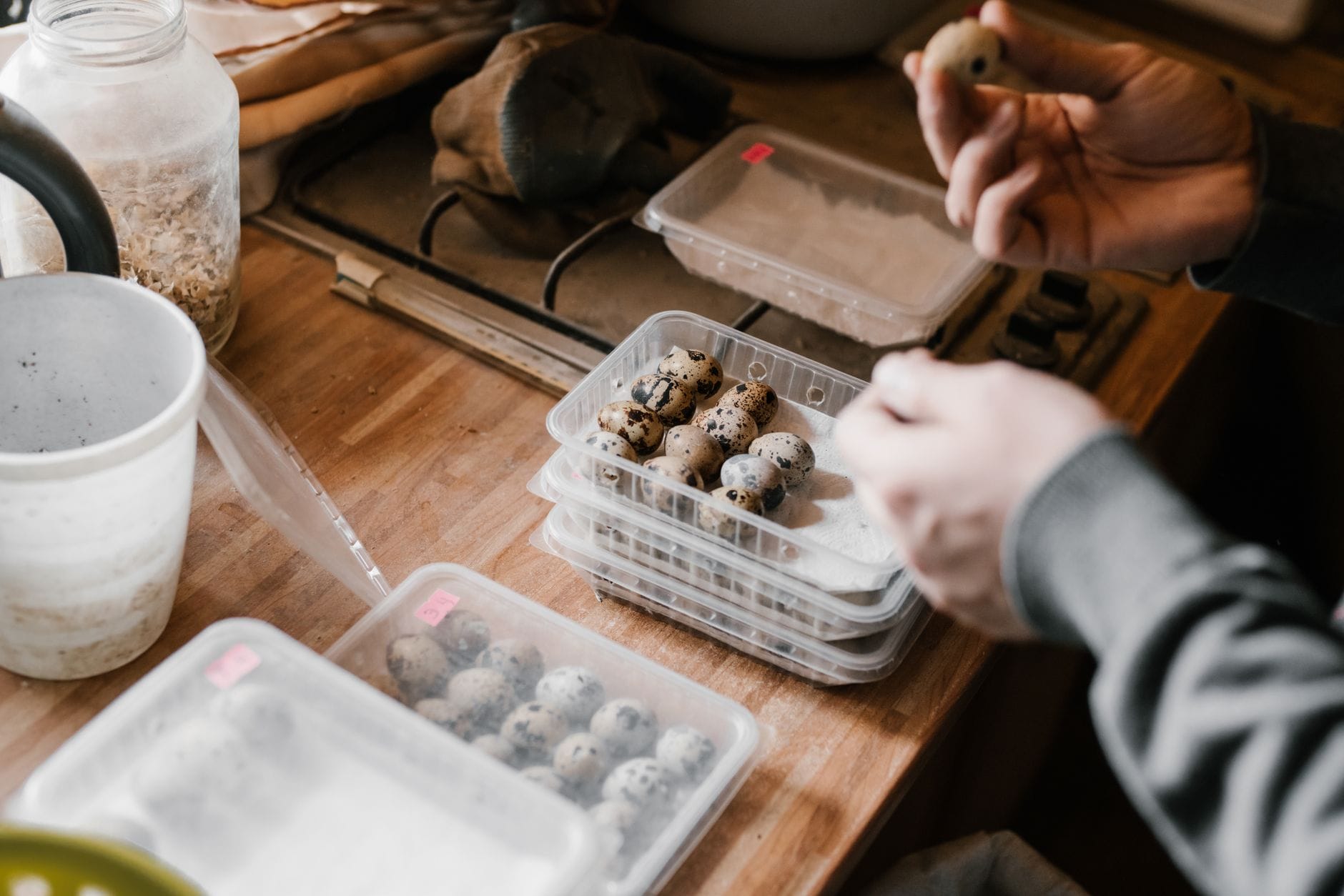
They are also well suited to gardens where chickens would be a stretch. Kept as a female-only group they are reasonably quiet, they do not scratch a lawn to ruin the way hens do, and a tidy aviary or converted hutch keeps the whole operation neat. The eggs are small and beautifully speckled, and while you will need three to five of them to match one hen's egg, they are a genuine treat: rich, and lovely boiled, pickled or fried in miniature.
A bird you can house in a corner, that lays before it is two months old, is a rare thing in the poultry world.
Coturnix quail: the beginner's standard
There are a few quail species in the hobby, but for a UK beginner the answer is almost always the same: Coturnix quail, also known as Japanese quail. They are the hardy, dependable workhorse of the group, bred over generations for laying and meat, and they cope with the British climate far better than the tiny, flighty button quail (which are really more of an ornamental pet).
Coturnix come in several colour varieties, from the wild-type brown to whites and "tuxedo" birds, but they all behave much the same. Buy from a reputable local breeder or a smallholding rather than an unknown online seller, and take hens if eggs are your goal. You only need a male if you plan to hatch your own.
Can you keep quail in a UK garden?
For most people, yes. Their small space needs and low profile make quail one of the few livestock options that works in an ordinary British back garden. A secure aviary, a run against a wall or even a well-converted rabbit hutch can hold a small covey.
Two practical checks before you buy. First, read your tenancy agreement or property deeds: some rented and leasehold properties have a covenant banning poultry, and quail count. Second, think about your neighbours, especially if you might keep a male. Quail are quiet by poultry standards, but a crowing cock carries, and good relations with the people next door are worth protecting.
Do you need to register quail?
This is the rule that catches new keepers out, so read it carefully.
Registration sits alongside your general legal responsibilities. Under the Animal Welfare Act 2006 you have a duty of care to any animal you are responsible for: suitable housing, a proper diet, the ability to behave normally, and protection from pain, suffering and disease. Keeping quail well is not just good practice, it is the law.
What housing do quail actually need?
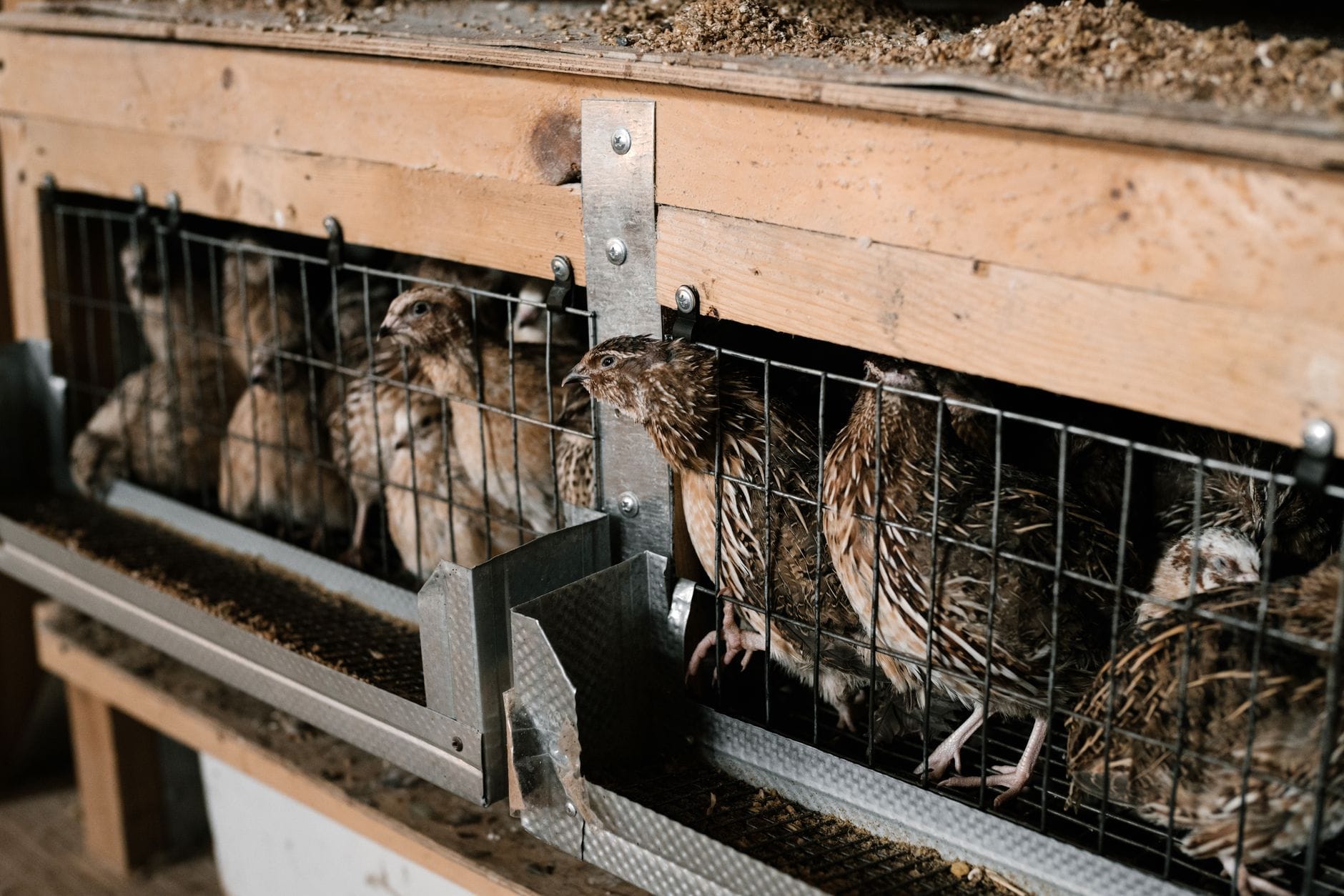
Here is where quail stop behaving like small chickens. They are ground-dwelling birds from the pheasant family, and they do almost everything at floor level.
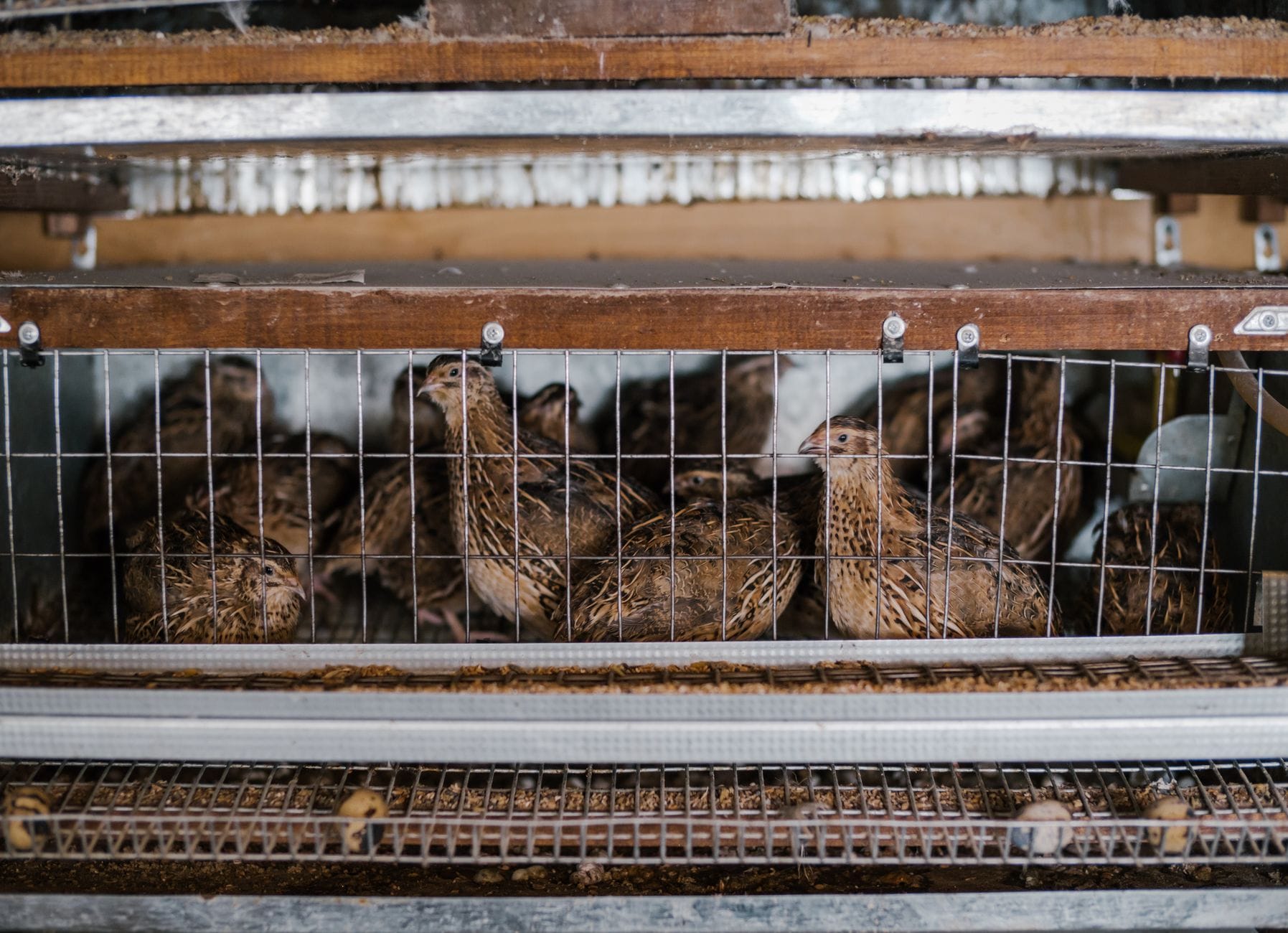
Give each bird at least around 0.1 square metres (roughly one square foot) of floor space, and more if you can. Crowding causes squabbling and feather-pecking, so err on the generous side. Because they live low down, floor area matters far more than height, and they will not use ramps, high perches or a raised house the way hens do.
They also do not roost, and they do not use nest boxes. A quail hen simply lays her egg wherever she happens to be, usually in a quiet corner or under a bit of cover, so you collect eggs off the floor rather than out of a box. What they do appreciate is somewhere to hide: a few branches, a small log or a low shelter lets these naturally nervous birds feel safe.
The single most important housing point is the roof.
Beyond that, the housing must be dry, draught-free and, above all, predator-proof. Quail can be kept in a planted aviary, a cage, or a converted hutch and run; whichever you choose, use strong mesh with holes small enough to keep rats out, and solid catches on every door.
What do you feed quail?
Feeding is the other place beginners go wrong. Quail grow and lay at a furious pace, and that takes protein, more than a chicken diet provides.
- 1
Chicks (0 to about 6 weeks)
Feed a high-protein game or turkey starter crumb, roughly 24 to 30 percent protein. Do not use standard chicken chick crumb or layer pellets: they are too low in protein for growing quail. Choose a non-medicated crumb unless your breeder advises otherwise.
- 2
Layers and breeders (from about 10 weeks)
Move onto a breeder or game layer feed at around 18 to 20 percent protein. Offer a separate calcium source, such as crushed oyster shell, so laying hens don't produce soft-shelled eggs.
- 3
Water and grit
Provide clean water at all times in a shallow drinker chicks cannot drown in, and offer a little insoluble grit to help them digest their food.
Fresh greens and a few mealworms are welcome extras, but never kitchen or catering scraps, which is against the law, and the bagged feed should do the heavy lifting.
Males, crowing and noise
You do not need a male to get eggs; hens lay perfectly well on their own. A male is only necessary if you want fertile eggs to hatch your own quail.
Male Coturnix make a loud, repeated crowing call that is surprisingly big for such a small bird, and it can carry to a neighbour's garden. If quiet is a priority, keep hens only. A female-only group is calm and much less vocal. If you do keep a male, a rough guide is one cock to four or five hens, so the hens are not over-mated and worn down.
Eggs and laying
Given good feed and around 14 hours of light a day, a Coturnix hen will lay close to an egg a day through her main season, easing off in the depths of a British winter as daylight drops. Some keepers add a little artificial light to keep laying going, though a natural rest over winter is kinder over a bird's life.
The eggs keep well and are prized for pickling and for garnishing. Fertile eggs, if you keep a male, can be incubated and hatch in around 17 to 18 days, which is quicker than a hen's 21.
Quail versus chickens: which suits you?
Neither is "better"; they suit different gardens and different appetites.
- Space: Quail win easily. Several quail fit where one hen would be cramped.
- Speed: Quail lay from six to eight weeks; hens take five to six months.
- Noise: Hen quail are quieter than chickens; a male quail or a cockerel are both loud.
- Eggs: Chickens give you full-sized eggs; quail give you small, plentiful, speciality eggs.
- Handling: Chickens are calmer and more robust; quail are nervous, fast and easily stressed when caught.
- Ground: Chickens will wreck a lawn; quail are gentler on it.
Plenty of homesteaders end up keeping both. If you are still deciding, our chicken-keeping guides walk through that side of the choice.
Predators: the real risk
Small birds have a lot of enemies. Foxes, rats, cats, birds of prey and even domestic dogs will all take quail or their eggs, and rats are a particular menace because they squeeze through gaps and take chicks. This is why predator-proofing is not optional. Bury or skirt the mesh so nothing can dig under, use small-gauge wire, fit secure catches, and shut everything up properly each evening.
A realistic close
Quail are a lovely first step into keeping your own birds, and for a small British garden they are hard to beat: quick to lay, easy on space and quietly productive. They are not effort-free, though. They are more fragile and more highly strung than hens, their housing has to respect that upward flush, and, like every bird keeper in the UK, you now have to register before you begin.
Get the roof height right, buy the correct high-protein feed, sort your registration, and you can have your first speckled eggs on the kitchen table within a couple of months. That is a fair return for a bird you can house in a corner.
Frequently asked questions
Sources
- New mandatory bird registration: what do keepers need to know , gov.uk (Government Vets blog)
- Register as a keeper of poultry or other captive birds , gov.uk
- Poultry registration guidance , gov.uk
- Animal Welfare Act 2006 , legislation.gov.uk
- Beginners Guide to Keeping Quail , Poultry Keeper
Kit for this job (Ad)

Harrison's High Potency Fine - 454g
Check price on Amazon →
Extra Select Chick Crumbs Complete Chick Feed Tub, 5 Litre, Packaging may vary
Check price on Amazon →
P&T Poultry 1Kg Feeder & 1.5Ltr Drinker For Chickens/Hens/Ducks/Chicks
Check price on Amazon →
MATICOOPX 20 Egg Incubator with Humidity Display, Egg Candler, Automatic Egg Turner, for Hatching Chickens
Check price on Amazon →We may earn a small commission, at no cost to you. We only list kit we'd use.
Written by
UK Homesteading Team
Editorial team
The UK Homesteading editorial team, offering UK-specific, evidence-led guidance on growing, keeping, preserving and the law.