Right, a reality check before anything else. Beekeeping is brilliant, and it's not the gentle, hammock-and-honey hobby the Instagram photos suggest. A colony is a living thing with a mind of its own, and once a year or so it will try to fly off over your fence. But people from every walk of life keep bees perfectly well in this country, and if you go about it in the right order you'll join them. The trick is learning before you leap.
Is keeping bees actually for you?
Before you spend a penny, sit with three honest questions: time, temperament and money.
Time first, because it catches people out. In the active season, from roughly late April to late July, you need to open each hive about once a week to check for signs of swarming and disease. That's maybe 20 to 40 minutes a hive, and it can't really slide. Miss a couple of weeks in May and you may lose half your bees to a swarm hanging in next door's apple tree. Over autumn and winter it goes quiet and you mostly leave them alone, so this is a seasonal commitment, not a daily one. But those summer weeks are the deal.
Temperament matters more than nerve. You don't need to be fearless, but you do need to be calm and unhurried. Bees read jerky, rushed movements as a threat. If you can slow down, watch carefully and not panic when a few of them bump your veil, you've got the right wiring for it. And if you're allergic to stings, talk to your GP before you start, because you will get stung eventually. That's not a maybe.
Then money. It's a real outlay to begin with, and we'll break it down below. None of this is meant to put you off. It's meant to make sure you start with your eyes open.
Why get trained before you get bees?
If you take one thing from this guide, take this. Do a course and join your local association before you buy any bees.
Nearly every corner of the UK has a local beekeeping association, most of them affiliated to the British Beekeepers Association (BBKA), or to the Scottish, Welsh or Ulster equivalents. They run "Beginners" courses over the winter, usually January to March, with a few evenings of theory followed by hands-on sessions at their teaching apiary once the weather warms up. It's typically an affordable course, often somewhere around £60 to £120, and frequently includes a manual. For that, you get to open real hives with an experienced beekeeper beside you, long before you're responsible for your own.
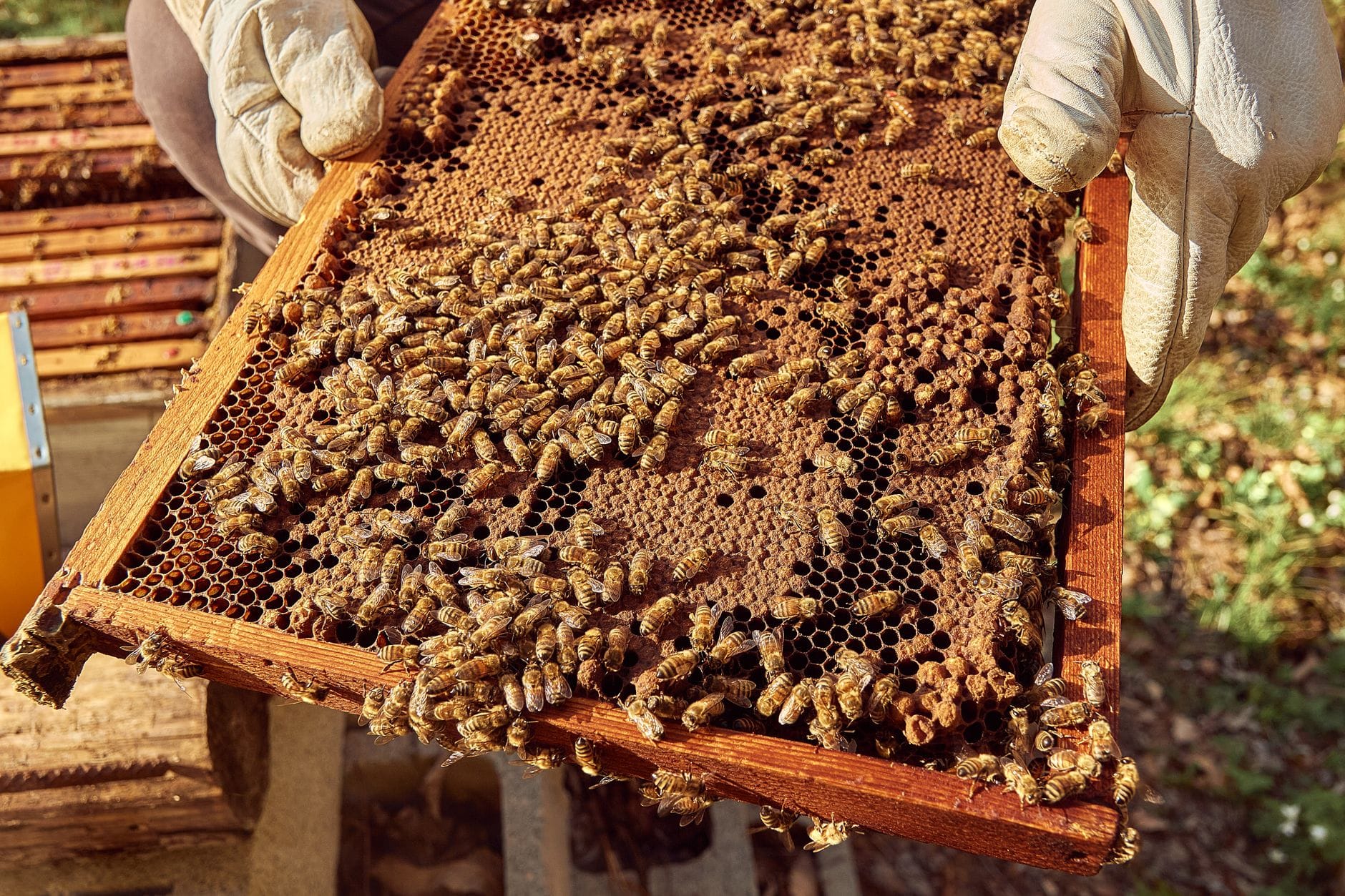
That mentoring is the bit you cannot get from a book or a video. Reading a frame, is that healthy brood or the start of disease, are they thinking about swarming, where's the queen, is a knack that clicks with practice and a patient human next to you. Your association is also where you'll find local, well-tempered bees, secondhand kit, and someone to call the first time something looks wrong.
Buying bees before you've done a course is the classic beginner's mistake. Learn first, keep second.
What kit and which hive do you need?
You've got a genuine choice of hive types, and for a UK beginner the decision is refreshingly easy: get a National.
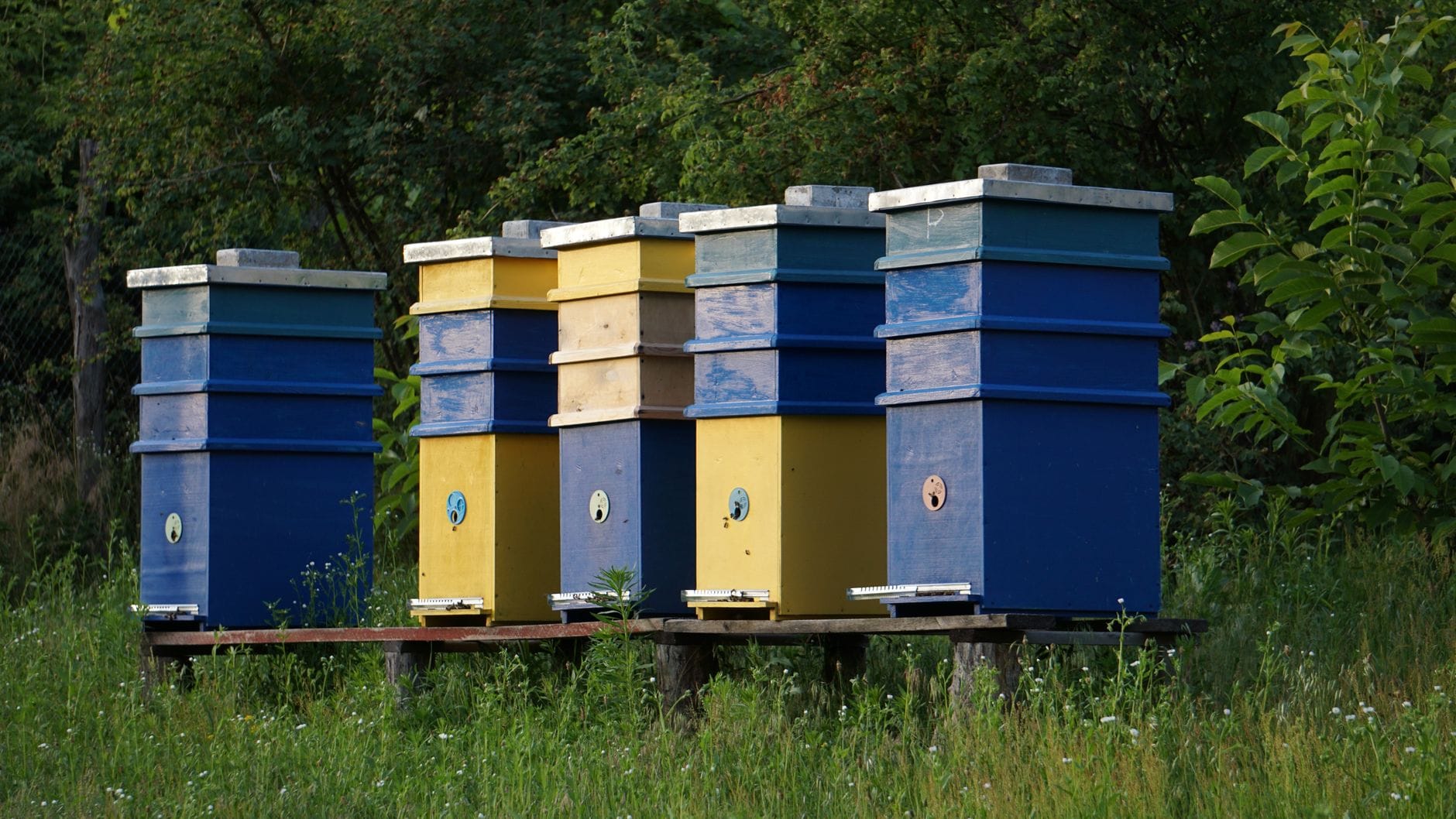
The National hive is by far the most common design in Britain. Because so many people use it, parts, frames and secondhand gear are everywhere, and everything is interchangeable between suppliers. You'll hear about others: the WBC (the pretty, tiered "picture-book" hive), the roomier Commercial, the Langstroth (huge worldwide, less so here) and horizontal top-bar hives. They all have their fans. But start on a National and you'll have the easiest time getting bits and advice. You can always experiment later.
Beyond the hive itself, your starter shopping list is:
- 1
A bee suit and veil
A full suit with a zip-on veil and a decent pair of gloves. Get one that fits over clothes with room to spare. Roughly £40 to £80.
- 2
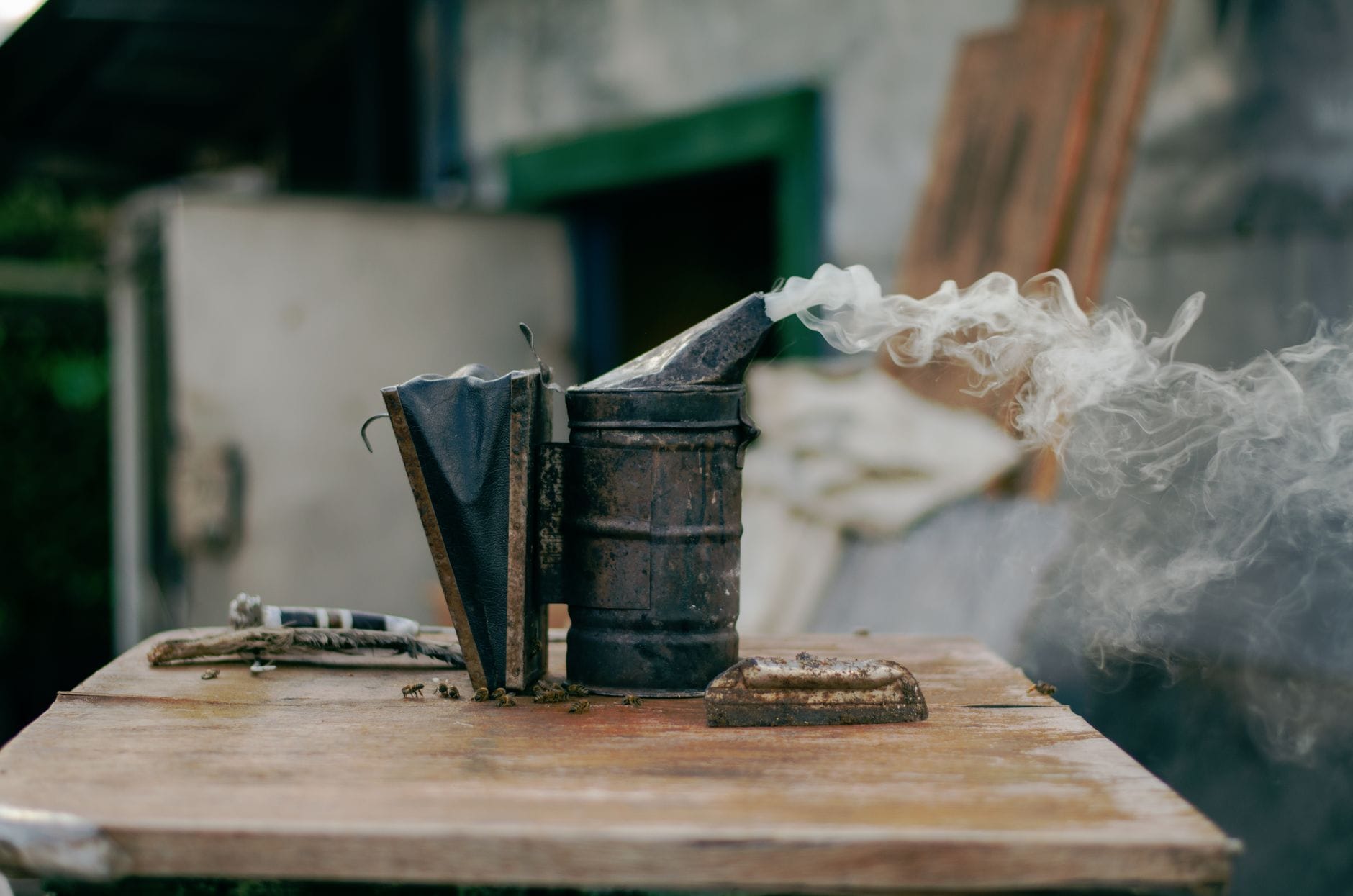
A smoker
A few puffs of cool smoke calms the colony and makes inspections far easier. Learn to light it so it stays lit, which is a rite of passage all its own.
- 3
A hive tool
The flat metal lever you'll use constantly to prise apart frames the bees have glued together with propolis. Cheap, and you'll wonder how you managed without it.
- 4
The hive and frames
A National brood box, a super or two, frames, wax foundation, floor, crownboard and roof. Assembled kit costs more than flat-pack you build yourself.
- 5
A nucleus of bees
Your starter colony, usually ordered in advance and collected in late spring. More on this next.
Add it up and you're looking at roughly £500 to £800 to set up a single hive with suit, smoker and tools, before the bees. Buying secondhand through your association trims that a lot, though scrub and sterilise any used woodwork carefully, because kit can carry disease.
How do you get your first bees?
You don't buy a full hive of bees off the shelf. You start with a nucleus, or "nuc": a small, working colony of maybe five or six frames with a laying queen, brood, workers and stores. It's a proper colony in miniature, ready to grow into a full one over its first summer.
The best nucs come from a local beekeeper or your association, ideally reared from local bees that are used to your weather and, with luck, calm to handle. Expect to pay somewhere around £150 to £250, order in winter or early spring, and collect from about May once colonies have built up. Steer clear of cheap, imported package bees as a beginner. Local, healthy and gentle beats cheap every time.
A quick reassurance on your first year. Don't expect much honey, if any. You want that young colony putting its energy into building comb, raising brood and getting strong enough to survive its first winter. Take honey off a struggling first-year colony and you may end up feeding it back through the cold months anyway.
What does the beekeeping year look like?
Beekeeping runs to the seasons, and once you feel that rhythm it all makes sense.
Spring is the busy, exciting bit. The colony wakes up, the queen ramps up her laying, and by May the hive is bursting and thinking about swarming. This is when weekly inspections really count. Through late spring and summer you're managing that swarming urge, giving them room with extra supers, and letting them pile in the nectar. A National super full of capped honey is a heavy, deeply satisfying thing to lift.
By late summer you take off your honey crop, then turn to getting them through winter: treating for varroa mite (a near-universal parasite here, which you manage rather than eliminate) and making sure they've enough stores, feeding sugar syrup if they're light. Autumn and winter are quiet. You leave the lid shut, keep the entrance clear and the roof secure against the wind, and heft the hive now and then to judge how heavy it is. Resist the urge to keep peeking. In the cold they cluster to stay warm, and every unnecessary open lid chills them.
Then the days lengthen, the first pollen comes in, and it all begins again.
What about stings, neighbours and the health and legal essentials?
Three things to get right here: your neighbours, your paperwork, and disease. None is scary once you know the steps.
Neighbours first. Most objections evaporate if you site the hive thoughtfully. Point the entrance away from paths and shared boundaries, and put a 1.8 m hedge or fence near it so the bees are forced up above head height as they leave and return. Give them their own water so they're not crowding a neighbour's pond, and have a friendly word before you start. A jar of your honey come summer works wonders.
Now the paperwork, and this is genuinely painless. Register your apiary on BeeBase, the National Bee Unit's website. It's free and it isn't a legal requirement, but you'd be daft not to. You get local disease alerts, free visits and advice from your regional bee inspector, and you help the authorities track outbreaks near you. In Northern Ireland you register on DataBees instead. For the fuller picture on where you can keep bees and what your legal responsibilities are, see our companion guide, keeping bees: the legal basics.
Which brings us to disease, the one area where "warm and friendly" gives way to "firm". Learn to recognise American foulbrood (AFB) and European foulbrood (EFB). Both are serious bacterial brood diseases, both exist in the UK, and both are notifiable by law. If you suspect either, you must report it, immediately, to the National Bee Unit or your local bee inspector. This is exactly what your course and your inspector help you spot.
That's the honest shape of it. Train over the winter, lean on your local association, start small with one National hive and a local nucleus, register on BeeBase and learn your diseases. Do those things in that order and you'll be a beekeeper by summer, and a decent one before you know it.
This guide is general information, not formal legal, financial, medical or veterinary advice. UK rules, prices and best practice change, and some rules differ across England, Scotland, Wales and Northern Ireland, so always check the current position with the relevant official source (such as gov.uk, the NHS, the FSA, DEFRA or APHA, or the RHS) or a qualified professional before acting. Last checked July 2026.
Frequently asked questions
Sources
- Honey bees: protecting them from pests and diseases , GOV.UK / APHA
- Register your apiary on BeeBase , National Bee Unit (APHA)
- Foulbrood (notifiable diseases) , National Bee Unit (APHA)
- Yellow-legged (Asian) hornet , National Bee Unit (APHA)
Kit for this job (Ad)

Beekeeping For Dummies
Check price on Amazon →
New Bee Hive Smoker Stainless Steel w/Heat Shield Beekeeping Equipment
Check price on Amazon →
8oz Jam Jars with Lids and Sticker Labels, 24 Pack, Reusable Hexagonal Canning Storage for Preserves, Jelly, Herbs, and Spices, Clear Glass
Check price on Amazon →
Apiguard 10 Pack for Varroa Mite Control
Check price on Amazon →We may earn a small commission, at no cost to you. We only list kit we'd use.
Written by
UK Homesteading Team
Editorial team
The UK Homesteading editorial team, offering UK-specific, evidence-led guidance on growing, keeping, preserving and the law.