There is a reason the runner bean has been a fixture of British allotments and back gardens for generations. It is easy, it is beautiful, and it is astonishingly generous. Give a single wigwam of canes a sunny corner and a bit of attention, and it will climb well over head height, cover itself in scarlet or white flowers, and hand you basketfuls of beans week after week from the height of summer right through into autumn.
For a beginner it is close to the perfect first climbing crop. The seeds are large and easy to handle, germination is quick and reliable, and the plants grow so fast you can almost watch them go. The catch, if there is one, is that runner beans are tender and thirsty, and both of those things trip people up. Get the timing and the watering right and the rest looks after itself.
Why grow runner beans?
Runner beans earn their place on two fronts. First, they crop heavily. Once they get going in mid-summer they will keep producing for eight weeks or more if you keep picking, which for a small garden is an enormous return from a metre or two of ground. Second, they are one of the few vegetables that truly double as an ornamental plant. The classic red-flowered varieties are a blaze of colour, there are elegant white-flowered types, and bicoloured red-and-white forms too. A row of them on canes makes a living screen that happens to feed you.
They are also climbers, which means they make brilliant use of vertical space. If your growing area is tight, a wigwam of beans gives you a big crop from a small footprint. See our vegetable growing guides for other crops that reward the same small-space, high-yield approach.
When to sow runner beans in the UK
You have two routes, and beginners often do both to spread the risk.
The reliable option is to start them off indoors. From mid-April to May, sow seeds individually in deep pots or root trainers on a warm windowsill, in a propagator or in a greenhouse. They germinate quickly in the warmth and grow into sturdy young plants ready to go outside once the frosts are over, typically late May or early June.
Alternatively, you can sow direct into the ground outdoors from late May into June, once the soil has warmed up. Runner beans need warmth to germinate, so the RHS advises waiting until the soil has reached around 12°C (54°F), which is usually mid-May in the south of the UK and early June further north. Sow two seeds at the base of each support and remove the weaker seedling if both come up.
Build the supports first
Runner beans are fast, powerful climbers that easily reach 2m or more, so they need tall, sturdy supports, and these should go in before you sow or plant. Trying to add them once the plants are up is fiddly and risks damaging roots and stems.
The two traditional structures both use bamboo canes or hazel poles around 2.5m (8ft) tall:
- A wigwam, with five to eight canes pushed into the ground in a circle and tied together at the top. This is the neatest option for a border or a large pot.
- A double row, or A-frame, with two rows of canes leaning in towards each other and tied where they cross, then linked along the top with a horizontal cane for stability. This is the allotment classic and gives you the most plants.
Space the canes roughly 15 to 30cm apart and aim for one plant per cane. Pick a sunny, sheltered spot, because wind and cold both check runner beans and strong wind can rock a tall, leafy structure loose. A warm corner out of the wind also encourages the bees you will need for a good crop.
Soil: rich, deep and moisture-retentive
Runner beans are hungry, thirsty plants, and the traditional way to keep them happy is to prepare the ground generously well before planting. Many gardeners dig a "bean trench" over winter, filling it with compost, kitchen scraps and well-rotted manure so it breaks down into a rich, moisture-holding base by spring. If that sounds like a lot of effort, simply forking in plenty of organic matter does the same job: the RHS suggests at least two bucketfuls of garden compost or well-rotted manure per square metre.
The point of all this is water retention. Organic matter added the previous autumn helps the soil hold moisture and nutrients around the roots through summer, which is exactly what runner beans demand. If you make your own compost at home, a bean trench is a perfect place to use it. If your soil is very acidic, below about pH 6.5, lime it before planting.
Watering and the flowers-not-setting problem
If there is one issue that frustrates new runner bean growers, it is flowers that appear in abundance and then simply drop off without forming pods. It looks alarming, but the causes are well understood and mostly within your control.
Dry roots are the usual reason runner bean flowers fail to set. Keep the soil constantly moist, especially once flowering starts.
The main culprit is dryness at the roots. Runner beans need constant moisture for their flowers to set, so watering matters most from the moment flowering begins and continues once pods are forming. Water generously and regularly through dry spells, and keep it up right through the cropping period. A thick mulch of compost or well-rotted manure spread around the plants in summer helps lock that moisture in.
Two other factors are worth knowing. Very hot weather, particularly warm nights, can stop flowers setting. And a shortage of pollinating insects, often because cold, wet or windy weather is keeping bees away, has the same effect. This is why a sheltered, sunny site helps so much, and why growing nectar-rich flowers nearby to pull in pollinators is a genuinely useful trick. There is little you can do about a heatwave except keep the water up, but shelter, mulch and a well-fed soil stack the odds in your favour.
Pinching out and ongoing care
Once the plants reach the top of their supports, pinch out the growing tip of each one. This stops them scrambling off into a tangled mass at the top and directs the plant's energy into flowering and podding lower down where you can reach it.
Beyond that, care is simple: keep the roots moist, keep the mulch topped up, and watch out for the pests below.
Harvesting: pick young, pick often
Runner beans usually start cropping around mid-summer, roughly 12 to 16 weeks after sowing, and will keep going for eight weeks or more if you look after them. The golden rule is to pick young and pick regularly.
- 1
Start early
Begin picking when the pods are around 15 to 20cm long (and no longer than about 25cm), while they are still tender and stringless and before the beans inside start to swell and bulge.
- 2
Snap test
A good pod snaps cleanly in half. If it bends rather than snaps, or feels tough and lumpy, it has gone over and will be stringy.
- 3
Pick every few days
Go over the plants every two to three days. At the height of summer they crop fast, and it is easy to miss pods hiding among the leaves.
- 4
Never leave old pods on the plant
Once a plant is allowed to mature its beans, it takes that as a signal to stop flowering. Removing every pod keeps it productive.
That last point is the same principle you may know from growing courgettes: the plant's job is to make seed, so the moment you let it ripen a pod, production slows. Keep stripping the plants and they keep trying again. The happy consequence is a glut, and runner beans famously give you more than you can eat fresh. They freeze well, so blanch and bag the surplus, or share it round, which is the real reason your neighbours end up with carrier bags of beans in August.
Common problems to watch for
Runner beans are robust, but a handful of issues crop up regularly:
- Poor pod set. Covered above: nearly always dry roots, hot nights or too few pollinators. Water, mulch and shelter are your answers.
- Blackfly. Colonies of small black aphids cluster on shoot tips and flowers. Pinching out affected tips, a strong jet of water, or simply encouraging ladybirds and other predators usually keeps them in check.
- Slugs and snails. These are most dangerous to young plants and freshly transplanted seedlings, which they can strip overnight. Protect plants while they are small and vulnerable.
- Rust. Runner and French bean rust shows as small, dusty, dark spots on the leaves, often surrounded by a paler ring. It tends to arrive late in the season and rarely spoils the crop.
- Halo blight. A bacterial disease that causes angular leaf spots ringed by a pale yellow "halo". It is far less common than the problems above; remove badly affected plants and avoid saving seed from infected ones.
None of these should put a beginner off. Get the basics right, feed and water well, and keep the frost in mind, and runner beans will reward you with one of the most generous harvests in the whole vegetable garden.
Frequently asked questions
Sources
- How to grow runner beans , RHS
- Runner beans: failure to set pods , RHS
- Runner beans: secrets of success , RHS
- How to grow runner beans , BBC Gardeners' World
- Runner and French bean rust , RHS
Kit for this job (Ad)
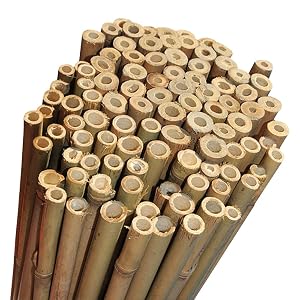
Elixir Gardens Strong Heavy Duty Professional Bamboo Plant Support Garden Canes | All lengths in stock 2, 3, 4, 5, 6, 7 & 8ft | Choose from a range of pack sizes from 10 to 250 | 3ft x 10
Check price on Amazon →
Vegetable Seeds Variety Pack - 30 Different Varieties of Vegetables, Beans, Herbs and Tomato Seeds. Grow Indoor and Outdoor. Father's Day Gardening Gifts for Women and Men
Check price on Amazon →
12 Vegetable Plants Seed Box, Grow Your Own Kits, 5100 Vegetable Seeds | Courgette, Chilli, Tomato Seeds for Planting UK, Unusual Gardening Gifts for Women & Garden Gifts for Men, Allotment Gifts
Check price on Amazon →
Pronto Seed Grow Your Own Vegetable & Herb Kit - 21 Varieties | 1,700+ seeds for planting UK: salad, spicy, peas & beans mix. Easy gardening gift for men & women, with growing guide.
Check price on Amazon →We may earn a small commission, at no cost to you. We only list kit we'd use.
Written by
UK Homesteading Team
Editorial team
The UK Homesteading editorial team, offering UK-specific, evidence-led guidance on growing, keeping, preserving and the law.