Why bother growing peas at all?
Here is the honest case for peas, and it is not the usual "shop peas are terrible" line. The magic is chemistry. A pea plant loads its seeds with sugar, and the moment you pick a pod, enzymes start converting that sugar to starch. Within a few hours the pea is measurably less sweet. This is why a handful eaten standing by the plants, still warm from the sun, tastes like a completely different vegetable to anything you can buy.
Shop-bought "fresh" peas have usually spent days getting to the shelf, so the sweetness has largely gone. Frozen peas, oddly, are pretty good, because they are frozen within hours of harvest, which locks the sugar in. So the real comparison is not home-grown versus frozen. It is home-grown eaten today versus fresh peas that have travelled. On that count, your own row wins every time. And peas ask very little in return: they feed themselves nitrogen, crop for weeks, and even the young shoots are worth eating.
The moment you pick a pod, the sugar starts turning to starch. That single fact is the whole reason to grow your own.
Which type of pea should you grow?
It helps to know what you are choosing between, because "peas" covers several quite different things.
Round, or first-early, types have smooth seeds and are the toughest of the lot. They cope with cold soil, which makes them the ones to use for early spring, autumn or February sowings. They are not the sweetest, but they are the most forgiving, so they are a sensible first choice.
Wrinkled, or maincrop, types have shrivelled-looking seeds and are noticeably sweeter. The trade-off is that they hate cold, wet ground, so they are for spring and summer sowing once the soil has warmed. First earlies crop in roughly 12 weeks, maincrops nearer 14 to 16, so a mix of both stretches your season.
Mangetout and sugar snap are grown for the whole pod, picked before or just as the peas swell, so there is no shelling and a bigger, easier crop. Petit pois are simply small, extra-sweet peas. And marrowfat types are left to dry on the plant for winter storage or mushy peas. For a first year, a round early plus a sweet maincrop, with a row of sugar snap for the children to raid, is a lovely spread.
When should you sow peas in the UK?
The main window is March to June, or into early July, sowing a short row every two or three weeks rather than everything at once. That succession is the difference between a fortnight of gluts and a couple of months of steady picking. Peas germinate best once the soil reaches around 10°C, so an early March sowing on cold, heavy ground is worth starting under cover or a cloche.
There is also the early gamble. Hardy round types can be sown in autumn (roughly October) or in February under cloches to overwinter and crop very early the following year. It can work beautifully in a mild, well-drained garden. But be clear-eyed: cold, wet winters rot the seed and hungry mice make the most of a bare plot, so treat it as a bonus row, not your main crop. Across all these sowings, a well-planned garden can pick peas from June right through to October.
How do you actually sow peas?
You have two good options. The traditional way is a flat-bottomed drill, and the clever way is guttering, which mostly exists to beat the mice.
- 1
Make a flat drill
Draw out a shallow, flat-bottomed trench about 5cm (2in) deep and 15 to 20cm wide with the corner of a hoe. A flat bottom lets you space seeds in a double row rather than a single line.
- 2
Space the seeds
Set the peas about 7.5cm (3in) apart in a staggered double row, then cover them over and firm gently. For taller varieties, leave around 30cm between separate rows so you can reach in to pick.
- 3
Or sow in guttering under cover
Fill a length of plastic guttering with compost, sow the peas 7.5cm apart along it, and grow them on in a greenhouse, cold frame or on a windowsill, safe from mice.
- 4
Slide the guttering out
Once the seedlings are a few centimetres tall, dig a matching drill outdoors, then slide the whole block of compost and roots straight out of the guttering into it. Water it in.
- 5
Put the supports in now
Push in pea sticks or set up netting at sowing time, before the plants need them. Doing it later means groping around established roots and snapping tendrils.
Do peas really need support, even the dwarf ones?
Yes, and this catches a lot of beginners out. Peas are climbers. They haul themselves up by curly tendrils, little grabbing shoots that need something thin to wrap around. A packet labelled "dwarf" only means the plant is short, not that it will stand up on its own. Left unsupported, even a 45cm dwarf pea flops onto the soil, where the pods rot and slugs move in.
Match the support to the variety's height. For dwarf and shorter types up to about 45cm (18in), the neatest answer is twiggy prunings, the classic "pea sticks", pushed in among the plants so the tendrils have plenty to grip. For tall types, which can reach 1.8m (6ft), use pea netting, chicken wire or wires strung between posts. The tendrils do the climbing themselves once they find the support, so all you are really doing is giving them a ladder.
What soil do peas like, and should you feed them?
Peas want a sunny, sheltered spot and soil that holds moisture without turning into a bog. A few weeks before sowing, work in a couple of bucketfuls of garden compost or well-rotted manure per square metre. That moisture-holding is the point: peas that dry out at the wrong moment simply produce fewer, smaller pods. They also dislike very acidic ground, so aim for roughly pH 6.5 to 7, close to neutral. If your soil is on the acid side, a little garden lime the winter before helps.
Now the counter-intuitive bit: go easy on feeding, and especially on nitrogen. Peas are legumes, which means they partner with bacteria in their roots to pull nitrogen out of the air and make their own. Pile on a high-nitrogen feed and you get lush leaf and lazy podding. If you feed at all, use a high-potash fertiliser once the flowers appear, which supports pods rather than foliage. When the plants are done, cut them off at the base and leave the roots in the ground, because that fixed nitrogen becomes a free gift to whatever you plant next. It's the same logic behind feeding your soil through composting rather than reaching for the bottle.
How do you keep mice and other pests off?
Four culprits do most of the damage, and none of them is hard to handle once you know it is coming.
Mice are the big one, and the reason many a pea row never appears. They dig up and eat the sown seed, which germinates slowly and smells irresistible. The single best defence is not to sow into open ground they can reach.
Pea moth lays eggs on flowering plants in summer, and the tiny caterpillars end up as the maggots you find when shelling. The clever dodge is timing: sow very early or quite late so the plants are not in flower during the moth's June-to-August peak. On a summer crop, covering the flowering plants with fine fleece or insect mesh keeps the moth away from the flowers.
Birds, pigeons especially, strip young seedlings and peck at pods, so net or cloche the row while plants are small. And powdery mildew, a white dusty coating, tends to show up on late-summer crops in dry spells. Space plants for airflow, keep them watered, and it rarely gets serious.
When and how do you pick peas?
Start checking once the pods look well filled but are still bright, plump and young. Overgrown pods turn tough and starchy, which is exactly the sweetness loss you are trying to avoid. Pick from the bottom of the plant upwards, because the lowest pods mature first, and go over the plants every couple of days.
This is the golden rule: the more you pick, the more you get. Peas crop to make seed, so as long as you keep removing pods the plant keeps flowering. Let a few pods fatten and dry on the stem and it reads that as "job done" and slows right down. Mangetout and sugar snap are picked younger still, at around 7.5cm long, before the peas swell and the pods lose their snap. And don't overlook the tops: the tender young shoots and tendrils are edible, sweet and pea-flavoured, lovely raw in a salad or wilted like spinach. Pinching a few out even encourages bushier plants.
Watering matters most right now. Give the plants a proper soak as they come into flower, and again a couple of weeks later as the pods swell. Peas that go thirsty at this stage produce a fraction of the crop, so this is the one job not to skip in a dry June.
How do you store or freeze a glut of peas?
Peas do not keep fresh for long, for exactly the reason they taste so good picked: that sugar is already turning to starch. Eat what you can within a day, and freeze the rest fast. Shell them, drop them into boiling water for a minute or two to blanch, then plunge them straight into cold water, drain, and freeze in bags. Blanching stops the enzymes that would otherwise dull the flavour, and freezing quickly does the rest. Done promptly, your own frozen peas hold onto much of that just-picked sweetness, which is the whole game.
Related guides and tools
Peas are a brilliant gateway crop, and they sit alongside plenty of other easy wins. If you enjoy training climbers, growing runner beans uses the same support-and-pick rhythm on a bigger scale, and both love the rich soil you get from making your own compost. For more first crops to try, browse the full vegetable growing hub. And to get your sowing dates right for where you actually garden, our planting calendar sets the timings to your region's frost dates so you sow at the right moment, not just the one on the packet.
Frequently asked questions
Sources
- Peas: grow your own , RHS
- How to grow peas , RHS
Kit for this job (Ad)

MIXC Seed Trays, 10 Pack 120 Cells Seed Tray for Seedlings Reusable Seed Trays with Lids, propagators for plants, Germination Trays Kit Plastic for Greenhouse/Garden Green
Check price on Amazon →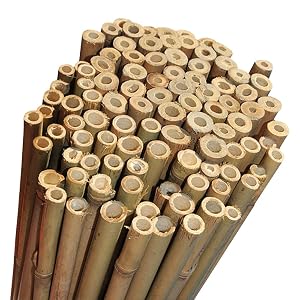
Elixir Gardens Strong Heavy Duty Professional Bamboo Plant Support Garden Canes | All lengths in stock 2, 3, 4, 5, 6, 7 & 8ft | Choose from a range of pack sizes from 10 to 250 | 3ft x 10
Check price on Amazon →
Vegetable Seeds Variety Pack - 30 Different Varieties of Vegetables, Beans, Herbs and Tomato Seeds. Grow Indoor and Outdoor. Father's Day Gardening Gifts for Women and Men
Check price on Amazon →
12 Vegetable Plants Seed Box, Grow Your Own Kits, 5100 Vegetable Seeds | Courgette, Chilli, Tomato Seeds for Planting UK, Unusual Gardening Gifts for Women & Garden Gifts for Men, Allotment Gifts
Check price on Amazon →We may earn a small commission, at no cost to you. We only list kit we'd use.
Written by
UK Homesteading Team
Editorial team
The UK Homesteading editorial team, offering UK-specific, evidence-led guidance on growing, keeping, preserving and the law.