Why most beginner vegetable patches fail
It isn't the soil. It isn't the weather. It's choosing the wrong crops. Most gardening magazines list 30-odd vegetables in their "beginner" section. And half of them are temperamental even for gardeners with years behind them. A first patch with three rows of fussy brassicas, one struggling sweetcorn block and a hopeful aubergine produces next to nothing. And the gardener walks away thinking they "can't grow veg."
The fix is brutal selection. Six crops. Easy, heavy-cropping, and matched to British weather. Get these right in year one and you'll add the harder stuff in year two, from a position of actual confidence.
The six
1. Courgettes
The undisputed champion of UK beginner gardens. One plant fills a fortnight's worth of roasting trays. Sow two seeds in a 9cm pot on a sunny windowsill in late April, plant out mid-May, water deeply once a week, and pick the fruits at 15cm long. Leave one to swell into a marrow and the plant stops setting new ones. Pick small, pick often.
2. Runner beans
A 1.8m wigwam of canes and a packet of 'Scarlet Emperor' seeds turns into six weeks of dinners. Sow direct in late May once the soil's warm, water generously at flowering. This bit's non-negotiable, dry flowers just won't set pods. And pick the beans at finger-width. Older pods go stringy fast.
3. First-early potatoes
Plant chitted seed potatoes in late March, 30cm apart, 12cm deep, and dig them up in late June. Earlies are the easiest of all the potato classes. You're lifting them before blight arrives, before the slugs move in, and before the pests have worked out where the buffet is. 'Charlotte', 'Pentland Javelin' and 'Lady Christl' all do well across the UK.
4. Cut-and-come-again lettuce
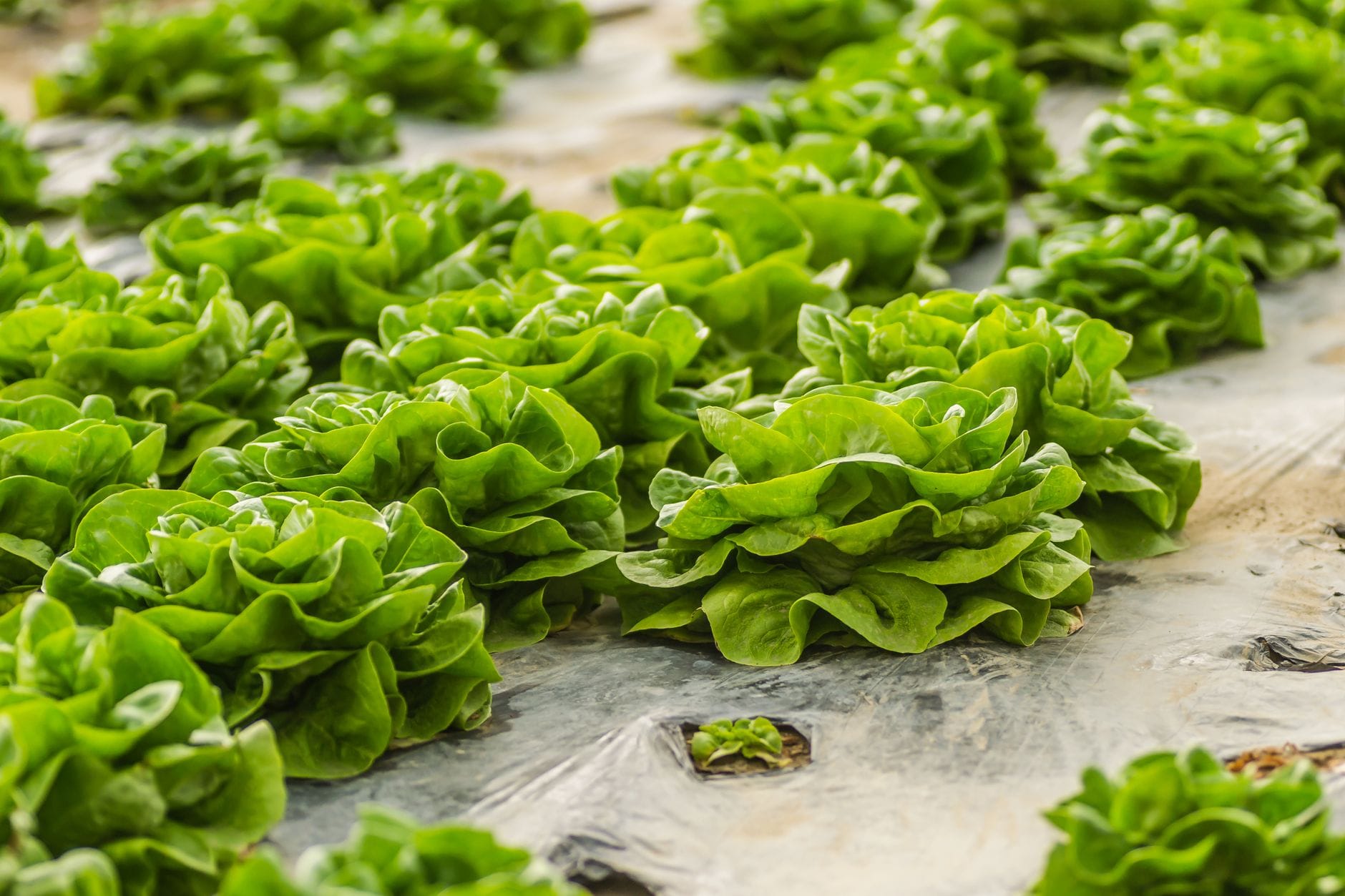
A mixed lettuce packet ('Lollo Rossa', 'Salad Bowl' and the like), sown in shallow drills every three weeks from April to August, keeps you in salad right through summer. Cut the leaves with scissors 2cm above the crown, and the plant will regrow three times over before it bolts. Sow it direct. Lettuce hates being transplanted.
5. Radish
Ready in 28 days from sowing. Almost impossible to get wrong. Sow it thinly into the gaps between slower crops, and pull it as those crops fill the space. Confidence-building, quick, and a genuinely good one for children.
6. Chard ('Bright Lights' or 'Rainbow')
The unsung hero of the plot. Hardy enough to overwinter in a mild year, tolerant of the heat in summer, handsome in the bed, and you can cut individual stems for weeks on end. Sow direct in May; harvest from July right through to November.
The three killers
- 1
Sowing too early
March-sown French beans just rot in cold soil. Mid-May is the rule for anything tender. Your calendar will lie to you; soil temperature won't.
- 2
Watering little and often
Five minutes with a sprinkler wets the top centimetre, evaporates by noon, and trains the roots to stay shallow. Water once a week, properly. Half an hour from a slow hose. Skip it if it's rained hard.
- 3
Refusing to thin
Six lettuce seedlings crammed into 30cm of row give you six bonsai lettuces. Thin to 20cm spacing without sentimentality. The thinnings go straight in tonight's salad bowl.
The garden that produces is the garden where the gardener picks something every other day. Not the one with the best soil.
What to skip in year one
- Cauliflower. Wants perfect, fertile, never-dry soil. Yours won't be, not yet.
- Celery. Fussy about water and blanching, and it's cheap enough in the shops anyway.
- Sweetcorn. Needs heat the UK rarely delivers, plus a block of 16+ plants just to pollinate properly.
- Aubergines. Greenhouse territory outside the south coast.
- Brussels sprouts. Eight months in the ground for a Christmas crop most beginners get wrong anyway.
Come year two, with a season's confidence and a bit of observation behind you, half of these become approachable. Year one, they're just heartbreak.
A realistic year-one plot
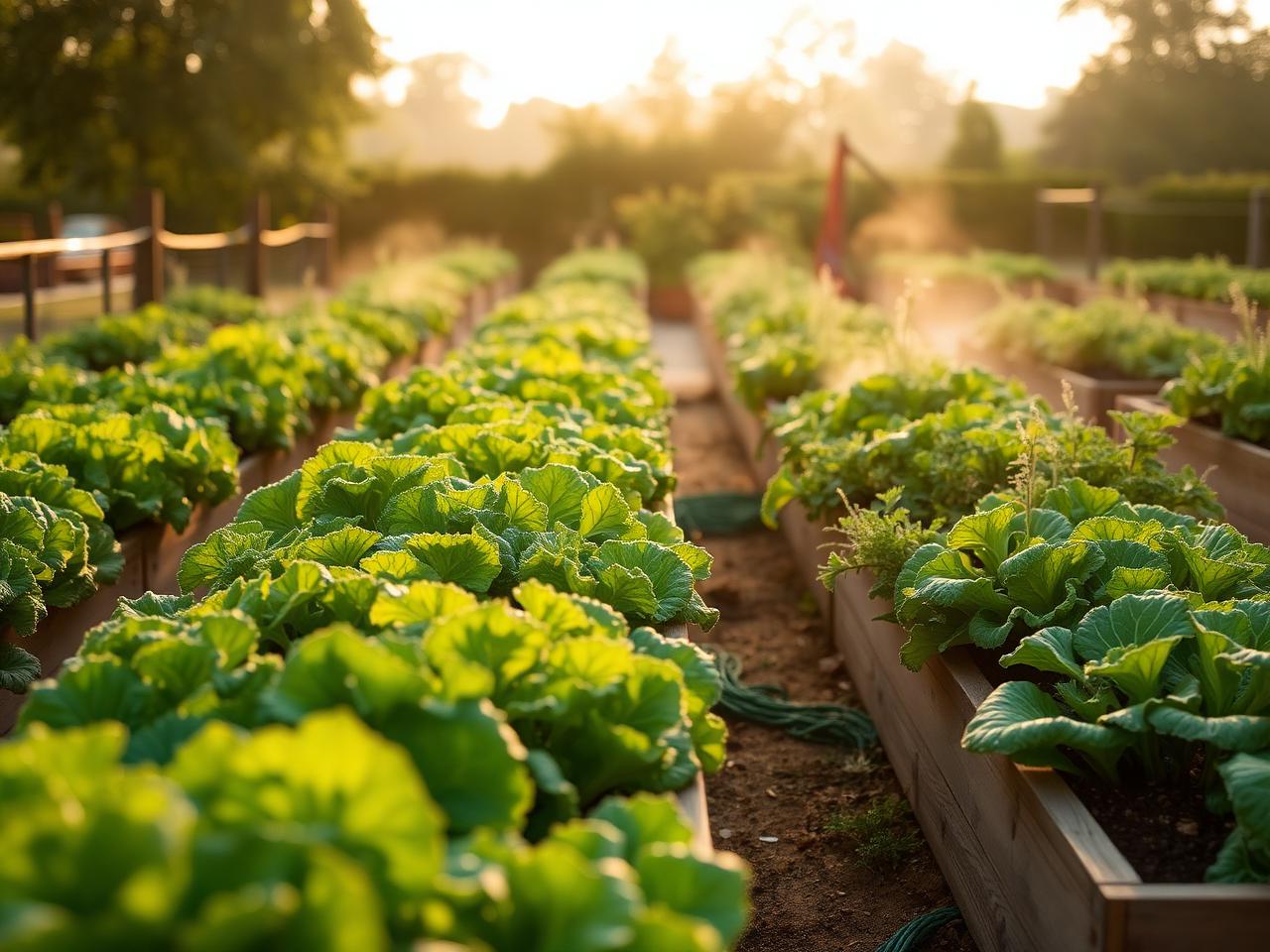
A 3m × 2m bed easily fits: 2 courgette plants, one 1.8m runner-bean wigwam, a 1m row of chard, two 1m rows of mixed lettuce, a few short drills of radish tucked in between everything, and a corner for first-early potatoes (or move those to a tub on the patio instead). Total cost: under £20 in seed and tubers. Output, in a typical year: 100+ portions of vegetables between June and November.
Frequently asked questions
Sources
- RHS. Vegetables for beginners , Royal Horticultural Society, 15 March 2025
Kit for this job (Ad)

MIXC Seed Trays, 10 Pack 120 Cells Seed Tray for Seedlings Reusable Seed Trays with Lids, propagators for plants, Germination Trays Kit Plastic for Greenhouse/Garden Green
Check price on Amazon →
Fiskars 384220-1001 Ergo Garden Hand Trowel, Black
Check price on Amazon →
Root Slayer Radius Garden Shovel – 2017 Green Thumb Award for Most Innovative Garden Tool, Red
Check price on Amazon →
Allotment Month By Month: Grow your Own Fruit and Vegetables, Know What to do When
Check price on Amazon →We may earn a small commission, at no cost to you. We only list kit we'd use.
Written by
UK Homesteading Team
Editorial team
The UK Homesteading editorial team, offering UK-specific, evidence-led guidance on growing, keeping, preserving and the law.