What is crop rotation, and why does it actually work?
Crop rotation is a posh name for a simple idea. You don't grow the same kind of vegetable in the same bit of soil two years in a row. Instead you sort your veg into families, and each year every family moves along to a fresh patch.
Why bother? Three reasons, and they all pull in the same direction.
The first is pests and disease. The bugs and fungi that go for your cabbages tend to specialise in cabbages, and they live in the soil. Grow brassicas in the same bed year after year and you're basically feeding those problems a steady dinner. Move the brassicas away and the pests left behind in that soil start to fade, because their favourite meal has vanished.
The second is how crops treat the soil. Some are greedy leafy feeders. Some barely touch the nutrients. And one group, the legumes, actually puts goodness back. Rotating means no single patch gets hammered in the same way every season.
The third is structure and nutrients working together. Deep-rooted crops break up the ground, shallow ones don't, and a bed that grew hungry cabbages last year gets a rest under something less demanding this year. Over a few seasons the whole plot stays in better nick.
Rotation isn't a chore you add on top of growing veg. It's just growing veg in a slightly smarter order.
Which vegetable families do you rotate?
Rotation only makes sense once you know which crops count as "the same". You group by plant family, because that's what shares the pests and diseases. Here are the ones British gardeners actually rotate.
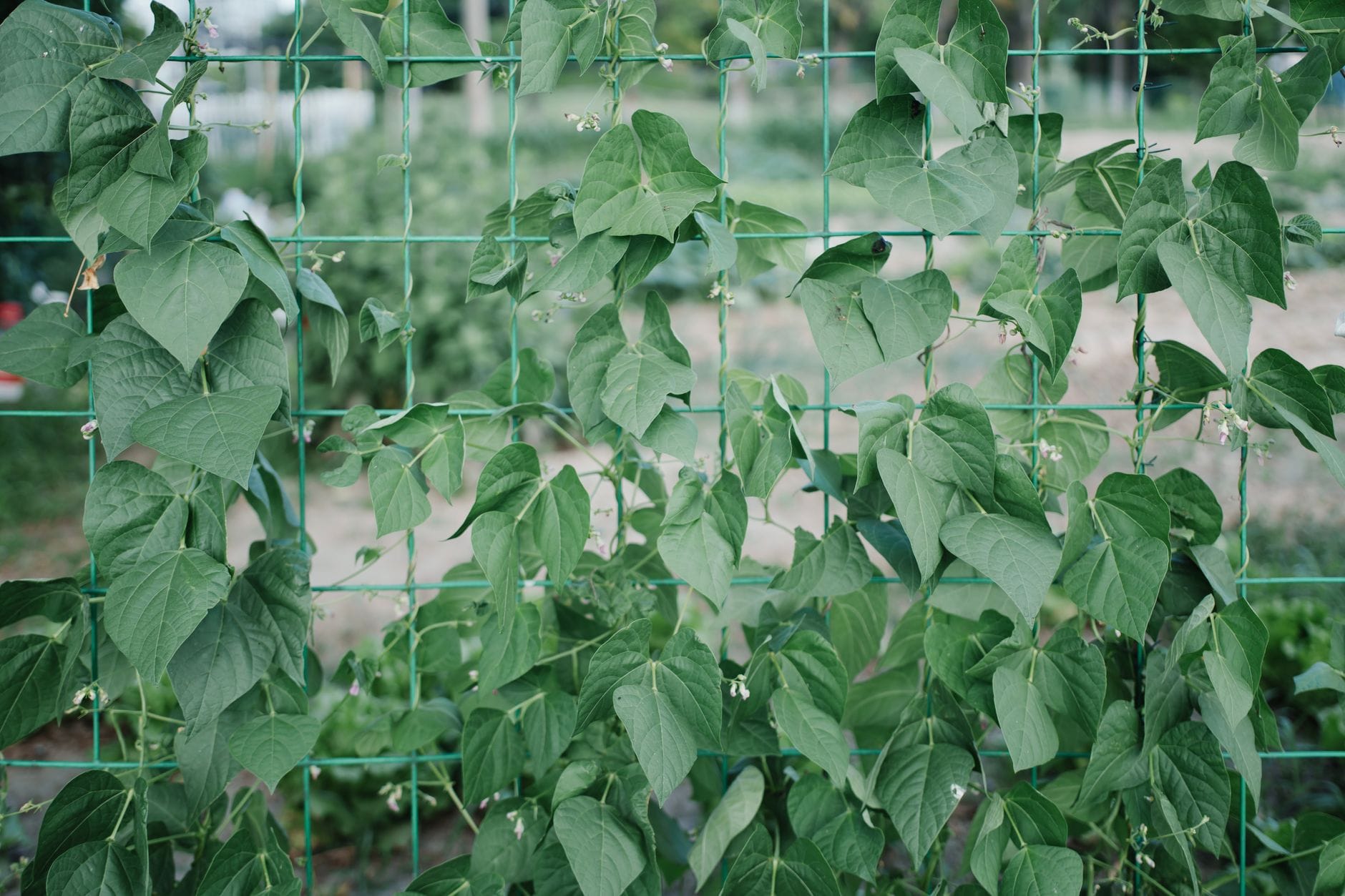
- Legumes (the pea and bean family). Peas, broad beans, runner beans, French beans. Their party trick is fixing nitrogen from the air into little nodules on their roots.
- Brassicas (the cabbage family). Cabbage, cauliflower, Brussels sprouts, kale, broccoli, kohlrabi, and also swede, turnip and radish. They love a firm, limed soil and plenty of nitrogen.
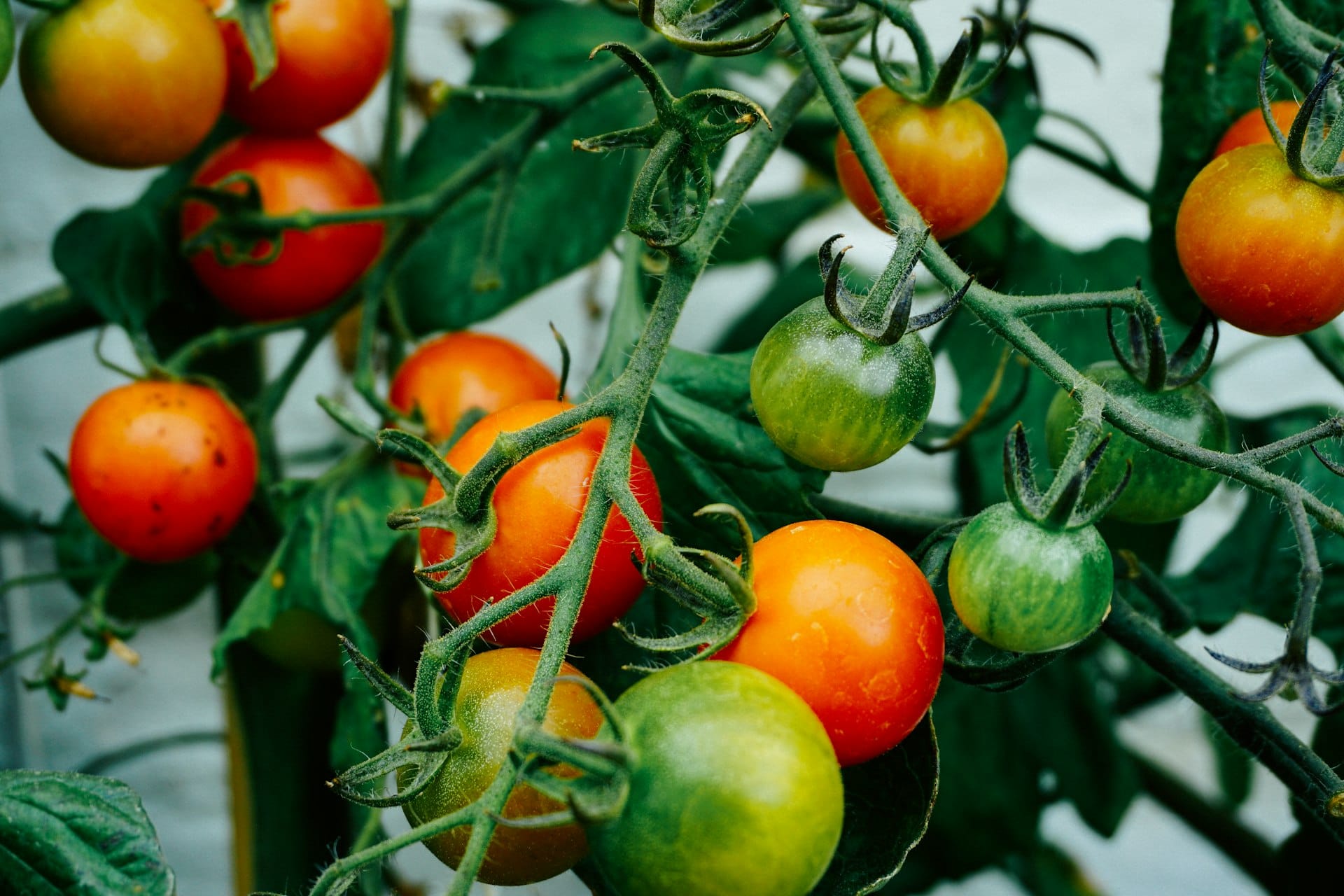
- Potato family (the solanaceae). Potatoes and tomatoes are the two that matter here, and they share diseases like blight, so keep them apart from where they grew last year.
- Roots. Carrots, parsnips, beetroot, celeriac and the like. Light feeders that don't want freshly manured ground, or they fork.
- Alliums (the onion family). Onions, garlic, shallots, leeks. In most rotation plans they simply travel along with the roots to keep things simple.
That's the lot for most plots. Peppers and aubergines are technically in the potato family, but they cause fewer soil problems, so you can slot them in wherever there's room.
What does a four-bed rotation look like?
The four-bed plan is the classic, and it's the one I'd point a beginner at. You split your growing space into four roughly equal beds, put one group in each, and every year the whole lot shuffles along by one bed. After four years you're back where you started, and each patch has had a proper rest from every family.
The order matters, and it's built around one clever handover: legumes leave nitrogen behind, so the brassicas follow straight after and gobble it up. Here's a worked four-bed cycle.
- 1
Divide your plot into four beds
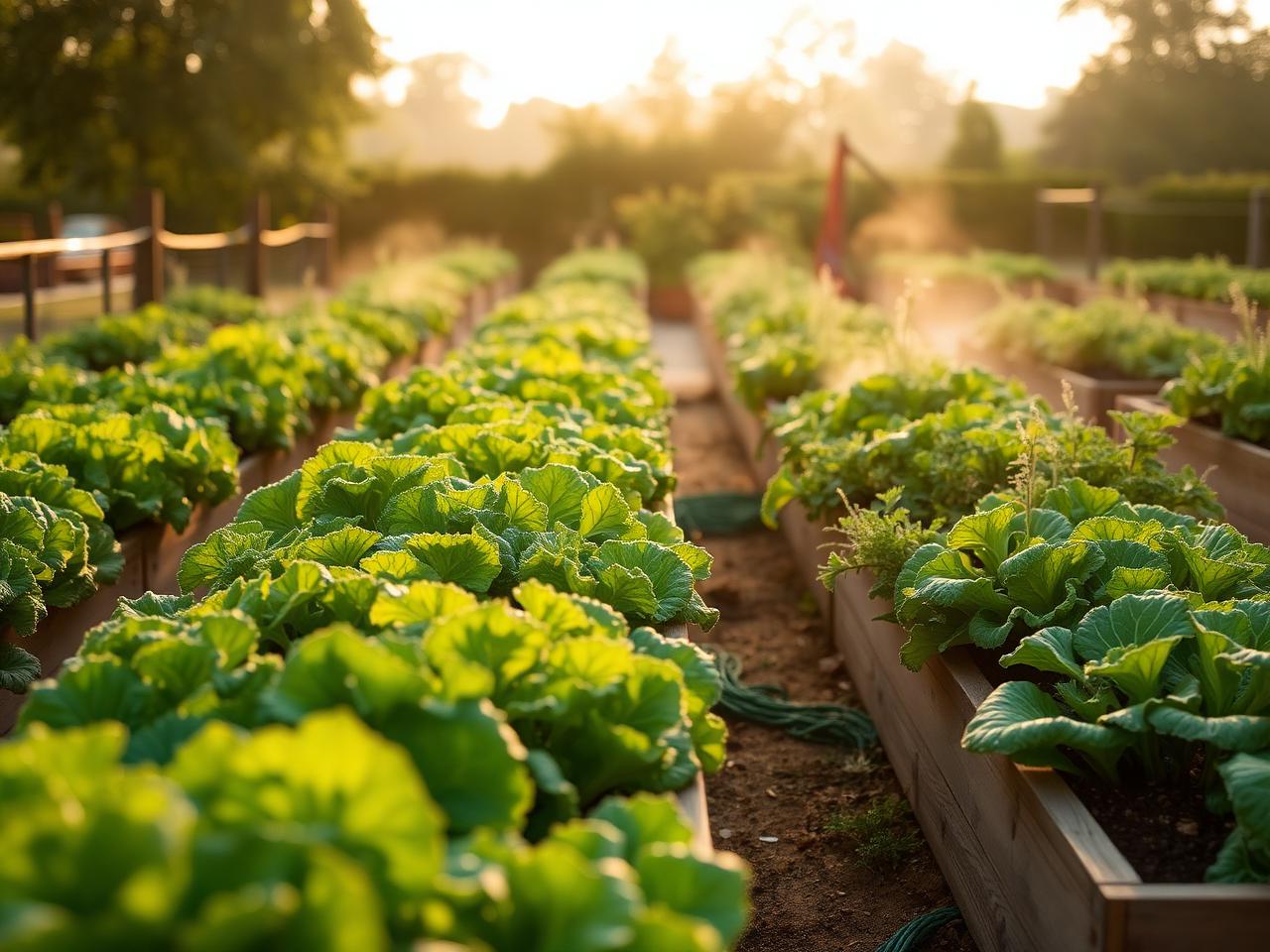
Four beds of similar size, labelled 1 to 4. Raised beds are perfect for this because the edges keep everything tidy and separate.
- 2
Assign the four groups in order
Bed 1: legumes (peas and beans). Bed 2: brassicas (cabbage family). Bed 3: roots and onions. Bed 4: potatoes and tomatoes. That order follows the rotation sequence, legumes then brassicas then roots then potatoes, so each family hands its bed on to the one that likes what it leaves behind. This is your Year One layout.
- 3
Clear the legumes gently at the end of Year One
When the peas and beans finish, cut the plants off at ground level and leave the roots in the soil. Those nitrogen-rich nodules are a free feed for whatever comes next.
- 4
Shift everything along one bed for Year Two
Brassicas move into Bed 1, exactly where the legumes just were, roots and onions into Bed 2, potatoes and tomatoes into Bed 3, and the legumes wrap round to Bed 4. The brassicas now sit on the nitrogen the beans left behind.
- 5
Keep rotating each spring
Repeat the shift every year. By Year Five you're back to the Year One layout, and every bed has had a three-year gap from each family.
Prefer a three-bed version? Same idea, just group potatoes with the roots and onions so you only need three beds, run in the same order: legumes, then brassicas, then potatoes-and-roots, with each group moving on a bed a year so the brassicas always land where the beans were. It's a slightly shorter break between repeats, but it still does the job on a smaller plot.
Why do legumes go before brassicas?
This is the bit of rotation that feels almost like a magic trick, so it's worth understanding.
Peas and beans have a deal going with bacteria that live in their roots. The bacteria pull nitrogen out of the air and turn it into a form plants can use, and in return the legume feeds the bacteria. You can see the evidence: dig up a spent bean plant and you'll find little pinkish nodules on the roots. That's stored nitrogen.
Nitrogen is the nutrient leafy crops crave most, and nothing is leafier or hungrier than the cabbage family. So if you cut down your beans and leave the roots in the ground, then plant brassicas in that same bed the following year, they land straight onto a nitrogen top-up.
One small habit makes all the difference here. When your peas and beans are done, resist the urge to yank the whole plant out. Snip the top off for the compost heap and leave the roots to break down where they are. If you want to get the most from your spent plants and kitchen scraps, our guide to composting covers how to turn all that green waste into next year's soil food.
What if you've only got a small garden or raised beds?
Not everyone has room for four tidy beds, and that's completely fine. Rotation still helps at any scale. You just run a simplified version.
The whole thing boils down to one rule: group your veg by family, and don't grow the same family in the same spot as last year. That's it. If you've got two raised beds, alternate the families between them. Three beds, run a three-way shuffle. Even a single bed benefits if you swap what goes where from one year to the next and keep a rough note of what grew where.
Don't tie yourself in knots trying to be perfect. A one-year gap is better than no gap, and a two-year gap is better still. The gardeners who get into trouble are the ones who plant potatoes in the exact same corner every single spring because that's where the potatoes go. Break that habit and you're most of the way there.
Keep it simple, keep a scribbled plan on your phone or in a notebook, and let "not here again this year" be your guide.
Which crops don't need strict rotation?
Good news: not everything has to join the merry-go-round. A few crops are relaxed about where they grow, which frees up your beds and saves you the headache.
- Perennials. Rhubarb, asparagus and globe artichokes stay put for years by design, so give them their own permanent corner and leave them out of the rotation entirely.
- Courgettes, squash and pumpkins. The squash family isn't prone to the same soil-borne troubles, so you can pop them in wherever there's a gap, often on last year's compost or muck.
- Salad leaves. Lettuce, rocket and other quick cut-and-come-again leaves are in and out so fast, and cause so few soil problems, that you can tuck them between other crops without worrying about the plan.
- Sweetcorn. Another easy-going one that slots in wherever suits.
These "grow anywhere" crops are genuinely useful for filling the odd bare patch while your four main groups do their orderly march around the plot.
Does rotation actually stop clubroot and white rot?
Here's where a bit of straight talk earns its keep. Rotation is a brilliant preventative habit, but it is not a cure, and two diseases in particular show its limits.
Clubroot attacks the cabbage family, swelling and distorting the roots so plants wilt and fail. Onion white rot rots the base of onions, garlic and leeks and coats the roots in fluffy white fungus. The problem with both is how long they last. Once they're in your soil, they survive there for many years with no host plant at all, far longer than any normal three or four year rotation can outlast. White rot can hang on longer still.
So rotation slows the build-up and buys you time, but it won't clear ground that's already infected. If clubroot turns up, your best moves are keeping the soil well-drained, liming it to raise the pH, and choosing resistant brassica varieties where you can. For white rot, the priority is never bringing it in on cheap sets or borrowed tools in the first place, because once it's there, that patch is effectively off-limits to onions for a long time.
None of that is a reason to skip rotating. It's a reason to rotate and stay clean: healthy plants, good drainage, and a bit of care about what you bring onto the plot. Do both and you'll dodge most of the trouble that catches other growers out.
Ready to put it into practice? Browse the rest of our Grow guides for sowing times, feeding and everything else that turns a bare bed into a full veg patch.
Frequently asked questions
Sources
- Crop rotation , Royal Horticultural Society
- Crop rotation , BBC Gardeners' World Magazine
- The four year crop rotation plan , Allotment & Gardens
- Crop rotation for beginner gardeners , Garden Ninja
Kit for this job (Ad)

Levington Tomorite Liquid Tomato Food, Concentrate, 1L, Red
Check price on Amazon →
Root Slayer Radius Garden Shovel – 2017 Green Thumb Award for Most Innovative Garden Tool, Red
Check price on Amazon →
Allotment Month By Month: Grow your Own Fruit and Vegetables, Know What to do When
Check price on Amazon →
Veg in One Bed: How to Grow an Abundance of Food in One Raised Bed, Month by Month
Check price on Amazon →We may earn a small commission, at no cost to you. We only list kit we'd use.
Written by
UK Homesteading Team
Editorial team
The UK Homesteading editorial team, offering UK-specific, evidence-led guidance on growing, keeping, preserving and the law.