Why is parsley worth a spot in every garden?
If you only grow one herb from seed, parsley earns its place. It's the quiet workhorse of the kitchen: stirred through potatoes, folded into a sauce, scattered over almost anything. A single well-tended plant keeps giving for months, and unlike a lot of tender herbs it takes a British summer in its stride.
It's technically a hardy biennial, though most of us grow it as an annual and re-sow each year (more on why in a moment). The bonus is that a plant sown in spring will often sit through the colder months and hand you fresh leaves in early spring, when there's precious little else green to pick. Give it a little protection and it'll reward you.
And it's forgiving about where it lives. A border, a big pot by the back door, a windowsill above the sink: parsley isn't fussy, as long as it has moisture and a bit of feed. For a first herb from seed, it's a confidence-builder, once you get past the germination hurdle.
Flat-leaf or curly: which parsley should you grow?
There are two types worth knowing, and they earn their keep in different ways.
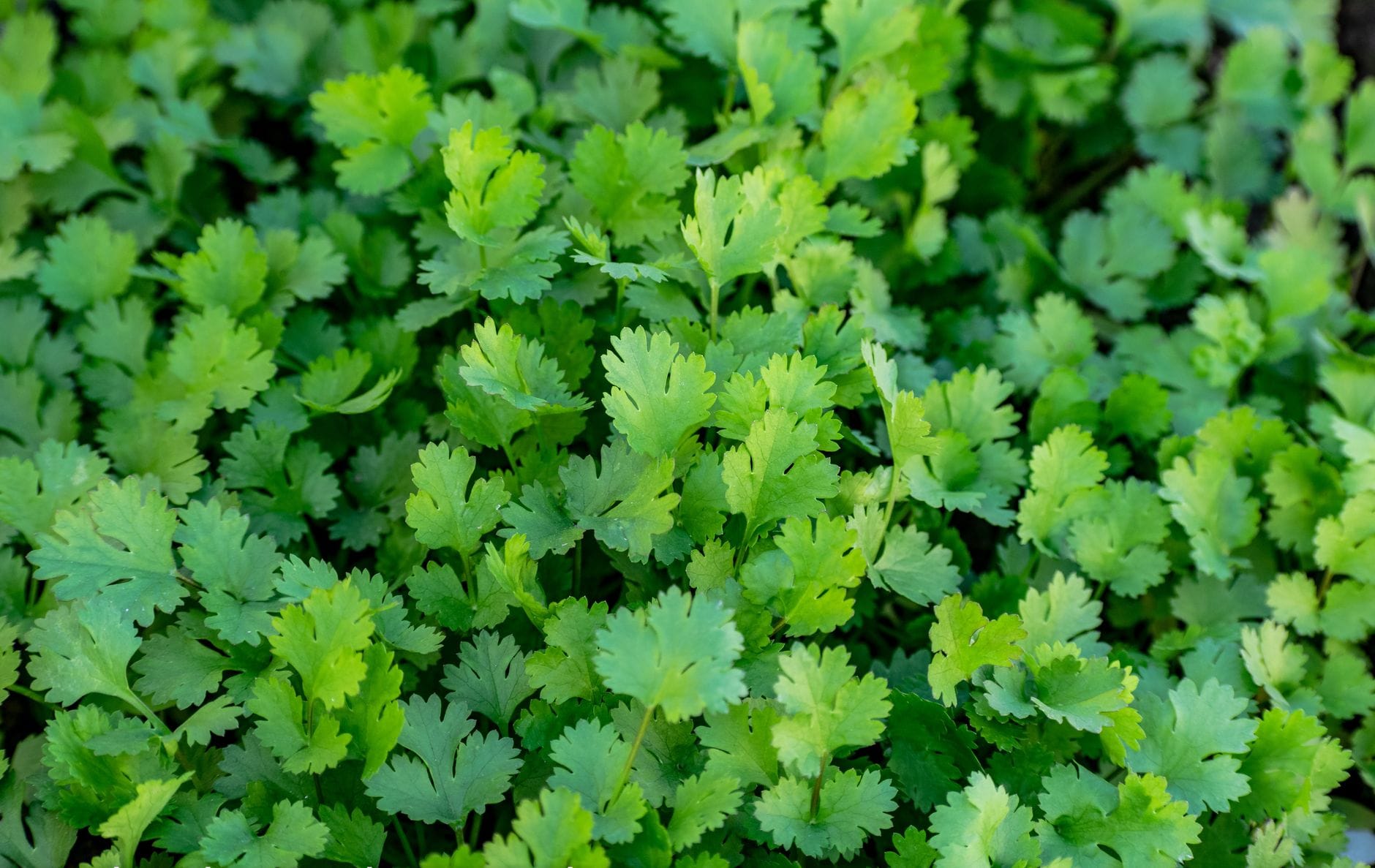
Flat-leaf parsley (also sold as Italian parsley) has the stronger, cleaner flavour. It's the one most cooks reach for, and it holds up well stirred into hot dishes at the end of cooking. If you're growing parsley mainly to eat, this is the one.
Curly parsley has tightly ruffled leaves and a slightly milder taste. It's the classic garnish, it looks lovely in a pot, and it tends to be a touch tougher through a cold snap. Plenty of gardeners simply grow a pot of each and pick whichever suits the plate.
Neither is harder to grow than the other. The sowing and care are identical, so choose on flavour and looks.
Why is parsley so slow to germinate?
Here's the headline problem, and the reason so many beginners think they've failed. Parsley seed is slow and unreliable to come up. The RHS puts it at "a month or more"; Gardeners' World says up to six weeks; Garden Organic quotes 14 to 28 days. In practice, expect anything from a fortnight to six weeks, with some seeds sulking long after others.
There's even an old country saying that parsley seed "goes to the devil and back" (some versions say seven or nine times) before it deigns to sprout. It's folklore, not botany, but it captures the experience nicely: you sow, you wait, you assume nothing's happening, and then one day a haze of thread-thin seedlings appears.
You sow, you wait, you assume nothing's happening, and then one day a haze of thread-thin seedlings appears.
The good news is you can stack the odds in your favour.
When and where should you sow parsley?
For an early start, sow under cover from February to March, in pots or modules on a warm, bright windowsill or in a greenhouse. The warmth indoors gets things moving weeks before the ground outside is ready.
Once the soil has warmed, you can sow direct outdoors from March right through to July. Sowing small batches a few weeks apart (successional sowing) keeps a steady supply coming rather than a glut all at once.
Parsley likes an open spot in full sun or partial shade, which makes it handy for a bed that gets a bit of afternoon shadow. Give it fertile, moisture-retentive soil. If yours is poor or very free-draining, fork in some well-rotted organic matter first. The one thing it won't forgive is drying out, so keep it moist but never waterlogged. A windowsill or a decent-sized pot of good compost works just as well as open ground.
How do you actually sow parsley?
The mechanics are simple once you've made peace with the waiting.
- 1
Prepare the ground or fill a pot
Weed the bed and rake it to a fine tilth, or fill pots and modules with fresh, moist multipurpose compost. Water first so the seed goes onto damp ground.
- 2
Sow thinly and shallow
Make a shallow drill about 1cm (half an inch) deep and sow the seed thinly along it, then barely cover. In pots, sow onto the surface and cover with only a light dusting of compost.
- 3
Keep it warm and evenly moist
This is the make-or-break stage. Don't let the compost dry out while you wait. Indoors, a windowsill or propagator holds the warmth that speeds germination along.
- 4
Wait, and don't panic
Give it two to six weeks. Erratic emergence is normal, so leave the tray be even when it looks like nothing's happening.
- 5
Thin the seedlings
Once they're up and big enough to handle, thin to about 15cm apart (up to 30cm if you want large plants). Thinnings are edible, so add the baby leaves to a salad.
What does "biennial" mean for your parsley?
This is the bit that catches people out in year two, so it's worth understanding.
Parsley is a biennial: it lives for two years. In the first year it makes all those lovely leaves. In the second year it bolts, meaning it throws up a tall flower stalk, blooms, and sets seed, after which the plant dies. The catch is that once it starts bolting, the plant pours its energy into flowering and the leaves turn tough and bitter. Not what you want on the plate.
You have three sensible options. The easiest, and what most gardeners do, is to treat parsley as an annual: sow fresh seed every spring and enjoy a year of good leaves. Second, you can nip off any flower stalks as they appear to buy yourself a little more leafy time, though a determined second-year plant will keep trying. Or third, let one plant flower and go to seed on purpose. The flowers are good for pollinators, and parsley will often self-seed a new generation around itself, or you can collect the seed to sow yourself.
How and when do you harvest parsley?
Parsley is a proper cut-and-come-again herb, so the more you pick, the more it gives.
Start picking once the plant is established and leafy, from late spring right through to autumn. Take a few of the outer stalks first, snipping them off near the base with scissors or secateurs rather than tearing at the top. Cutting at the base like this prompts fresh growth from the centre, so regular picking actually keeps the plant productive and stops it getting leggy. Little and often beats a single big harvest.
Leaves are best used fresh, but you can freeze a summer surplus for winter. Chop the leaves, pack them into an ice-cube tray, top up with water and freeze, then drop a cube straight into whatever you're cooking.
Can you grow parsley on a windowsill or in a pot?
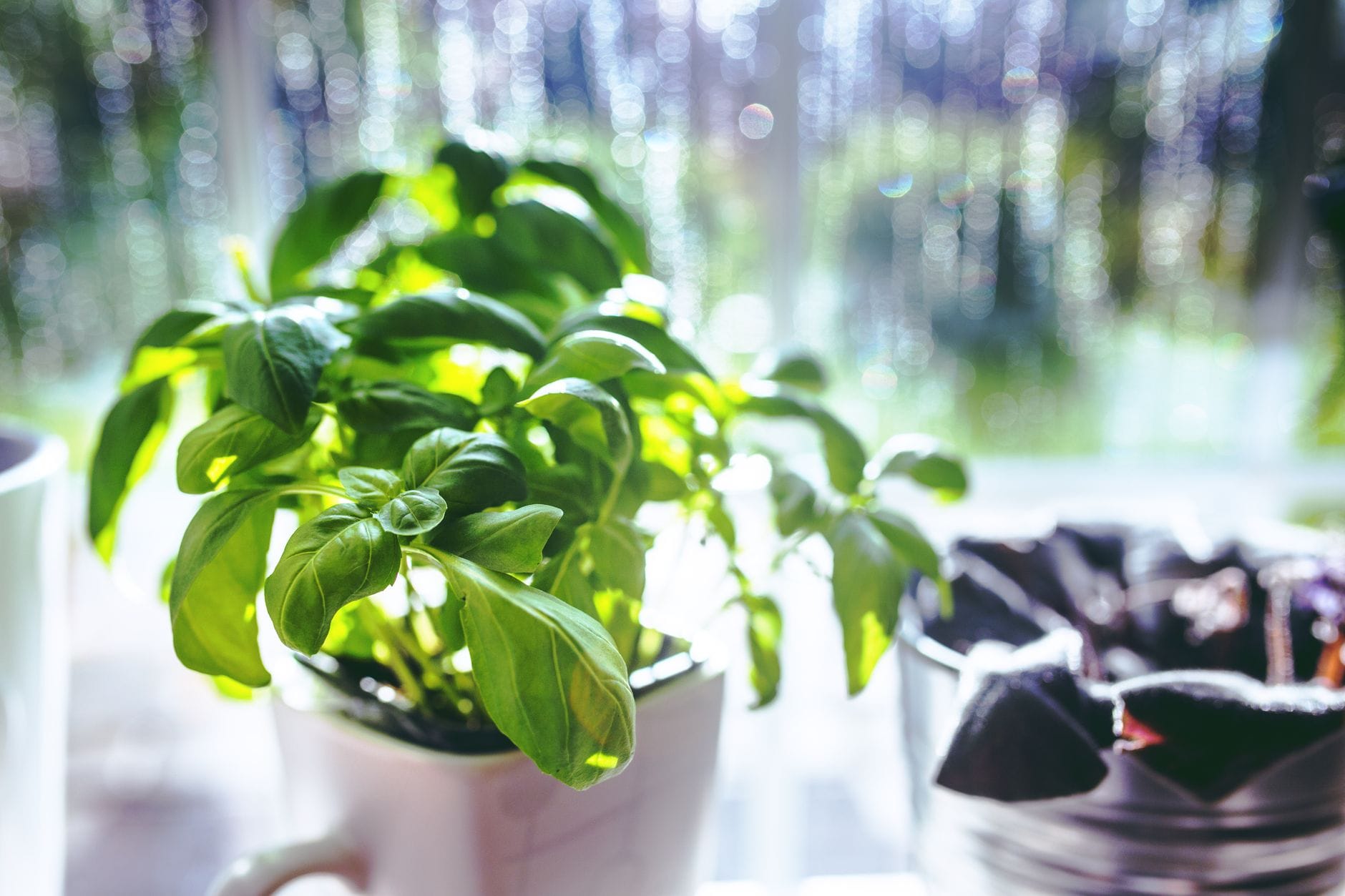
Happily, yes, and it's one of the easiest herbs for it. Parsley grows well in a container of moist, fertile compost, and a bright kitchen windowsill keeps a plant within arm's reach of the chopping board.
Pots do need a bit more attention to watering, since compost dries faster than open ground, especially in warm weather. Check it regularly and don't let it wilt. Come the colder months you can pot up an outdoor plant and bring it in, or move it to a greenhouse, to keep picking. If you're planning a windowsill herb collection, parsley is a natural anchor alongside the other reliable croppers in our best herbs for a British windowbox guide.
Can you keep picking parsley through winter?
This is parsley's underrated trick. A healthy plant will often sit out the winter and give you fresh leaves in late winter and early spring, when the garden is otherwise bare.
To help it along, cover in-ground plants with a cloche, or drape horticultural fleece over them in autumn. That bit of shelter keeps the worst of the wet and cold off and extends your picking. Alternatively, lift a plant into a coldframe or bring a pot indoors. Curly types tend to take a British winter slightly better than flat-leaf, so they're a good pick if overwintering is your aim.
What problems should you watch for?
Parsley is largely trouble-free, but a few things are worth knowing.
Carrot fly. Parsley is an umbellifer, in the same family as carrots, so it can attract carrot fly. The low-flying females home in on the scent, so a barrier of horticultural fleece or fine mesh, or a physical screen around 60cm high, keeps them off. It's also worth not planting parsley right next to your carrots.
Slow, patchy germination. The most common "problem" isn't a pest at all, it's simply the slow start covered above. Fresh seed, warmth, steady moisture and patience are the answer.
Aphids. Greenfly can gather on soft new growth. A blast of water or squashing them by hand usually sorts small outbreaks, and it keeps the leaves clean for the kitchen.
Slugs and snails. They're as fond of parsley as we are, particularly young seedlings, so protect new plants until they're established.
In a wet spell you may occasionally see spotting on older leaves. It's rarely serious: pick off affected leaves, keep the plant well spaced for airflow, and it usually grows away from it.
If you fancy pairing parsley with the other soft herb that keeps British kitchens going, our guide to growing coriander in the UK tackles that one's own quirk (its habit of bolting in a hot summer).
Related guides and tools
- Growing coriander in the UK. The other quick soft herb, with its own bolting story to manage.
- Best herbs for a British windowbox. Reliable croppers to grow alongside parsley on a sunny sill.
- All our herb growing guides. Browse the full herb cluster for what to grow next.
- Planting calendar tool. Check exactly when to sow parsley and everything else, month by month, for your part of the UK.
Frequently asked questions
Sources
- How to grow parsley , RHS
- How to grow parsley , BBC Gardeners' World
- Parsley , Garden Organic
Kit for this job (Ad)

OXO Good Grips Kitchen & Herb Scissors | Stainless design slices through cardboard, twine, meat, vegetables and more
Check price on Amazon →
Fiskars Pruning Snips - 6" Garden Shears with Comfort Grip and Spring Action - Sharp and Precise Non-Stick Steel Blades - Quality Pruning Shears for Plants in Grow Tents and Hydroponics - 2 Pack
Check price on Amazon →
Vegetable Seeds Variety Pack - 30 Different Varieties of Vegetables, Beans, Herbs and Tomato Seeds. Grow Indoor and Outdoor. Father's Day Gardening Gifts for Women and Men
Check price on Amazon →
Barnyard Designs Herb Pot Planter Set with Tray for Indoor Garden or Outdoor Use, Decorative White Metal Succulent Potted Planters for Kitchen Windowsill
Check price on Amazon →We may earn a small commission, at no cost to you. We only list kit we'd use.
Written by
UK Homesteading Team
Editorial team
The UK Homesteading editorial team, offering UK-specific, evidence-led guidance on growing, keeping, preserving and the law.