Why the cut matters
The flavour in dried herbs lives in the volatile oils held in the leaves. Those oils peak just before the plant flowers. Once it starts putting energy into bloom, the leaves lose concentration noticeably within days.
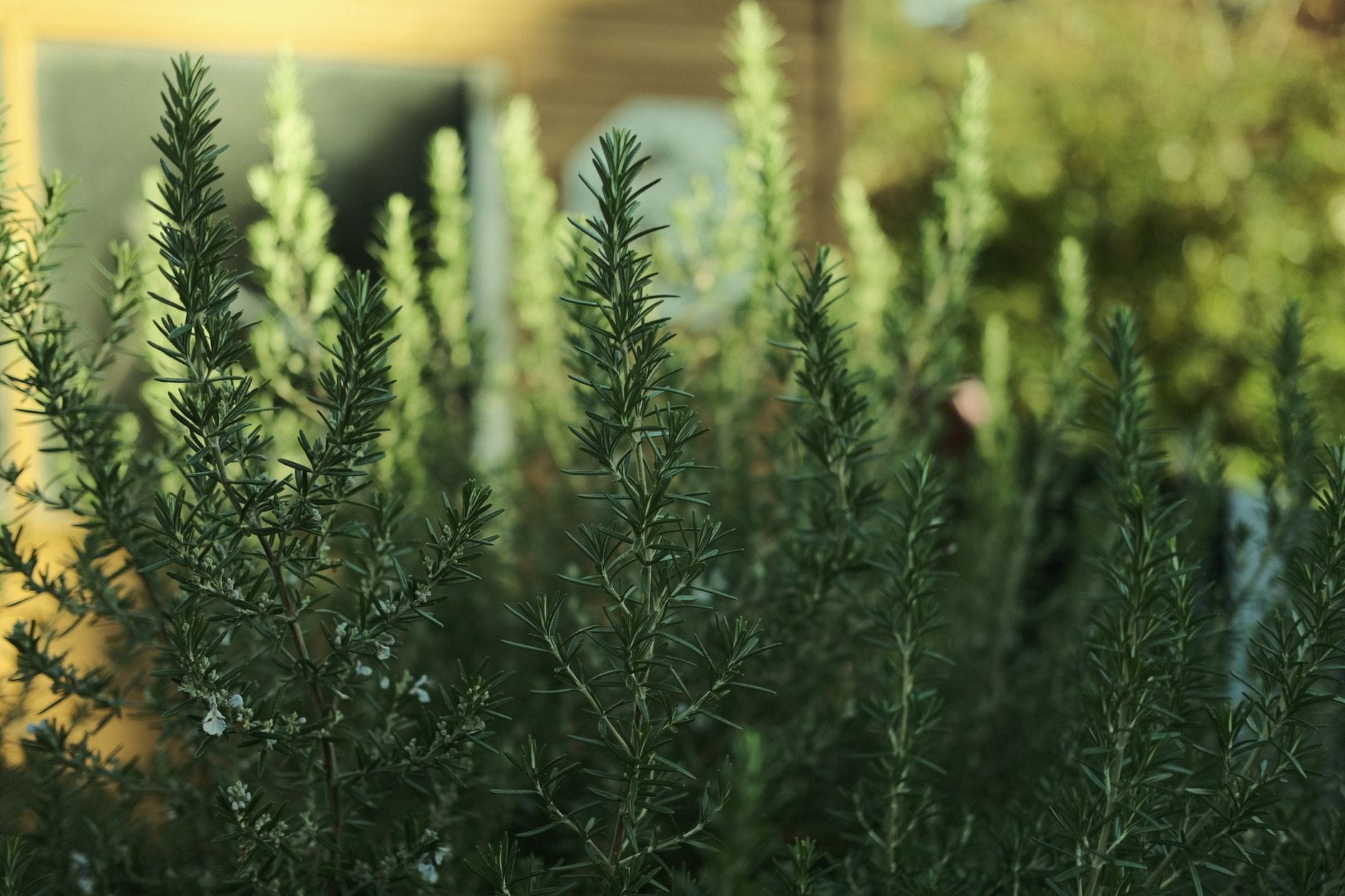
For each herb, the window is short but easy to spot: rosemary in late May, sage in June, oregano and thyme from late June into early July, mint in July, basil from late July onwards. You're after the moment the stem shows flower buds but hasn't opened them yet.
Cut on a dry late morning. The dew's gone, the plant has rehydrated overnight, but the day's heat hasn't started cooking the oils off yet. Use sharp secateurs and take whole stems back to a leaf node. That's where the plant regrows from.
Air-drying woody herbs
The classic kitchen hanging-bundle only really works for rosemary, thyme, sage, oregano, marjoram, bay and lavender. They've got low water content and sturdy stems, and they cope fine with a slow British dry.
- 1
Bundle small
Six to eight stems per bundle. Any thicker and the centre stays damp and turns mouldy.
- 2
Tie at the cut end
Garden twine or a rubber band. The bundle shrinks as it dries, so a rubber band keeps the tension up.
- 3
Hang upside down, in the dark
An airing cupboard, a dark spare room, or a cupboard above a wardrobe all work. Light bleaches the oils out.
- 4
Allow 7 to 14 days
Check after a week. The leaves should crumble cleanly between your fingers. If they just bend, give them another 3 to 4 days.
- 5
Strip into jars
Run a thumb and forefinger down the stem to strip the leaves off, and pack them whole into glass jars with airtight lids.
Soft herbs. Oven, dehydrator, or freezer
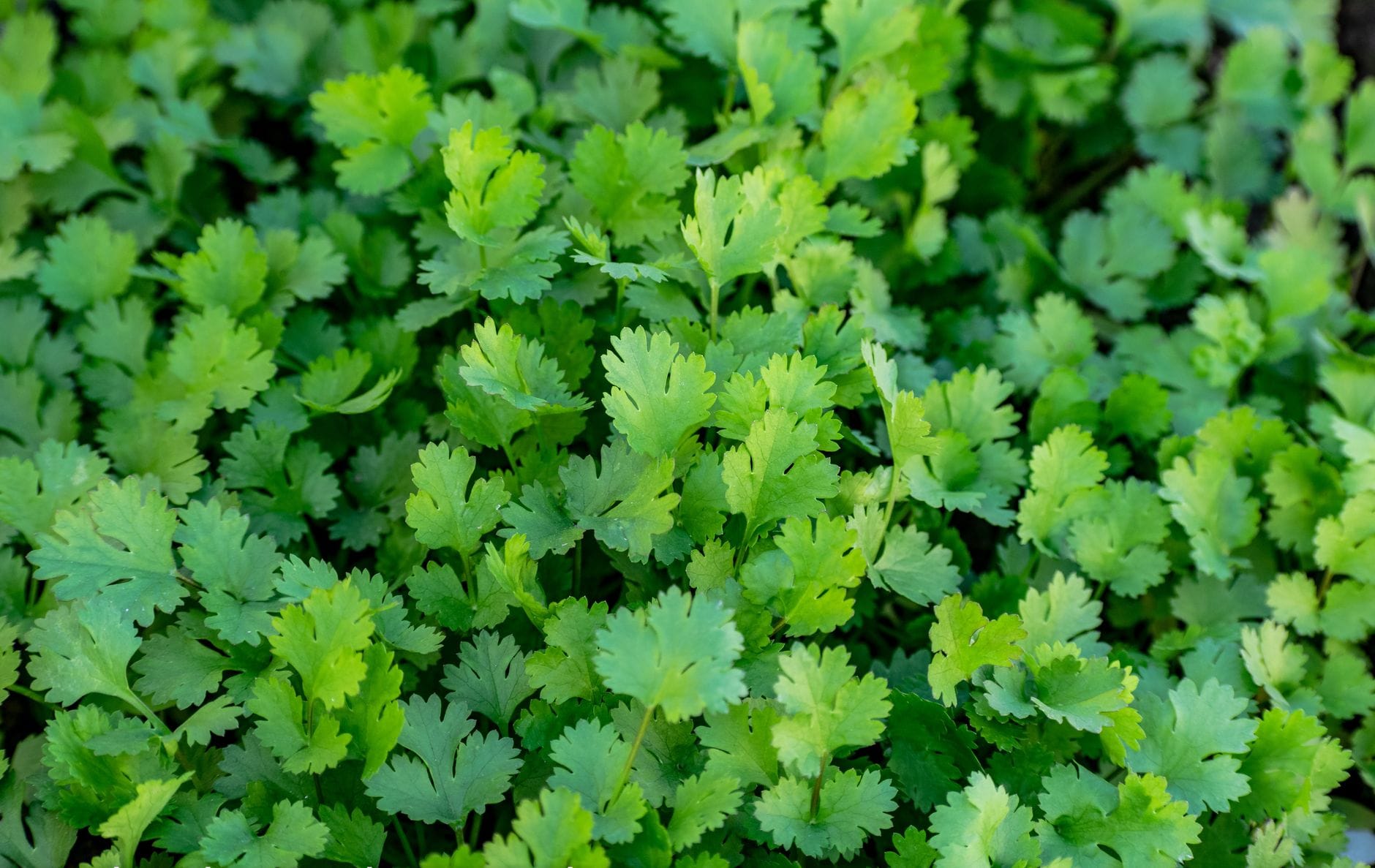
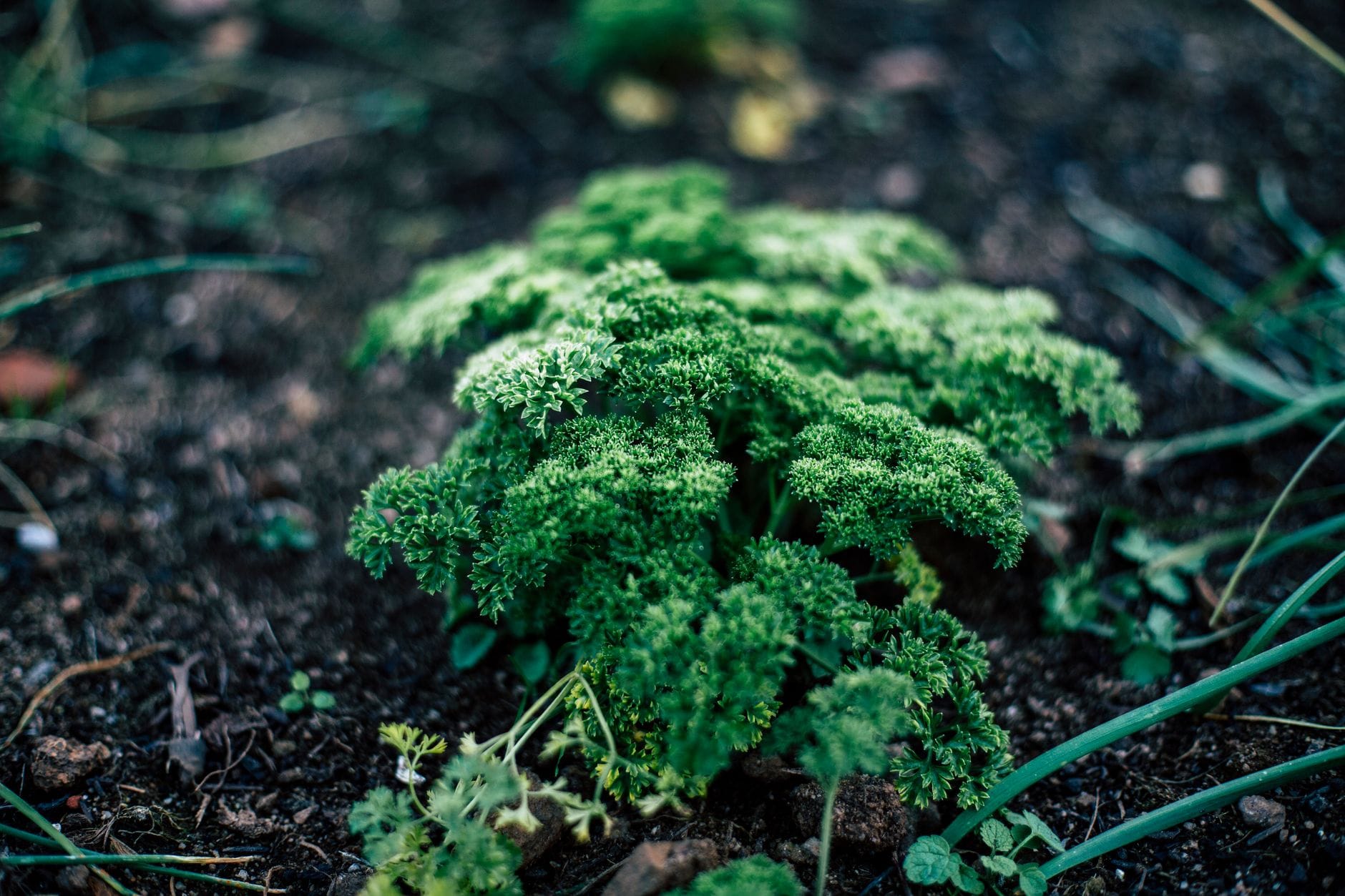
Basil, parsley, chives, coriander, dill and chervil hold too much water in the leaves to air-dry well. By day three, a hanging bundle of basil has gone slimy black at the centre. They need heat or cold, not a slow dry.
Low oven method: spread single leaves on a baking sheet lined with parchment. Oven at 50 to 60°C, door propped open about 1cm to let the steam escape. Check every 20 minutes. Basil's usually done in about 45 minutes, parsley in about an hour.
Dehydrator method: 38°C for 4 to 6 hours, whatever the soft herb. The most reliable result of the three.
Freezer method (the cheat that works best): chop the herb, pack it into ice cube trays, top up with olive oil or water, and freeze. Drop a cube straight into soups, sauces or pasta from frozen. It holds the flavour better than any dry method for parsley, basil and coriander, and honestly, it's the only way I'd bother preserving coriander at all.
The freezer is honest with soft herbs. Air-drying is a lie that smells of nothing by Christmas.
Storage that holds flavour
Three rules for storage:
- Glass, not plastic. Plastic absorbs the oils and picks up staining over time. The herbs degrade faster for it.
- Whole leaves, not crushed. Crushing breaks open the oil cells. Crush between your fingers at the moment of cooking, never in advance.
- Dark and cool, not on a rack above the cooker. That spice rack over the hob looks the part, but it's slow-cooking your stored herbs every single day. A cupboard at the far end of the kitchen does a far better job.
Label each jar with the herb and the date. Woody herbs keep for 12 months, soft herbs for 6. Once the smell's gone weak when you open the jar, so has the flavour. Replace it, don't make do.
What to dry, what to freeze, what to use fresh
A rough rule of thumb for a UK kitchen:
- Dry: rosemary, thyme, sage, oregano, marjoram, bay, lavender
- Freeze (chopped, in oil cubes): basil, parsley, coriander, chives, dill, chervil
- Use fresh only: mint (it dries to dust with no flavour left, make mint sauce instead, or freeze it in tea-bag-sized portions)
Process a small batch each week through the herb season, rather than saving it all for one big day in August. Three jars filled in July will do more for you in February than ten jars filled in a panic at the first frost.
Frequently asked questions
Sources
- RHS. Harvesting and preserving herbs , Royal Horticultural Society, 15 April 2025
Kit for this job (Ad)

OXO Good Grips Kitchen & Herb Scissors | Stainless design slices through cardboard, twine, meat, vegetables and more
Check price on Amazon →
Fiskars Pruning Snips - 6" Garden Shears with Comfort Grip and Spring Action - Sharp and Precise Non-Stick Steel Blades - Quality Pruning Shears for Plants in Grow Tents and Hydroponics - 2 Pack
Check price on Amazon →
Drying Net, Mesh Hanging Herb Dryer Rack Collapsible Black (4 Tiers)
Check price on Amazon →
8 Layer Mesh Hanging Herb Drying Rack Dry Net with Gardening Shears (D24xH63 inch)
Check price on Amazon →We may earn a small commission, at no cost to you. We only list kit we'd use.
Written by
UK Homesteading Team
Editorial team
The UK Homesteading editorial team, offering UK-specific, evidence-led guidance on growing, keeping, preserving and the law.