What a windowbox can and can't do
A windowbox isn't a herb garden shrunk down. It's a small, shared world, a single root volume where badly matched plants make each other miserable. Get the combinations right and a 60cm box will feed a whole kitchen through summer. Get them wrong, and by July the strongest plant has smothered everyone else.
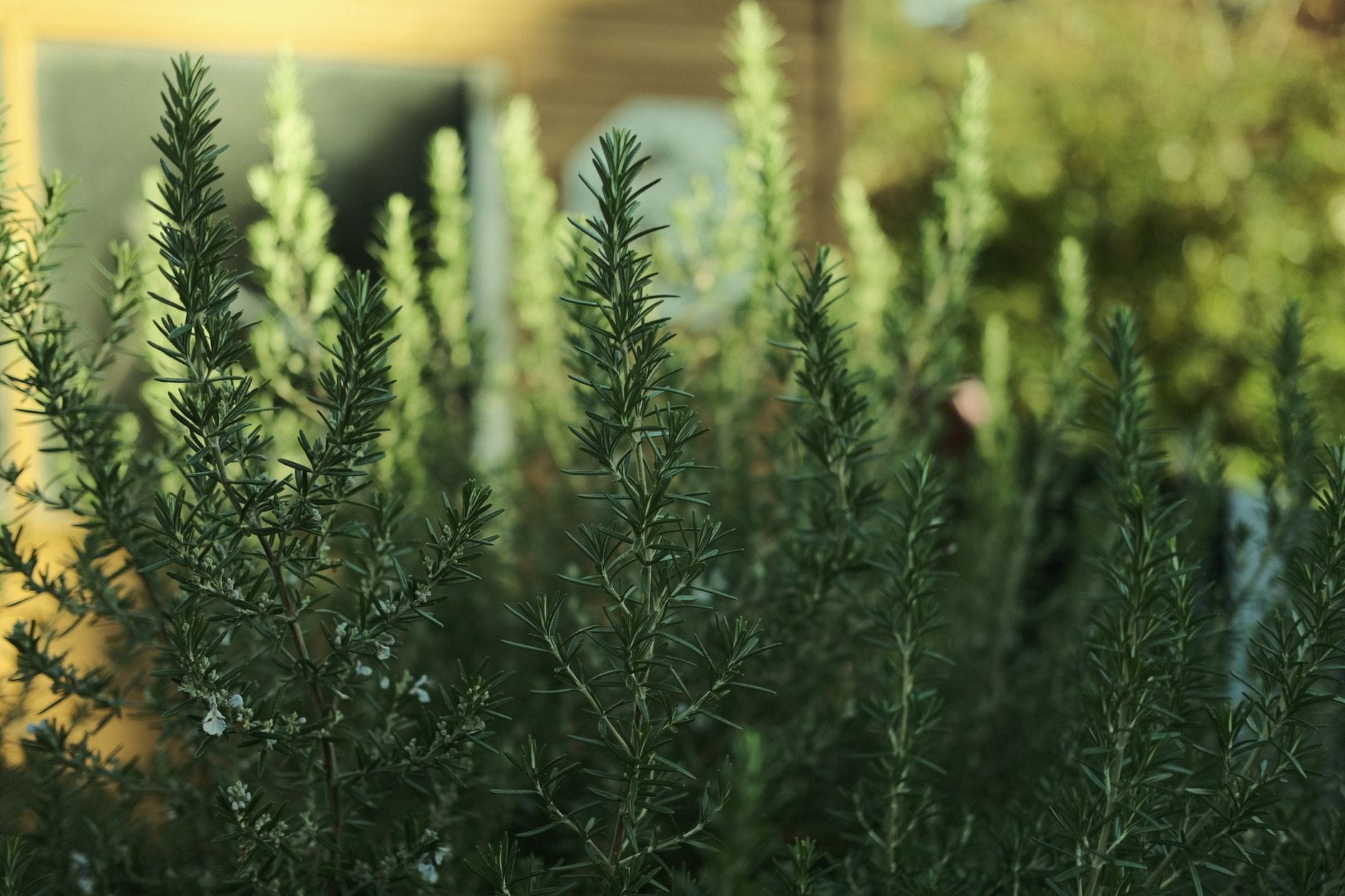
The rule that matters: group by water and light demand. Mediterranean herbs (rosemary, sage, thyme, oregano) want sun, lean soil and not much water. Northern herbs (chives, parsley, chervil) want richer soil and more moisture. And mint wants its own world entirely. Don't put them on the same watering routine and expect it to work.
The eight that work
The two to skip
Dill needs depth, 30cm-plus, for its taproot, and it'll bolt within weeks in a hot box. Give it a deep pot of its own, or leave it out altogether.
Tarragon (the proper French kind) sulks in containers. The Russian version grows happily enough in a box but tastes of not much at all. You're better off buying a French tarragon plant once a year as a bit of a treat, and letting it grow in open ground rather than a windowbox.
The build
- 1
Pick the box
Wood, terracotta or fibre-clay all work well. Steer clear of thin plastic. It overheats in July and freezes the roots come winter. 60cm × 20cm × 20cm is the smallest useful size; 80cm × 25cm × 25cm gives you more room to play with.
- 2
Drainage layer
2cm of crocks or coarse gravel at the base, over the drainage holes. Don't skip this. Winter wet kills more windowbox herbs in Britain than cold ever does.
- 3
Mix the compost
Three parts peat-free multipurpose compost to one part 2 to 6mm horticultural grit. Top with a 1cm grit mulch once everything's planted.
- 4
Plant the perennials first
Rosemary at one end, sage in the middle-back, thyme at the front, oregano next to the thyme, and chives at the opposite end from the rosemary.
- 5
Sink the mint pot
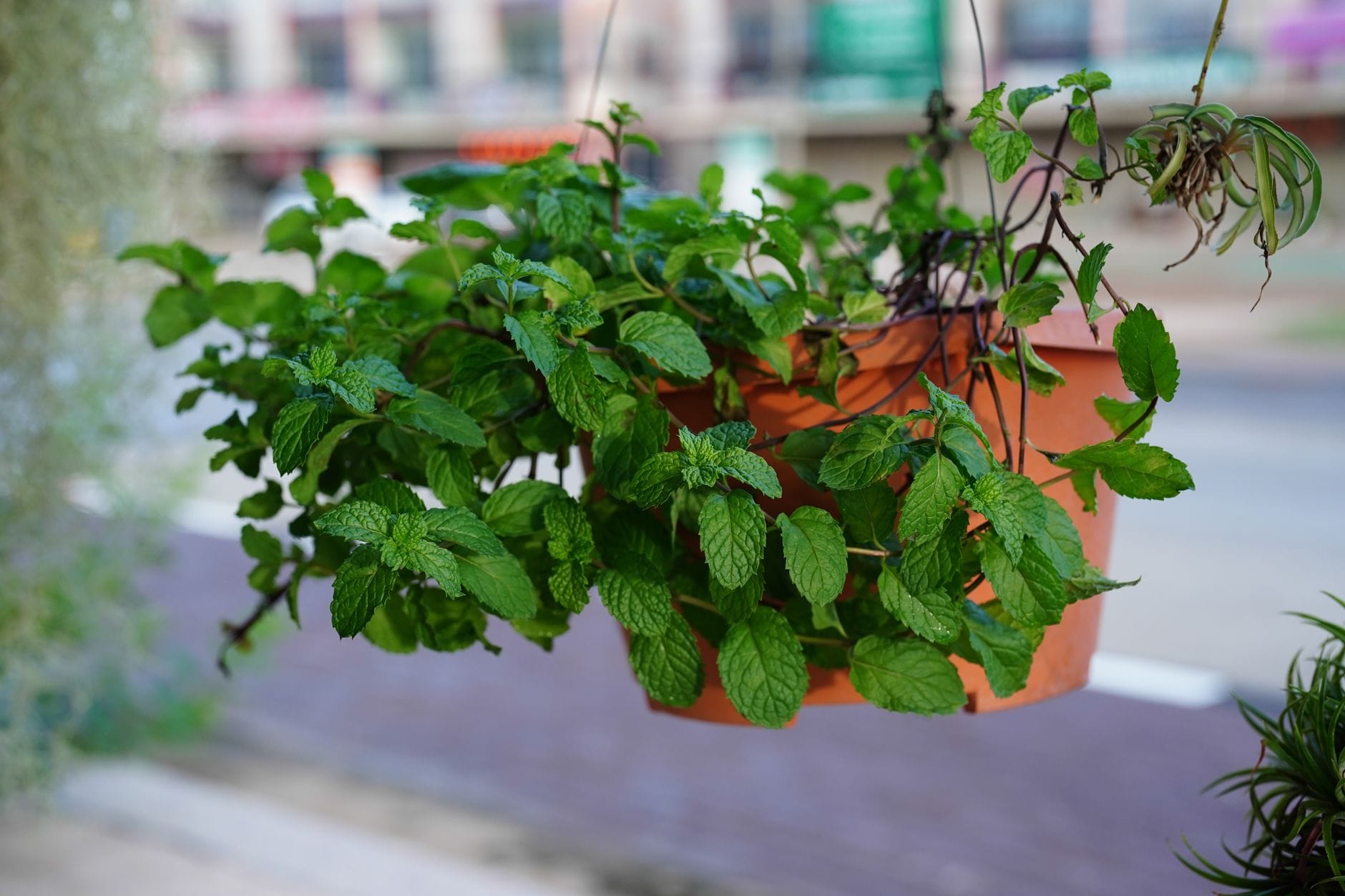
Bury a 12cm plastic pot in the spare slot, leaving 2cm proud of the soil line, and plant the mint inside it. That keeps the roots contained for good.
- 6
Slot the annuals
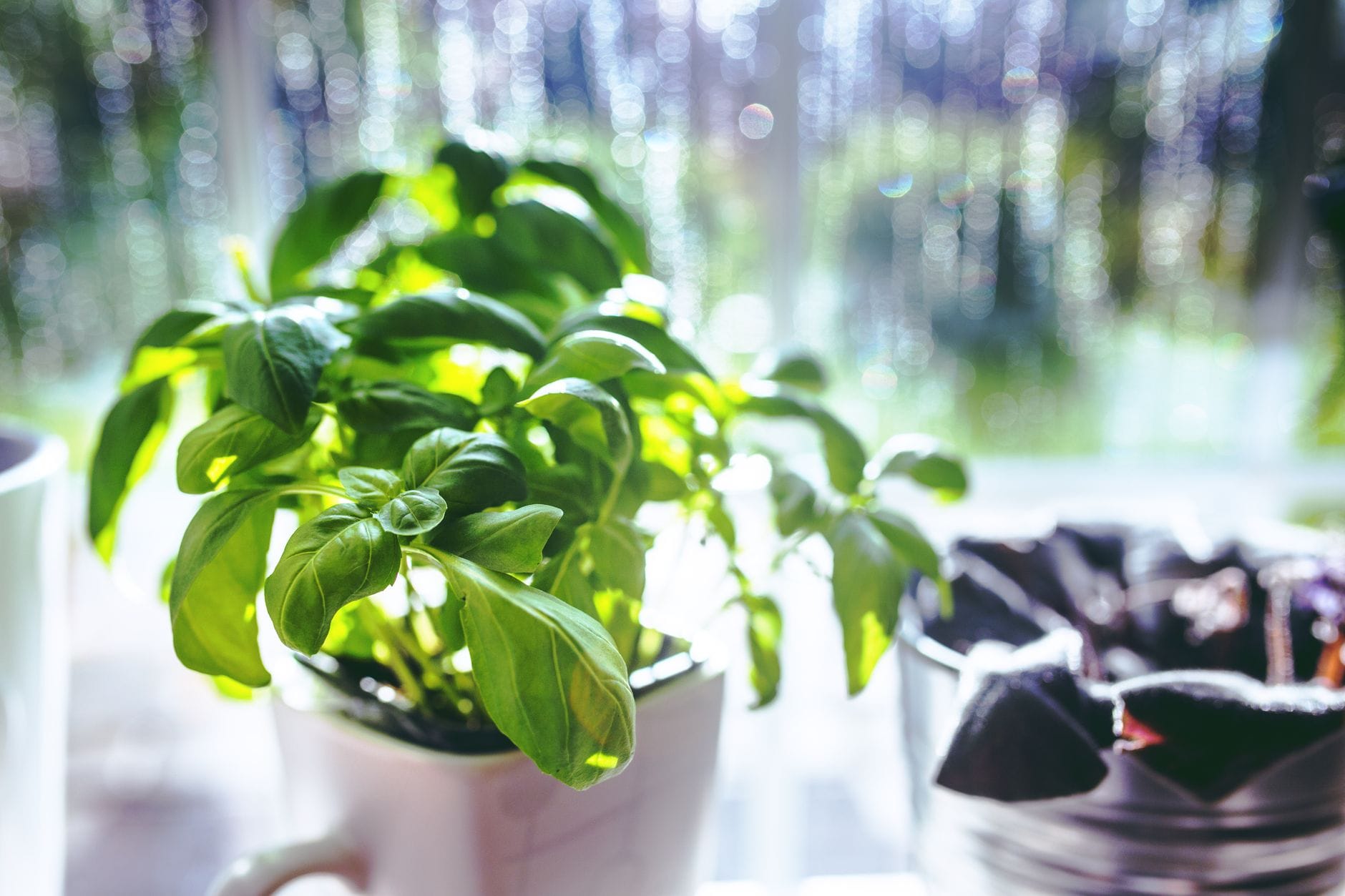
Leave a 15cm gap for basil (May to Sept) and parsley (April to Oct), and replant from seed or 9cm pots as the season turns over.
Watering through a British summer
Windowboxes dry out fast. From late June through August, check every evening. Push a finger 3cm into the compost, and water if it feels dry. The real risk is over-correcting: standing water under a windowbox will suffocate roots within days. A box with no drainage holes is a box that kills herbs, full stop.
Come winter, leave them be. UK rainfall does the work for you. If the soil looks waterlogged in February, tip the box forward 1cm. A slight tilt sheds the standing water and saves the rosemary.
Replenishment rhythm
Annuals get replanted twice a season: basil in early May from a split supermarket pot, then again in mid-July from a second one. Parsley sown in March keeps producing from April right through to October.
Perennials just want a once-a-year tidy: in late March, cut rosemary and sage back by a third, divide the chives into two clumps, replant one and pass the other to a neighbour.
Top up the box compost with 2cm of fresh peat-free compost every spring, with a sprinkle of slow-release fertiliser worked in. Don't replace the lot. Perennials hate having their roots disturbed.
Frequently asked questions
Sources
- RHS. Container growing , Royal Horticultural Society, 20 March 2025
Kit for this job (Ad)

Pelle & Sol 60L Multi Purpose Compost - Compost for Outdoor Plants & Soil for Plants Indoors - Potting Soil for Pots Plants Outdoor - All Purpose Nutrient Rich Fertiliser, Houseplant Potting Mix
Check price on Amazon →
Vegetable Seeds Variety Pack - 30 Different Varieties of Vegetables, Beans, Herbs and Tomato Seeds. Grow Indoor and Outdoor. Father's Day Gardening Gifts for Women and Men
Check price on Amazon →
Barnyard Designs Herb Pot Planter Set with Tray for Indoor Garden or Outdoor Use, Decorative White Metal Succulent Potted Planters for Kitchen Windowsill
Check price on Amazon →
Barnyard Designs Indoor Herb Garden Planter Set with Tray, Metal Windowsill Plant Pots with Drainage for Outdoor or Indoor Plants, Black, Set/3
Check price on Amazon →We may earn a small commission, at no cost to you. We only list kit we'd use.
Written by
UK Homesteading Team
Editorial team
The UK Homesteading editorial team, offering UK-specific, evidence-led guidance on growing, keeping, preserving and the law.