Right, so you fancy an allotment. Good. There are few better ways to spend a couple of hours a week than pottering about on your own patch of ground, growing food that tastes miles better than anything in a plastic tray. But the path from "I'd love an allotment" to actually standing on one, spade in hand, can be a bit murky. This guide walks you through the whole thing, including the bits that take patience.
What actually is an allotment, and how big is a plot?
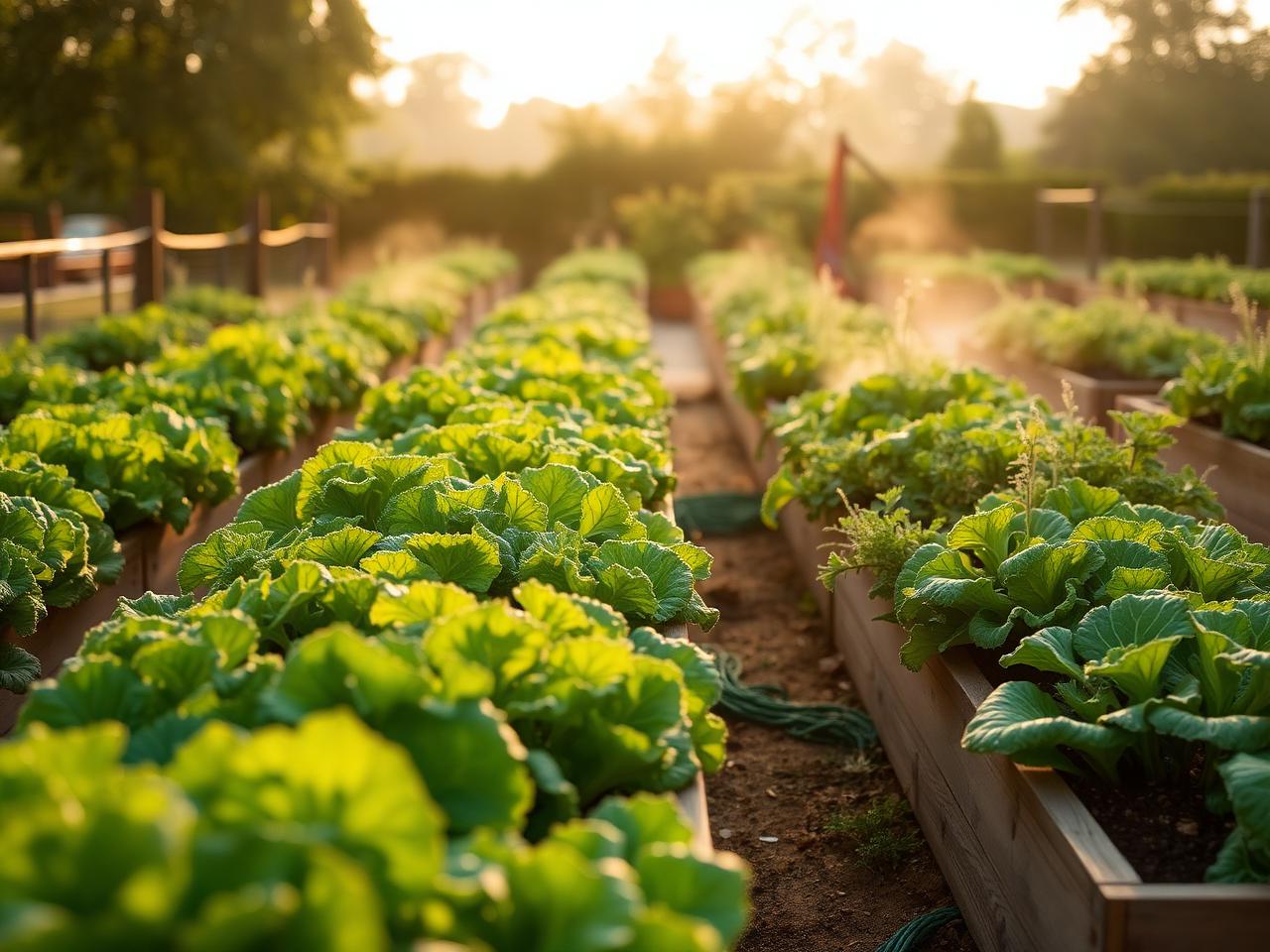
An allotment is simply a piece of land you rent, almost always from the local council, to grow fruit and vegetables for yourself and your family. You don't own it. You're a tenant, and there are rules, but the rent is low and the plot is yours to grow on for as long as you keep it going.
Size is measured in an old unit called the rod, which is a bit of Anglo-Saxon farming that has stubbornly survived into the present day. The traditional full plot is 10 rods, which works out at roughly 250 square metres. That figure isn't random. It's historically the amount of ground thought to feed a family of four for a year.
Ten rods is a lot of ground, mind. Many councils have quietly recognised this and now offer half-plots of around 125 square metres, and I'd gently steer any first-timer towards one of those. A half-plot still grows an enormous amount of food, and it's the difference between a hobby you love and a chore that defeats you by July.
A full plot can feed a family for a year. A half-plot can too, without breaking your back or your spirit in the first summer.
How do I apply for an allotment?
The starting point for almost everyone is the local council. The government's own apply for an allotment service points you straight to your council, and from there you'll either be offered a plot or, far more likely, added to a waiting list.
Councils aren't the only option, mind. In many areas you'll also find privately run sites, parish or town council plots, and sites managed by allotment associations or the church. These sometimes have shorter lists than the big council sites, so it's well worth a ring-round rather than pinning all your hopes on one place.
- 1
Find your local sites
Start with your council's website, then search for private, parish and association-run sites nearby. List every option within a sensible travelling distance, because you'll be popping down regularly.
- 2
Ask the right questions
Before you apply, ask about plot sizes offered, current rent, deposit, whether water is on site, and roughly how long the list is. A quick email saves a lot of guesswork.
- 3
Get your name on the list
Apply formally and confirm you're on the waiting list. Keep a note of your position and the date. Put your name down at more than one site if you can, to spread your chances.
- 4
Stay in touch
Lists move, people drop off, and admins appreciate applicants who reply promptly. Check in politely every few months so they know you're still keen and reachable.
- 5
Say yes, then visit
When a plot is offered, go and look before you sign. Some are pristine, some are a jungle. Either can be brilliant, but you want to know what you're taking on.
How long is the waiting list, and can I do anything about it?
Waiting times, and I won't pretend otherwise, vary wildly. In a quiet rural parish you might be handed a plot within a few weeks. In a popular town or a city, waiting lists of several years are entirely normal, and some sites openly quote five years or more.
The good news is that lists move more than people expect. Plots come up when tenants move away, lose interest, or simply can't keep up. So the trick isn't to find a shortcut, it's to be patient and be smart about how you wait.
What does an allotment actually cost?
Wonderfully little, in the grand scheme of things. Rent is usually modest, often somewhere around £20 to £100 or more a year, depending on the council, the plot size and whether water is included. Many councils charge by the square metre, so a half-plot costs roughly half what a full one does. Treat those figures as typical rather than fixed, because they genuinely differ from one council to the next.
On top of the rent, expect a small deposit, which you get back when you leave the plot in good order, and sometimes a one-off admin fee. If you're a pensioner or on certain benefits, ask about concessions, because a lot of councils offer a decent discount. All in, an allotment is one of the cheapest hobbies going, especially once it starts paying you back in courgettes.
What are the rules once I've got one?
When you're offered a plot you'll sign a tenancy agreement, and it's worth actually reading it. The basics are much the same everywhere. You pay your rent, you keep the plot cultivated, and you keep it reasonably tidy. In return you get the run of your patch for growing.
A few rules catch newcomers out. Allotments are for growing fruit and veg for your own use, not for running a business or grazing livestock beyond what the site allows. You can put up a shed or greenhouse, usually within size limits, but a shed is for tools and shelter, not for sleeping in, and it typically can't have running water or mains electricity. And no, you can't live on your allotment. That one's non-negotiable everywhere.
Water is usually provided via communal taps or troughs, with the council covering the water rates, though you'll often be asked to bring your own watering cans and use it sparingly. If any of this feels like a lot, don't worry. Most of it is common sense, and your site's committee or neighbours will happily point you right.
What's the law that says councils have to provide them?
Here's the bit that surprises people. In England and Wales, councils actually have a legal duty to provide allotments where there's demand for them. This goes back a long way, to the Small Holdings and Allotments Act 1908 and the later Allotments Act 1950, which together still shape allotment law today.
One important caveat. This legal framework applies to England and Wales. Scotland's allotment law is now largely covered by more recent legislation, and Northern Ireland differs again, so if you're in the devolved nations, check your local rules. Private and parish sites also set their own terms, which won't always mirror the council duty.
How do I tackle an overgrown plot in the first year?
Ah, the jungle. Plenty of plots are handed over waist-deep in weeds, and it's easy to panic. Don't. The single biggest mistake beginners make is trying to dig the whole thing over in one heroic weekend. You'll wreck your back, unearth a decade of buried weed seed, and lose heart by spring.
Instead, work small and work smart. Clear one bed you can actually plant this season, and cover the rest. A sheet of thick cardboard or old carpet-free membrane over the weeds, weighted down, kills off most of what's underneath over a few months without you lifting a spade. It's slower, but it's how the people with the tidiest plots got there.
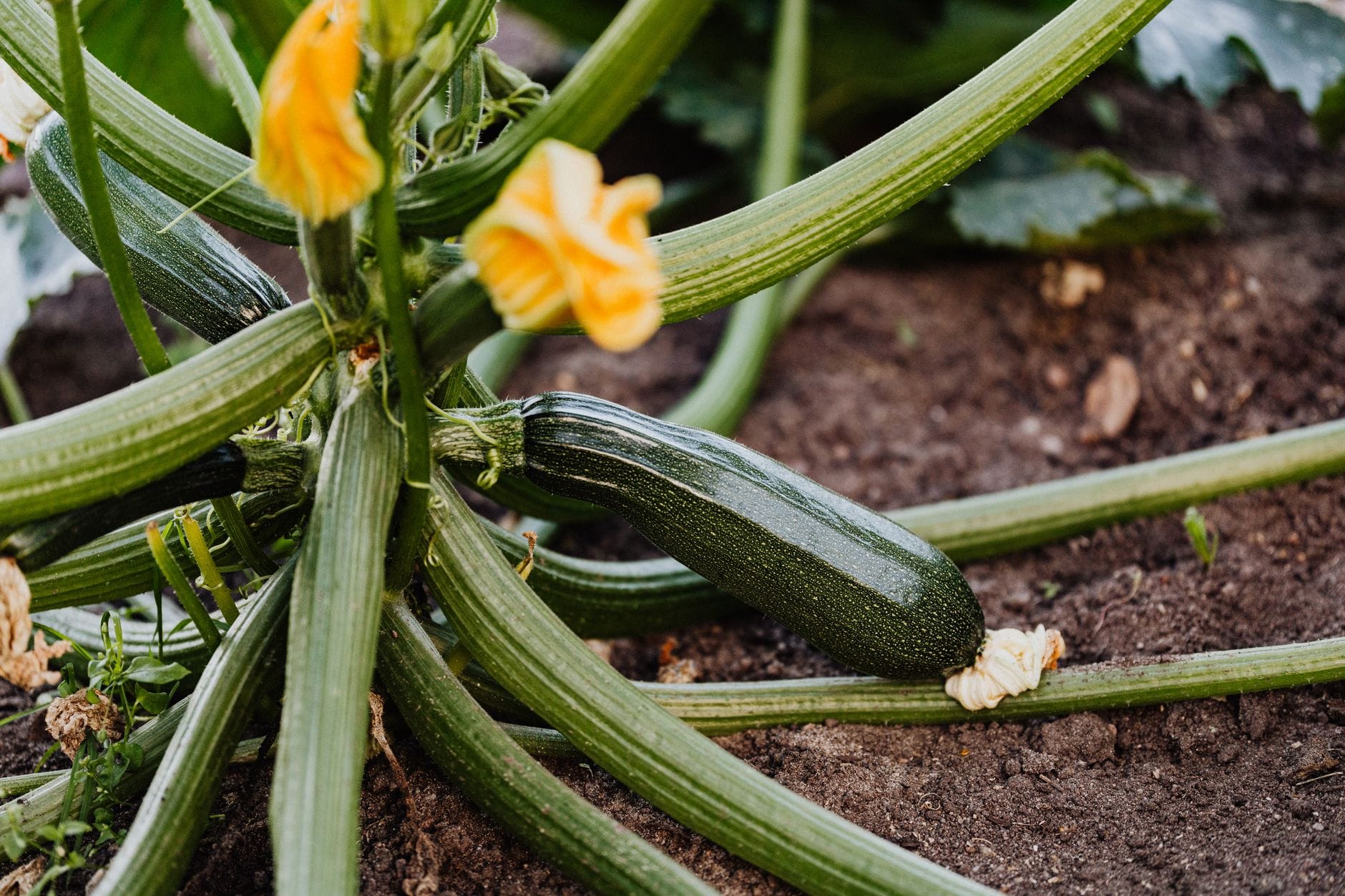
As you clear, save every scrap of green waste for a compost heap. Good soil is the whole game on an allotment, and our guide to composting in the UK will get you started properly. For year one, grow a handful of things you genuinely like eating, courgettes, beans, potatoes, some salad, and count it a win. You've got a lifetime of growing ahead of you, and the plot isn't going anywhere.
When you're ready to plan what goes where, and to dig into the rest of your growing year, head back to our Grow hub. There's plenty more waiting for you there.
Frequently asked questions
Sources
- Apply for an allotment , GOV.UK
- Small Holdings and Allotments Act 1908, section 23 , legislation.gov.uk
- Allotments Act 1950 , legislation.gov.uk
- Are There Laws Governing Allotments? , National Allotment Society
Kit for this job (Ad)

GroundMaster 1m x 10m Heavy-Duty Weed Control Membrane Woven Polypropylene Ground Cover Fabric for Gardens, Landscaping, Driveways and Patios - Easy Install Weed Membrane with Water Permeable Barrier
Check price on Amazon →
ANSIO Heavy Duty Weed Membrane 2m x 10m – Garden Weed Control Fabric, UV Stabilised Ground Cover, Breathable Landscape Fabric for Patios, Flower Beds, Driveways & Landscaping
Check price on Amazon →
Grenebo Heavy Duty Garden Tools Set, 9-Piece Stainless Steel Rust-Proof Gardening Kit with Non-Slip Ergonomic Handles & Durable Storage Tote Bag, Gardening Gifts for Women Men, Plant Tools
Check price on Amazon →
Spear & Jackson CUTTINGSET3K Kew Gardens Collection Adjustable Width Bypass & Anvil Secateur Set
Check price on Amazon →We may earn a small commission, at no cost to you. We only list kit we'd use.
Written by
UK Homesteading Team
Editorial team
The UK Homesteading editorial team, offering UK-specific, evidence-led guidance on growing, keeping, preserving and the law.