Here is the honest starting point: there is no national price list for smallholding produce. What a dozen eggs or a jar of honey fetches swings wildly by region, by quality, by whether it is organic, and above all by what your neighbours already charge. So the single best piece of advice, repeated by every seller worth listening to, is to go and buy from the other gate stalls and honesty boxes within a few miles of you before you set a single price of your own.
What this guide gives you instead of false precision is three things: indicative ranges from real 2025/26 UK listings so you know the right ballpark, a simple costing method so you stop accidentally working for free, and the round-number and bundle tricks that actually shift stock at the gate. Once you have your numbers, our companion guide on pricing for profit covers the value-based strategy that turns a fair price into a healthy margin.
What produce actually sells for (indicative 2025/26 ranges)
Use the tables below to find your ballpark, then adjust for your area and quality. Two of these categories rest on proper statistical surveys (eggs from Defra, veg from the Soil Association). The rest come from individual listings, so read them as "you will see prices like this", not as a fixed national rate.
Eggs
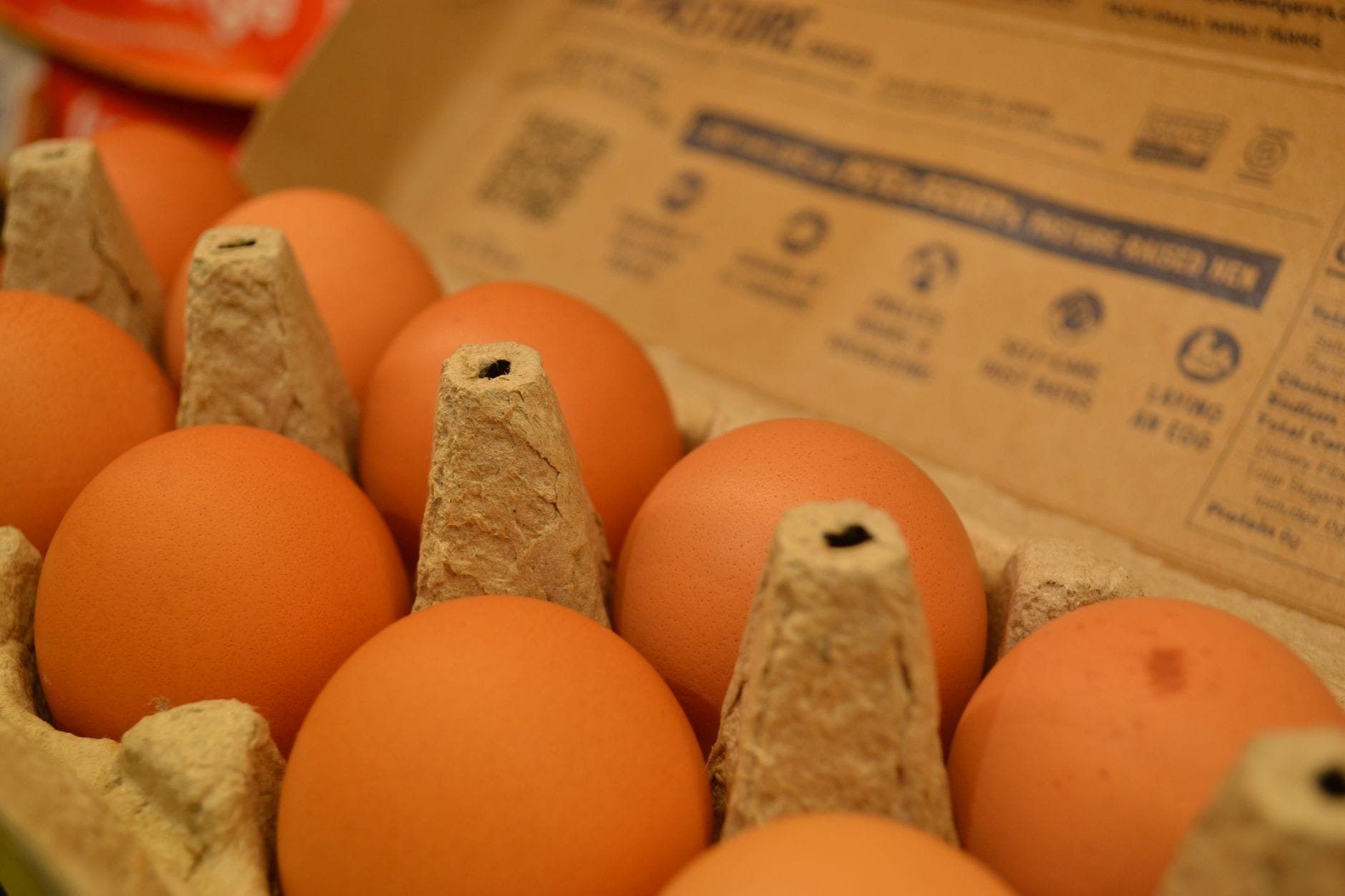
Free-range eggs at the gate typically go for the ranges below. The big lever is local supply: in areas thick with backyard hens, prices sit at the bottom of the range; where demand outstrips the number of stalls, they climb.
| Pack | Typical gate range | Notes |
|---|---|---|
| Half dozen | £1 to £3 | £1 to £1.50 in egg-saturated rural areas; up to £3 where demand is high and competition low |
| Dozen | £2 to £3.50 | Roughly double the half-dozen; presentation and reputation move it |
| Defra wholesale floor | about £1.54 to £1.62 per dozen | National farm-gate/packer price to Q1 2026. A floor sanity-check only, not what you charge a customer |
Honey
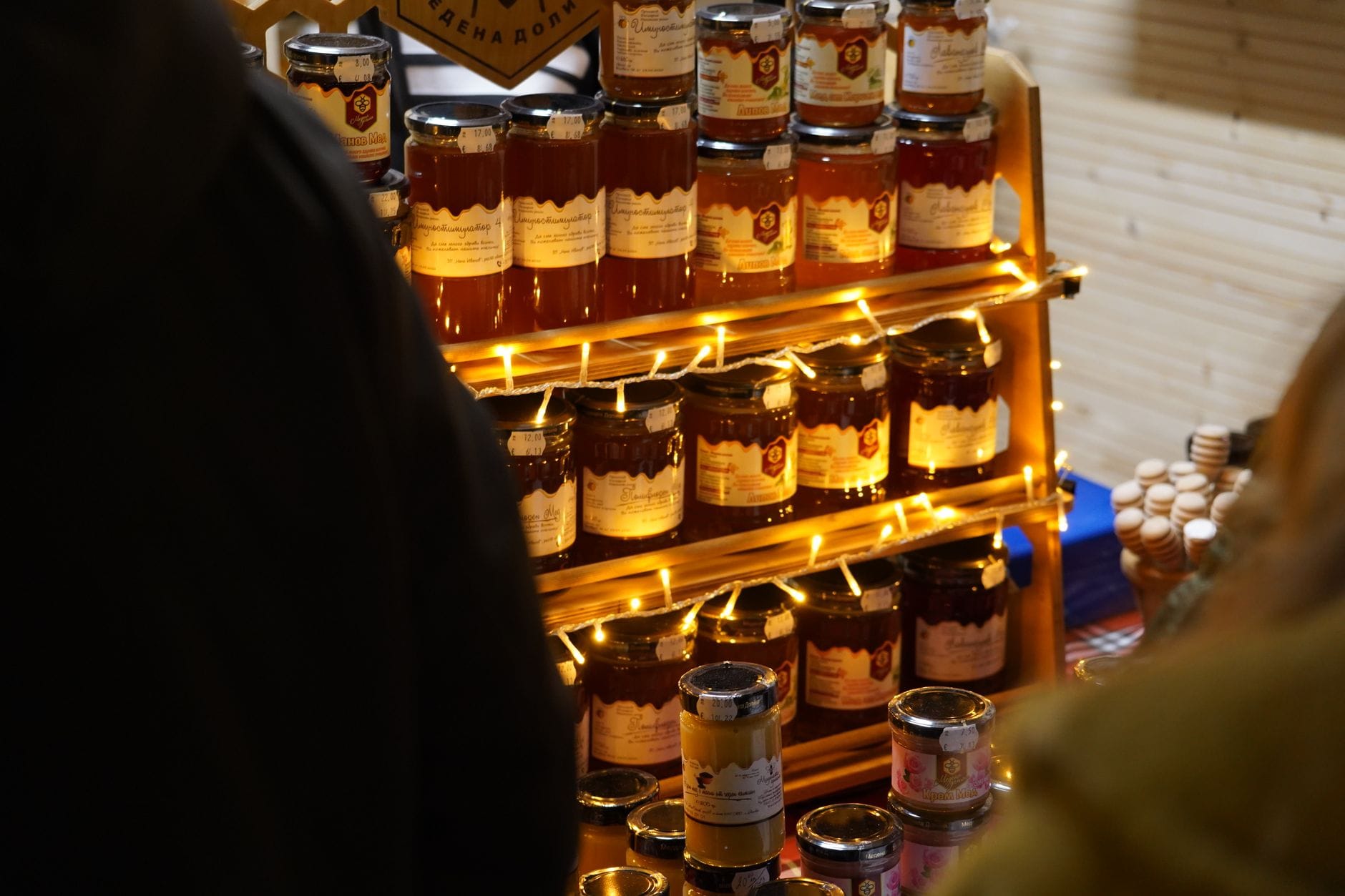
Honey holds its value well because local honey is genuinely scarce and can command a premium. The ranges below reflect real 2025/26 listings.
| Jar size | Typical range | Notes |
|---|---|---|
| 227g | £5 to £5.50 | Higher price per gram; fiddly to fill |
| 340g | £5 to £8 | A Smallholder-mag seller's 50p/oz works out at £6 for a 12oz jar |
| 1lb (454g) | £6 to £10 | Many sellers push the 1lb jar to save on filling labour |
One respected beekeeping guide reckons about £4 a jar is the lowest you should sensibly charge, with a rough ceiling of £10 for a 1lb jar at good local outlets. Remember that a shop's shelf price includes its own 20 to 30 per cent markup, so take that off to get a fair gate price.
Vegetables
There is no single "smallholder gate veg" index, so the best reference is the Soil Association's Horticultural Produce Price Data, updated weekly. A word of caution: those are organic prices, and the retail column is farm-shop retail, so a non-organic gate stall usually sits below them. Read the table as a way to find a sensible baseline, not a fixed price.
| Item | Organic retail range | Unit |
|---|---|---|
| Potatoes (general) | £1.50 to £2.60 | per kg |
| Carrots | about £3.96 | per kg (single reported value) |
| Onions | £2.20 to £4.00 | per kg |
| Courgette | £4.40 to £7.98 | per kg |
| Lettuce | £1.90 to £3.00 | per item |
| Tomatoes | £6.93 to £9.98 | per kg |
| Kale | £8.20 to £13.00 | per kg |
| Apples (eating) | £4.33 to £6.71 | per kg |
In the real world, gate veg is usually priced in simple round units rather than by the kilo, especially for a glut. One no-dig market gardener sells lettuces at £1.50 each or 2 for £2, and bunches of beetroot at £3 or 2 for £5, deliberately a little above his local competitors, and still sells out. Honesty-box gluts (a August avalanche of courgettes, say) tend to go out in round £1 or £2 lots, because nobody is weighing anything.
Plants and seedlings
This is the highest-margin thing on the stall and, oddly, the least documented, so treat these as typical and check locally.
| What | Typical price | Notes |
|---|---|---|
| Gate seedling / small plant | £1 to £3 each | The gardener's honesty-box sweet spot |
| Garden-ready tomato plant (nursery) | £5 to £10 | Commercial upper bound; a gate stall undercuts this |
The margin here is remarkable: a single packet of seeds, pricked out and potted on, can turn into around £40 of seedlings. Spring plant tables quietly outsell the egg stall in many places. If you only add one new line this year, make it plants.
Preserves (jam and chutney)
| Product | Typical price | Notes |
|---|---|---|
| Standard jar of jam or chutney | £3.50 to £6.50 | Premium, local-ingredient or gift jars command more |
| Under-priced end | around £2 | Where sellers are arguably under-pricing themselves |
The trick with preserves is that the margin is made or lost in the costing, not the headline price, which brings us neatly to the method.
The costing method: why hobby sellers under-price
Most home producers under-price, and it is almost never because the food is not good enough. It is because they guess from ingredients alone instead of costing properly. Here is the full stack:
Two lines catch everyone out.
Your time is a business input, not free. This is the single biggest under-pricing trap. Spend two hours making chutney and then charge £2 a jar, and you are earning pennies an hour. Cost your time in, even at a modest rate, or the "business" is really just an expensive hobby wearing a stall.
Margin is not greed. A profit margin is simply the money left over to fund the next batch, replace a broken pan, and grow a little. Without it, the whole thing slowly grinds to a halt.
Here is a worked example for a batch of preserves, to show how the lines add up:
| Cost line | Amount |
|---|---|
| Ingredients | £11.00 |
| Jars and lids | £8.40 |
| Labels and seals | £3.60 |
| Energy and cleaning | £2.00 |
| Market / overhead allowance | £3.00 |
| Total batch cost (12 jars) | £28.00 |
| Cost per jar | £2.33 |
| Sell at £4.95 each | turnover £59.40, gross margin about £31.40 (roughly 53%) |
A couple of sensible caveats on method. You will see a "3 times cost" rule of thumb floating about, but it is US-derived, so use it only as a rough sense-check, not a UK standard. And for veg especially, there is a pragmatic counter-view worth hearing: as a beginner, do not get so bogged down costing every seed that you never get going. Buy your seed, put produce out, track what actually sells, and only then drill into unit costs on your winners.
Pricing tricks that actually sell at the gate
Once you have a fair cost-based price, a few small tactics move stock.
- Round numbers win at a cash box. £1, £2, £3, £5. Customers rarely carry change, so "£2.70" becomes £2.50 in the tin. Round prices also make multi-item maths easy. (With card or QR payment this matters far less, because the customer types the exact amount.)
- Bundle to drive volume and clear gluts. "2 for £2" lettuces, "beetroot £3 or 2 for £5", "one honey £8, two for £15". A multi-buy holds a higher headline price while shifting more stock.
- Anchor to quality, not the supermarket. Find a high-end local outlet selling comparable produce, take off its roughly 20 to 30 per cent shop markup, and you have a fair gate price. Do not benchmark against the 99p blended honey or the loss-leader spuds. That is a different product for a different shopper.
- Mind the jar-size trade-off. Small jars earn more per gram but are, as beekeepers grumble, a pain to fill. Many sellers push the 1lb jar to save the labour.
- Consider jar deposits. Offering 25 to 40p back on a returned jar trims your packaging cost and, better still, gives the customer a reason to come back.
The honesty-box reality
A lot of gate selling runs on trust and a tin, and it holds up better than you would think, especially on a quiet rural lane. A few things make it work:
Running an honesty box that works
- 1
Do a risk assessment first
Before you site a stall, think through where it goes, how visible it is, and how cash could go astray. Sensible siting is most of the battle.
- 2
Put out a little, top up often
Stock lightly (around half a dozen honey jars, say) and collect the cash daily rather than leaving a full float and a full display out overnight.
- 3
Make paying easy and honest
Leave change in the tin, use clear signage and arrows, and add tamper-proof labels. A taster sample sells more than any sign.
- 4
Cover and protect the display
Keep produce covered from weather and prying paws, and label everything clearly with prices so there is no ambiguity at the point of paying.
Shrinkage tends to be low in quiet spots (the honesty genuinely holds up), though a stall on a busy main road is a different risk. Think of the mix by its job: eggs are the anchor that brings weekly regulars, plants are where the margin is, and pumpkins, frankly, are for glory. The best market research you can do is to buy from the other boxes near you and see what they charge.
Before you set your prices: a quick checklist
- Go local first. Buy from the gates, stalls and boxes within a few miles of you and note their prices. This beats any national figure in this guide.
- Cost the full stack. Ingredients plus packaging plus labels plus energy plus your time plus overhead plus margin. Do not skip your time.
- Sense-check against the ranges above, remembering they are indicative, that veg data is organic retail (so aim below it), and that the Defra egg figure is a wholesale floor, not a gate price.
- Anchor to a good local outlet minus its markup, never to the supermarket loss-leader.
- Use round numbers at a cash box, and bundle to clear gluts.
- Do not undercut your neighbours, and let your prices rise with inflation.
- Sort the legal side (food business registration, egg and labelling rules, and tax) via the law-page links above before you trade.
Prices shift by season, region and year, so treat every number here as a starting point and check current local prices before you commit. The stall down the lane is your best price guide there is.
Frequently asked questions
Sources
- Quarterly UK statistics about eggs (data to Q1 2026) , GOV.UK (Defra)
- Horticultural Produce Price Data , Soil Association
- Honey pricing (method; figures date from 2019 and are noted as out of date) , The Apiarist
- How to sell honey and other homegrown produce at the gate , Smallholder magazine / South West Farmer
- How to price market garden produce , Brimwood Farm
- How to make money selling homemade jam and chutney , MoneyMagpie
- How to price your homemade preserves for profit , Author Carl
- What can you sell in an honesty box? , HonestyBox
Kit for this job (Ad)

G2PLUS Kraft Paper Gift Tags - 100PCS Large Plain Gift Tags - 5x10CM Brown Blank Labels with String for Presents, 300g/m²
Check price on Amazon →
G2PLUS Brown Gift Tags with Heart, 100PCS Blank Paper Tags with String, 4.5cm x 9.5cm Large Gift Labels for Wedding Favors, Presents, 300g/m²
Check price on Amazon →We may earn a small commission, at no cost to you. We only list kit we'd use.
Written by
UK Homesteading Team
Editorial team
The UK Homesteading editorial team, offering UK-specific, evidence-led guidance on growing, keeping, preserving and the law.