"Non-toxic cookware" is a shop's phrase, not a British Standard. Nobody hands out a certificate for it. So the useful question isn't "is this labelled non-toxic", it's "does this pan shed anything into my dinner I'd rather not eat, and does it do that in normal use". Ask it that way and the answer turns out to be refreshingly old-fashioned: the plain, uncoated pans a homestead kitchen has always relied on are the inert, repairable, buy-them-once choice, and the coated convenience pans are where the genuine question marks sit. Here's the honest breakdown.
What actually makes cookware "non-toxic"?
For bare metals, the honest answer is: not much to worry about. Stainless steel, cast iron and carbon steel are inert. They release tiny amounts of metal into very acidic, long-cooked food, but for most people that's trivial. The real question marks sit with two things only: coatings that can break down if you abuse them, and glazes that can carry heavy metals if they're cheaply made. Get those two right and you've handled almost all of it. The Food Standards Agency's Committee on Toxicity keeps an eye on the "forever chemicals" (PFAS) family, and the direction of travel there is towards tighter rules, not looser.
Cast iron and carbon steel: the honest workhorses
If you want one type of pan to hand down to your grandchildren, it's these. Both are just iron and a bit of carbon, seasoned with a baked-on layer of oil that gives them their slip. No coating to scratch, no mystery chemistry.
Cast iron is heavy, holds heat brilliantly, and is unbeatable for searing, slow braises and anything that starts on the hob and finishes in the oven. It does leach a small amount of iron into your food, more so with wet, acidic dishes like a tomato ragu, which for most people is harmless and a minor plus. The one genuine exception: if you have haemochromatosis or another iron-overload condition, have a word with your GP, because you may want to lean on stainless or enamel-lined pans instead.
Carbon steel is cast iron's lighter, nimbler cousin, the pan of the chippy and the Chinese kitchen. It seasons the same way, heats faster, and is far easier to lift with one hand.
Buying in the UK is easy and cheap. A plain cast-iron skillet or a carbon-steel frying pan can be had for well under £30, and the budget ones cook just as well as the pricey names. You're paying for finish and brand, not for a safer pan.
Stainless steel: the safe all-rounder
If cast iron feels like a commitment, stainless steel is the low-drama option. It's inert, dishwasher-friendly, doesn't rust, handles acidic sauces without a grumble, and there's nothing to wear out. For sauces, boiling, steaming, browning mince and general knocking about, it's the pan we reach for most.
Stainless can release very small traces of nickel and chromium, a touch more when it's brand new or when you simmer something acidic for a long time. For the overwhelming majority of people this is a non-issue. If you have a diagnosed nickel allergy you might notice it with very acidic, long-cooked dishes, in which case cast iron or enamel is a simple swap.
Look for "18/10" or "18/8" stainless, which signals a decent grade, and a tri-ply pan (stainless with an aluminium core for even heat) is a buy-it-once purchase. You can spend £150 on a famous name, but solid UK-available own-brand tri-ply cooks beautifully for a fraction of that.
The safest pan in your kitchen is usually the one you already own and know how to use well.
Ceramic and enamel: lovely, with a couple of caveats
Two different things share this shelf, so let's separate them.
Enamel-coated cast iron, the classic French casserole in a cheerful colour, gives you cast iron's heat retention with a smooth, acid-friendly glass surface and no seasoning faff. Made by a reputable brand it's a genuine keep-for-life piece. The caveat is chips: once the enamel cracks or flakes, retire it from cooking acidic food, and be wary of very old or cheap imported pieces with bright glazes.
Ceramic non-stick is a different animal. These pans have a thin sol-gel coating that's PTFE-free and PFAS-free, which is exactly why people like them. The trade-off is lifespan: that coating wears down over a year or two and loses its slip, so you replace it more often than a bare-metal pan. Nothing dangerous, just less thrifty, and still a coating destined for landfill.
The one real thing to watch across all glazed and painted ceramics is heavy metals. Lead and cadmium can turn up in cheap, old, hand-painted or brightly coloured glazes, especially deep reds, oranges and yellows, and they migrate more into acidic food and drink. The fix is simple: buy pieces made for cooking from brands that test to UK and EU migration limits, keep decorative market-stall pottery for display, and stop using anything cracked or chipped.
Where non-stick really sits
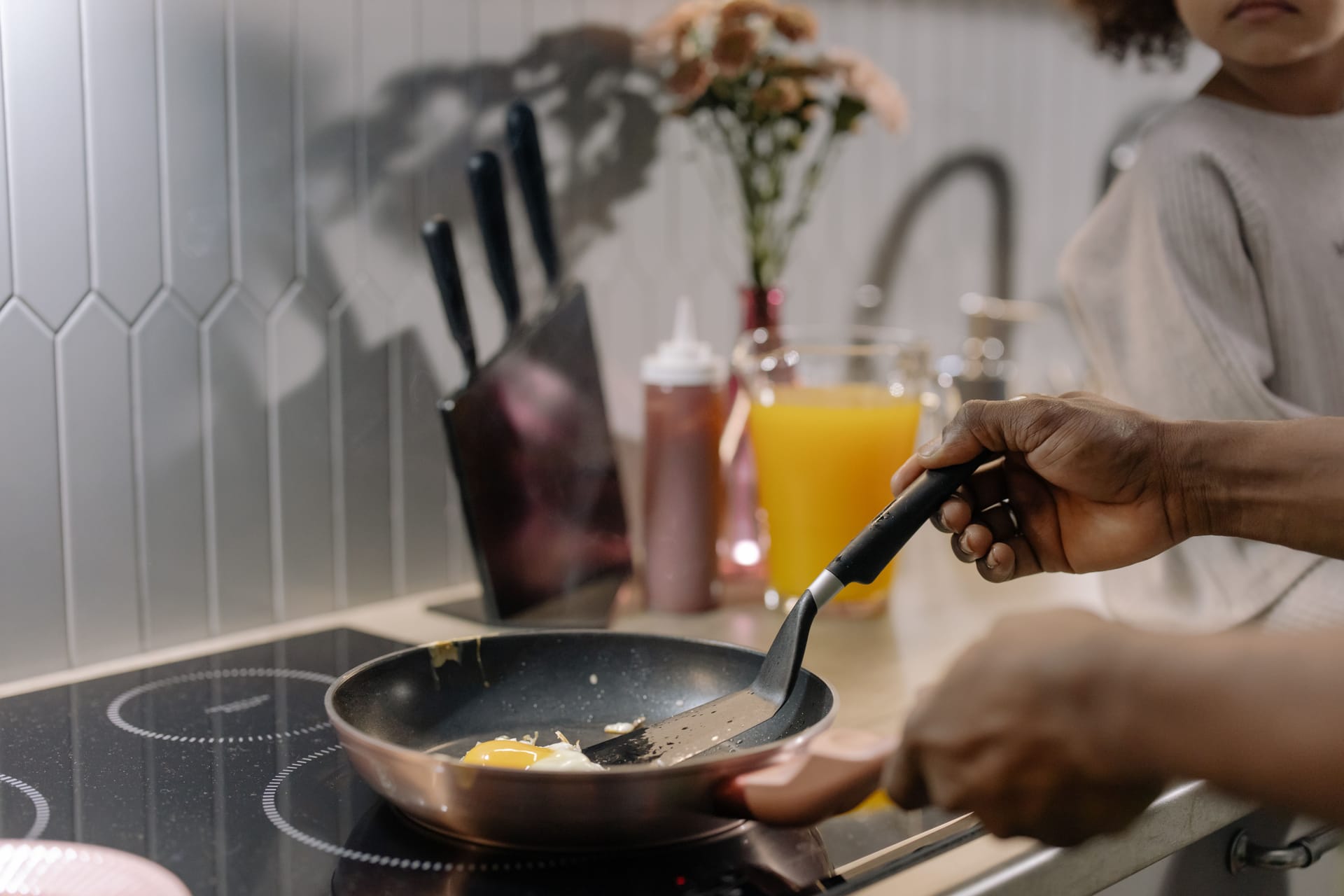
This is where the worry usually lives, so let's be fair and precise. Classic non-stick is PTFE (often sold as Teflon). The genuinely nasty chemical people remember, PFOA, was used to make it years ago and has been banned across the EU and UK since 2020, so modern pans are PFOA-free. PTFE itself is stable and inert at normal cooking temperatures; it only breaks down when seriously overheated, from around 260°C, and gives off more fumes the hotter it gets, which an empty pan on a high hob can reach in minutes. Those fumes cause a temporary flu-like illness in people and readily kill pet birds.
So a careful, modern pan won't poison your dinner, and we won't pretend it will. But two honest points remain. PTFE is itself part of the PFAS "forever chemicals" family, and "PFOA-free" is not "PFAS-free"; UK regulators are still reviewing PFAS and a cross-party group of MPs has urged the Government to phase these chemicals out of non-essential products like cookware. And non-stick is, by design, a disposable surface that scratches, wears and ends up in landfill. We go into the full, sourced picture in our guide to whether non-stick pans are toxic. The short version: not dangerous in careful use, but a needless, throwaway risk when durable uncoated pans do the job better.
What should you buy first on a budget?
You do not need a matching set, and you certainly don't need the expensive "wellness" brands. Spend where it counts.
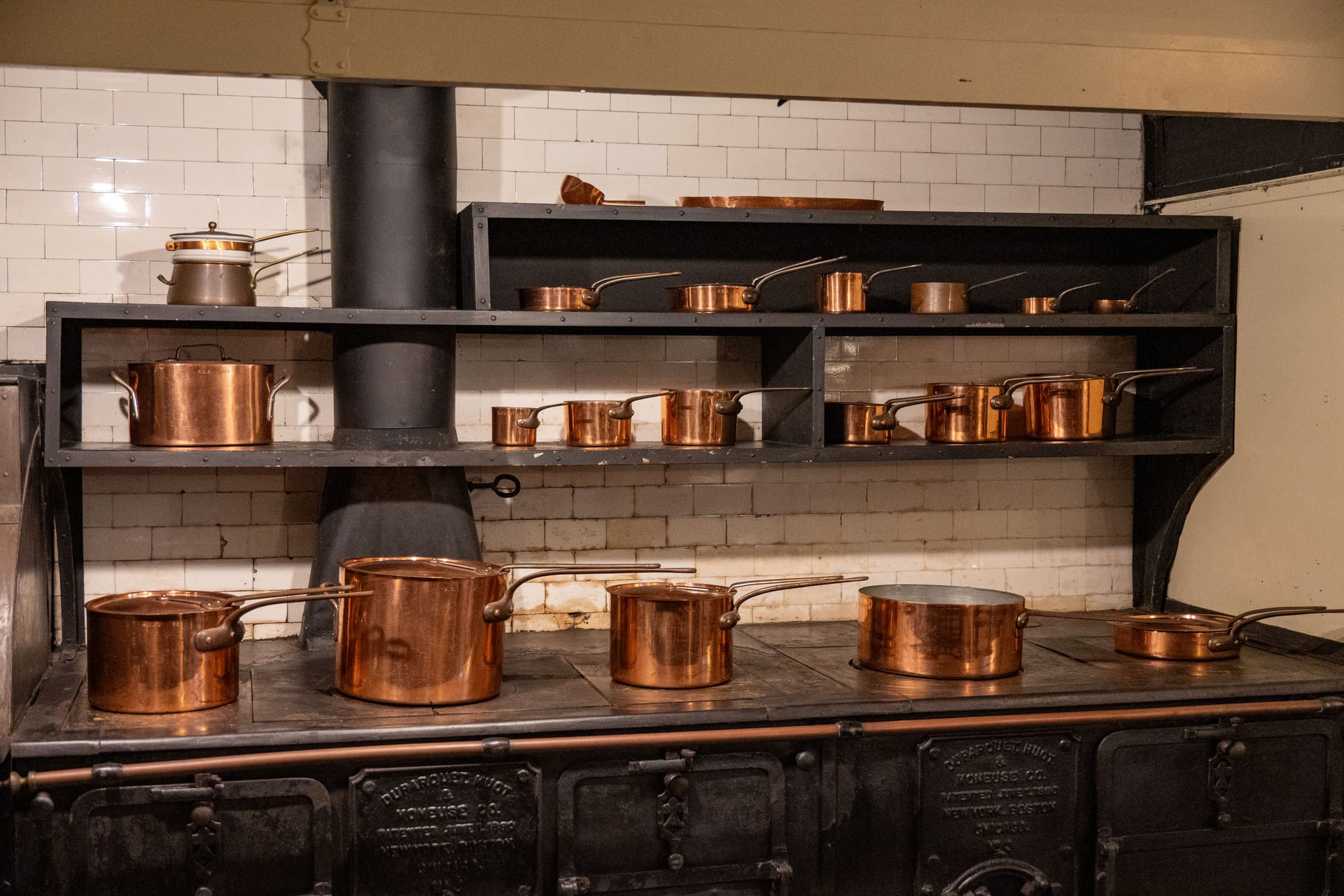
If you're starting from nothing, two pans cover almost everything: one good stainless-steel pan for sauces, boiling and browning, and one cast-iron or carbon-steel frying pan for searing, eggs and everyday frying. Both can be bought new for well under £30 each in the UK, and both will still be going strong in twenty years. Add an enamel casserole when the budget allows, and if you get the cooking bug, our guide to copper cookware covers the premium end. Keep a single non-stick pan if you love a tidy omelette, and simply treat it as a consumable you'll replace every few years.
That's genuinely it. Non-toxic cookware isn't about buying more, or buying "wellness". It's about buying the old, inert, repairable materials once, and cooking with a bit of common sense.
This guide is general information, not medical advice. Bare metal cookware (stainless steel, cast iron, carbon steel) and enamel or lined pans from reputable makers are safe for normal cooking; a modern non-stick pan in careful use is not a poisoning risk. The points made here about PFAS are precautionary and environmental. If you have haemochromatosis, a nickel allergy or another relevant condition, speak to your GP about which materials suit you. Facts here draw on the Food Standards Agency's Committee on Toxicity, the UK Parliament and veterinary sources listed above. Last checked July 2026.
Frequently asked questions
Sources
- Committee on Toxicity (reviews PFAS in food and consumer products) , Committee on Toxicity, Food Standards Agency
- MPs urge phase-out of PFAS in cookware , Environmental Audit Committee, UK Parliament
- Teflon (PTFE) poisoning in birds , VCA Animal Hospitals
Kit for this job (Ad)

Lodge Pre-Seasoned Cast Iron Skillet for Indoor and Outdoor Use. Induction Frying Pan. Oven, Grill and Metal Utensil Safe Skillet Frying Pan with Pouring Lips. Made in the USA. 26 cm/10.25 inch
Check price on Amazon →
Lodge L10SK3ASHH41B Cast Iron Skillet, Pre-Seasoned, 12-inch by Lodge
Check price on Amazon →
Blackstone 4114 Griddle Seasoning and Cast Iron Conditioner, 6.5 Ounce
Check price on Amazon →
De Buyer Mineral B Black Iron Induction Frying Pan 20 cm, Size: 200(Ø)mm. Material: Blue Steel, Induction Compatible, Beeswax Coating, Suitable for all Cooking Surfaces, DN896
Check price on Amazon →We may earn a small commission, at no cost to you. We only list kit we'd use.
Written by
UK Homesteading Team
Editorial team
The UK Homesteading editorial team, offering UK-specific, evidence-led guidance on growing, keeping, preserving and the law.