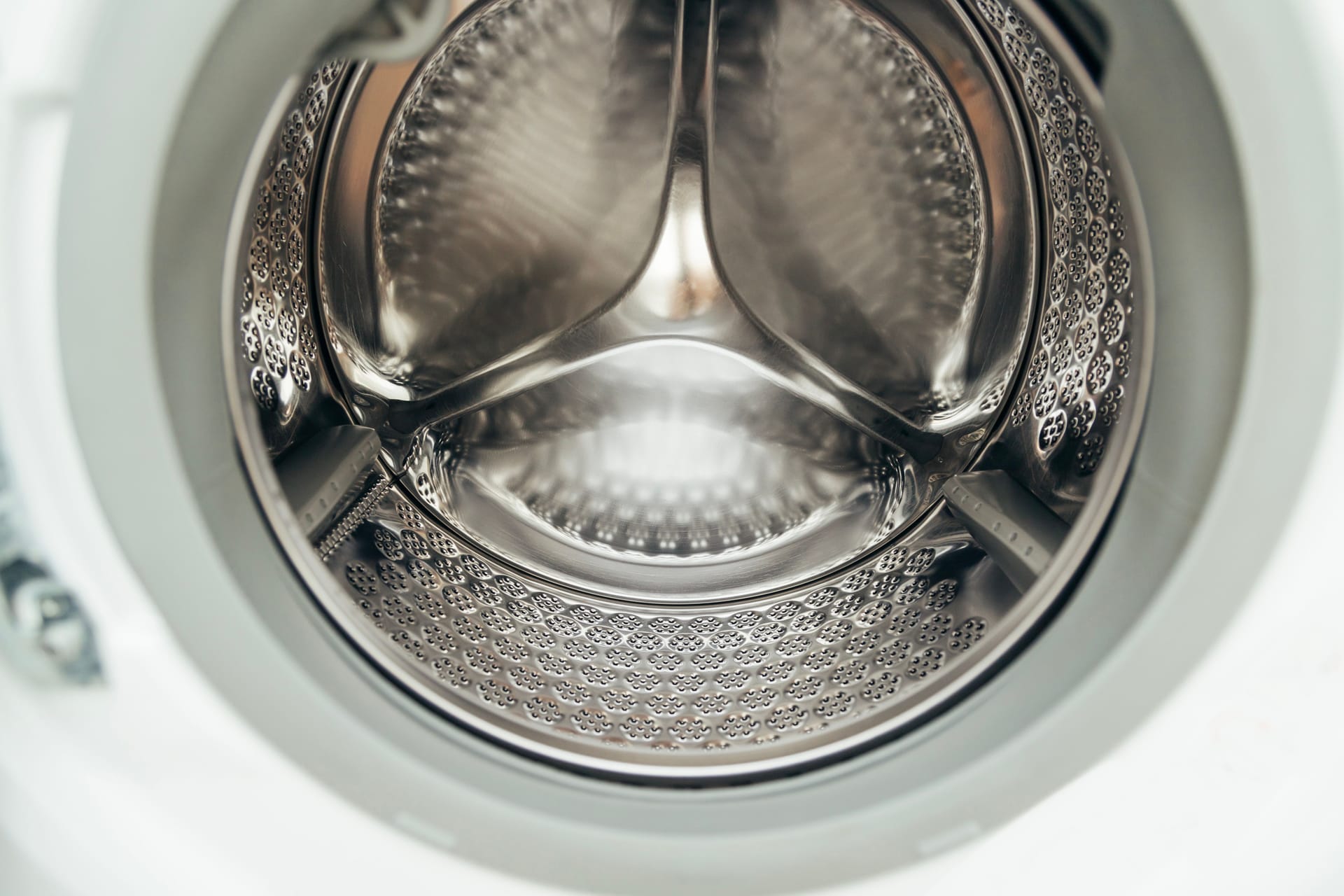
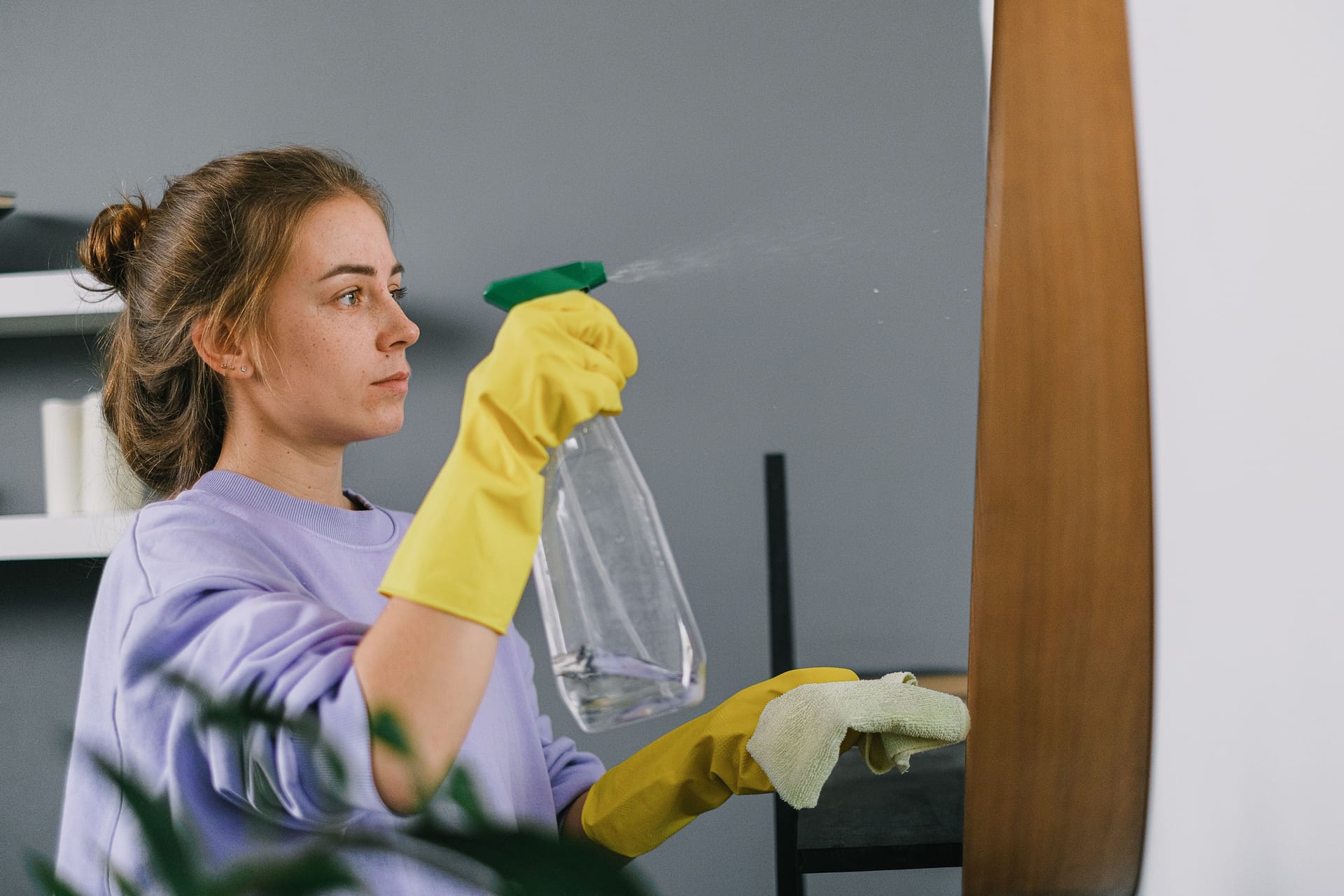
A dishwasher that has gone greasy, smelly or cloudy with limescale is rarely on its way out. Nine times out of ten it is simply a machine that cleans everything except itself, and a filter that has quietly filled up with food. The good news is that you almost certainly already own everything you need to fix it: an old toothbrush, a bottle of white vinegar or a tub of citric acid, and a box of bicarbonate of soda (known as baking soda in the US). No specialist gadgets, no harsh chemicals, and no need to call anyone out.
This guide walks through the full natural clean in the order that actually works, starting with the one step that matters most. First, a quick word on why dishwashers get into a state in the first place.
Why dishwashers get greasy, smelly and limescaled
Three things gang up on a dishwasher over time.
The first is food debris. Every cycle rinses bits of food off your plates, and most of it ends up caught in the filter at the bottom of the machine. Left there, it turns into a warm, damp, greasy sludge that is the number-one cause of a smelly dishwasher and dishes that come out gritty.
The second is grease and biofilm. Fats from plates and pans coat the inside of the tub, the door and the seals, and bacteria colonise that greasy film. This is the slightly sour, stale smell you get when you open the door, and no amount of air freshener fixes it because the cause is the film itself.
The third, in much of the UK, is limescale. Hard water leaves behind calcium carbonate, the same chalky scale that furs up your kettle. In a dishwasher it shows up as a cloudy, gritty coating on the heating element, the spray arms and your glasses. If you want the background on the mineral itself, see our guide to removing limescale around the home.
Deal with all three and the machine comes back to life. Here is how, step by step.
The full natural clean, step by step
Do this with an empty machine, ideally after a cycle when it is due to be unloaded anyway. Always check your manufacturer's handbook first, as some machines have fixed spray arms or a recommended self-clean setting.
Clean your dishwasher naturally
- 1
Clean the filter (the key step)
Pull out the lower rack. In the floor of the machine, towards the front and centre, you will see a round filter. Twist to unlock it and lift it out (some just pull straight up - check your handbook). Take it to the sink and scrub it inside and out with an old toothbrush under the hot tap, with a drop of washing-up liquid. Filters often come apart into two pieces, so clean each. Lift out the metal mesh underneath and scrub that too. Rinse, then refit and lock everything back.
- 2
Wipe the door, seals and edges
The inside of the door and the rubber seal around it never get properly rinsed during a normal cycle, so grease and crumbs collect there. Wipe them with a damp microfibre cloth and a little washing-up liquid. Get right into the folds of the seal and along the bottom edge of the door where gunk hides. Do not use vinegar or bleach on the rubber (more on that below).
- 3
Unclog the spray arms
The spray arms are the spinning bars that fling water around. Their little holes clog with debris and limescale, which is why plates come out half-washed. If your model lets you unclip the arms, take them off; if not, leave them in. Poke each blocked hole clear with a cocktail stick or toothpick, then rinse the arm and refit. A quick spin by hand should feel free.
- 4
Run an empty hot cycle with white vinegar (or citric acid)
Stand a heatproof bowl holding about 500ml of white vinegar on the top rack, add nothing else, and run the hottest cycle with no detergent. The mild acid cuts grease and shifts light limescale. In a hard-water area, use citric acid instead: three to four tablespoons of the powder in the base, or split between two bowls on the racks, on a long hot cycle. Take care lifting the bowl out afterwards, as it fills with scalding water.
- 5
Deodorise with bicarbonate of soda
Once the acid cycle has finished, sprinkle a couple of tablespoons of bicarbonate of soda across the base of the empty machine and run a short hot rinse. This neutralises any lingering odour and leaves everything fresh. Run the vinegar or citric-acid cycle and the bicarb cycle separately, not together, so each does its job.
That is the full clean. For a persistently stubborn or long-neglected machine, you can repeat the acid cycle, but if it still will not come clean a proprietary dishwasher cleaner is a perfectly sensible next step and no failure of principle.
The honest bit: vinegar, citric acid and your seals
White vinegar and citric acid both work because they are mild acids, and limescale is alkaline, so the acid dissolves it. But there is a real nuance worth being straight about, because the internet tends to gloss over it.
One firm safety rule sits alongside this. Never mix an acid like vinegar with a bleach-based or chlorine cleaner, in the dishwasher or anywhere else, because the reaction releases toxic chlorine gas. If you have used any bleach product in the machine, run it clear with plain water before you go anywhere near vinegar. And as a separate point, do not use bleach to clean a stainless-steel dishwasher interior, as it can corrode the metal.
The same acids do the same job elsewhere in the kitchen. If your kettle is furred up, the method is close to identical, and our guide to descaling a kettle walks through it.
Don't forget the salt and rinse aid
This is the step most people skip, and in a hard-water area it matters as much as any scrub.
Dishwasher salt goes into a reservoir in the base of the machine. It regenerates the built-in water softener, which stops limescale forming on the heating element and on your glasses in the first place. It must be proper granular dishwasher salt, never table salt, and "salt action" all-in-one tablets do not replace it. Keep the reservoir topped up and you prevent scale rather than having to fight it.
Rinse aid helps water sheet off your dishes at the end of the cycle so they dry without spots and streaks. You can use a shop-bought rinse aid, or white vinegar in the rinse-aid compartment does a similar job of keeping glasses clear. Topping these up will not clean the machine on its own, but it keeps it performing and keeps limescale down between deep cleans.
Keeping it clean: simple prevention
A little routine means you rarely need the full deep clean.
- Scrape, don't fully rinse. Modern detergents are designed to grip and break down food soil, so a spotlessly pre-rinsed plate can actually wash up worse, as well as wasting water. Scrape the big bits into the bin or compost and load as is. Just keep pips, stickers and small scraps out, as they jam filters and drains.
- Clean the filter weekly. The two-minute habit that prevents most smells and poor results. Rinse it under the tap and give it a proper scrub monthly.
- Run hot cycles. An occasional hot programme keeps grease from building into a film. Cool eco cycles are fine for everyday washing, but the machine benefits from the odd hot run.
- Leave the door ajar to dry. Cracking the door open after a cycle lets the inside dry out instead of sitting warm and damp, which is what breeds that stale, sour smell.
- Wipe the seals when you notice food. A quick wipe of the door edge and seal whenever you spot crumbs stops gunk ever accumulating.
Do those five things and your dishwasher stays fresh, drains properly and lasts longer, on nothing more than a toothbrush, some vinegar or citric acid, and a box of bicarb.
Always follow your dishwasher manufacturer's care instructions first, as some machines have fixed spray arms or a recommended self-clean programme. This guide reflects widely recommended UK practice and was last checked in July 2026.
Frequently asked questions
Sources
- How to deep-clean a dishwasher - top tips from the experts , Good Housekeeping UK (Good Housekeeping Institute)
- How do I clean my dishwasher with white vinegar, citric acid and liquid soda crystals? (FAQs) , Dri-Pak (UK cleaning-products manufacturer)
- How to use citric acid to remove limescale in your home , Hard Water Home
- I cleaned my home with citric acid - here's what happened , Good Housekeeping UK
Written by
UK Homesteading Team
Editorial team
The UK Homesteading editorial team, offering UK-specific, evidence-led guidance on growing, keeping, preserving and the law.