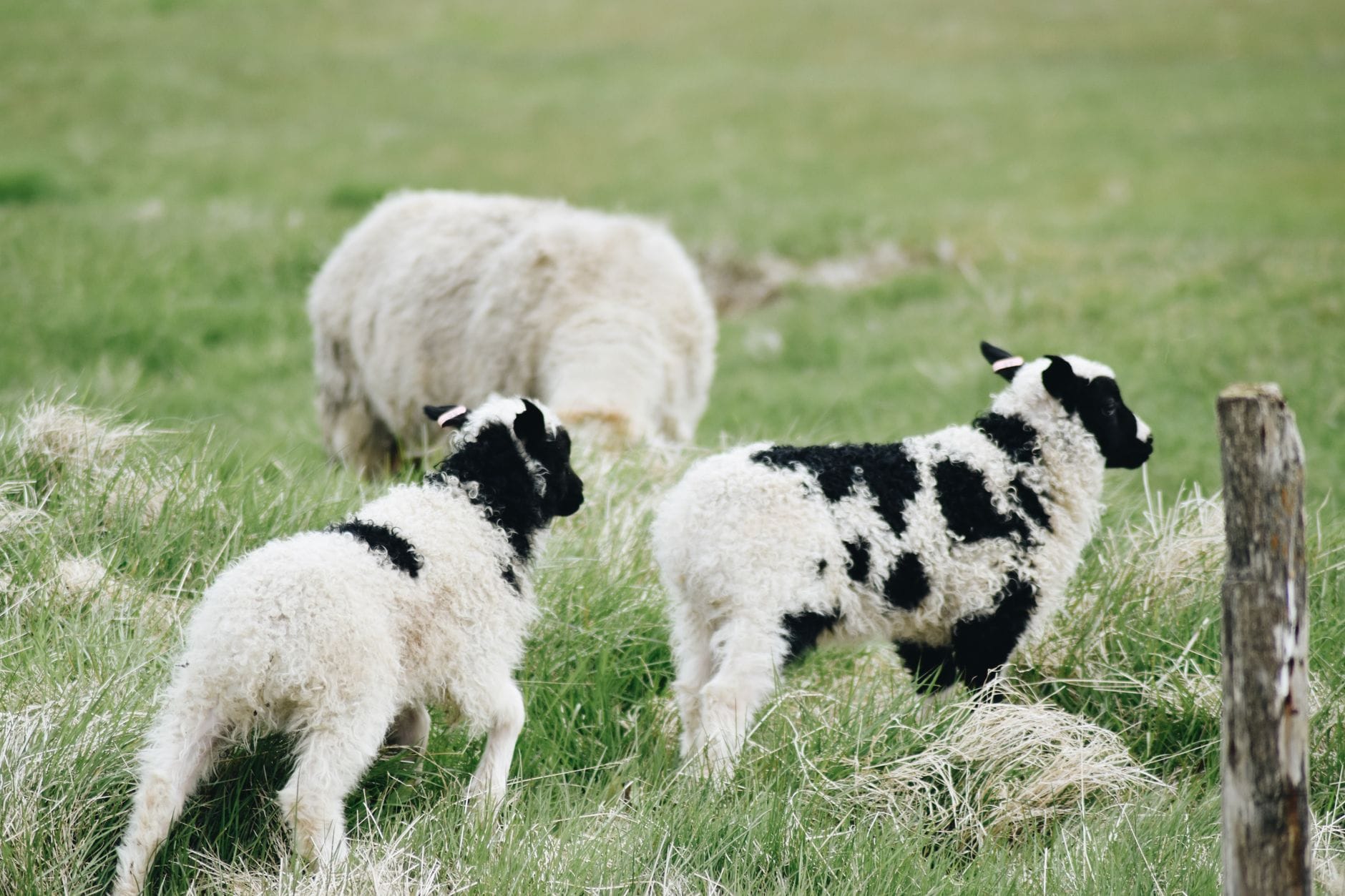
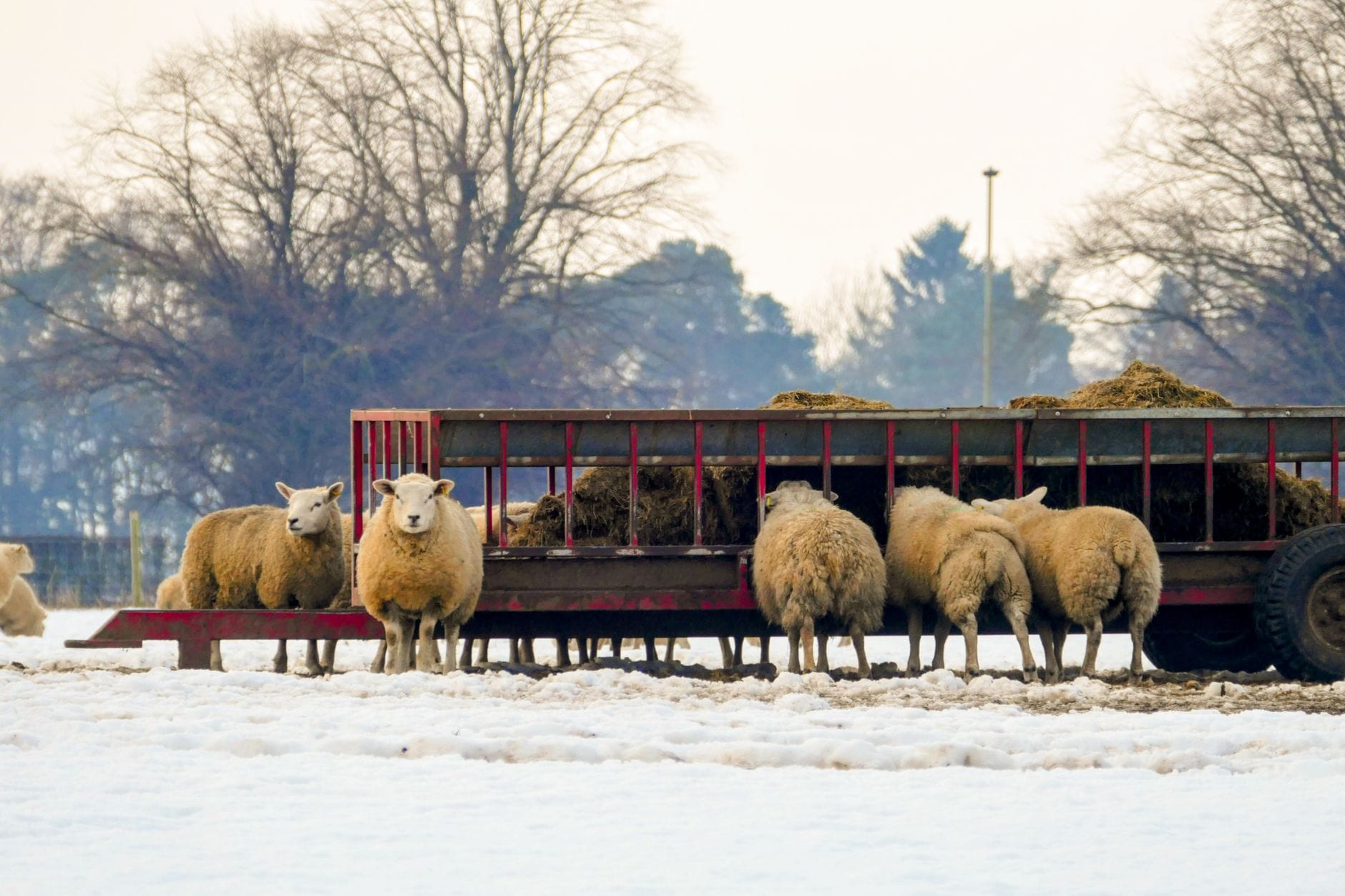
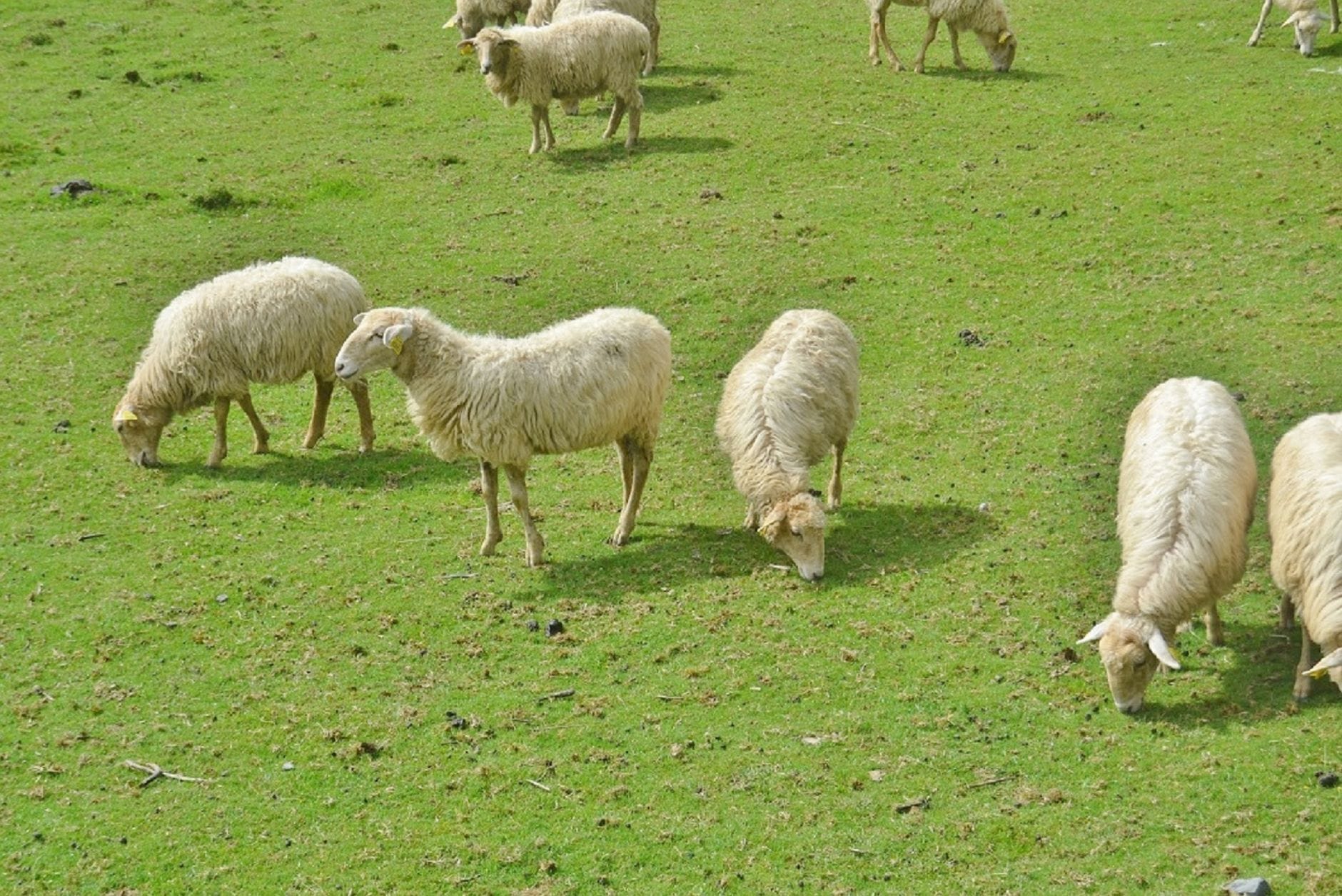
New sheep keepers often arrive braced to build a barn, and leave surprised. Sheep are one of the most weather-hardy animals you can keep on a British smallholding. Give a hardy breed decent grass, clean water and some natural shelter from the worst of the wind and wet, and it will live out contentedly through a UK winter. The job that actually decides whether sheep keeping goes smoothly or turns into a running battle is not housing at all. It is fencing. Sheep are escape artists with a talent for finding the one weak spot in a boundary, and a sheep that gets out is a sheep in the road, in the neighbour's garden, or lost from its lamb.
So this guide flips the usual order. We start with the fence, then cover the modest shelter and handling space you genuinely need, then water, grazing and the plants to keep well away. If you are still deciding whether sheep are for you, read our beginner overview on keeping sheep and our guide to the best sheep breeds for UK smallholders alongside this one, because how hardy and how flighty your chosen breed is will shape both fencing and shelter.
Fencing comes first, and it has to be good
Boundaries for sheep need to be genuinely stock-proof, not just tidy. Hedges and walls look reassuring but almost always need reinforcing with wire, because sheep will browse a hedge until they can see daylight through it, and once they can see through, they will try to get through. The workhorse of sheep fencing is stock netting, also sold as sheep netting and under trade names such as Rylock. It is a woven wire mesh, strained tight between posts, with strong straining and corner posts doing the real work of holding tension.
For sheep you can usually keep it simpler than for taller stock. Because sheep cannot reach over the top for grass next door, you generally do not need a barbed or electrified top strand, which cattle and horses often need. A netting around a metre or so high, well strained and well posted, is the everyday answer. Spend your money on good corner and straining posts and on straining it properly, because a sagging, slack fence is a fence a sheep will beat. Our separate guide to stock fencing walks through posts, strainers and straining if you are putting up a run yourself.
Electric fencing and temporary netting
Electric fencing is less effective on sheep than on cattle or horses, and the reason is the fleece. Wool is a good insulator, so a plain electrified wire or tape often fails to convince a determined sheep, which just leans in and barges through. Treat single wires and tape as a backup, a way to hold sheep off a hedge line, or a training aid, rather than as your main boundary.
Electric sheep netting, the tall mesh kind run off an energiser, is a different and much better story. It is the tool of choice for rotational grazing and for temporarily splitting a field, letting you shift sheep round fresh grass without building permanent fences everywhere. It goes up and comes down quickly and pays for itself in grazing management. The caution is horns.
Gates and gateways
A boundary is only as good as its gates. Use proper field gates that hang square, latch securely and sit close enough to the ground and posts that a lamb cannot scramble under or through the gap at the hinge end. Gateways are a classic weak point: churned mud and vehicle ruts can leave a hollow deep enough for a lamb to wriggle out under a shut gate, so check and fill ruts, particularly before lambing. Walk your whole boundary before the ewes are due, because a young lamb that gets out and cannot find its way back to its mother can chill and die very quickly.
Shelter and housing: less than you think
Here is the reassuring part. A hardy sheep in reasonable condition, with a full fleece for most of the year, is built for a British winter. What it wants is not warmth but the ability to get out of driving wind and horizontal rain, and that can be as simple as a thick hedge, a drystone wall, a bank, a belt of trees or a basic three-sided field shelter with its back to the prevailing weather. For a lot of smallholdings, that is genuinely all the "housing" the flock needs day to day.
Buildings earn their place for specific jobs rather than for everyday shelter. The main reasons a smallholder brings sheep under cover are:
When a shed or covered area actually helps
- 1
Lambing
Bringing ewes in lets you supervise closely, keep newborn lambs out of the worst weather, and use small individual pens so each ewe bonds with her lambs before going back out. Hygiene has to be very good indoors to avoid spreading infection between lambs.
- 2
Shearing
A fleece must be dry to shear. A covered area means the shearer can still work if it rains on the day, which matters when you have booked a contract shearer for a fixed date.
- 3
Foot-trimming, dosing and health checks
A dry, enclosed space with good light makes routine jobs safer and easier on you and the sheep, especially in winter.
- 4
Isolating a sick or injured sheep
You need somewhere dry and separate to hold an animal that is unwell, recovering, or newly arrived and being kept apart from the flock.
- 5
Protecting waterlogged ground
On heavy or limited land, housing over the wettest weeks can save your grassland from being poached to mud, which pays you back in grazing later.
If you do house sheep, even briefly, get the basics right. Allow not less than around 1.5 square metres of floor space per ewe, and be more generous for in-lamb ewes, ewes with lambs at foot, and bigger breeds. Give roughly 50 centimetres of trough or hayrack space per ewe so shy feeders are not shut out, and provide constant clean water inside as well as out.
A simple handling set-up
Sheep are prey animals, and everything about handling them works better when you use that instinct rather than fight it. They flock tightly together for safety, they follow one another, and to a sheep you are a potential predator, so calm, quiet, unhurried movement gets far more done than chasing. Most small flocks will learn to follow a feed bucket, and the ones that do not will follow the others, which means you rarely need a sheepdog to gather a smallholding flock.
For a handful of sheep, a few hurdles are often enough. Set them up as a small catching pen in a field corner and let the flock bunch into it, using their tendency to pack together. That alone covers a surprising amount of routine work. As numbers or ambitions grow, the next step up is a proper little handling system, and the heart of it is a race.
Setting up a basic sheep handling pen
- 1
Gather into a holding pen
Use hurdles or a permanent pen in a corner the sheep already walk past. Bring them in calmly, ideally following a bucket, so being penned is not a fight every time.
- 2
Feed them into a race
A race is a narrow passageway about 40 cm wide and a few metres long that holds sheep nose to tail in single file, so you can walk the line to dose, vaccinate or check feet.
- 3
Use solid sides
The sides of the race should be solid, not see-through. Sheep move forward to reach flock-mates they can sense ahead but stall if they can see out through the sides, so solid boarding literally draws them through.
- 4
Set up somewhere to sort
At the far end, have one or more pens (a shedding gate helps) so you can split off, for example, the ewes you have treated from the ones you have not.
- 5
Handle gently, never by wool or horns
Hold and turn sheep by the body and under the chin, not by the fleece (which bruises like pulling hair) and never by the horns (which are sensitive and can break).
Water, grass and rotation
Sheep need constant access to clean, fresh water, in the field and in any building. A trough kept topped up and clean, sited where it will not become a mud wallow, is the aim. In winter, be ready to break ice or move to a supply that will not freeze solid.
On grazing, sheep are tidy, close grazers that keep a sward short, and they fit well into a rotation. Moving them round paddocks, rather than set-stocking one field all season, helps the grass recover and, importantly, helps manage the internal parasite burden. Grazing sheep behind or alongside a different species can help too, because many gut worms are host-specific: cattle or horses can hoover up sheep worm larvae from the grass without harm, and vice versa, which lowers the challenge to your sheep. Liver fluke is the exception, as it affects both sheep and cattle, so multi-species grazing is not a cure-all. For the detail on feed, forage and minerals through the year, see our guide to feeding sheep.
Keep poisonous plants away from the paddock
A well-fed sheep on good grass will usually leave poisonous plants alone, so poisoning is less often about what grows in the field and more about what gets thrown into it. The plants to be wary of around a UK smallholding include rhododendron and similar evergreen shrubs, yew, acorns and oak leaves eaten in quantity, ragwort, laburnum, and others such as water dropwort and hemlock in wet corners.
Before you get sheep: the legal must-dos
Sheep keeping is more regulated than most newcomers expect, and the paperwork is not optional. It exists so that, if a disease like foot-and-mouth ever breaks out, animals can be traced and the outbreak contained. You must have the registrations below in place before your sheep arrive, whether you are keeping a commercial flock or two pet ewes.
The rules are devolved, so if you are in Scotland, Wales or Northern Ireland the framework is the same in spirit but the bodies, forms and some figures differ. Scotland, for example, operates a longer 13-day standstill on sheep, cattle and goats rather than England's 6 days, and Northern Ireland's registration and movement systems are run by DAERA. Wherever you are, treat the relevant government guidance as the authority and check it before bringing sheep home. The National Sheep Association's plain-English rundown of starting a flock is a useful map of the steps, but the legal detail lives on gov.uk and its devolved equivalents.
This guide is general information for UK smallholders, not legal or veterinary advice. Registration, identification and movement rules change and differ between England, Scotland, Wales and Northern Ireland, so always confirm the current requirements with gov.uk (or your devolved government) and speak to your vet or local APHA office about your own flock before acting. Last checked September 2026.
Frequently asked questions
Sources
- Sheep housing , The Accidental Smallholder
- Land and fencing for sheep , The Accidental Smallholder
- Moving, handling and transporting sheep , The Accidental Smallholder
- Keeping things legal when starting a flock , National Sheep Association
- Apply for a county parish holding (CPH) number , Rural Payments Agency (GOV.UK)
- Register livestock to get a flock or herd mark , Animal and Plant Health Agency (GOV.UK)
- Tag sheep with ear tags, pastern bands and boluses , Department for Environment, Food & Rural Affairs (GOV.UK)
- Report sheep and goat movements , Department for Environment, Food & Rural Affairs (GOV.UK)
- Sheep and goat keepers: how to keep a holding register , Department for Environment, Food & Rural Affairs (GOV.UK)
Kit for this job (Ad)

AMAGABELI GARDEN & HOME 50m L8/100/15 Wire Stock Fencing Hot Dipped Galvanized Netting 2mm Wire Diameter Garden Farm Paddock Boundary Fence Livestock Fence for Pig Sheep Deer Cow Horse HC07
Check price on Amazon →
Stock Wire Fence Galvanised Steel Stock Fencing Netting Livestock Fencing Roll L8/80/15, Garden Farm Paddock Boundary Fence Agricultural Fencing for Dogs Pigs Sheep Horse, 800mm x 50m
Check price on Amazon →We may earn a small commission, at no cost to you. We only list kit we'd use.
Written by
UK Homesteading Team
Editorial team
The UK Homesteading editorial team, offering UK-specific, evidence-led guidance on growing, keeping, preserving and the law.