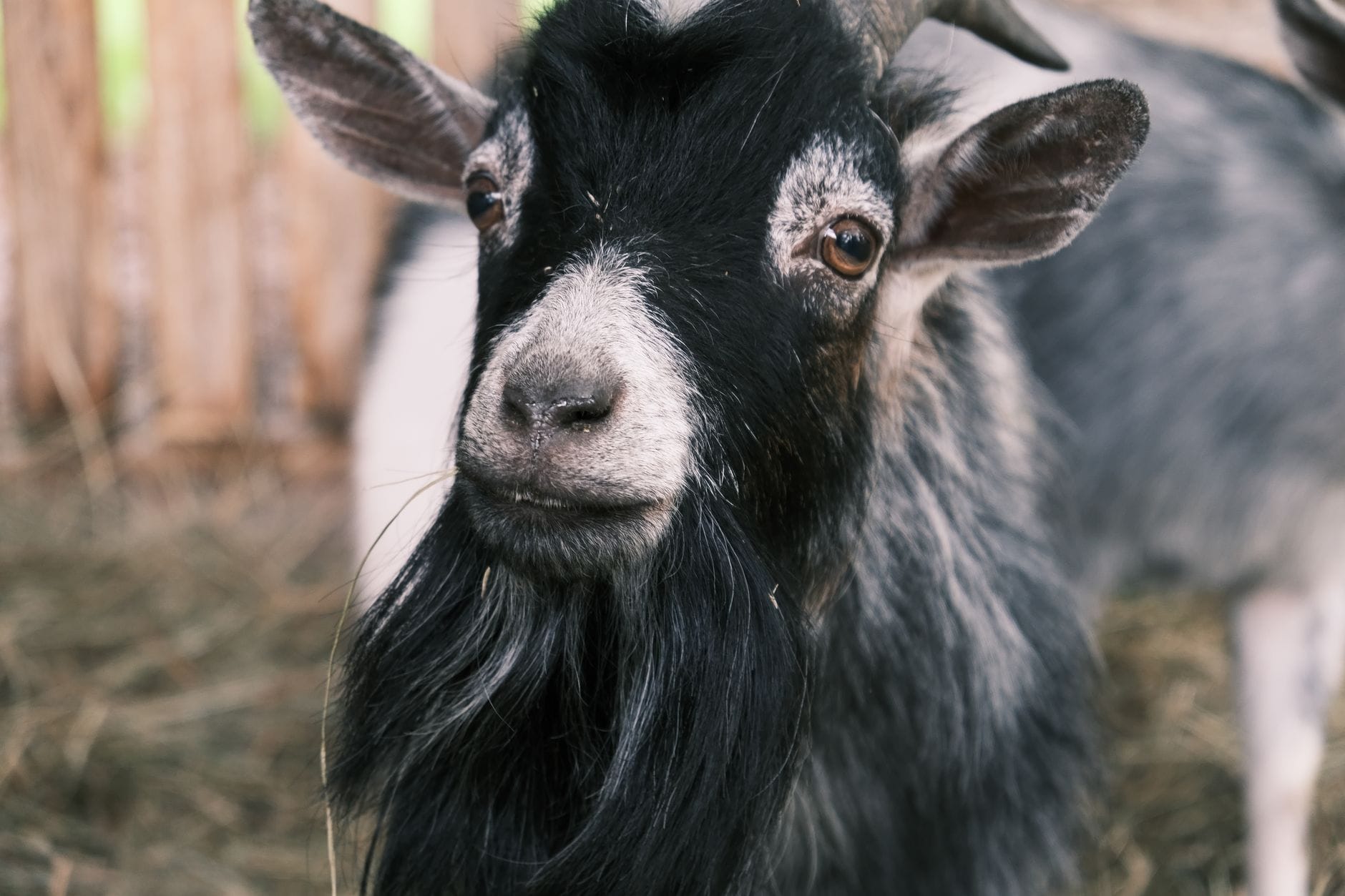
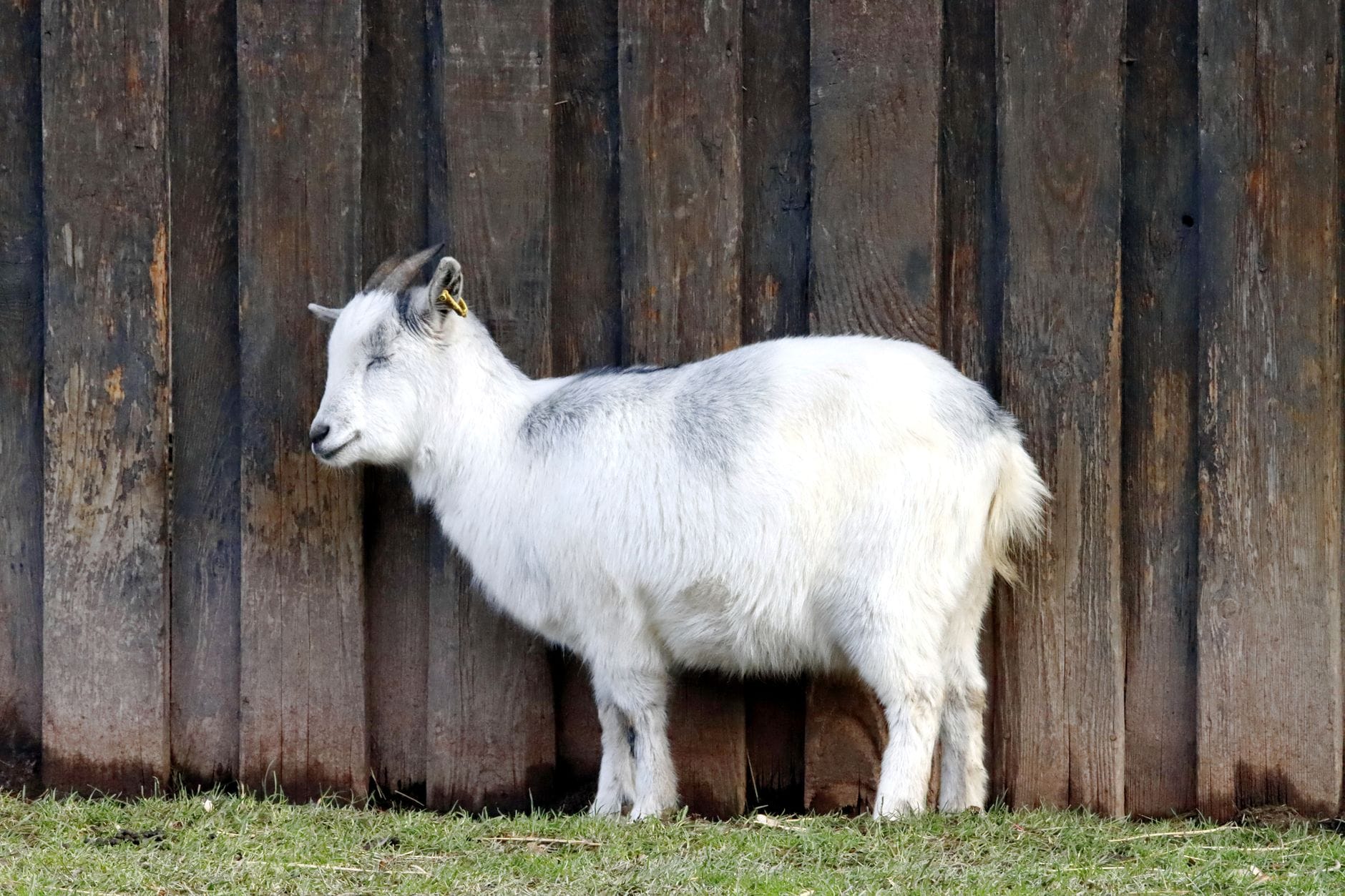
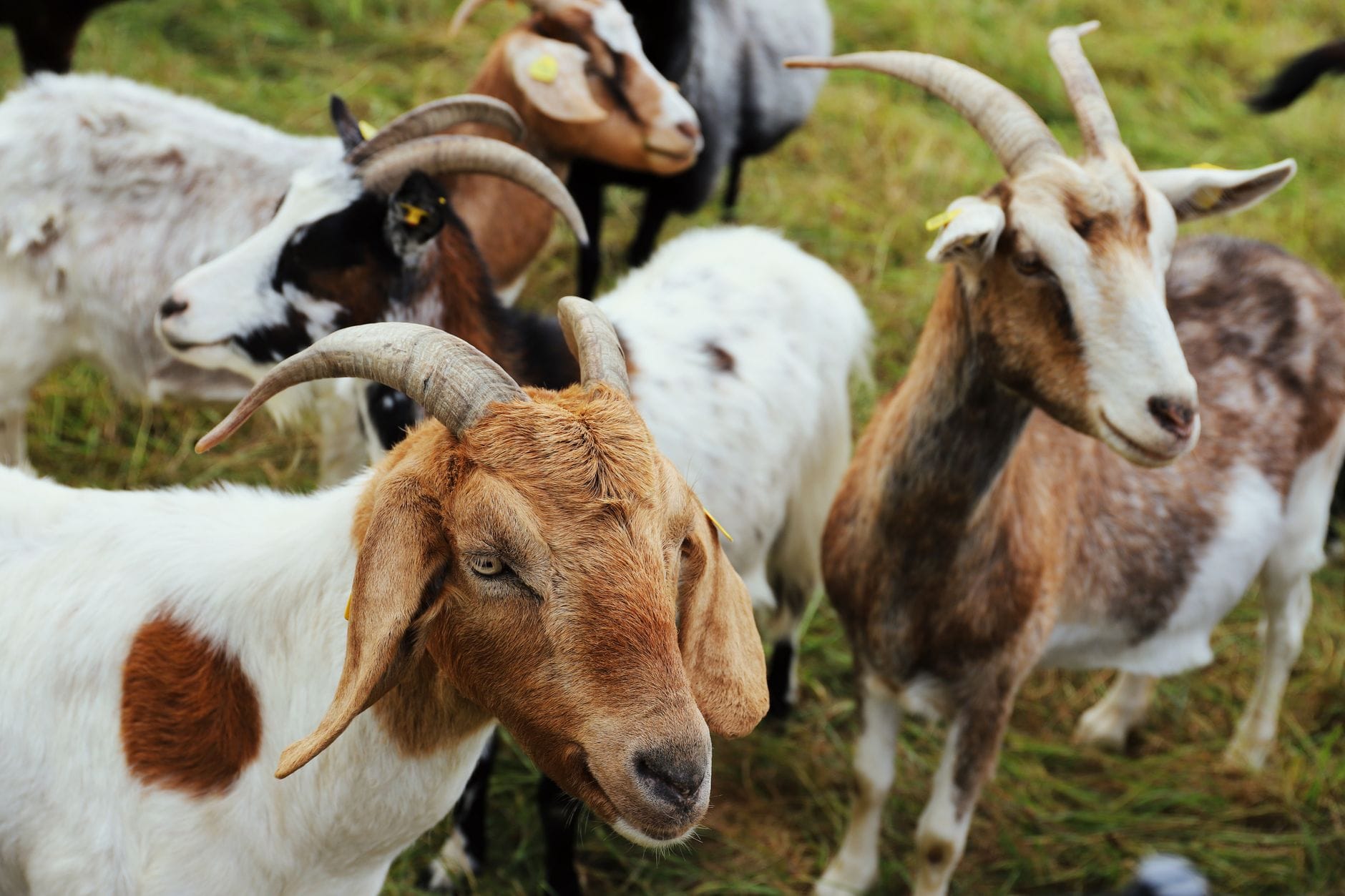
Feeding goats well starts with unlearning a couple of things. A goat is not a small cow, and it is not a sheep with horns. Left to choose, a goat will walk straight past good grass to reach the hedge, the bramble patch, the low tree branches and whatever interesting weed is growing out of the wall. Goats are browsers, and once you feed them as browsers, most of the common problems, from fussiness to fat, pot-bellied animals, quietly sort themselves out.
The shape of a good goat diet is simple: forage first, browse and variety on top, concentrates only when an animal genuinely needs them, a goat-specific mineral source, and clean water always. This guide walks through each of those, and then the one safety point that matters more than all the rest, which is copper, and which happens to be the exact opposite of the rule for sheep. If you are just getting started, read our beginner overview on keeping goats in the UK alongside this, and if you are still choosing animals, see the best goat breeds for UK smallholders, because a milking Saanen and a couple of pet pygmies have very different appetites.
Goats are browsers, not grazers
The starting point for everything is how goats naturally feed. Sheep and cattle are grazers, built to graze grass close to the ground. Goats are browsers, or more precisely intermediate browsers: as the Merck Veterinary Manual puts it, they "will select browse, forbs, and other readily digestible plant materials and also eat grass", but they reach up for the good stuff first. Offer a goat a paddock of grass and a scruffy hedge and it will make for the hedge, stripping leaves, bramble, ivy (in moderation), young tree shoots and woody weeds at head height.
That preference is worth working with rather than against. Browse gives goats the variety they thrive on, and feeding at height helps in a very practical way with worms. Grazing tight grass is where goats pick up the most gut parasites, so animals that spend more time browsing tall growth and less time nibbling short pasture tend to carry a lighter worm burden. The RSPCA sums it up neatly: goats are "browsing, not grazing, animals" and "prefer not to eat anything that's been on the floor". If you can give your goats access to hedgerow, scrub or rough ground alongside their grass, they will be healthier and happier for it.
| Grazers (sheep, cattle) | Browsers (goats) |
|---|---|
| Prefer grass, graze close to the ground | Prefer hedges, brambles, tree leaves, weeds and shrubs at head height |
| Do well on good grass much of the year | Need forage variety and browse; grass alone is not ideal |
| Sheep are easily poisoned by copper | Goats need MORE copper and are prone to deficiency |
| Use sheep-labelled feed and minerals only | Use goat-labelled feed and minerals only |
| Graze short pasture, higher worm exposure | Browsing at height helps reduce worm burden |
Forage and hay: the staple
Whatever else you feed, forage is the base of a goat's diet, and hay is the workhorse of it in the UK. The British Goat Society is unambiguous: "Good hay is the single most important item of the diet", and "at least half the diet (on a dry weight basis) should consist of forage". Good quality, sweet-smelling, dust-free hay should be available more or less all the time, and it becomes the whole story over winter when grass has stopped growing.
The reason is the rumen. Goats are ruminants, and the millions of bacteria in the rumen do the real work of digesting fibrous plant material and turning it into energy the goat can use. Those bacteria depend on a steady supply of long fibre to keep the rumen ticking over. Take the forage away and feed mostly concentrates and you starve the rumen of the fibre it needs, which is a fast route to digestive upset. Long, fibrous food is what keeps the whole system running, so forage is not the boring bit of the diet you tolerate, it is the diet.
A few practical points on offering forage:
- Keep hay clean and off the floor. Goats will not touch hay that has been fouled or trampled. Use a hayrack, ideally one with a lid or at a height they cannot climb into.
- Do not use hay nets. The RSPCA warns specifically against them for goats, because goats can get tangled up and injured in them, particularly horned animals.
- Give enough space for every goat to feed at once. Goats have a pecking order and a bully will keep a timid goat off the rack if there is only one.
- Browse counts as forage too. Branches, prunings from safe trees and hedge trimmings (from known safe plants only, see the poison section) are excellent, natural and free enrichment.
Concentrates: only as much as the job needs
Concentrates, usually a bagged "goat mix", are a top-up of energy and protein for goats that cannot meet their needs from forage alone. The animals that genuinely need them are milkers, does in the last weeks of pregnancy, and growing kids. A couple of pet wethers or pygmies on decent hay and browse may need little or no concentrate at all, and feeding it "because it seems kind" is how goats end up overweight.
The real hazard is feeding too much grain at once. As the British Goat Society explains, the rumen bacteria "ferment cereals very quickly, producing acid, and to feed too much grain at one time can prove fatal for the bacteria and for the goat". That acid overload is acidosis, and a sudden gorge on cereals, or a goat breaking into the feed store, can also trigger dangerous bloat. Both can kill.
Feeding concentrates safely
- 1
Start from forage, not grain
Make good hay and browse the base of the diet. Only add concentrate if a goat's condition or job (milking, late pregnancy, growth) actually calls for it.
- 2
Keep individual feeds small
Never feed a large amount of concentrate in one go. Split bigger rations across two or more feeds through the day so the rumen is not flooded with cereal at once.
- 3
Change feed gradually
Introduce any new feed, or a change of concentrate, over a week or more. The rumen bacteria need time to adjust, and sudden changes cause upset.
- 4
Lock up the feed store
Most fatal grain overloads happen when a goat gets into the feed. Goats are clever and determined, so store concentrates behind a goat-proof door.
- 5
Judge by the goat, not the scoop
Aim to keep every goat in steady condition, neither thin nor fat. Adjust feed up or down based on how the animal looks and feels, and treat a goat that suddenly refuses its usual feed as possibly unwell.
Minerals and the copper problem
Alongside forage and any concentrate, goats need access to a goat-specific mineral source, because UK pasture and hay do not reliably supply every trace element. A loose mineral or a mineral lick sold for goats is the usual way to provide this, and the key word is "goats". This is where the copper issue bites.
Copper does a lot of jobs in the body, and goats are, in the words of the Merck Veterinary Manual, "prone to copper deficiency because of the many dietary mineral interactions that decrease dietary copper bioavailability". Iron, sulphur, molybdenum and zinc in feed or water can all lock copper up. Signs of deficiency include a faded or "steely" coat, poor growth, anaemia, poor fertility and a general failure to thrive, and it may even leave goats more vulnerable to worms.
Because sheep are so sensitive to copper poisoning, products labelled for sheep are made low in copper by design, which is the wrong thing for a goat. General-purpose or sheep licks are therefore not a substitute for a proper goat mineral. At the same time, more is not better: goats can suffer copper toxicosis if grossly over-supplemented, and the Merck Veterinary Manual specifically flags excessive use of copper oxide wire particle boluses as a cause. The sensible middle path is to provide a good goat mineral, avoid casually adding extra copper, and involve your vet before using copper boluses or dosing for a suspected deficiency on your own ground.
Poisonous plants and what they can reach
Goats have a reputation for eating anything, and it is half true: they are curious and will taste all sorts, but they are not immune to poisons, and they will readily eat plants that harm them. The danger is worst when a goat escapes into an ornamental garden or gets fed a bag of hedge clippings, because many popular UK garden shrubs are toxic.
The one to fear most is rhododendron, along with its relatives azalea and Pieris. These contain grayanotoxins, and poisoning is genuinely common in goats: a UK veterinary review of plant poisoning notes that grayanotoxin poisoning "is very common in goats", and in one series of field cases the death rate was over a third. Yew is even quicker, killing in very small quantities. The RSPCA's list of plants to keep goats away from also includes laurel, laburnum, privet, box, leylandii, honeysuckle, walnut, ragwort, foxglove, hemlock, buttercup, celandine, the nightshades, bryony, "old man's beard", and bulbs such as daffodils and tulips.
For more on fencing goats securely and keeping them away from what they should not reach, see our guide to goat housing and fencing in the UK.
Water
Goats need a constant supply of clean, fresh drinking water, and they are surprisingly fussy about it. They will not drink water fouled with droppings, so containers need cleaning and refilling regularly. In winter, break and remove ice rather than adding any chemicals, and remember that many goats prefer water with the chill taken off, which is worth knowing if a goat seems to be drinking little in cold weather. Secure buckets and troughs so they cannot be knocked over, because a tipped water container in a cold shed is both a welfare problem and a soaking waiting to happen.
Common feeding mistakes
- Feeding goats like sheep, and giving them sheep-labelled feed or minerals. Goats need more copper, not less, and sheep products can leave them deficient.
- Over-supplementing copper the other way, dosing extra or over-using copper boluses without veterinary advice, which risks toxicosis.
- Making concentrates the main event. Grain is a top-up for animals that need it, not the base of the diet, and too much causes acidosis, bloat and obesity.
- Skimping on forage, or letting hay run out. Good hay ad lib is the single most important thing you feed, especially in winter.
- Changing feed suddenly. The rumen bacteria need days to adjust, so introduce anything new gradually.
- Leaving the feed store reachable. Grain overload from a break-in is a classic, avoidable killer.
- Treating goats as lawnmowers on grass alone, with no browse and a heavy worm challenge on tight pasture.
- Feeding unknown garden prunings, or fencing that lets goats reach rhododendron, yew and other toxic shrubs.
- Using hay nets, which goats get tangled in, instead of a proper covered rack.
This guide is general information for UK smallholders and is not a substitute for veterinary advice. Rations for milkers, pregnant does and growing kids should be matched to your own forage and animals, ideally with your vet or a nutritionist, and any concern about copper status, bloat, acidosis or suspected plant poisoning is a same-day call to your vet. Last checked July 2026.
Frequently asked questions
Sources
- Feeding (some golden rules of feeding goats) , British Goat Society
- What to feed pet goats (diet and poisonous plants) , RSPCA
- Nutritional Requirements of Goats , Merck Veterinary Manual
- Small Ruminant Q & A: Mineral requirements , Sheep 101 / Sheep 201 (Susan Schoenian, small-ruminant extension)
- Plant poisoning in goats , UK-Vet Livestock (Nicola Bates, Veterinary Poisons Information Service)
Kit for this job (Ad)

Guggenhein® Professional Shears & Scissors Collection (5" Little Giant (II))
Check price on Amazon →
Premier 1 Supplies ARS 140DXR Japanese Anvil Trimmer, Red, 1.75 Inch Round Point Blade, Ambidextrous, Goat & Sheep Hooves
Check price on Amazon →
Kerbl Hay Rack Galvanised Hangs in Cage Bars, 25 x 17 cm
Check price on Amazon →
Kerbl Hay Rack, feed rack, for wall mounting, 75,3x47,5x46,5cm, galvanized metal, 1 feeding space, bar spacing 85mm, bar thickness 10mm
Check price on Amazon →We may earn a small commission, at no cost to you. We only list kit we'd use.
Written by
UK Homesteading Team
Editorial team
The UK Homesteading editorial team, offering UK-specific, evidence-led guidance on growing, keeping, preserving and the law.