There is no single best goat, and anyone who tells you otherwise is selling the breed they happen to keep. The right goat depends almost entirely on the job you want it to do. A gallon-a-day milker, a couple of lawn-mowing pets, a meat animal for the freezer and a fleece-bearing fibre goat are four very different animals, and a breed that is brilliant at one of those can be a poor fit for another. So the useful question is not "which goat is best?" but "best for what?".
This guide runs through the breeds UK keepers actually choose, grouped by purpose: dairy, small pet goats, meat and fibre. It is a companion to our full beginner's guide to keeping goats, which covers the day-to-day of ownership. Before we get to breeds, though, there is one rule that beats every breed choice, and it catches out more new keepers than any milk figure ever will.
Dairy goats: milk is where the choice is widest
If you want milk, this is the group with the most options, and the decision comes down to whether you value quantity, richness or an easy temperament.
The British Saanen is the heavyweight. A large, all-white goat, it is the premier commercial dairy breed in Britain, with some individuals milking up to around 2,000 litres over a 365-day lactation and a famously placid, adaptable temperament. Its milk is on the leaner side, with butterfat averaging about 3.5 per cent. If your priority is simply lots of milk from a calm animal, the Saanen is hard to beat. (The pure Saanen, a smaller continental version, exists in the UK too but in very small numbers.)
The British Alpine is a striking black-and-white goat that also gives a high yield, often 1,200 litres or more with good butterfat and protein. It is an excellent dairy goat, though not always easy to find, as numbers are limited.
The British Toggenburg is a brown-and-white breed and another reliable commercial choice. Yields are a little below the British Saanen, but butterfat is slightly higher, around 3.6 per cent, and the breed has a reputation for long lactations and a manageable nature, which makes it a good pick for someone who wants a steady household milker rather than record volumes.
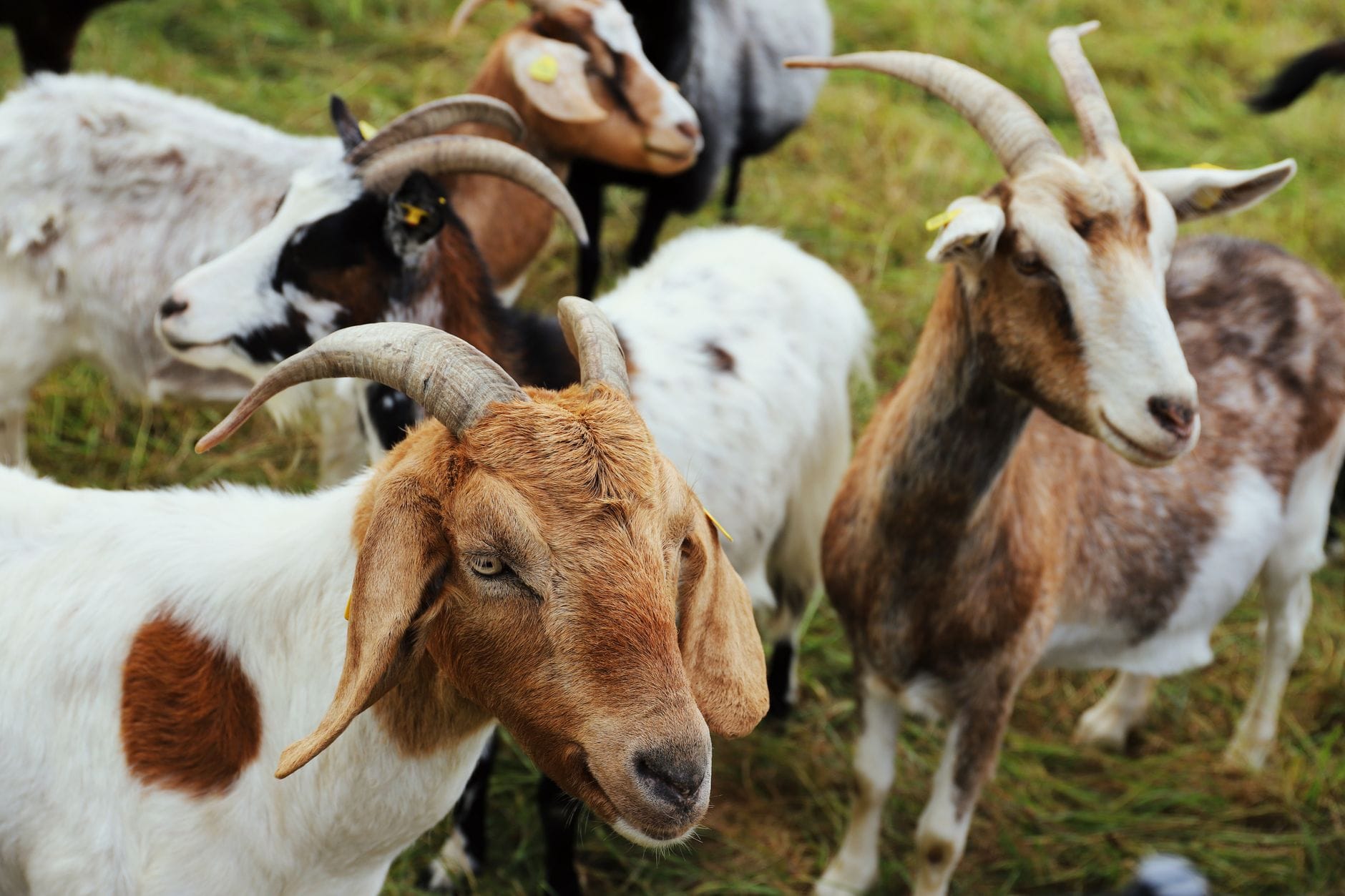
The Anglo-Nubian is the character of the dairy world: a tall goat with a distinctive Roman nose and long, pendulous ears, often described as vocal and full of personality. It is a dual-purpose breed suitable for both milk and meat, and while its yield is lower, averaging just under 1,000 litres, its milk is far richer, with butterfat around 4.8 per cent and protein around 3.5 per cent. That high butterfat is why Anglo-Nubian milk is so prized for cheese and yoghurt. Choose it if you want quality and characterful animals over sheer quantity.
The Golden Guernsey is a small, fine-boned goat with a warm golden coat and a gentle, docile temperament. Its yield is moderate, averaging around 750 litres a year, which makes it a poor fit for a large commercial herd but a lovely household or smallholder goat: manageable, friendly and easy to handle. It is also a rare breed, which we come back to below.
Small and pet goats: Pygmy and Nigerian Dwarf
Not everyone wants milk, meat or fibre. Plenty of people keep goats simply because they are engaging, characterful company, and for that the two small breeds stand out.
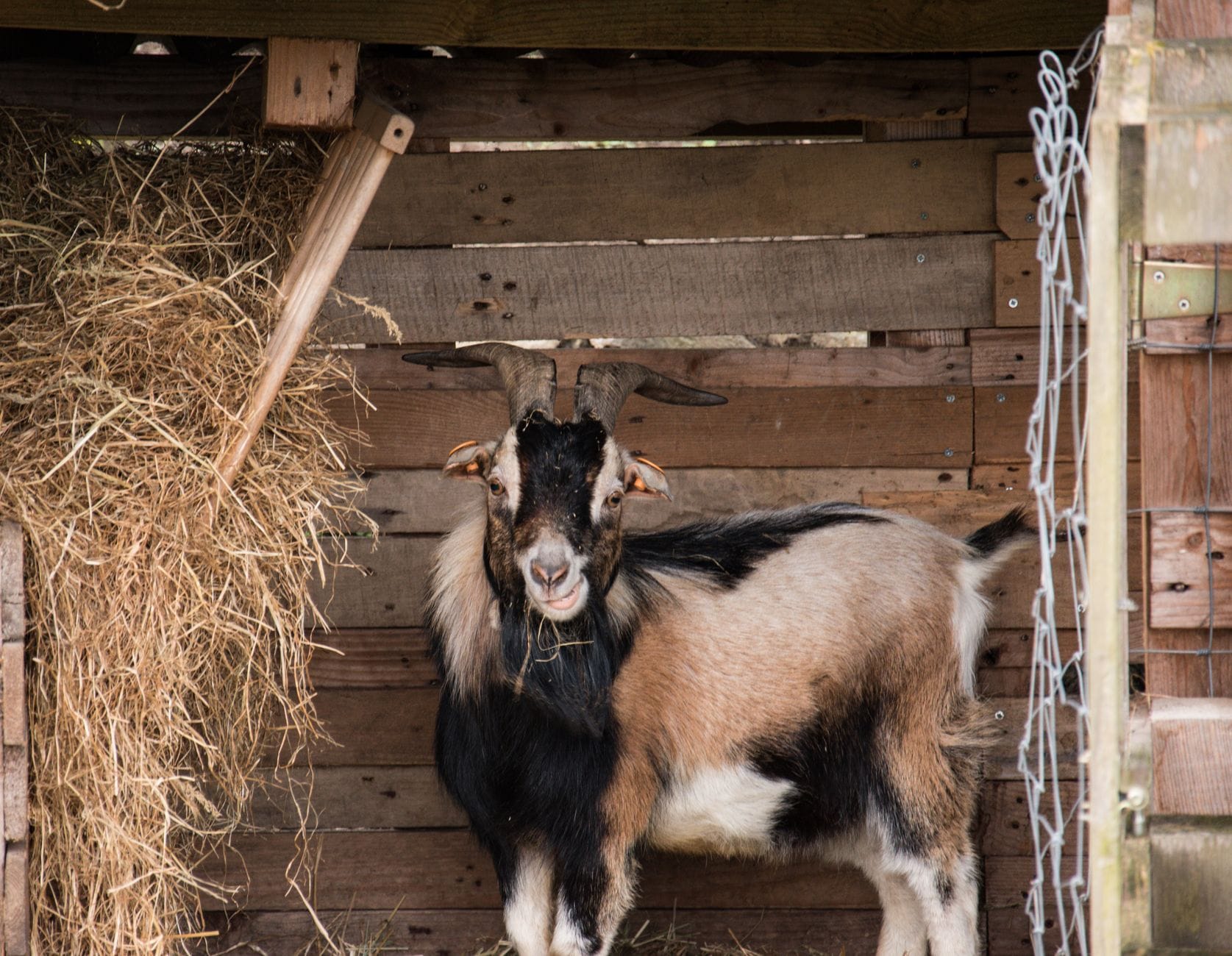
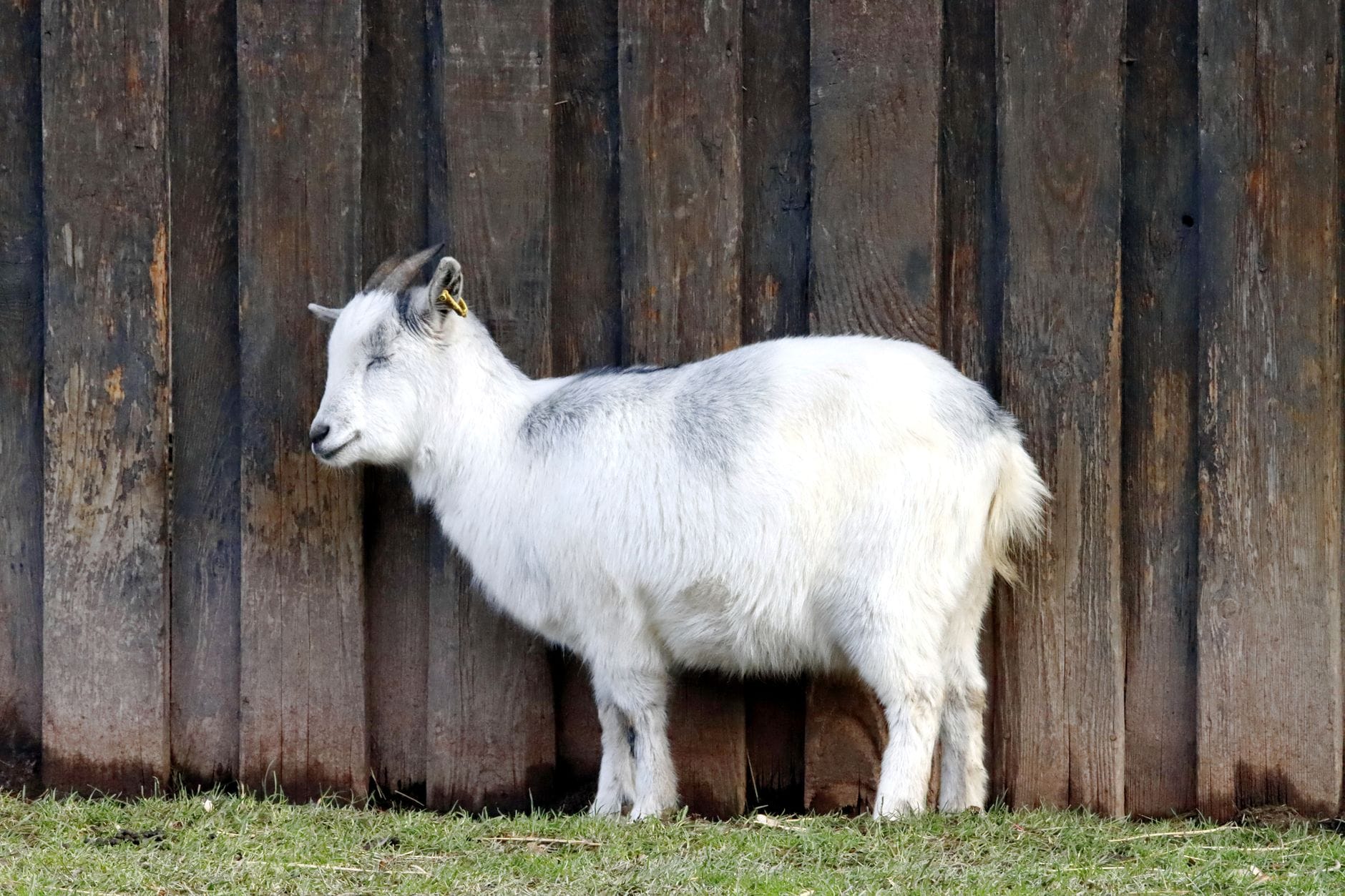
Pygmy goats are compact, sturdy and hugely popular as pets and companions. They make excellent pets, particularly castrated males, and being small they are easier to handle and house than a full-sized dairy goat. The one catch is fencing: Pygmies are agile and can squeeze through surprisingly small gaps, especially their tiny kids, so they need genuinely secure fencing (see our guide to goat housing and fencing).
Nigerian Dwarf goats are the other favourite. Small and popular as pets in their own right, they have one useful trick the Pygmy lacks: they can be milked, producing a surprising quantity of rich, high-butterfat milk for such a small animal. That makes the Nigerian Dwarf a neat option for someone who wants a pet-sized goat that can still put a little milk in the bucket. Bear in mind a dairy goat only gives milk after being bred and kidding, so a Nigerian Dwarf kept purely as a pet, without breeding, simply lives as a companion.
For any pet goat, wethers (castrated males) are usually the calmest choice. They are cheaper than breeding stock, they do not come into season, and they avoid the strong smell and boisterous behaviour of an entire male, which is why entire males are not recommended for novice keepers at all.
Meat goats: the Boer
If you are raising goats for the table, the Boer is the breed to know. Developed in South Africa and usually white with a red-brown head, it is a fast-growing, heavily muscled animal, and in British Goat Society terms it is the only breed in Britain bred exclusively as a meat animal. Numbers here are still relatively low but increasing.
You do not, however, need a dedicated meat breed to eat goat. Many of the dairy and fibre breeds produce a perfectly good carcass, and surplus male kids from a dairy herd are a common and practical source of meat. So a meat enterprise can sit alongside a dairy one rather than needing its own separate breed.
Fibre goats: Angora and cashmere
Fibre is the most specialist route, but it has a devoted following.
The Angora goat produces mohair, the lustrous, curly fleece shorn from the animal twice a year. UK Angora stock has been built up from imported strains, and a well-bred Angora yields a high standard of mohair. Angoras are smaller and can be less hardy than some breeds, so they need good shelter and careful management.
Cashmere goats are different again. Cashmere is not a single breed but the fine, soft down that certain goats grow under their coarser outer coat, and UK breeders have worked to develop stock that yields a viable cashmere crop. The fibre is combed or shorn out in spring as the goat naturally sheds it. Both routes are niche, low-volume and best approached as a genuine interest rather than a quick earner.
Rare breeds worth knowing
A few UK goat breeds are genuinely rare, and keeping them can be a small act of conservation as well as a pleasure.
The Golden Guernsey, now often called the Royal Golden Guernsey, is listed as an at-risk breed by the Rare Breeds Survival Trust. It is a lovely smallholder goat, but its numbers are low enough that keepers are actively working to secure its future, so buying and breeding well-bred stock helps.
The Bagot is rarer still. A striking black-and-white goat and one of Britain's oldest, it is classified as an At Risk breed by the Rare Breeds Survival Trust, with only a few hundred breeding females left in the UK. Bagots are more of an ornamental and conservation-grazing breed than a productive one.
Choosing your breed: a quick comparison
Here is the shortlist at a glance. Use it to narrow down, then talk to a breed society and, ideally, an experienced keeper before you buy.
| Breed | Best for | Size / handling | Good to know |
|---|---|---|---|
| British Saanen | Maximum milk | Large | Very placid; can out-produce a household |
| British Alpine | High milk yield | Large | Handsome black and white; limited numbers |
| Toggenburg | Steady household milk | Medium | Manageable nature; long lactations |
| Anglo-Nubian | Rich, high-butterfat milk | Large | Long ears, Roman nose, vocal and characterful |
| Golden Guernsey | Docile smallholder milker | Small | Rare breed; gentle; moderate yield |
| Pygmy | Pets and companions | Small | Great pet; needs very secure fencing |
| Nigerian Dwarf | Pet that can also milk | Small | Rich milk for its size; popular family goat |
| Boer | Meat | Large | The main UK meat breed; fast-growing |
| Angora | Mohair fibre | Medium | Shorn twice a year; needs good shelter |
| Cashmere | Cashmere fibre | Varies | Down combed or shed in spring; niche |
Matching the goat to you
With the shortlist in hand, weigh a few practical things beyond the headline purpose.
Size and handling. A full-sized British Saanen or Boer is a big, strong animal to catch, hold for foot-trimming and move. If you are not confident with livestock, or space and strength are limited, a smaller breed such as a Golden Guernsey, Pygmy or Nigerian Dwarf is far easier to manage day to day.
Temperament for beginners. Docile breeds make the learning curve gentler. The Golden Guernsey and Toggenburg are often praised for calm natures, and wethers of any breed tend to be the easiest of all. The Anglo-Nubian is delightful but loud and opinionated, which some people love and others find wearing.
Hardiness and climate. Most established UK breeds cope well with our wet, mild winters given proper shelter, but goats hate rain and wind and none of them thrive outside without a dry, draught-free house. Fibre goats such as the Angora, and very young or very small goats, need particular care in cold, wet weather. Good housing matters more than breed toughness, so read our goat housing and fencing and feeding goats guides alongside this one.
How much output you can actually use. This is the one people forget. A high-yielding dairy goat is a daily, twice-a-day commitment for months, and a meat or fibre enterprise only pays if you have a plan for the product. Be honest about your time and your appetite for the output before the breed romance takes over.
Whatever you choose, the pattern is the same: pick the breed for the job, keep at least two, house them properly and register before they arrive. Get those four right and the breed you fall for will very likely be a good choice.
This guide gives general breed information for UK keepers and is not a substitute for advice from a breed society, an experienced keeper or your vet. Breed availability, rare-breed status and registration rules change, so confirm the current position before you buy. Last checked September 2026.
Frequently asked questions
Sources
- British Goats Are Best (breed descriptions, yields and butterfats) , British Goat Society
- Goats as Pets (information leaflet) , British Goat Society
- Pet goats need company , RSPCA
- Goats (rare and native breed watchlist) , Rare Breeds Survival Trust
- Royal Golden Guernsey (at-risk breed profile) , Rare Breeds Survival Trust
- Apply for a county parish holding (CPH) number , Rural Payments Agency / APHA (GOV.UK)
- Register livestock to get a flock or herd mark , Animal and Plant Health Agency (GOV.UK)
- Pygmy goats part 1: before buying your goats , Pocket Farm Magazine (with the Pygmy Goat Club)
Kit for this job (Ad)

Guggenhein® Professional Shears & Scissors Collection (5" Little Giant (II))
Check price on Amazon →
Premier 1 Supplies ARS 140DXR Japanese Anvil Trimmer, Red, 1.75 Inch Round Point Blade, Ambidextrous, Goat & Sheep Hooves
Check price on Amazon →
Outsunny 1.2 x 1.8m Garden Storage Shed Tent, Portable Shed Shelter with Galvanised Steel Frame and Large Door, for Motorbike, Garden Tools, Bike Storage, Dark Grey
Check price on Amazon →
Goat Hobbles Binding Tool for Milk A Difficult Goat
Check price on Amazon →We may earn a small commission, at no cost to you. We only list kit we'd use.
Written by
UK Homesteading Team
Editorial team
The UK Homesteading editorial team, offering UK-specific, evidence-led guidance on growing, keeping, preserving and the law.