The legal step nobody mentions
Every poultry keeper in the UK, including someone with a single garden hen, has to register. In England and Wales you register with the Animal and Plant Health Agency (APHA), in Scotland on the Scottish Kept Bird Register, and in Northern Ireland with DAERA. It's free, it's online, it takes about 15 minutes, and it gives you a unique keeper number. APHA uses the register to reach you about avian-flu housing orders, which now crop up most winters.
Skip it and you're keeping birds illegally. Nobody's coming round to check your garden gate, but if avian flu hits your area and DEFRA needs to know who has birds where, you want to be on the list.
Register here before the hens arrive, not after.
The coop. Buy bigger than you think
Almost every starter coop sold in a UK garden centre is too small. The label says "for 4 hens" and really means "4 hens that never come out and don't mind a bit of feather-pecking". Realistic capacity is usually half the quoted figure.
Rules worth sticking to for a small back-garden coop:
- 30cm of perch per hen, minimum
- 1 nest box per 3 hens
- At least 4m² of attached run per hen
- Standing headroom inside the coop. You'll be cleaning it weekly
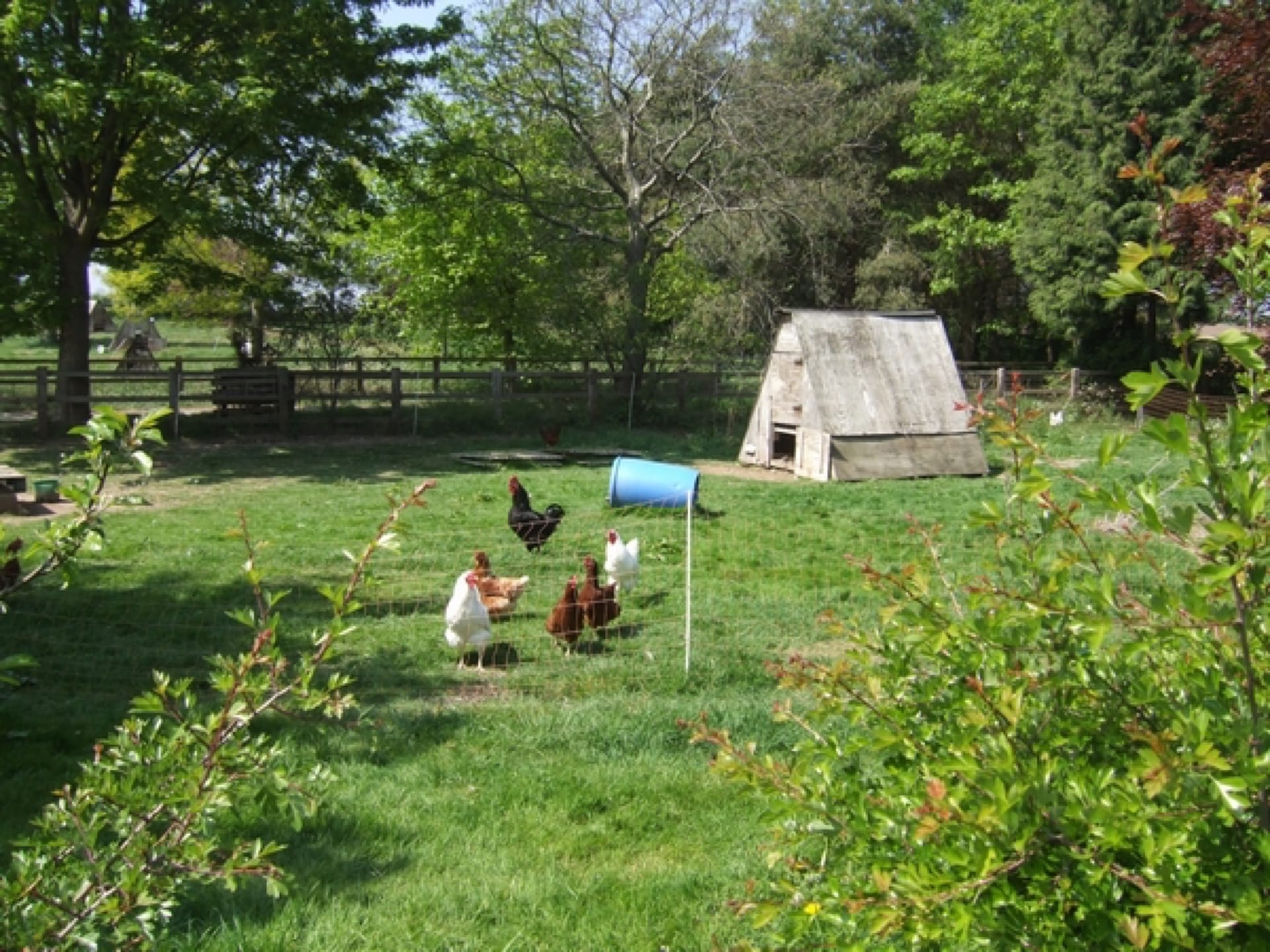
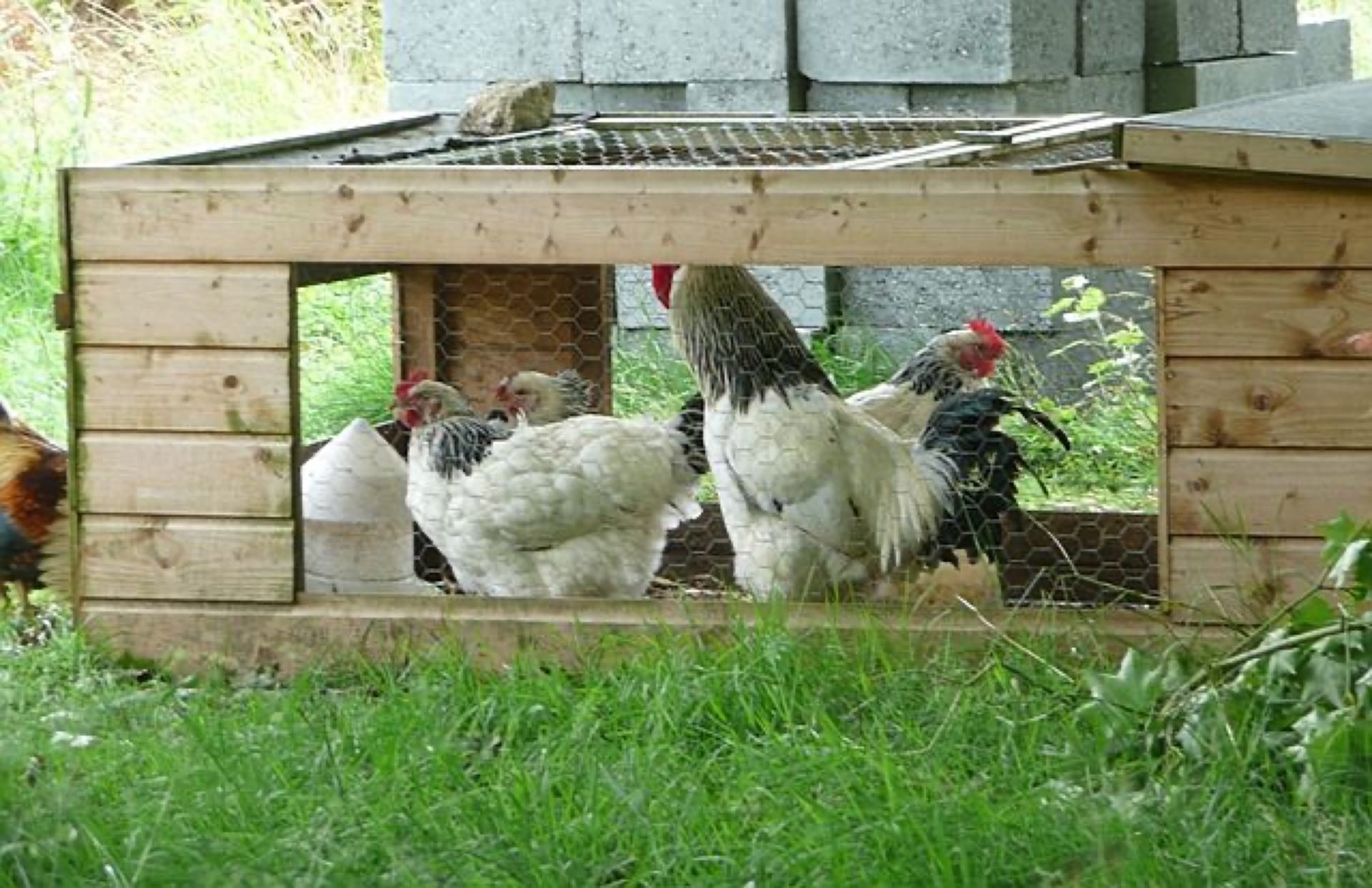
Eglu-style plastic coops are easy to hose down but cost more. Wooden ones look better and are cheaper second-hand, but need a creosote-free preservative every couple of years. Either works. What matters is the dimensions and the predator-proofing, not the material.
Picking the first three birds
For a first flock, buy three point-of-lay pullets from a small breeder or a reputable supplier. Point-of-lay means 16 to 20 weeks old, not yet laying, but close. Best avoided:
- Chicks. Need a brooder, a heat lamp, and 6 weeks of care before they're ready outside.
- Rescue ex-battery hens. A wonderful project, but they need an experienced keeper for the first month; the flock dynamics and health needs are demanding.
- Poultry auctions. The disease risk is real, and a new keeper can't spot trouble until it's already spread.
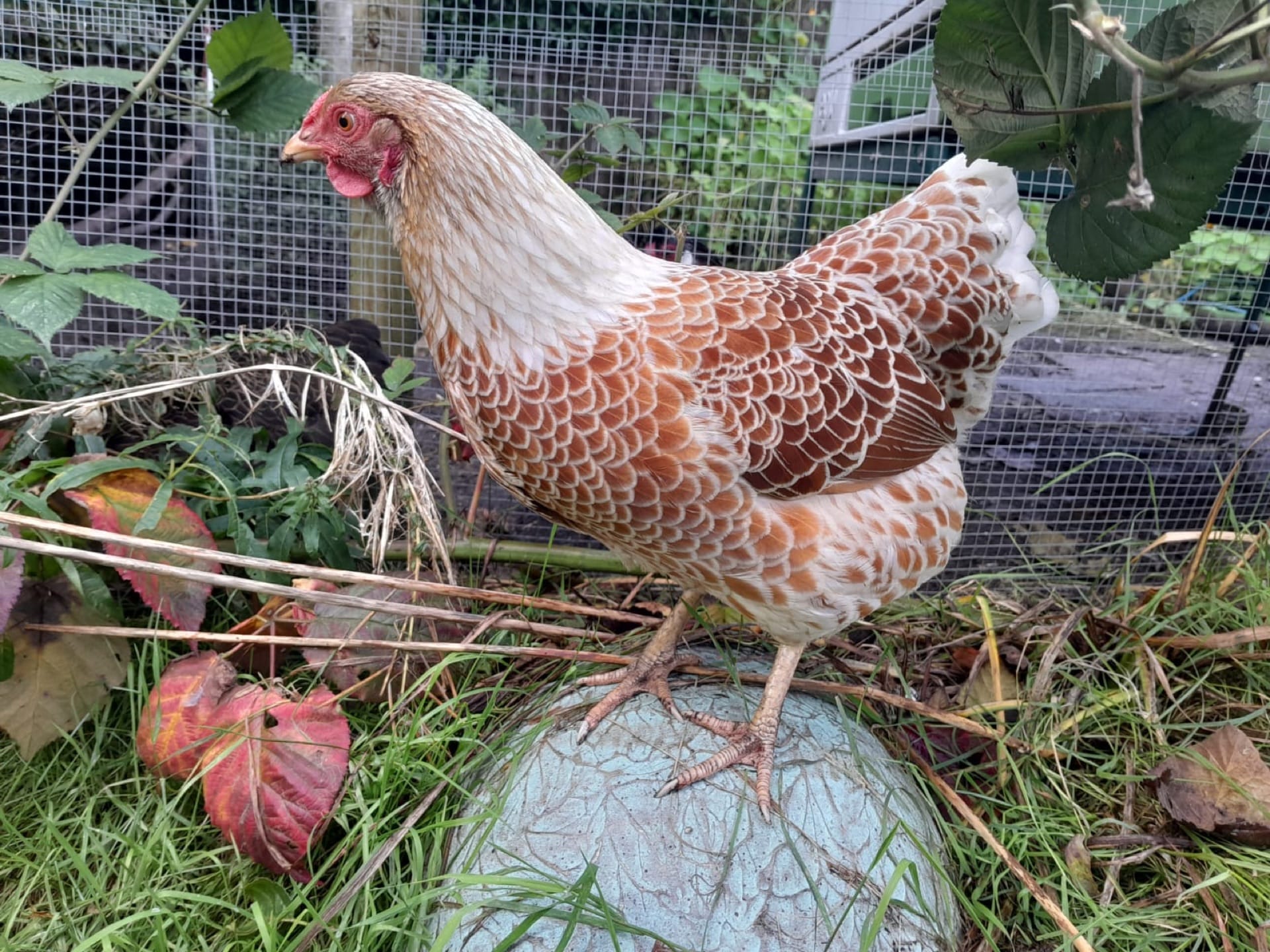
Go for hybrid breeds (Warren, Black Rock, Bluebell) for reliable eggs, or a calm pure breed (Light Sussex, Speckled Sussex, Orpington) for character and slower laying. A mixed flock of three different colours makes it much easier to tell who's laying, who's broody and who's off colour.
Week-one kit list
Skip on day one: layer mash (pellets are easier), grit (free-rangers find their own), oyster shell (most layers pellets already include calcium), worming treatments (only worm when there's a problem), heat lamps (adult hens don't need them).
The four expensive mistakes
Mistake 1. Buying the small coop, then adding a second. Two small coops cost more, take more cleaning, and give you two flocks instead of one. Buy a single coop big enough for 6 hens even if you only want 3.
Mistake 2. Letting the children pick the hens. Pretty hens aren't always good layers, and children pick on colour alone. Let an adult choose the breed mix, and let the children do the naming instead.
Mistake 3. Soft bedding in the nest boxes. Straw and long hay tangle, and can cause crop impaction if a hen nibbles it. Stick to easi-bed, hemp, or dust-extracted wood shavings.
Mistake 4. Treats too early. Mealworms and corn turn point-of-lay pullets into beggars before they've even started laying. Keep to pellets, water, and a daily handful of mixed grain for the first 6 weeks. Treats can start from week 7.
A flock that knows you bring the food is a flock you can check over for health without a chase. A flock that's been treat-trained badly is a flock that mobs you and leaves bruises.
What to expect in the first month
Week one: the hens sort out a pecking order. Small squabbles are normal; blood isn't. They'll spend the week exploring the coop and run. No eggs yet.
Week two to four: depending on how old they were when you bought them, the first eggs turn up. Small, oddly shaped, sometimes soft-shelled. All completely normal. Think of the first 5 to 10 eggs as practice; sizes settle down by week six.
By week six you'll have a routine: morning let-out, fresh water, evening shut-up, daily egg collection. A weekly clean of the coop, plus a monthly deep clean, keeps red mite and smell well under control.
Frequently asked questions
Sources
- GOV.UK. Poultry registration , Department for Environment, Food & Rural Affairs, 1 October 2024
- RSPCA. Welfare standards for laying hens , RSPCA
Kit for this job (Ad)

How to Speak Chicken: Why Your Chickens Do What They Do & Say What They Say
Check price on Amazon →
Novital Ascott 30lt Poultry Drinker,red/white
Check price on Amazon →
The Chicken Chick's Guide to Backyard Chickens: Simple Steps for Healthy, Happy Hens
Check price on Amazon →
P&T Poultry 3Kg Feeder & 3Ltr Drinker For Chickens/Hens/Ducks/Chicks
Check price on Amazon →We may earn a small commission, at no cost to you. We only list kit we'd use.
Written by
UK Homesteading Team
Editorial team
The UK Homesteading editorial team, offering UK-specific, evidence-led guidance on growing, keeping, preserving and the law.