Few things beat the taste of a tomato you've grown yourself, still warm from the sun, eaten over the sink before it ever reaches the kitchen. Shop tomatoes just don't compare. The good news is that tomatoes are one of the most popular crops to grow at home. The slightly less good news is that our climate makes them a touch tricky, which is exactly why a proper UK guide helps.
Why are tomatoes a rewarding but tricky UK crop?
Tomatoes come from warm places. They want heat, long days and a good stretch of settled weather to ripen, and Britain doesn't hand those out generously. Our growing season is short and our summers are, frankly, a lottery. A brilliant July can give you a glut you can barely give away. A cold, wet one can leave you with a trussful of stubborn green fruit come September.
That's the challenge. But it's a very solvable one. Start the plants off early indoors where it's warm, give them the sunniest, most sheltered spot you've got, and pick varieties suited to our conditions. Do that and tomatoes become properly easy. Most of the "tricky" reputation comes from a few common mistakes, and once you know them, you can side-step the lot.
Should you grow from seed or buy young plants?
Both are perfectly good routes, and it partly comes down to how much faff you fancy.
Growing from seed is cheaper and gives you a huge choice of varieties, far more than any garden centre stocks. You sow from late February to mid-March for greenhouse plants, or late March to early April for outdoor ones. Seeds need warmth to germinate, around 18°C, so a heated propagator or a warm, bright windowsill does the job. Resist starting too early. Sow in the depths of winter and your seedlings will stretch and flop, waiting weeks for enough light and warmth to plant on.
Buying young plants is the shortcut. From April onwards, garden centres and nurseries sell sturdy little tomato plants ready to pot on. You'll pay more per plant and get less choice, but you skip the fiddliest stage entirely. If you've only got room for three or four plants, this is often the sensible call.
Cordon or bush: what's the difference and why does it matter?
This is the one thing beginners most often get muddled, and it genuinely changes how you look after the plant. Check your seed packet or plant label, because a cordon and a bush are cared for completely differently.
Cordon tomatoes (also called indeterminate) grow tall and upright on a single main stem, reaching up to about 1.8m. They need a sturdy support such as a cane or string, and you pinch out the side-shoots that sprout where each leaf meets the stem, so the plant puts its energy into fruit rather than a jungle of foliage. Most greenhouse varieties are cordons. They're brilliant where space is tight because they go up, not out. 'Shirley', 'Sungold' and 'Gardener's Delight' are popular, reliable choices.
Bush tomatoes (determinate) stay short and, well, bushy. They don't grow up a single stem and they don't need side-shooting at all, which makes them the easy option. They're ideal for pots, grow bags, and the smaller trailing types are perfect tumbling over the edge of a hanging basket. Beyond watering and feeding, they mostly look after themselves.
Get this one distinction right and half the confusion around tomatoes disappears. Cordons need pinching and support. Bushes need neither. Read the label first.
Greenhouse or outdoors: where should you grow them?
Under glass is the gold standard in the UK. A greenhouse, polytunnel or even a sunny conservatory gives tomatoes the steady warmth they crave, protects them from wind and driving rain, and extends the season at both ends. If you've got the space, cordons under glass will usually give you the biggest, most reliable crop.
But you absolutely can grow tomatoes outdoors, and plenty of people do with great results. The rules are simple. Choose varieties described as suitable for outdoors, give them the warmest, sunniest, most sheltered spot you have (a south-facing wall or fence is ideal), and be patient about planting out. Tomatoes are tender and a single frost will finish them, so wait until the risk has passed, which for most of the UK means late May into June, before they go into the ground, pots or grow bags outside.
The catch with outdoor growing is blight, which we'll come to. It's the main reason greenhouse plants often crop more happily. Still, a warm summer against a sunny wall can produce a wonderful outdoor harvest, so don't let it put you off. If you're set on growing outside, our guide to the best outdoor tomato varieties for the UK covers the blight-tolerant cultivars worth picking.
How do you sow and grow tomatoes step by step?
Here's the whole journey from seed to first pick, so you know what happens when.
- 1
Sow the seed
From late February (greenhouse) to April (outdoor), sow seed thinly in small pots or trays of moist compost, cover lightly, and keep at around 18°C on a warm windowsill or in a heated propagator.
- 2
Prick out the seedlings
Once the first true leaves appear, carefully move each seedling into its own 7 to 9cm pot, handling it by a leaf rather than the delicate stem. Keep them bright and frost-free.
- 3
Pot on as they grow
When roots fill the pot, move plants on into larger containers so they never get pot-bound and starved. Sturdy, dark-green plants beat tall, pale, stretched ones every time.
- 4
Harden off and plant out
Acclimatise plants to outdoor conditions over a week, then plant into their final home once the roots have filled the pot and the first flowers have formed, and after the last frost has passed.
- 5
Support and side-shoot
For cordons, tie the main stem to a cane or string as it grows and pinch out side-shoots regularly. Bush types just need room to sprawl.
- 6
Feed, water and harvest
Once flowering starts, feed weekly with high-potash tomato feed and water consistently. Pick fruit as it ripens, from July right through to October.
How should you feed and water for the best crop?
This is where most crops are won or lost, and both jobs come down to consistency.
Feeding. While plants are young and leafy, they don't need much. But as soon as the first flowers appear, switch to a high-potash liquid tomato feed and give it weekly, following the dose on the bottle. Potash (potassium) is what drives flowering and fruiting, so this feed is what turns a leafy green plant into one loaded with tomatoes. Skimp on it and you get lush foliage and disappointing trusses.
Watering. Tomatoes want evenly moist compost, not a swamp and not a drought. The single most useful habit you can build is watering little and often rather than drowning them one day and forgetting them the next. In warm weather, check pots and grow bags daily, because they dry out fast. Erratic watering is behind two of the most common tomato problems, splitting and blossom end rot, both of which we'll tackle next. A mulch around outdoor plants helps hold moisture steady between waterings.
What are the common tomato problems and how do you beat them?
Don't be alarmed by this list. Most growers meet one or two of these, and all are manageable once you know the cause.
Blight is the big one, especially for outdoor tomatoes in a wet British summer. It's a fungal-type disease that thrives in warm, humid, damp weather and can wipe out a crop in days, turning leaves and fruit brown and rotten. Outdoor plants are most at risk. Your best defences are choosing blight-resistant varieties (Crimson Crush and Mountain Magic are well regarded), watering the soil rather than the leaves, spacing plants for good airflow, and removing the lower leaves so rain can't splash soil-borne spores up onto the plant.
Blossom end rot shows as a dark, sunken, leathery patch on the bottom of the fruit. It's caused by calcium not reaching the fruit, and the usual reason is uneven watering rather than poor soil. The fix is steady, regular watering and never letting containers dry right out while fruit is forming. Remove affected fruits and get your watering routine consistent.
Splitting happens when a dry plant suddenly gets a big drink and the fruit swells faster than its skin can stretch. Again, the answer is consistent watering, so those wet-dry swings don't happen.
Greenback leaves a hard, yellowish-green patch around the stalk that never ripens. It's often down to too much direct sun and heat, especially in greenhouses, plus underfeeding. Shade the glass in high summer, keep the greenhouse well ventilated, and feed regularly with that high-potash food.
None of this needs to be daunting. Feed them, water them steadily, keep the leaves dry, and grow blight-resistant types if you're outdoors, and you're most of the way there.
Ready to get growing?
Tomatoes reward attention more than skill. Start them warm, be patient about the frost, know whether you've got a cordon or a bush, and keep that feed and water steady, and you'll be picking your own from midsummer onward. Once you've tasted a home-grown one, the supermarket punnet never looks the same again.
Fancy more? Browse the rest of the Grow hub, and it's well worth getting your soil right first, since good homemade compost gives every crop, tomatoes included, a proper head start.
Frequently asked questions
Sources
- How to grow tomatoes , Royal Horticultural Society
- Tomato blight: symptoms and control , Royal Horticultural Society
- Blossom end rot , Royal Horticultural Society
- Tomato ripening problems (greenback) , Royal Horticultural Society
Kit for this job (Ad)

MIXC Seed Trays, 10 Pack 120 Cells Seed Tray for Seedlings Reusable Seed Trays with Lids, propagators for plants, Germination Trays Kit Plastic for Greenhouse/Garden Green
Check price on Amazon →
Levington Tomorite Liquid Tomato Food, Concentrate, 1L, Red
Check price on Amazon →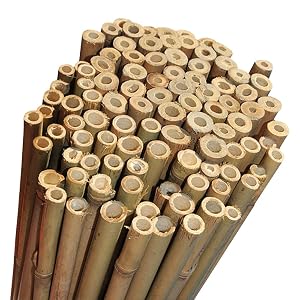
Elixir Gardens Strong Heavy Duty Professional Bamboo Plant Support Garden Canes | All lengths in stock 2, 3, 4, 5, 6, 7 & 8ft | Choose from a range of pack sizes from 10 to 250 | 3ft x 10
Check price on Amazon →
Miracle-Gro Pour and Feed Liquid Plant Food, 1L (Pack of 2)
Check price on Amazon →We may earn a small commission, at no cost to you. We only list kit we'd use.
Written by
UK Homesteading Team
Editorial team
The UK Homesteading editorial team, offering UK-specific, evidence-led guidance on growing, keeping, preserving and the law.