Carrots have a reputation for being a bit fiddly, which is only half fair. Get the soil right and outwit one small pest, and they more or less look after themselves. They store well, they crop for a long season, and they are perfectly happy in a pot on the patio if your ground is heavy. This guide walks through the whole thing, from that first shallow drill to lifting maincrop roots in the depths of winter.
Why grow your own carrots?
A homegrown carrot tastes of something. Pull one on a summer evening, rub the soil off and eat it there and then, and it is sweet and crisp in a way the bagged ones never quite manage. You also get to grow colours and shapes the supermarkets ignore, from stubby round types to long tapering maincrops and even purple and yellow varieties.
They earn their keep, too. A single sowing takes up little room, the maincrop can sit in the ground as a living larder through winter, and carrots slot neatly into a rotation with other roots and legumes. If you are planning a wider patch, our guide to growing vegetables covers how it all fits together.
The one rule: sow where they are to grow
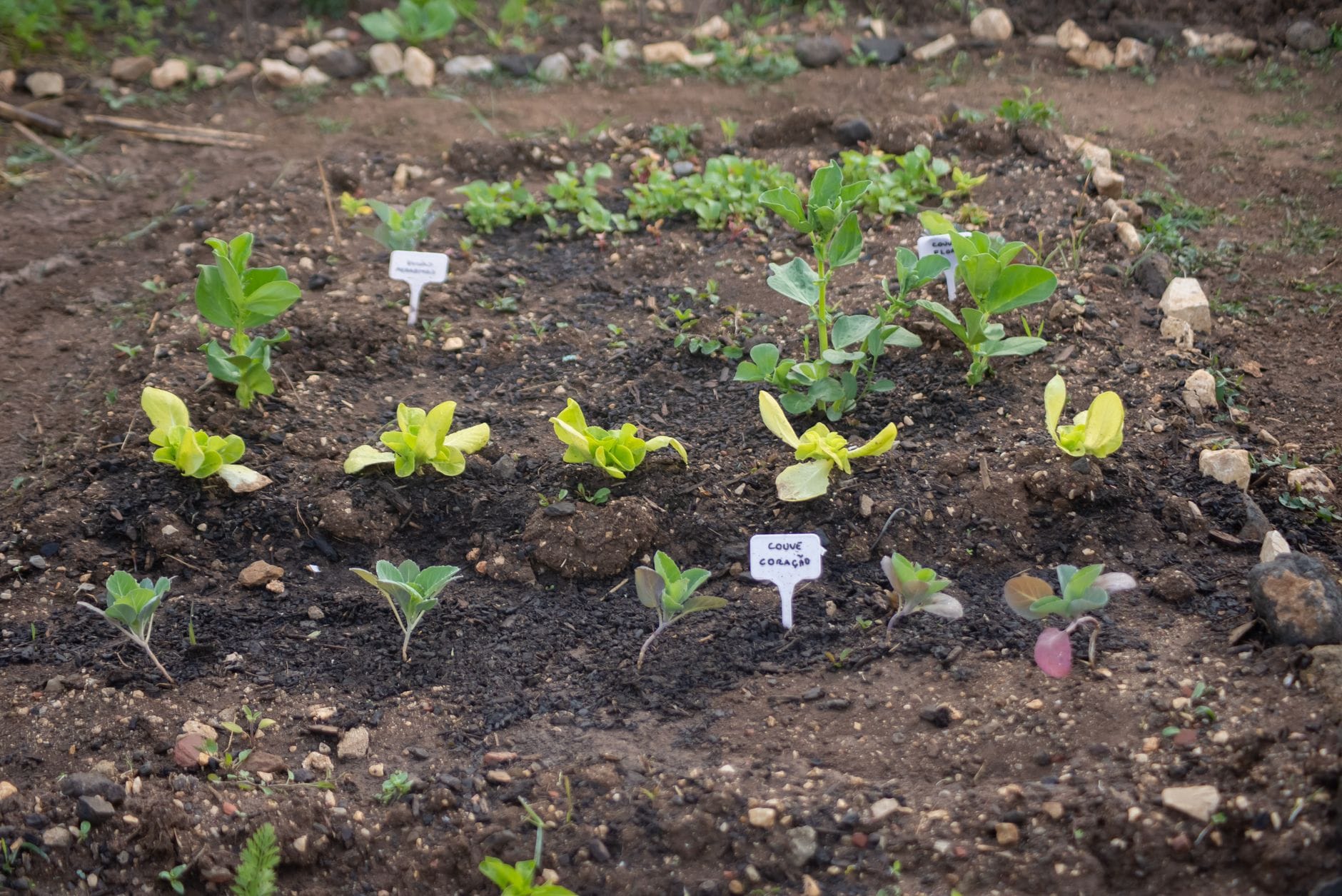
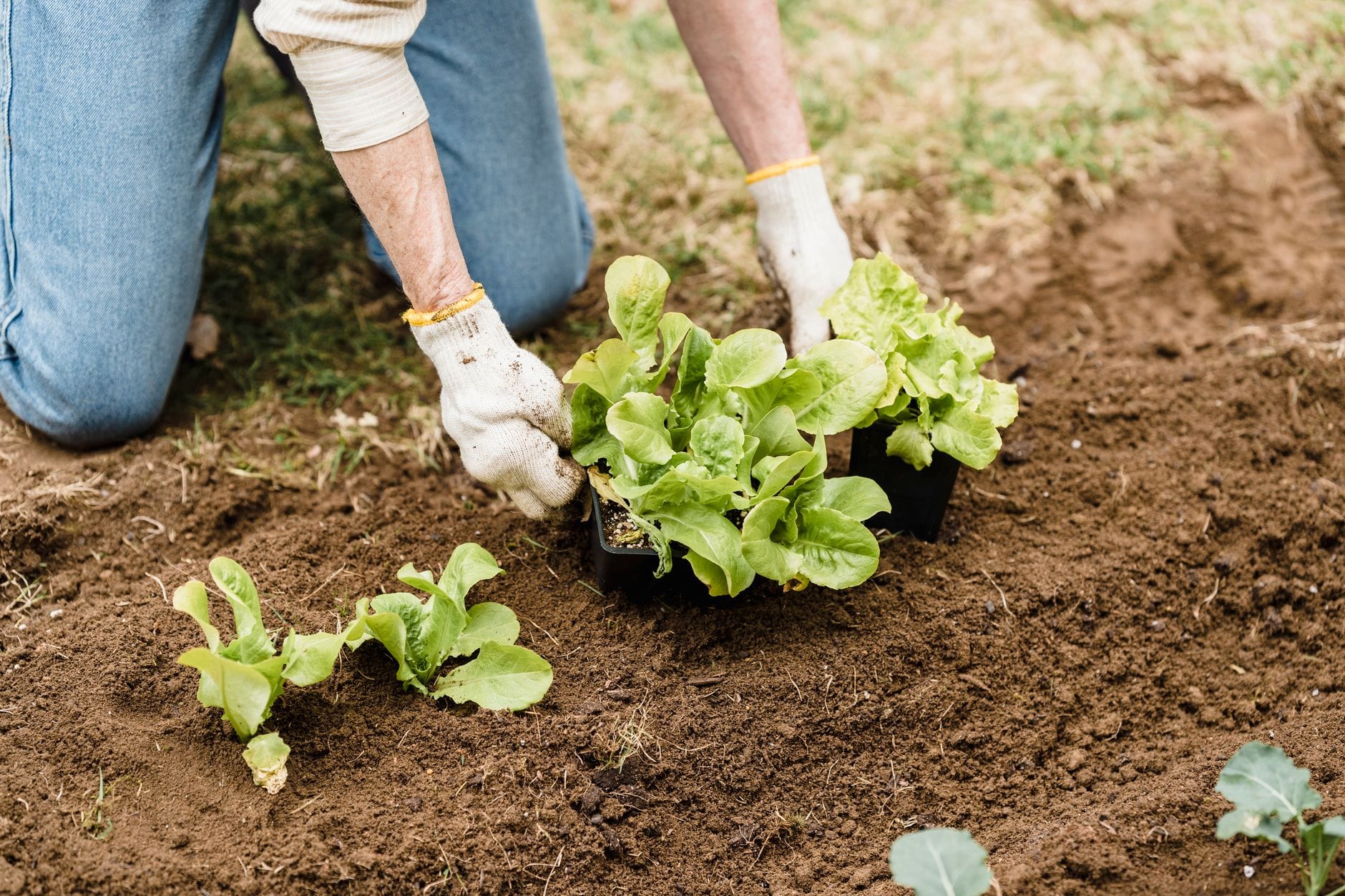
If you take nothing else from this guide, take this. Carrots hate being moved. They grow from a single long taproot, and the moment you disturb that root by lifting a seedling and replanting it, the carrot responds by forking, twisting or stunting. There is no module tray, no windowsill head start, no pricking out. You sow the seed direct into the soil where the plant will spend its whole life, and you leave it there.
Carrots are grown from seed sown direct, never transplanted, or the roots fork and twist.
This is genuinely the thing beginners get wrong most often, usually with the best intentions. Resist it. The upside is that sowing carrots is about as simple as gardening gets: a shallow line in the soil and a scatter of seed.
What soil do carrots need?
Soil is the other half of the battle, and it comes down to one idea: the root needs a clear, open run downwards. Carrots do best in light, stone-free soil that is not too rich. A deep, sandy loam is close to ideal.
Three things cause the classic forked, split or hairy roots:
- Stones. Any stone or hard lump in the path of the taproot makes it fork around the obstacle. The RHS advice is to weed the ground, fork it over to break up hard lumps, remove stones and rake to a fine crumbly texture before sowing.
- Fresh manure. Recently manured ground makes carrots fork and grow multiple whiskery roots. Sow instead into a bed that was manured for a previous crop, so the soil is fertile but well rotted down. Our guide to composting explains how to get manure and compost properly broken down first.
- Heavy or shallow soil. If you garden on clay or stony ground, do not fight it. Grow short-rooted or round varieties, which cope far better, or grow in containers where you control the compost entirely.
When to sow carrots in the UK
Carrots reward a "little and often" approach called successional sowing. Rather than one big sowing that all matures at once, you sow small batches every three to four weeks, so there is always a new row coming to size.
- February to March: early varieties can be sown under cloches or biodegradable fleece for the first tender roots.
- April to early July: the main outdoor sowing season for both early and maincrop types.
- From late spring: maincrop carrots sown now bulk up for lifting through autumn and into winter storage.
Sowing across this whole window is what gives you carrots from early summer right round to the following spring. Do not sow the whole packet at once.
How to sow carrots step by step
- 1
Prepare the ground
Weed the bed, fork it over to break up lumps, remove every stone you can find and rake to a fine, level texture. A stone-free surface is what gives you straight roots.
- 2
Draw out a shallow drill
Use the corner of a hoe or a cane to make a shallow line about 1cm deep. Space rows 15 to 30cm apart so you have room to reach in and weed.
- 3
Sow thinly
Sprinkle the seed as thinly as you possibly can along the drill. Thin sowing is not just tidy, it is your first defence against carrot fly because it saves you having to thin out later.
- 4
Cover and water
Draw the soil back gently over the seed and water along the row with a fine rose. Keep the soil damp until the feathery seedlings appear, which can take two to three weeks.
- 5
Thin only if you must
If seedlings are crowded, thin them to about 5 to 7cm apart. Do it on a still evening, firm the soil back and take every thinning away from the plot.
Carrot fly: the pest that makes or breaks the crop
This is the big one. Carrot fly is the single reason so many people give up on carrots. The adult fly is small and harmless-looking, but she lays eggs in the soil beside your plants, and the maggots that hatch tunnel straight into the roots, leaving rusty brown burrows and rotten patches that ruin the carrot.
The female is drawn in by smell, and here is the crucial detail: she is most strongly attracted by the scent released when carrot foliage is bruised or crushed. That is exactly what happens when you thin your seedlings. It is also why sowing thinly matters so much, because the less thinning you do, the less scent you release.
You can also choose less susceptible varieties, such as those bred with some resistance, though a mesh barrier is still your most reliable protection. Growing in raised containers helps as well, simply because it lifts the crop above the fly's usual flight path.
Watering and looking after the crop
Carrots are not thirsty plants, but they do want steady, even moisture. The problem to avoid is the feast-or-famine cycle: let the soil dry right out, then soak it, and the roots swell too fast and split open. Keep the watering even and consistent, especially in dry spells, and the roots stay smooth and whole. Beyond that, keep the rows weed-free by hand so the young carrots are not crowded out.
When and how to harvest carrots
Carrots are usually ready around 12 to 16 weeks after sowing, though early types come quicker. For your successional early sowings, start pulling from early summer as soon as the roots are big enough to be worth eating. Pulling a few young "thinnings" as baby carrots also gives the rest more room.
Maincrop carrots give you a choice in autumn:
- Leave them in the ground. In most of the UK you can lift them as and when you need them right through winter. Twist off the leaves and cover the row with a thick layer of straw or cardboard to keep the worst of the frost off and make lifting easier.
- Lift and store. If your soil gets waterlogged or you would rather clear the bed, lift the whole crop, twist off the tops and store the sound roots somewhere cool, dark and frost-free in boxes of dry sand.
Growing carrots in containers
If your soil is stony, heavy or simply full of carrot fly memories, containers are the answer, and they work beautifully. Fill a deep pot or trough with peat-free multi-purpose compost, sow thinly on the surface and cover lightly. Because you control the compost, there are no stones to fork the roots, and because the pot sits above the ground, carrot fly struggles to reach it. Choose short or round-rooted varieties for anything but the deepest containers, and keep the compost evenly moist so the roots do not split.
Other problems to watch for
Most carrot troubles trace back to the basics covered above:
- Forking and misshapen roots: stones, fresh manure or transplanting. Sow direct into stone-free, well-rotted soil.
- Split roots: irregular watering. Keep moisture steady rather than swinging between bone dry and soaked.
- Green shoulders: the tops of the roots have been exposed to light. Simply draw a little soil over the crowns to cover them.
Get the soil light and stone-free, sow thinly and direct, keep the mesh on, and water evenly, and carrots turn from a fussy crop into one of the most dependable things in the plot. For more on planning the wider vegetable patch, head back to our growing vegetables hub.
Frequently asked questions
Sources
- How to grow carrots , RHS
- Carrot fly , RHS
- How to grow carrots , BBC Gardeners' World
- How to spot and prevent carrot fly , Garden Organic
Kit for this job (Ad)

Fiskars 384220-1001 Ergo Garden Hand Trowel, Black
Check price on Amazon →
Spear & Jackson 3056GS Neverbend Stainless 3 Piece Gift Set
Check price on Amazon →
Spear & Jackson 4058NB Elements Carbon Hand Trowel
Check price on Amazon →
Gardena Classic Hand Trowel: Universal spade for planting and transplanting in the garden and on the balcony, durable steel, corrosion-resistant, ergonomic handle, 8 cm working width (8950-20)
Check price on Amazon →We may earn a small commission, at no cost to you. We only list kit we'd use.
Written by
UK Homesteading Team
Editorial team
The UK Homesteading editorial team, offering UK-specific, evidence-led guidance on growing, keeping, preserving and the law.