Why perennials, why these four
A herb garden built on annuals (basil, dill, coriander) is one you rebuild every April. Perennials just sit there through the cold, the wet and the brief British summer, and keep handing you flavour regardless. Four plants will cover ninety percent of what a home kitchen actually reaches for.
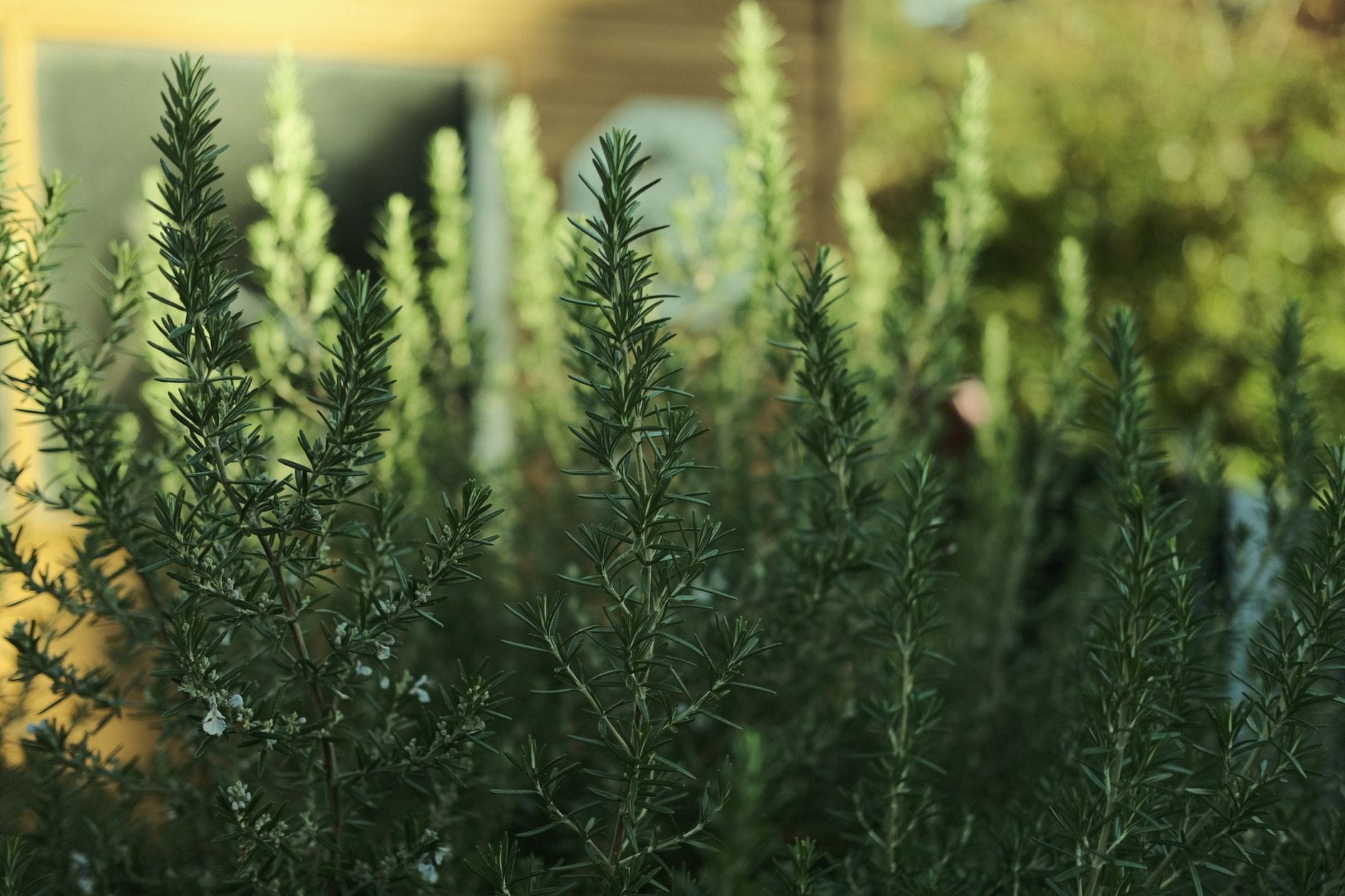
We picked rosemary, sage, thyme and chives because between them they cover roast lamb, slow-cooked beans, a weeknight tray of roast veg, omelettes, potato salads and the whole winter-stew shelf. They also cope with the weather: rosemary, sage and thyme are Mediterranean by origin but perfectly happy in British soil once the drainage is sorted, and chives are northern by nature. They don't mind much of anything we throw at them.
Where to plant them
The single biggest factor in whether you'll actually use your herbs is how far they are from the kitchen door. Ten paces is the ceiling. Beyond that, you'll mean to nip out for a sprig of rosemary on a wet Tuesday in November. And reach for the dried jar instead.
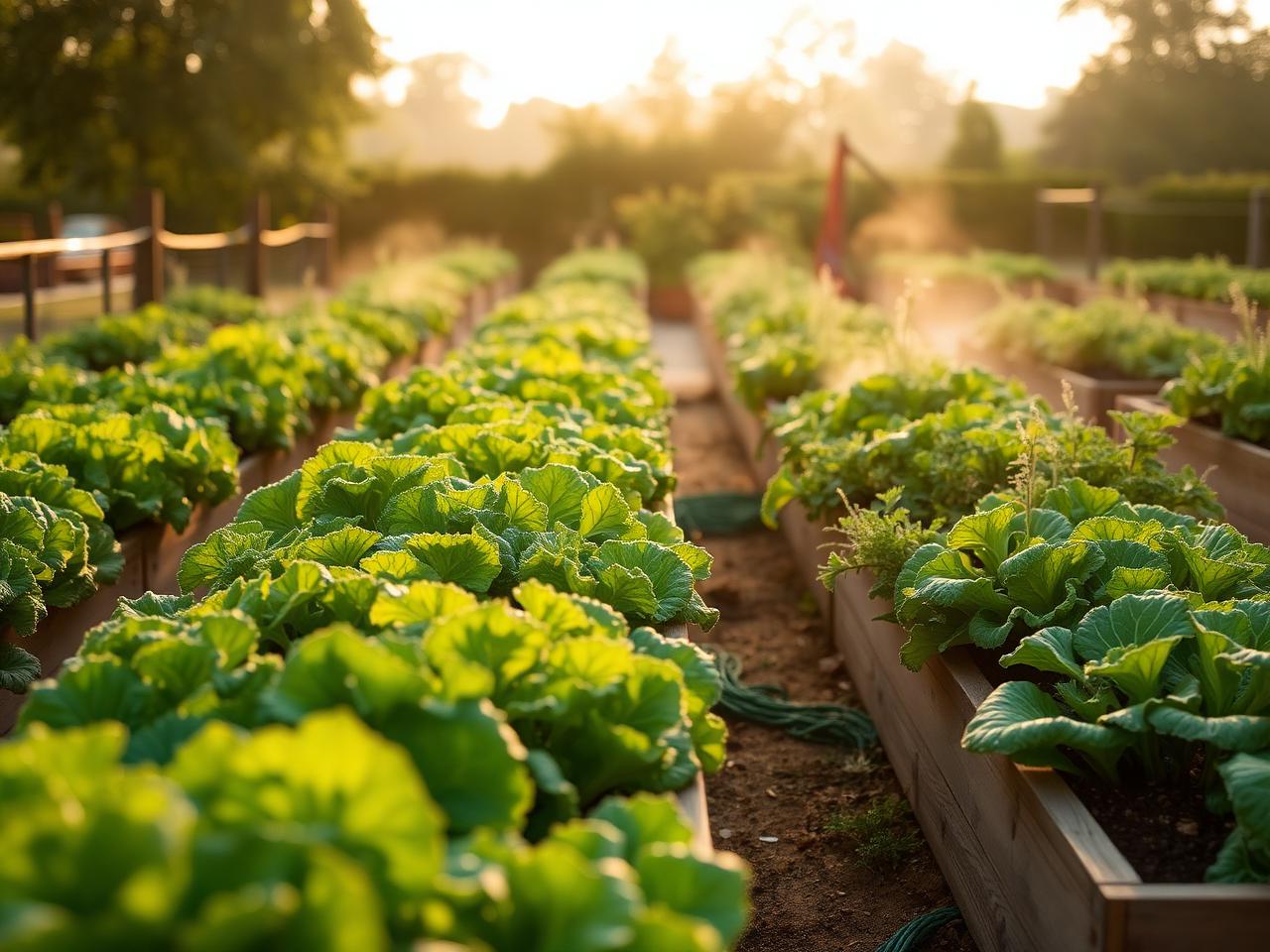
Give them a sunny aspect, free-draining soil, and shelter from the worst of the wind. A south-facing raised bed against a wall is ideal. Failing that, a long planter on the doorstep works, or four 30cm terracotta pots clustered together.
- 1
Dig the hole twice the width of the rootball
Loosen the sides as you go. You want the roots spreading out, not circling round.
- 2
Mix grit into the spoil
A handful of 2 to 6mm horticultural grit per planting hole, worked through the soil before you put it back. This is the fix for British rain.
- 3
Plant slightly proud
Sit the crown of the plant 1 to 2cm above the surrounding soil, so winter rain sheds away from the stem instead of sitting on it.
- 4
Water once, then forget
One good deep soak, then leave it be. After that, only water in a proper drought. Once they're established, perennials would rather be left alone.
The killers (and how to dodge them)
Winter wet is the one thing that reliably kills established perennial herbs in the UK. Cold doesn't bother them; sitting in slurry does. Get the drainage right at planting and you've solved it. If your soil's solid clay, build up rather than fight it. A small mound or a raised bed beats the most patient soil amendment.
The second killer is kindness. Fertiliser, generous compost and rich soil just make rosemary leggy and sage flavourless. Lean is good here. A once-a-year spring topdress of horticultural grit. Not compost, keeps the plants tight and the oils concentrated.
A herb that's too far from the kitchen is a herb you'll never actually use.
The first-year cutback nobody does
Most new herb gardeners are afraid to cut. Don't be. In late May, once the plant's settled in and pushed on some new growth, take the secateurs to it. Rosemary and sage want about a third of their soft new wood taken off; thyme wants a light all-over shape and should never be cut into bare wood; chives can be cut right back to 2cm above the crown and will regrow within a fortnight.
Then through summer, harvest constantly. The more you cut, the more new growth the plant pushes. And new growth is where the flavour lives.
What to plant beside them
Companions matter less than people think for herbs, but a few pairings genuinely help. Chives planted between roses keep the aphids down. Thyme as a living mulch around taller plants suppresses weeds and feeds the pollinators. Rosemary and sage are happy bedfellows, same soil preferences, same tolerance for neglect.
Keep mint out of the bed altogether. It will eat everything in reach. Give it a buried pot or its own standalone container, and go and visit it. Because it will not be visiting you.
Frequently asked questions
Sources
- RHS. Growing herbs , Royal Horticultural Society, 1 March 2025
Kit for this job (Ad)

Pelle & Sol 60L Multi Purpose Compost - Compost for Outdoor Plants & Soil for Plants Indoors - Potting Soil for Pots Plants Outdoor - All Purpose Nutrient Rich Fertiliser, Houseplant Potting Mix
Check price on Amazon →
Vegetable Seeds Variety Pack - 30 Different Varieties of Vegetables, Beans, Herbs and Tomato Seeds. Grow Indoor and Outdoor. Father's Day Gardening Gifts for Women and Men
Check price on Amazon →
Pronto Seed Grow Your Own Herbs Kit - 5 Varieties | Indoor herb plant growing set. Unique beginner-friendly gift for Christmas & Birthdays.
Check price on Amazon →
Pronto Seed Grow Your Own Vegetable & Herb Kit - 21 Varieties | 1,700+ seeds for planting UK: salad, spicy, peas & beans mix. Easy gardening gift for men & women, with growing guide.
Check price on Amazon →We may earn a small commission, at no cost to you. We only list kit we'd use.
Written by
UK Homesteading Team
Editorial team
The UK Homesteading editorial team, offering UK-specific, evidence-led guidance on growing, keeping, preserving and the law.